Volvo Clutch Kit Replacement: OE Match and Validation
Volvo clutch replacement is usually a dimensional and validation exercise, not a branding exercise. For procurement teams, the objective is to match spline count, friction diameter, cover load, release travel, and thermal capacity to the vehicle application while keeping the supply chain stable. For a clutch kit Volvo replacement, the safest route is to work from the transmission code, engine family, and sample measurements rather than assume one model year fits another. Driventus is an independent aftermarket manufacturer; brand names are referenced for fitment only. The focus should be OE-equivalent geometry, verified friction materials, consistent clamp load, and traceable quality control under IATF 16949:2016 and ISO 9001:2015. Once the application is confirmed, buyers can compare kit scopes, compliance documents, and private-label options across [our catalog](/products.html), [our quality system](/quality.html), and [custom manufacturing](/oem-services.html) before they [request a quote](/contact.html).
What OE-equivalent means for Volvo fitment
An OE-equivalent clutch kit should match the functional interface, not just the vehicle name on the carton. For Volvo applications, the critical points are the input shaft spline, disc outside diameter, hub offset, pressure plate bolt pattern, release mechanism, and flywheel contact surface. If any of these vary, the result can be chatter, incomplete disengagement, or accelerated lining wear.
For procurement, the useful question is whether the replacement restores the same operating window as the original part. That means checking:
Spline count and spline form
Disc diameter and hub height
Pressure plate clamp load and spring curve
Release bearing type, especially on concentric slave cylinder systems
Flywheel condition and resurfacing limits
A part can look correct in photos and still fail in service if the damping package or release travel is wrong. That is why replacement sourcing should be built around sample matching, not catalogue assumptions.
Kit contents to verify before ordering
Not every clutch kit includes the same components. Some Volvo applications use a three-piece set, while others require additional hardware or a specific release bearing design. Buyers should define the exact scope before they issue a purchase order.
Component
What it affects
Common mismatch risk
Clutch disc
Torque transfer and engagement feel
Wrong diameter, spline, or damper rate
Pressure plate
Clamp load and pedal effort
Incorrect spring curve or bolt pattern
Release bearing
Disengagement and noise
Wrong height, guide tube interface, or hydraulic type
Pilot bearing or bush
Input shaft support
Omitted on some kits, causing repeat failures
Alignment tool and bolts
Assembly accuracy
Missing hardware delays installation
</tr></thead><tbody> </tbody></table>If the vehicle uses a dual-mass flywheel, the kit decision should include flywheel inspection criteria. Replacing only the friction set on a worn flywheel often increases comeback risk, especially in fleet duty cycles with frequent stop-start operation.
Validation tests that matter in B2B purchasing
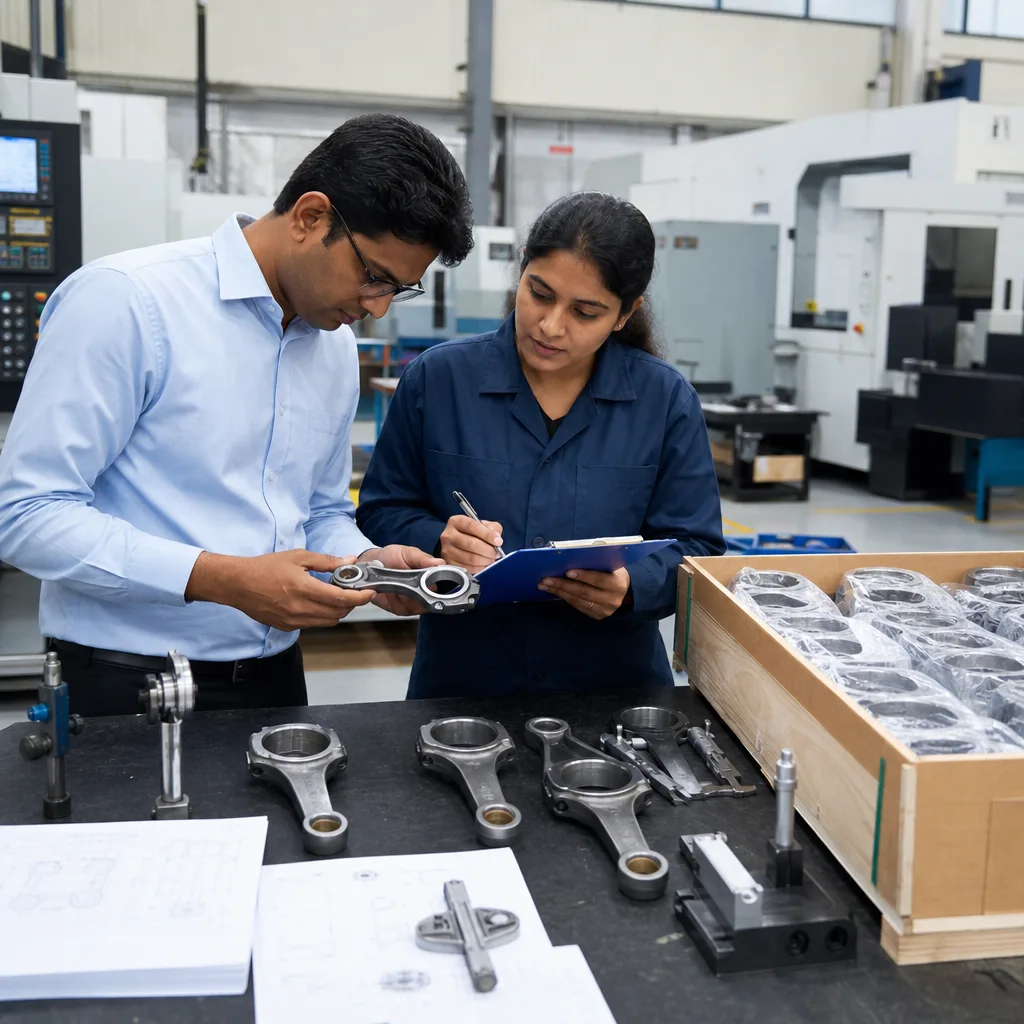
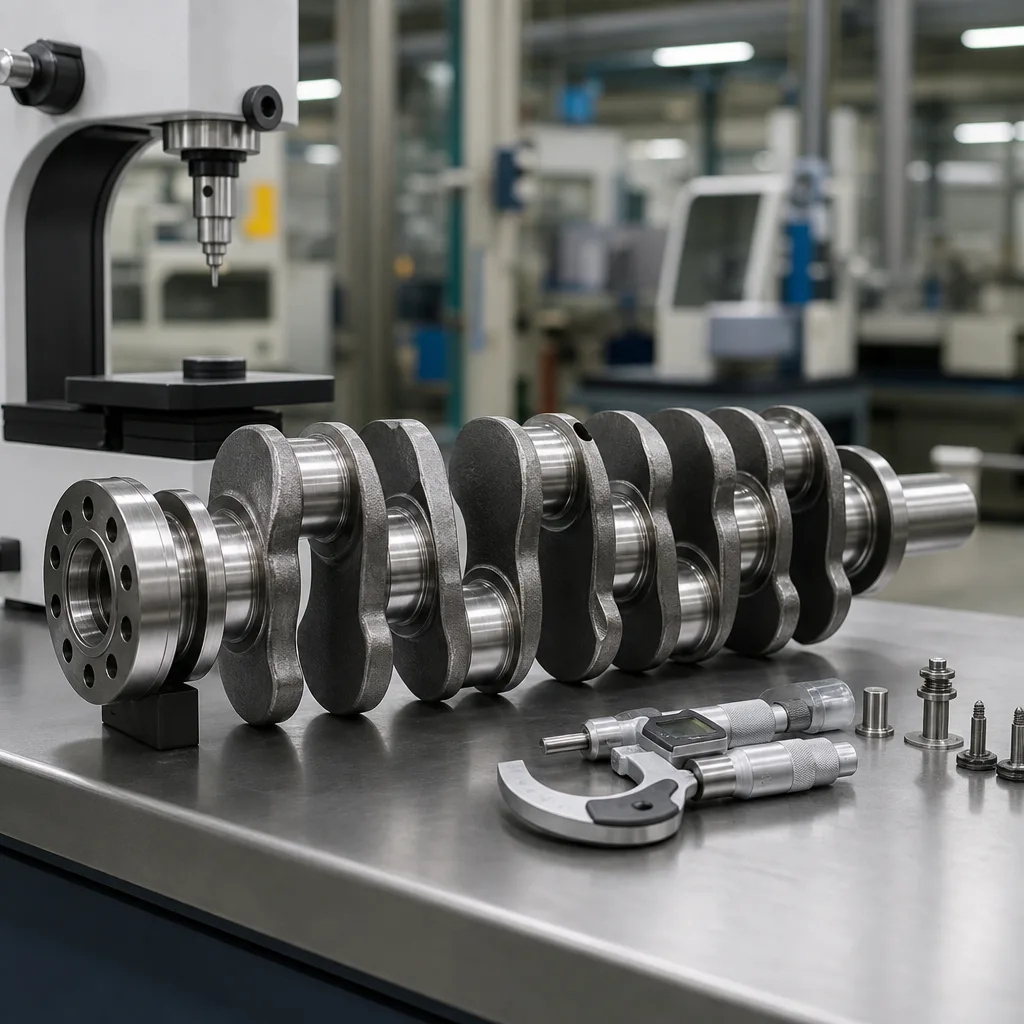
A replacement program should be backed by repeatable inspection and test data. For clutch kits, the relevant controls are dimensional verification, run-out checks, facing material consistency, torsional damper behaviour, and packaging traceability. Driventus builds around documented process control and can support supply programmes aligned with IATF 16949:2016, ISO 9001:2015, and REACH (EC) No 1907/2006 where material disclosure is required.
Common validation items include:
Disc thickness, hub height, and assembly concentricity
Pressure plate flatness and clamp-load repeatability
Release bearing noise and rotational smoothness
Rivet security and facing bond integrity
Batch coding and label traceability
What to verify on receipt
Confirm the part number cross-reference against the vehicle data sheet
Inspect packaging for damage and contamination
Measure the disc and pressure plate against the master sample
Check that the release bearing matches the actuator type
Record lot codes before storage or distribution
For distributors and repair networks, this level of control reduces installation disputes and simplifies warranty handling.
Complete kit versus mixed-component sourcing
A complete kit is usually the lower-risk option when the application is routine and the vehicle age is known. Mixed-component sourcing can work when a flywheel or release system is being reused, but it increases the chance of dimensional mismatch across suppliers.
Sourcing option
Best use case
Trade-off
Complete kit
Standard replacement and branch stock
Higher unit cost than piecemeal buying
Mixed components
Repairs with reusable flywheel or bearing parts
More inspection work and more fitment risk
Custom build
Fleet programmes, export packs, private label
Longer approval cycle and more specification control
</tr></thead><tbody> </tbody></table>For buyers managing multiple warehouses, standardising on one complete kit reduces picking errors and makes warranty tracking easier. Where your programme needs a different friction material, packaging language, or country-specific labelling, custom manufacturing is the better route.
How to source with fewer returns
The most reliable sourcing process starts with technical inputs, not part numbers alone. Send the supplier the VIN, engine code, transmission code, photos of the removed parts, and any measurements taken from the disc and cover. If available, include OE references and the market where the vehicle was sold.
For buyers comparing vendors, ask for:
Dimensional report against the sample or drawing
Material declaration and compliance statement
Production lead time and MOQ
Warranty terms by batch or by shipment
Traceability of the friction material and bearing source
Use our catalog to review the available range, and our quality system to check the controls behind it. If your programme needs a non-standard pack-out, special labelling, or a market-specific build, custom manufacturing can align the kit to the application before you request a quote.
Frequently asked questions
Start with VIN, transmission code, engine family, and the removed parts. Then verify disc diameter, spline form, release bearing type, and pressure plate bolt pattern. Sample comparison is more reliable than model-year matching alone.
Yes. Private-label, carton labelling, and fleet-specific pack-out can be arranged when the application is stable and the technical specification is clear. Share your target market, annual volume, and required documentation.
Ask for dimensional data, material declaration, traceability details, test records where available, and conformity to IATF 16949:2016, ISO 9001:2015, or REACH (EC) No 1907/2006 when applicable. Those documents support audit and warranty control.
If you need a matched Volvo clutch programme for distribution, fleet service, or private label, send the application data and ask to [request a quote](/contact.html).