aftermarket replacement parts · 2026-06-16

Volkswagen OEM Parts Online: Buyer Checklist for Procurement

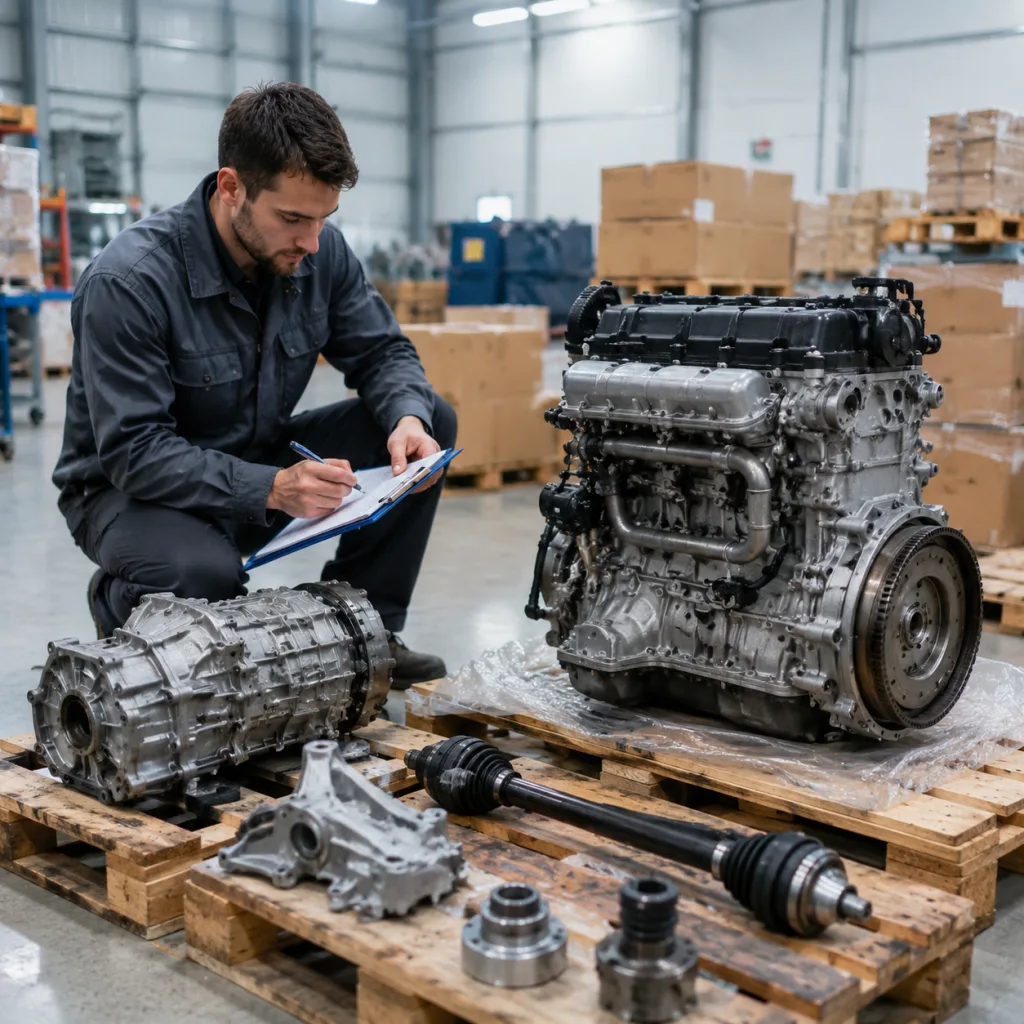
Buying Volkswagen OEM parts online is rarely a simple catalogue exercise for procurement teams. The same OE reference can appear on several listings, with different factories, revision histories, materials, labels, and inspection standards behind it. A part that looks correct in a photo can still fail on a sealing face, thread depth, installed height, coating thickness, or engine-code split.

The useful question is not “does the listing say OEM?” It is: can the supplier prove the part matches the required OE geometry, material specification, surface treatment, installation envelope, and batch control for the intended application?

Driventus is an independent aftermarket manufacturer; brand names are referenced for fitment only. This article is structured as a procurement review, not a generic buying guide. It shows where sourcing risk appears, how to compare supplier models, what documents to require, how to validate fitment, and when to reject an online listing before it becomes a container-level claim.

Decision gate: prove the part before you price it

Start with evidence, not the product title. Online listings for Volkswagen replacement parts often use similar words, but procurement should separate a searchable listing from a release-ready component.

Before price negotiation, require the supplier to identify the part precisely:

  • OE cross-reference shown clearly, for example `OE 06A107065`
  • Application range by engine code, model year, transmission, emissions version, and market
  • Material declaration such as 40Cr, 42CrMo, ADC12, PA66-GF30, FKM, NBR, or equivalent grade
  • Heat-treatment or coating specification, for example HRC 28–34, HRC 58–62 case hardness, zinc-nickel 8–12 μm, phosphate, anodising, or e-coat
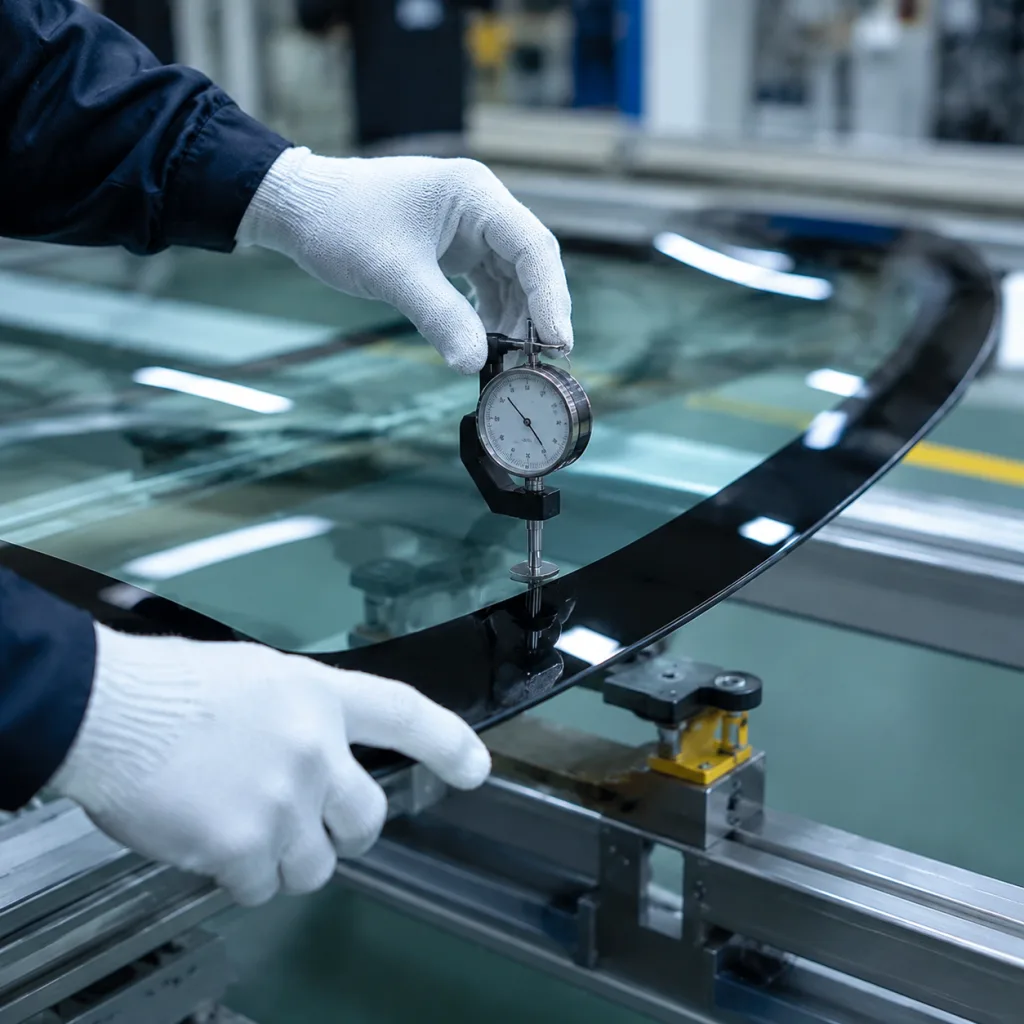
  • Critical dimensions with tolerances, not only nominal sizes
  • Surface roughness where sealing or wear is affected, such as Ra 0.4–0.8 μm on sealing faces or Ra 1.6–3.2 μm on non-critical machined areas
  • Packaging, labelling, barcode format, carton quantity, pallet quantity, and lot traceability
  • Lead time, MOQ, replenishment terms, and price-break logic by quantity

A catalogue page may be enough for retail browsing. It is not enough for repeat purchasing. For engine and powertrain items, visual similarity is especially weak evidence. Batch consistency, machining control, surface finish, and material condition usually decide whether the part works.

Use a simple gate for first review: no OE reference, no fitment review; no critical dimensions, no sample approval; no traceability plan, no recurring order.

Typical first orders are often 20–100 pcs for validation. Production MOQ then depends on the process: 100–300 pcs for machined items, 300–500 pcs for cast or forged parts, and 500–1,000 pcs when custom packaging, moulded rubber, or dedicated tooling is involved. If a supplier quotes the same price for 50 pcs and 1,000 pcs, ask what is hidden in the number: tooling amortisation, inspection time, packing labour, freight handling, or inventory risk.

Supplier model comparison: factory, distributor, or trader?

When sourcing Volkswagen OEM parts online, the supplier type affects more than price. It determines who controls the drawing, who checks production, who answers technical questions, and who takes responsibility when a revision changes.

</tr></thead><tbody> </tbody></table>A factory is usually stronger when the buyer needs dimensional control, material records, inspection history, and controlled change management. A distributor may be better when stock is urgent and volumes are low. A trader can help consolidate mixed lines, but the buyer should watch for mixed-source stock with inconsistent revision status.

Do not compare quotes only by unit price. Compare landed cost and control level. A usable quote should separate EXW/FOB unit price, tooling or fixture cost, sample cost, packaging cost, inland freight, export carton or pallet cost, and any inspection surcharge.

Lead time should also be split. Sample lead time is commonly 7–15 days for an in-stock or lightly modified part, 20–35 days for a new machining setup, and 45–75 days where casting, forging, rubber moulding, or plastic injection tooling is required. Mass production usually adds 25–45 days after sample approval, depending on raw material availability and inspection level.

Price breaks often become meaningful at 100 pcs, 300 pcs, 500 pcs, and 1,000 pcs because setup labour, CNC programming, heat-treatment batch charges, and packaging runs are spread over more units. If revision control is unclear, however, the lowest quote is usually not the lowest-risk option.

Document pack deep-dive: what should be ready before the PO

A serious aftermarket supplier should be able to send more than a certificate screenshot. Documentation should connect the part number, factory site, material batch, production process, inspection method, and packaging rule.

At minimum, look for quality system evidence aligned to IATF 16949:2016 and ISO 9001:2015. These standards do not prove that a component fits every Volkswagen application, but they do indicate controlled processes, nonconformance handling, calibration discipline, and repeatable inspection.

For EU and UK programmes, chemical compliance may also matter. Ask for REACH (EC) No 1907/2006 declarations when the part includes regulated substances, coatings, sealants, plastics, or elastomers. For emissions-related or customer-required testing, suppliers may cite ECE R-83 or SAE J2527 where relevant to the component family. The test method must match the product; name-dropping a standard is not enough.

Supplier type Strengths Risks Best use case
Factory manufacturerDirect process control, traceability, engineering support, PPAP-style files where requiredFewer casual stock lines, MOQ may applyProgrammes needing repeat supply and validation
Authorised distributorFast availability, local invoicing, small-quantity replenishmentLimited technical depth on sub-lines, higher unit costUrgent replenishment and small orders
Trading companyBroad catalogue, flexible sourcing, mixed-container consolidationRevision and traceability gaps, mixed factory sourcesExploratory buying or low-volume fills

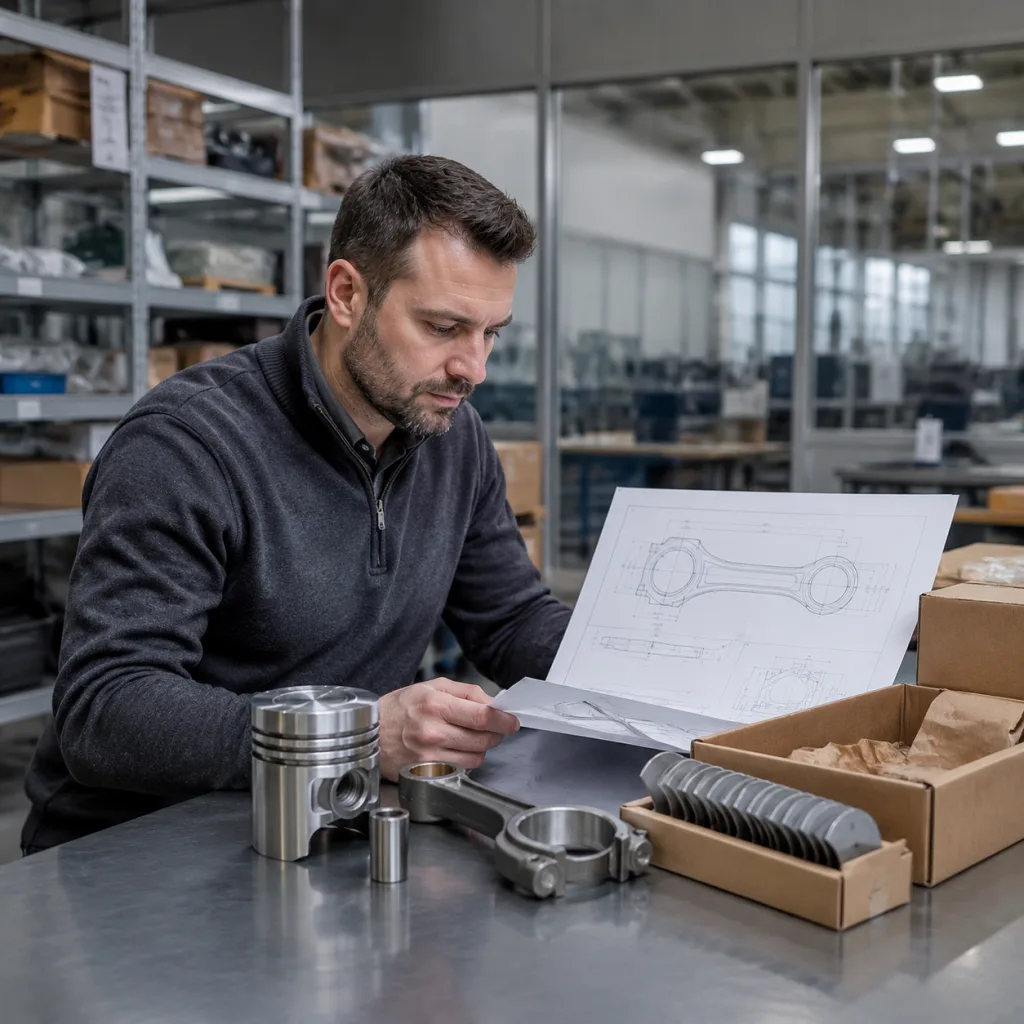
</tr></thead><tbody> </tbody></table>For engine and powertrain components, a normal document pack should include a drawing or critical-dimension sheet, incoming material report, heat-treatment or coating record where applicable, final inspection report, and lot traceability statement. Ask for it before the PO is released, not after the shipment is ready.

Typical AQL settings for commercial receiving are AQL 1.0 or 1.5 for major defects and AQL 2.5 or 4.0 for minor defects. Safety-, sealing-, or rotation-critical characteristics may need tighter checks or 100% inspection. Calibration records should cover calipers, micrometers, height gauges, thread gauges, CMM equipment, torque tools, hardness testers, and roughness meters.

If the supplier cannot produce these documents quickly, they may be able to sell parts, but they are not ready for controlled production purchasing.

Validation workflow: from OE number to approved pilot lot

Fitment validation should follow a sequence. Skipping steps saves time only until the first claim arrives.

1. Confirm the OE cross-reference against VIN, engine code, model year, market version, and supersession history. 2. Review the application list and identify splits by transmission, emissions package, or production date. 3. Compare the sample with an OE benchmark or approved drawing. 4. Measure critical dimensions and record actual values, not only pass/fail results. 5. Inspect mating faces, threads, sealing surfaces, burrs, coating coverage, and surface finish. 6. Check packaging and labels against warehouse rules, including barcode readability and carton strength where required. 7. Run installation, fixture, or bench testing before stock release.

A practical plan has three levels.

Desk review: confirm OE reference, application range, drawing, material, process route, and inspection plan.

Sample inspection: measure at least 3–5 pcs from the sample batch. Include CTQ points, threads, holes, sealing diameters, bearing or shaft interfaces, and installed height.

Functional confirmation: test the part in the way the application requires. That may include thread go/no-go testing, torque-to-seat confirmation, leak testing at specified pressure, thermal cycling from -40 °C to 120 °C for relevant elastomer or plastic assemblies, hardness verification to the stated HRC or Shore A range, and coating thickness checks at multiple points.

For rotating or sealing parts, bench fit is not enough. The part must survive the relevant load, temperature, leakage, or wear condition. For engine components, you can review our catalog and engine components pages to see how product families are organised for specification matching.

Classify every deviation as fitment, functional, cosmetic, or packaging. Then require corrective action before the second sample or pilot lot. The acceptance standard should be written before the first order ships.

Scenario: building a repeat Volkswagen replacement programme with Driventus

Consider a buyer consolidating several Volkswagen replacement references for engine and powertrain coverage. The risk is not only whether the first shipment fits. The real risk is whether the tenth shipment matches the first one.

Working directly with a manufacturer helps when the programme needs stable dimensions, consistent surface finish, controlled material batches, and repeat documentation. Driventus supplies aftermarket engine and powertrain components from Taizhou, Zhejiang, with export experience across 60+ countries and production aligned to IATF 16949:2016 and ISO 9001:2015.

A typical repeat-purchase workflow looks like this:

1. Buyer sends OE number, photos, sample or drawing, engine code, target quantity, and packaging requirement. 2. Driventus reviews application and feasibility, usually within 1–3 working days. 3. Quote is prepared by quantity break and Incoterm. 4. Samples are produced or supplied in 7–35 days depending on stock, machining setup, or tooling needs. 5. Inspection data is issued for review. 6. Buyer approves a pilot order. 7. Control plan, label format, packaging specification, and shipment documents are locked for repeat supply.

When a customer needs a non-standard finish, modified packaging, customer part number labels, or a consolidated range across multiple references, custom manufacturing can reduce supplier fragmentation. It also gives the buyer one technical contact and one inspection standard instead of several mixed sources.

For ongoing programmes, carton labels can include customer part number, OE cross-reference, batch number, quantity, production date, and scannable barcode. Reorder planning should include production lead time plus freight: around 4–7 days for express samples, 15–25 days for air freight after production, and 30–45+ days for sea freight depending on port pairing and customs clearance.

For stable demand, a rolling 3-month forecast helps reserve raw material, heat-treatment capacity, and packaging inventory.

Failure modes in online listings: when to stop the order

Many sourcing problems can be caught before a PO is issued. The warning signs are usually visible: vague fitment, missing OE reference, generic photos reused across unrelated parts, universal-compatibility claims, or no packaging information.

Stop and investigate if you see any of the following:

  • No named standard or certificate scope
  • No dimensional drawing, tolerance data, or CTQ list
  • No batch or lot traceability
  • No stated test method for wear, leakage, torque, temperature, coating, or hardness
  • No clear contact for technical review
  • Price offered without MOQ, Incoterm, payment term, packaging basis, or validity date
  • Lead time stated only as “fast delivery” with no sample and mass-production split
  • Photos with visible inconsistencies between the listed OE reference and the actual geometry

For controlled procurement, use hard gates:

  • No drawing or critical-dimension sheet, no production order.
  • No batch number, no receiving approval.
  • No inspection record, no repeat purchase.
  • No revision-status answer, no programme release.

These rules may feel strict, but they prevent small catalogue errors from becoming container claims. For disputed shipments, the most useful evidence is a signed sample approval, retained golden sample, batch inspection report, photos before packing, and a clear claim window, such as 30 days after receipt for visual or quantity issues and a separately agreed period for functional defects.

If a supplier will not answer technical questions, the part may still be acceptable for low-risk resale. It is not suitable for a controlled Volkswagen replacement programme. Buyers who need stable supply should request a quote only after the technical file is complete.

Frequently asked questions

Not always. Online listings may describe OEM, OE-equivalent, or aftermarket replacement. Buyers should confirm the OE cross-reference, dimensions, material, production process, and validation data before treating the part as suitable for procurement.

Request the quality certificate, inspection record, material report, drawing or critical-dimension sheet, packaging specification, REACH declaration where relevant, and any part-family test summary. For controlled purchasing, also confirm lot traceability and the inspection frequency for critical dimensions.

Yes, subject to application review and feasibility. Driventus can support OE cross-references, technical verification, sample approval, packaging requirements, and programme-based supply. Driventus is an independent aftermarket manufacturer; brand names are referenced for fitment only.

If you are comparing supply options for a specific OE reference or programme, send the part number, engine code, target quantity, required Incoterm, packaging requirement, and application details. We will review fitment, documentation, MOQ, price-break options, and lead time with you. [Request a quote](/contact.html).

Request a Quote
Document Why it matters What to confirm
IATF 16949:2016 certificateAutomotive process controlScope, site address, validity, issuing body
ISO 9001:2015 certificateBasic quality managementCurrent issue and certification body
Material reportChemical and mechanical verificationAlloy, hardness, coating, batch ID, test standard
Inspection recordDimensional and visual acceptanceSample size, measuring equipment, pass/fail criteria
REACH declarationEU chemical compliancePart number coverage, date, signature
Control plan or inspection planRepeatability of productionCTQ dimensions, inspection frequency, reaction plan
Packaging specificationReceiving and warehouse controlInner box, carton, pallet, barcode and label format