Valve Seat Recession and Valve Cover Gasket Diagnosis
Valve seat recession and valve cover gasket leakage are often mentioned together during cylinder head diagnosis, but they are separate faults with different causes, inspection methods, and repair scope. One affects valve-to-seat contact, compression retention, and combustion stability. The other affects oil sealing at the top of the cylinder head. For buyers managing repair programs, fleet maintenance supply, or aftermarket engine component ranges, separating these issues matters because the parts required, labour involved, and warranty exposure are not the same. A leaking gasket can cause external oil loss, contamination, and customer complaints. Valve seat recession can lead to low compression, valve burning, hard starting, and misfire. This article explains how procurement and technical teams can assess the symptoms, identify likely causes, and specify the right replacement components. It also adds practical sourcing benchmarks such as material ranges, inspection tolerances, MOQ and lead-time logic, and process controls buyers can use in RFQs. Driventus is an independent aftermarket manufacturer; brand names are referenced for fitment only.
Start with the failure mode, not the part name
The cleanest way to separate valve seat recession from a valve cover gasket fault is to ask what is actually failing: combustion sealing or oil sealing. If the engine is losing compression or changing valve lash, the problem sits in the cylinder head and valve train. If the engine is leaving oil around the cover rail or plug wells, the problem is on the external seal path.
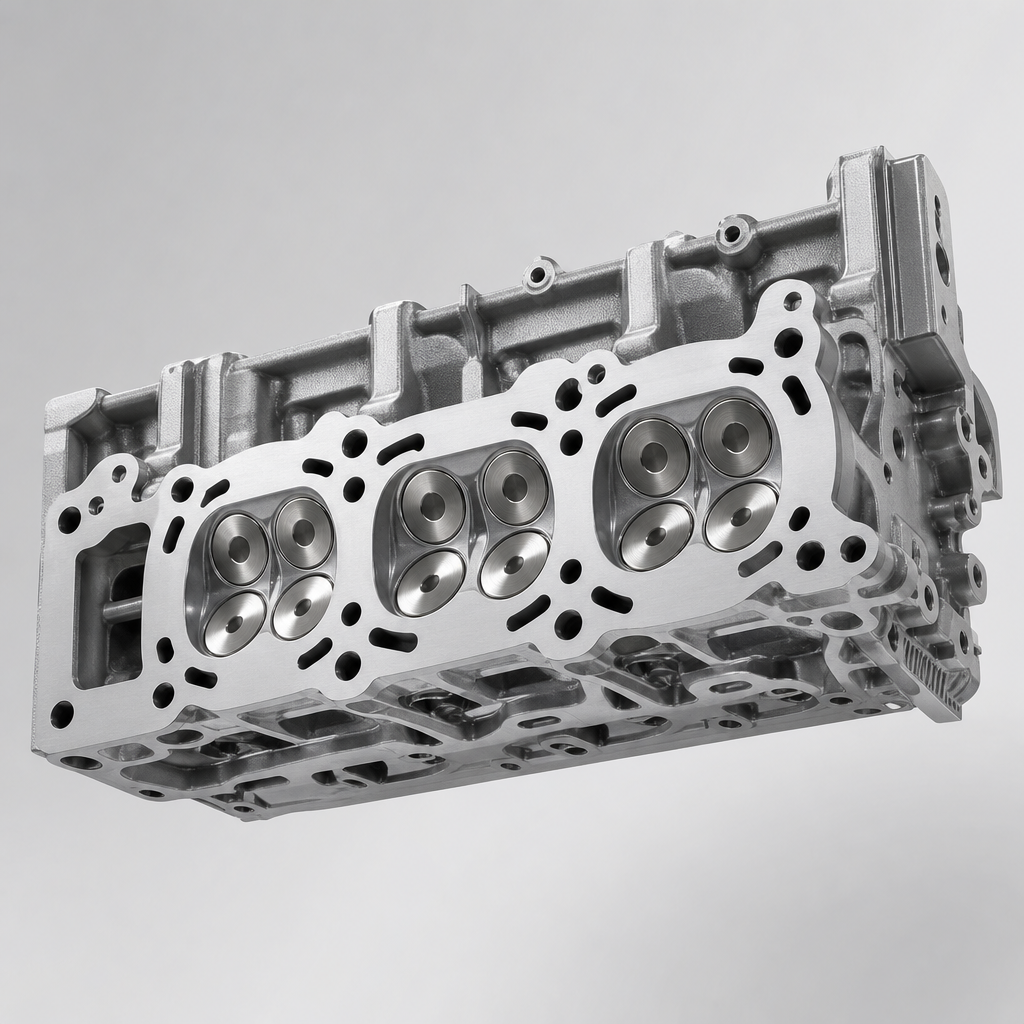
That distinction matters because the repair scope changes completely. A gasket leak can usually be handled with a sealing kit and proper installation control. Valve seat recession points to seat wear, thermal overload, or fuel-related durability limits, which means head diagnosis and often head rework. The parts order should follow the fault, not the first visible symptom.
Assuming any oil around the head means a gasket is the only fault
</tr></thead><tbody> </tbody></table>For buyers and service networks, the first decision is simple: if the complaint is leakage only, stay in the sealing category. If the complaint includes hard starting, misfire, or low compression, move the job into diagnostic escalation.
When the symptoms point away from a gasket leak
A valve cover gasket leak is easy to see. Valve seat recession is not. That is why symptom clustering matters more than the first wet surface a technician notices.
Seat recession signals are usually tied to combustion performance:
Compression loss on one or more cylinders
Leak-down above about 15% on the affected cylinder
Tightening valve lash over time on mechanical systems
Misfire under load or after heat soak
Burnt exhaust valve edges during teardown
Hard starting after the engine warms up
Those symptoms do not come from a valve cover gasket by themselves. A gasket can leak oil, but it does not lower compression or change valve timing clearance. If those symptoms are present, the top-cover seal is secondary.
Gasket leak signals are different:
Oil around the perimeter of the cover
Oil in spark plug tube wells
Local seepage at bolt grommets or half-moon sections
Oil smell after the engine reaches temperature
Dirt stuck to the rail where oil has wept out
No meaningful change in compression or leak-down
The practical rule is blunt: oil outside the engine suggests a gasket issue; combustion symptoms suggest valve seat recession. If both are present, do not stop at the gasket. A combined complaint usually means the cylinder head needs a proper inspection before parts are released.
What actually causes each problem
The failure modes are different, so the causes are different too. That is where many templated repair notes become misleading.
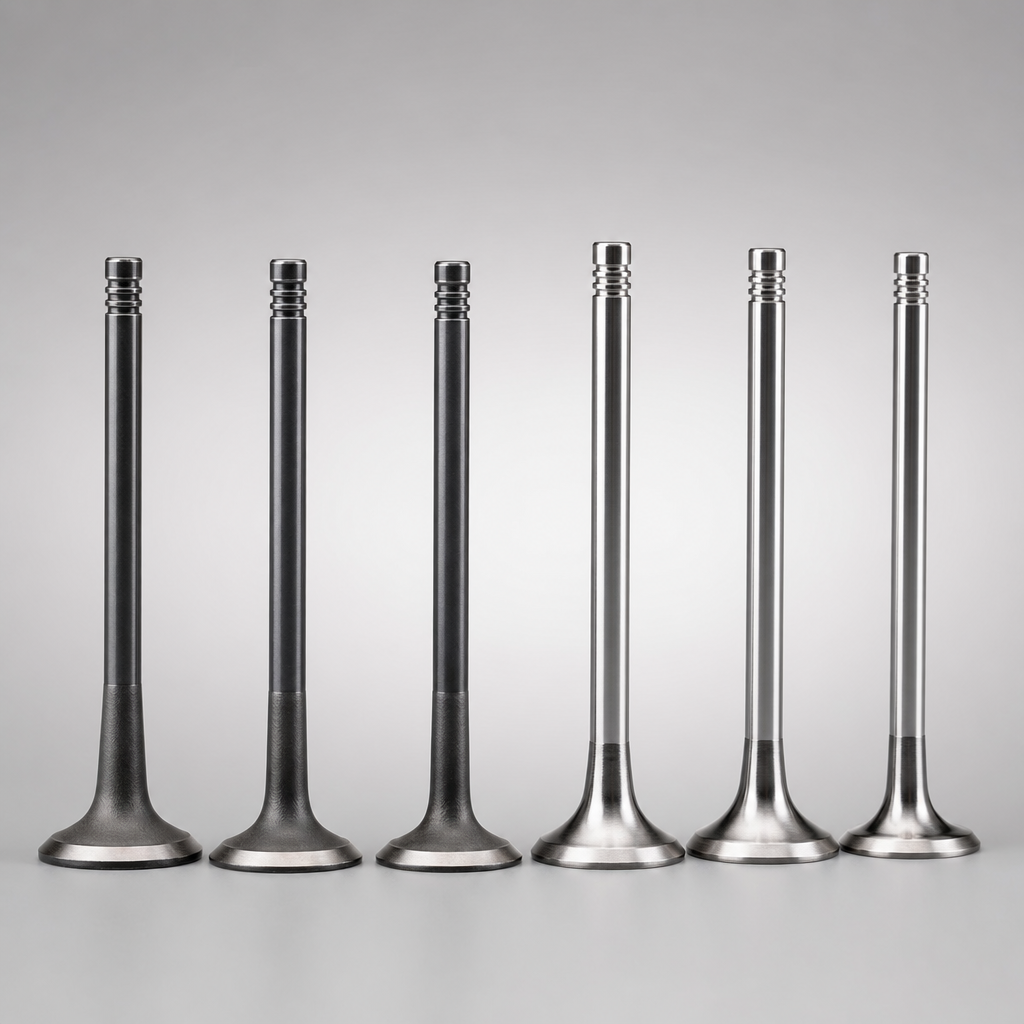
Valve seat recession develops at the valve-to-seat interface. The causes include:
Seat material that is too soft for the duty cycle
High exhaust temperature over long periods
Poor valve rotation or uneven contact pattern
CNG or LPG conversion without adequate seat durability in some applications
Seat runout, poor concentricity, or incorrect seat width after overhaul
Closing dynamics that reduce heat transfer from the valve into the seat
This is a durability and metallurgy issue. Replacing the cover gasket does nothing for it.
Valve cover gasket failure is usually a sealing and installation problem, accelerated by age:
Elastomer hardening from heat cycling
Compression set after long service intervals
Flange distortion
Over-torque or under-torque
Dirty or oily sealing surfaces at assembly
Wrong compound for the temperature and clamp-load window
Excess sealant, which can create uneven load and seep paths
For sourcing teams, the useful question is not just what failed, but what must be controlled next time. On seat-related claims, that means seat hardness, contact width, and lash trend. On gasket-related claims, that means material choice, hardness, flatness, and kit completeness.
Typical gasket material references buyers can ask for in RFQs include:
NBR for lower-cost oil sealing in moderate heat ranges
ACM for better hot-oil resistance
AEM for modern engines with longer drain intervals
FKM for higher heat and aggressive fluid exposure
Rubber-coated steel carrier where retention and dimensional stability matter
Buyers should also ask for the actual test basis, not just the compound name. Hardness, compression set, heat ageing, and dimensional stability are what predict comeback rate.
How to inspect it step by step
A short inspection sequence prevents the wrong order from being placed. The sequence below works well for distributors, service buyers, and technical claims teams.
1. Confirm the complaint. Record whether the issue is oil leakage, smoke, misfire, rough idle, hard starting, or compression loss. Capture mileage, engine code, fuel type, and whether the engine runs LPG or CNG.
2. Clean the engine top and localise the source. Degrease the cover area, then check whether oil is emerging from the rail, fastener grommets, spark plug wells, or another source. UV dye helps when airflow spreads oil across the head.
3. Check compression or leak-down if driveability symptoms exist. Variation above roughly 10-15% or leak-down above 15-20% deserves deeper head diagnosis.
4. Measure valve lash where the engine allows it. A reading trending downward over time, or reaching the low limit, is a warning sign for seat recession.
5. Inspect the cover itself. Use a straightedge and feeler gauge. Flatness deviation beyond about 0.15 mm on short spans or 0.30 mm across a longer rail can defeat a new gasket, depending on design.
6. Check fasteners, grommets, and sealing inserts. Hardened grommets, bottomed-out bolts, or missing load spreaders often create false gasket failures.
7. Review heat history and service history. Overheating, delayed oil changes, and long intervals shorten gasket life and can also damage valve durability.
8. Verify the kit contents before ordering. Many applications need the perimeter gasket, spark plug tube seals, bolt grommets, and half-moon seals together.
If the engine has low compression or tight lash, a gasket-only order is the wrong call. If the complaint is purely external oil seepage, a full sealing kit is usually enough. That distinction keeps repeat visits down and claim handling cleaner.
What buyers should require from the gasket supplier
Once the diagnosis points to the valve cover, part quality becomes the next control point. A cheap gasket that loses clamp load or distorts in transit creates the same comeback problem as a bad diagnosis.
At minimum, buyers should ask for:
Material identification by application family
Hardness range and tolerance
Compression set data where available
Heat ageing validation
Dimensional control on cross-section and perimeter
Traceability by batch and cure date
Packaging that prevents profile deformation
Installation notes where torque sensitivity is high
Useful data points to request in a sourcing file include:
Shore A hardness, often around 60-75 Shore A depending on design
Compression set method and result
Heat ageing change in hardness and tensile strength
Oil compatibility data for engine oil or ATF where relevant
First article or PPAP-lite evidence for private-label programs
Cavity traceability on multi-cavity tooling
Mixed-kit packing controls to prevent missing seals
For commercial planning, MOQ and lead time should be tied to the program type, not just the item description:
Stock aftermarket SKU: often 100-300 sets MOQ
Private-label pack change: often 500-1,000 sets MOQ
New custom profile: often 1,000-3,000 sets plus tooling
Repeat order lead time: commonly 25-40 days
New tooling or new packaging approval: commonly 45-70 days
The right supplier is the one that can hold shape, hold spec, and hold traceability. Price still matters, but only after those basics are proven.
Where the repair decision changes
The same engine can produce both oil seepage and cylinder-head symptoms, but the repair logic should not blur them together. Use the complaint pattern to decide the next move.
If the engine shows only external oil leakage, a gasket kit and correct installation are usually the answer. If the engine also shows low compression, misfire, or reduced valve clearance, the repair is no longer a sealing job. It becomes a head-diagnosis job, and the gasket is only one item in the scope.
A simple rule works in the field:
Leak only: replace the gasket set and related seals
Leak plus misfire or compression complaint: escalate to head diagnosis
Repeat leak after recent service: inspect cover flatness, torque method, and gasket spec
LPG/CNG fleet application: review seat durability and lash history before signing off a gasket-only repair
Scenario
Best next step
External seepage, no DTCs
Order full gasket kit
Oil in plug wells
Include tube seals and grommets
Leak plus low compression
Hold gasket-only closure and inspect the head
Repeat leak in 3-6 months
Review installation process and cover condition
</tr></thead><tbody> </tbody></table>For purchasing teams, that means the claim policy should separate a sealing return from a diagnosis miss. Those are not the same failure, and they should not be handled with the same approval logic.
FAQ: the questions teams ask before they order
Can a valve cover gasket leak cause valve seat recession? No. A valve cover gasket leak does not directly cause valve seat recession. The gasket seals oil outside the cylinder head; recession happens at the valve-to-seat interface.
What is the fastest way to tell them apart? Start with the symptom set. Oil seepage around the cover points to a gasket issue. Misfire, low compression, hard starting, or tightening lash points toward valve seat recession and needs cylinder sealing checks.
What should buyers request when sourcing gasket sets? Ask for material specification, hardness range, dimensional control, kit completeness, traceability, compression-set or heat-ageing evidence, MOQ, lead time, and documented process control under IATF 16949:2016 or ISO 9001:2015.
Does a visible oil leak mean the gasket is definitely the only problem? No. Oil leaks can coexist with valve train wear. If the engine also has driveability complaints, do not close the case on appearance alone.
When is a gasket-only repair acceptable? When the complaint is external oil leakage and the engine shows no compression loss, no misfire pattern, and no meaningful lash deterioration.
Frequently asked questions
No. A valve cover gasket leak does not directly cause valve seat recession. The gasket controls external oil sealing at the top of the cylinder head, while recession is a wear- and heat-related issue at the valve-to-seat interface.
Start with the symptom pattern. External oil seepage around the cover usually points to a gasket issue. Misfire, low compression, hard starting, and tightening valve lash point to a possible valve seat problem and justify cylinder sealing checks.
Ask for material specification, hardness range and tolerance, dimensional control data, kit completeness, batch traceability, compression-set or heat-ageing evidence, MOQ, lead time, and process control under IATF 16949:2016 or ISO 9001:2015. These checks help reduce fitment problems and early leakage returns.
If you need support on valve cover gasket sourcing, application matching or private-label supply, contact Driventus to discuss your program requirements at /contact.html