A failed timing belt can turn a scheduled service item into an engine repair within seconds. For buyers supporting workshops, fleets, or distribution networks, the invoice rarely stops at the belt. A typical failure-driven job may pull in diagnostics, strip-down labour, tensioners, idlers, a water pump, seals, gasket sets, and, on interference engines, bent-valve repair or piston-contact inspection. In practical market terms, a planned belt service may land around USD 350-900 depending on engine layout and labour rate, while a failure repair on an interference engine can climb to USD 1,500-4,500+ once head work, machining, and downtime are added. This timing belt failure repair cost guide focuses on what actually changes the number: damage path, inspection order, replacement scope, kit completeness, and the gap between a routine belt job and a failure-led rebuild. Driventus is an independent aftermarket manufacturer; any brand names mentioned are for fitment reference only.
Start With the Real Cost Decision: Belt Job or Engine Repair?
The first question is not price. It is scope.
Timing belt failure repair cost changes dramatically based on engine design, internal damage, labour access, and how many related parts are replaced at the same time. On a non-interference engine, a snapped belt may lead to recovery, diagnosis, and a full timing drive service with limited secondary damage. On an interference engine, valve-to-piston contact can move the job into cylinder head removal, valve train replacement, machining, and deeper bottom-end checks.
The main cost drivers are usually these:
Engine architecture: SOHC applications may need about 2.5-4.5 labour hours for front-end timing service, while compact transverse DOHC layouts often run 5.5-9.0 hours before any head work starts.
Interference vs non-interference design: interference engines carry the highest escalation risk, often adding 8-18 hours for teardown, head removal, inspection, rebuild, and retiming.
Failure mode: tooth shear, belt break, oil contamination, seized tensioner, misaligned idler, or water pump bearing failure each point to a different repair path and a different warranty question.
Collateral components: tensioners, idlers, guide pulleys, front oil seals, cam seals, crank seals, and water pumps are often replaced together because repeat labour costs more than the added parts.
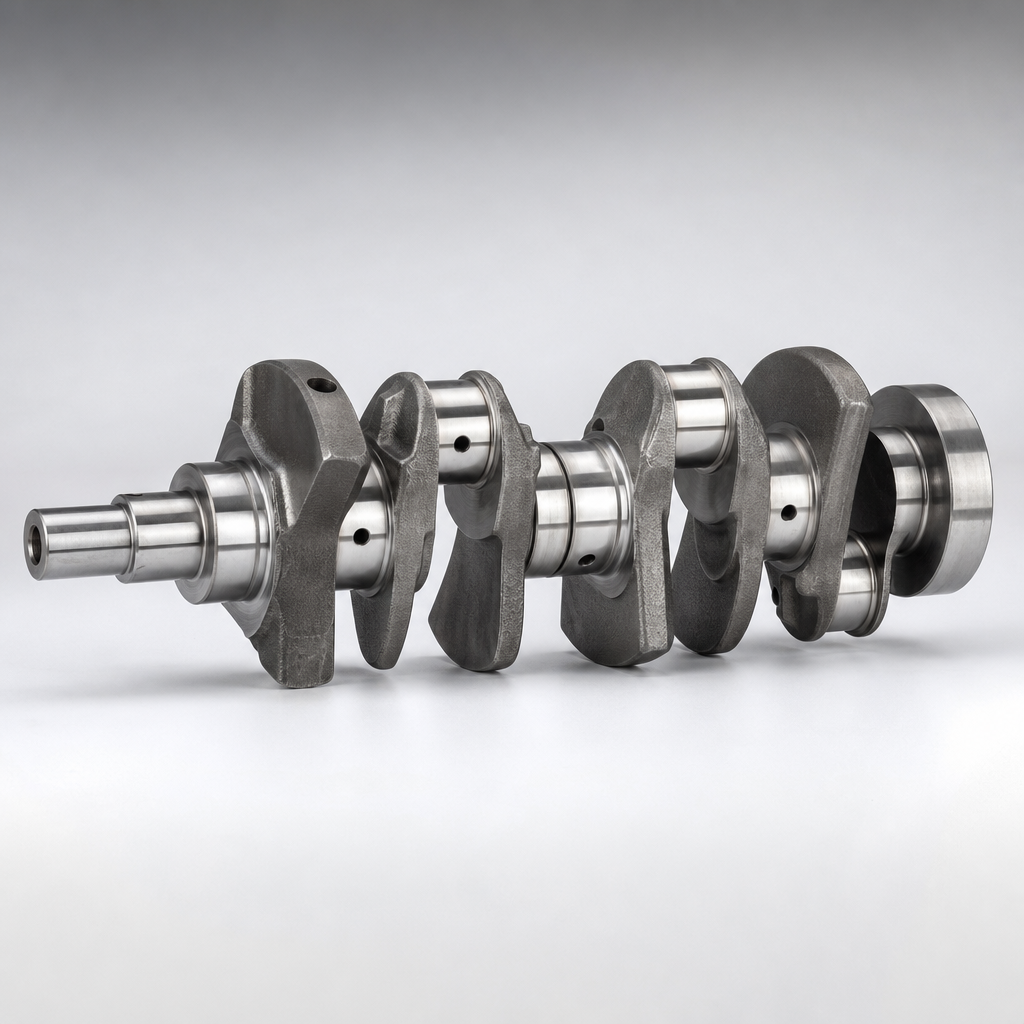
Cylinder head damage: bent valves, damaged guides, cracked lifters, rocker damage, and impact-related timing deviation add cost quickly. On many 4-cylinder interference engines, 8-16 valves may be involved. On V6 and V8 platforms, exposure is higher.
Regional labour rate: workshop rates can range from roughly USD 45-80 per hour in lower-cost markets to USD 110-180+ in North America, Western Europe, and Australia.
For buyers, it helps to split the repair into four cost buckets:
1. Diagnosis and strip-down: often 1.0-3.0 hours. 2. Timing kit and fluids: commonly USD 80-300 distributor buy cost depending on application and kit completeness. 3. Head repair parts and machine work: often USD 250-1,200+ depending on valve count, guide wear, and resurfacing. 4. Reassembly labour: usually 5.0-15.0 additional hours depending on access and damage severity.
This is where sourcing decisions get more serious than unit price. A low-cost belt-only offer with MOQ 50 may look efficient, but if the buyer still has to source tensioners, idlers, seals, and pumps separately, the actual repair basket cost and claim exposure usually rise. A complete kit with MOQ 200-500 and a 35-50 day lead time may reduce invoice variation and improve fill rate on urgent jobs.
Useful comparison points:
Ex-works unit price versus complete repair basket cost
MOQ per SKU versus the number of slow-moving applications in the range
Standard lead time versus emergency reorder lead time
Warranty reserve rate versus nominal purchase savings
Dimensional tolerance control versus return risk
In short: the cheapest belt is often the most expensive programme. For post-failure supply, buyers should weigh kit completeness, dimensional consistency, traceability, and supplier process control under IATF 16949:2016 and ISO 9001:2015. Practical checks include belt pitch tolerance, pulley runout, bearing noise screening, tensioner damping consistency, and lot-level material traceability.
Compare the Two Purchasing Cases Before You Stock Anything
A scheduled timing belt replacement and a timing belt failure repair are not the same commercial event. One is forecastable maintenance. The other is an unstable repair with uncertain scope.
That difference affects stocking strategy, service-kit design, and the final invoice.
Item
Preventive timing belt service
Post-failure repair
Main trigger
Mileage or time interval, often 60,000-120,000 miles or 5-8 years depending on engine
Sudden no-start, stall, noise, engine damage
Core parts
Belt, tensioner, idlers
Belt kit, water pump, seals, gasket set, possible valves
Labour scope
Limited front-end disassembly and retiming, often 2.5-7.0 hours
Diagnosis, teardown, compression check, head removal, rebuild, often 8.0-20.0+ hours total
Damage risk
Low if service is completed on time
High on interference engines
Cost variability
Moderate and predictable
High and inspection-dependent
Downtime
Planned, usually same day
Unplanned, often 2-7 days if machining or special-order parts are needed
Purchasing approach
Routine stocking
Rapid-response parts availability
</tr></thead><tbody> </tbody></table>For distributors and repair chains, that table drives inventory policy. Preventive demand supports standard timing kits and normal replenishment cycles. Failure repairs usually need a wider basket: head gaskets, head bolts where specified, valve stem seals, front crank seals, and cooling-system parts if pump seizure played a role.
Preventive replacement usually allows:
Higher forecast accuracy based on mileage demand
Container or mixed-SKU buying to reduce freight per set
Lower safety stock on emergency-only items
Longer acceptable lead times, often 30-60 days
Post-failure repair usually requires:
Short-fill resilience on high-incidence applications
Local stocking of gasket sets, bolts, and valves in addition to belt kits
Supplier response windows of 24-72 hours for missing-parts confirmation
Lower MOQ logic on low-volume head components, even when unit cost is higher
A simple example shows the gap. A preventive kit bought at USD 42-95 distributor cost may support a retail workshop job of USD 350-900. A failure repair on the same engine can add USD 180-650 in head parts and machining plus 6-12 extra labour hours, pushing the invoice into the USD 1,500-2,800 range. Less accessible engines can go higher.
That is why this timing belt failure repair cost guide should not be used like a standard maintenance article. It is a damage-scope guide. Where fitment programmes include engine parts, buyers may also want to align timing system offerings with related items in our catalog and engine components.
Read the Failure Pattern First: Symptoms, Causes, Then Inspection Order
Workshops do not price these jobs from the broken belt alone. They price from the failure pattern.
Buyers should understand that sequence because warranty screening depends on root cause, not just visible damage.
Common symptoms
Engine cranks faster than normal and does not start
Sudden engine stall while driving
Misfire, poor compression, or unstable idle before complete failure
Slapping, chirping, or grinding noise from the timing cover area
Visible fraying, glazing, cracking, or missing teeth
Coolant or oil residue inside the timing cover area
Frequent root causes
Expired service interval: age hardening and fatigue after excessive mileage or calendar time; many failures appear after the stated interval has been exceeded by 15-40%.
Incorrect tension: under-tension can allow tooth jump; over-tension can overload bearings. On automatic tensioners, a pointer outside the specified window after two crank rotations is a common rejection point.
Contamination: oil or coolant can degrade belt material and weaken tooth engagement. Even a small cam or crank seal leak can cut service life sharply.
Seized rotating parts: idler, tensioner, or water pump bearing seizure can strip teeth or snap the belt. Roughness, noise, or blue heat marks usually support the diagnosis.
Pulley misalignment: bracket wear, installation error, or dimensional inconsistency in related hardware. Around 0.3-0.5 mm at the pulley plane can be enough to create edge wear on some systems.
Installation error: incorrect torque, reuse of prohibited single-use fasteners, or a flawed timing procedure.
A disciplined inspection workflow keeps the job from drifting into unnecessary parts replacement:
1. Confirm cranking behaviour and record the complaint, including speed, noise, stall condition, and last service mileage. 2. Remove covers and inspect belt path, tooth condition, tensioner position, and debris pattern. Record missing-tooth zones, edge fray width, and polished back-face marks. 3. Check for oil leaks from camshaft or crankshaft seals and for coolant tracks from the water pump vent or gasket area. 4. Rotate the engine only where safe and consistent with service procedures. Do not force rotation if valve contact is suspected. 5. Perform compression or leak-down testing where feasible. Leak-down above roughly 20-30% on multiple cylinders after a belt event usually supports head removal on interference engines. 6. Measure pulley alignment, inspect idler and tensioner bearings by hand, and verify whether mounting faces show burrs, fretting, or bracket distortion. 7. On suspected interference damage, inspect the cylinder head and valve train before approving a belt-kit-only repair. 8. Document all returned parts by lot code, vehicle mileage, service date, and installation history for claim review.
For supplier-quality teams, the inspection sequence should tie back to measurable acceptance criteria:
Belt width within drawing tolerance, often around +/-0.3 mm depending on application
Tooth pitch consistency checked over a defined sample length
Pulley radial runout held to low tenths of a millimetre
Bearing rotational smoothness with no rough spots, excess axial play, or grease leakage
Tensioner pointer or setting window aligned to reference after manual rotation
Documentation matters too. Chemical reporting and restricted-substance control should align with REACH (EC) No 1907/2006 where applicable. In a timing belt failure repair cost guide, this section matters because the first failure pattern often decides whether the repair stays inside a kit replacement or expands into engine work.
What Actually Needs Replacing After a Belt Lets Go
A reliable estimate is built around system replacement, not belt substitution.
Many repeat failures happen because a worn supporting component stays in service after the original event. The first invoice looked cheaper. The second one is the problem.
Recommended replacement scope after failure typically includes:
Timing belt
Tensioner assembly
Idler pulleys and guide pulleys
Water pump if driven by the belt or if bearing condition is uncertain
Front crankshaft seal and camshaft seals where leakage is present
Timing cover gaskets and related sealing parts
Cylinder head gasket set if the head is removed
Valve stem seals, valves, guides, or hydraulic lash components as required by inspection
Head bolts if a torque-to-yield design applies
Fresh coolant and, where contamination occurred, engine oil and filter
For buyers sourcing repair kits, the most useful checkpoints are technical, not promotional:
Belt tooth profile accuracy and pitch consistency
Cord material control and tensile-strength validation
Pulley bearing durability under heat and load
Tensioner functional stability over temperature cycles
Seal material compatibility with oil and coolant exposure
Batch traceability and incoming material control
The commercial gap between incomplete and complete kits is large.
Kit level
Typical content
Typical B2B use case
Belt set
Belt only or belt + 1 tensioner
Price-sensitive maintenance, weak fit for post-failure work
Timing kit
Belt + tensioner + idlers
Standard preventive service
Timing kit + pump
Belt + tensioner + idlers + water pump + gasket/O-ring
High-volume workshop demand
Failure repair support pack
Timing kit + pump + seals + head gasket set + bolts where needed
Fleet, repair-chain, or urgent rebuild programme
</tr></thead><tbody> </tbody></table>Typical sourcing logic by component category:
Timing belt kit MOQ: often 100-500 sets per SKU for private label, lower for stock-brand programmes
Water pump MOQ: often 50-300 units depending on housing type and machining complexity
Valve set MOQ: often 200-1,000 pieces, so mixed purchasing across applications may be necessary
Head bolt set MOQ: often 50-200 sets, with lower risk when the application mix is narrow
Lead time: 30-45 days for standard kits, 45-75 days for mixed programmes or custom packaging
Buyers should ask for more than a generic specification sheet. The better questions are about process control:
Incoming inspection records for belt compound, cord material, and pulley bearings
PPAP-style dimensional reports on critical interfaces for private-label projects
Dynamic or endurance validation of tensioners and bearings under heat cycling
Seal material verification, such as NBR, HNBR, or FKM selection by exposure level
Packaging controls that prevent belt deformation, moisture exposure, and impact damage in transit
Suppliers should be able to explain how the parts are validated and how deviations are controlled within their quality system. For private-label programmes or application-specific repair bundles, custom manufacturing may also be relevant. In any timing belt failure repair cost guide, replacement scope is one of the main reasons estimates rise after teardown.
How Procurement Teams Cut Repeat Failures, Claims, and Airfreight Pain
Timing system failures become expensive when the downstream process is weak. That usually means incomplete kits, poor catalogue control, weak traceability, or inconsistent service procedures across locations.
Procurement can reduce that risk before the first order is placed.
Recommended supplier evaluation points:
Certification: verify IATF 16949:2016 and ISO 9001:2015 status.
Kit completeness: confirm whether bolts, seals, and pump gasket hardware are included.
Dimensional control: request critical dimensions and inspection records for belts, pulleys, and tensioners.
Traceability: require batch coding from raw material to finished goods.
Failure analysis support: ask whether the supplier can review returned parts and installation evidence.
Application review: ensure catalogue mapping is controlled to reduce misapplication risk.
Packaging integrity: moisture protection, contamination control, and handling protection matter for elastomer-based parts.
Catalogue discipline matters as much as hardware quality. If a product line references an OE number already supplied by the customer, the format should stay generic, such as OE 06A107065, without implying vehicle manufacturer approval or endorsement.
A workable approval gate looks like this:
1. Define the target application list by engine code, production year range, and OE cross-reference. 2. Confirm critical dimensions and tolerances for belts, pulleys, and tensioner interfaces. 3. Approve kit content down to washers, studs, O-rings, and single-use bolts. 4. Agree MOQ, reorder point, and standard lead time for each demand tier. 5. Establish a return-material process with required photos, mileage, lot code, and fitting evidence. 6. Set a claim review SLA, typically 5-10 working days for first response on urgent field cases.
Commercial controls should also be compared directly:
Lower MOQ vs higher unit price: useful for broad, slow-moving application ranges
Higher MOQ vs lower unit price: useful for fleet-standardised engines and stable annual volume
Shorter lead time vs limited customisation: useful for emergency fill and branded stock programmes
Longer lead time vs custom kitting: useful when the buyer wants a bundled post-failure repair solution
A simple risk-cost model helps here. If a complete kit costs USD 18 more than a partial kit but avoids even a 2-3% repeat teardown rate on a job carrying USD 600-1,200 labour exposure, the more complete offer is usually cheaper across a 12-month claim cycle.
Buyers should track:
Fill rate on A-mover timing kits
Return rate by lot and application
Average claim value per 1,000 kits sold
Percentage of claims tied to misapplication versus true product defect
Emergency airfreight spend caused by missing kit content
Driventus supplies aftermarket engine and powertrain components for international B2B customers across 60+ countries. Buyers assessing timing-related sourcing projects can also review adjacent service parts through our catalog. In the context of a timing belt failure repair cost guide, these controls matter because repeat failures are often caused by fitment error, incomplete kits, or weak traceability rather than by the belt alone.
Frequently asked questions
No. On non-interference engines, damage may be limited to belt-drive components. On interference engines, piston-to-valve contact is common and can require cylinder head repair or more extensive engine work. In buyer terms, the difference can be a few hundred dollars versus several thousand, so inspection has to come before parts approval.
Usually yes if the pump is driven by the timing belt, shows leakage, noise, bearing play, or has an uncertain service history. The extra part cost is normally small compared with repeat labour, and replacing it during the same job reduces the chance of a second teardown and a higher total timing belt failure repair cost.
Request certification status, a full kit content list, critical-dimension control data, traceability method, warranty process, and application coverage. Ask for MOQ, standard lead time, emergency reorder capability, and evidence of tolerance control on belts, pulleys, and tensioners. For regulated markets, confirm relevant material compliance documentation, including REACH where applicable.
If you are reviewing timing system supply for distributors, repair groups, or private-label programmes, we can help assess kit scope, tolerance control, MOQ options, and manufacturing controls. Use our contact page to [request a quote](/contact.html).