radiator · 2026-06-13

Radiator Cost Replacement: What Buyers Should Check

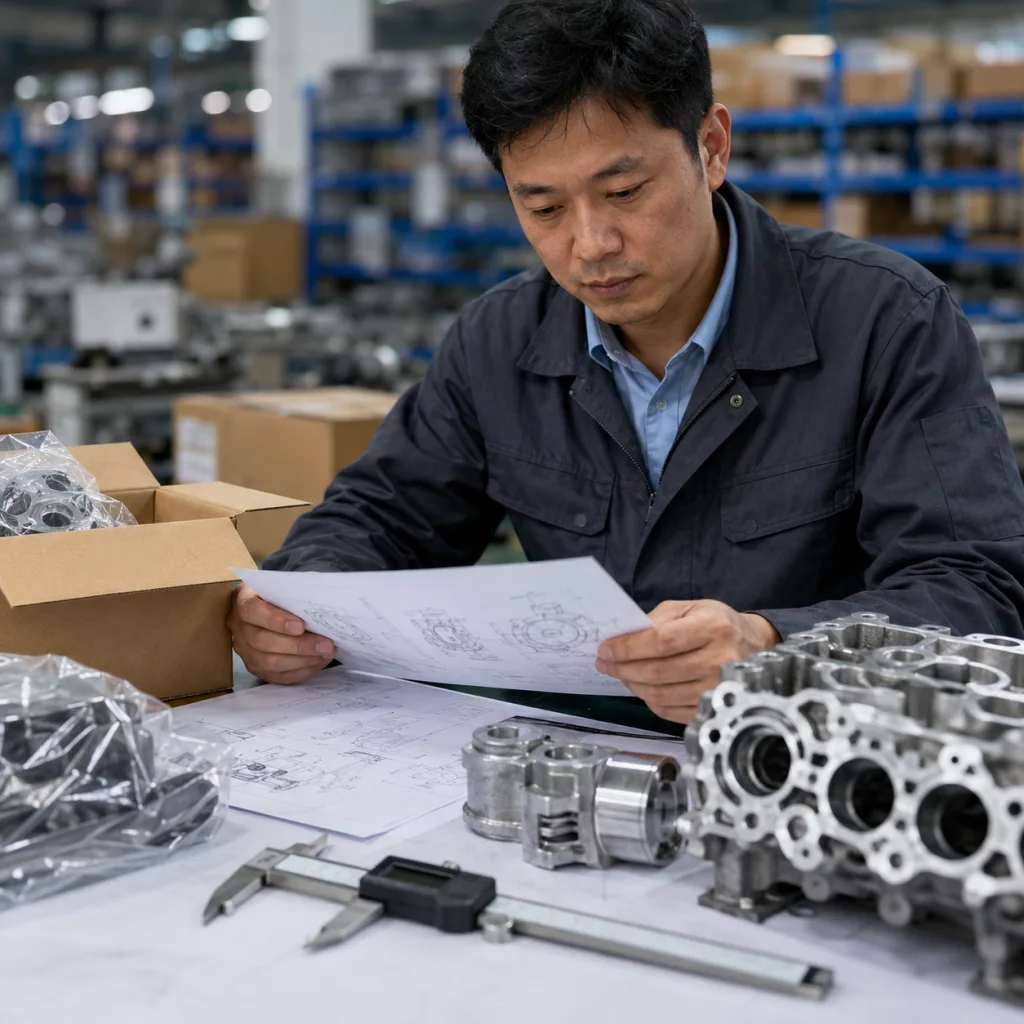
Radiator cost replacement is usually driven by more than the unit price. Procurement teams should compare OE-equivalent dimensions, core construction, header tank material, pressure rating, and validation evidence before treating two offers as equal. A low quote can turn into a higher landed cost if mounting points do not match, hose connections need adaptation, or failure rates create repeat labour and freight charges. For distributors, repair chains, and import managers, the correct comparison starts with fitment data and ends with total cost per service event. Driventus is an independent aftermarket manufacturer; brand names are referenced for fitment only. Our focus is on dimensional match, stable supply, and documented quality controls under IATF 16949:2016 and ISO 9001:2015.

What drives radiator replacement cost

The purchase price is only one part of the final number. In radiator sourcing, the main cost drivers usually include:

  • Core type: aluminium/plastic, all-aluminium, or copper-brass
  • Tube and fin geometry: influences heat transfer performance and material usage
  • Tank design: moulded plastic tanks often cost less than welded metal assemblies in many applications
  • Mounting features: brackets, shrouds, sensor ports, and transmission cooler fittings
  • Testing scope: pressure testing, leak testing, and dimensional inspection
  • Packaging and freight: bulky parts are sensitive to volumetric shipping cost

A buyer comparing two quotes should first confirm that the suppliers are quoting the same specification. A radiator built to match OE dimensions and connection layout may cost more than a generic unit, but it often reduces installation time and avoids rework. That is the key issue in radiator cost replacement: the cheapest unit is not always the lowest-cost replacement over the full service cycle.

Cost comparison by construction type

Construction choice has a direct effect on tooling, material cost, durability, and fitment. The table below gives a practical procurement view.

</tr></thead><tbody> </tbody></table>For fleet operators and repair chains, the best value is usually the design that matches the vehicle duty cycle and installation labour. For wholesalers, the deciding factor is often SKU coverage versus failure risk. Driventus can support both catalogue supply and custom manufacturing through our catalog and custom manufacturing capabilities.

OE-equivalence matters more than list price

If the radiator does not match the vehicle package, the apparent saving disappears. Procurement teams should verify the following before purchase:

1. Overall height, width, and thickness 2. Core size and fin density 3. Inlet and outlet diameter, angle, and position 4. Mounting lug locations and bracket style 5. Filler neck or cap specification, if applicable 6. Transmission cooler connections, if fitted 7. Fan shroud and sensor provisions

OE cross-reference is especially important when ordering by vehicle application rather than by drawing. If your part file already uses an OE number, keep that reference in the enquiry record, for example OE 06A107065. The part should still be validated against the physical sample or drawing before release.

A supplier should also state whether the part is built as a direct replacement, a near-equivalent, or a modified fitment. That distinction affects both installation time and warranty exposure.

Testing and standards buyers should request

Documented testing reduces the risk of hidden field failures. For radiator procurement, request evidence that covers both process control and performance validation.

  • IATF 16949:2016 and ISO 9001:2015 for quality management
  • Pressure and leak testing records for each production batch or defined sample plan
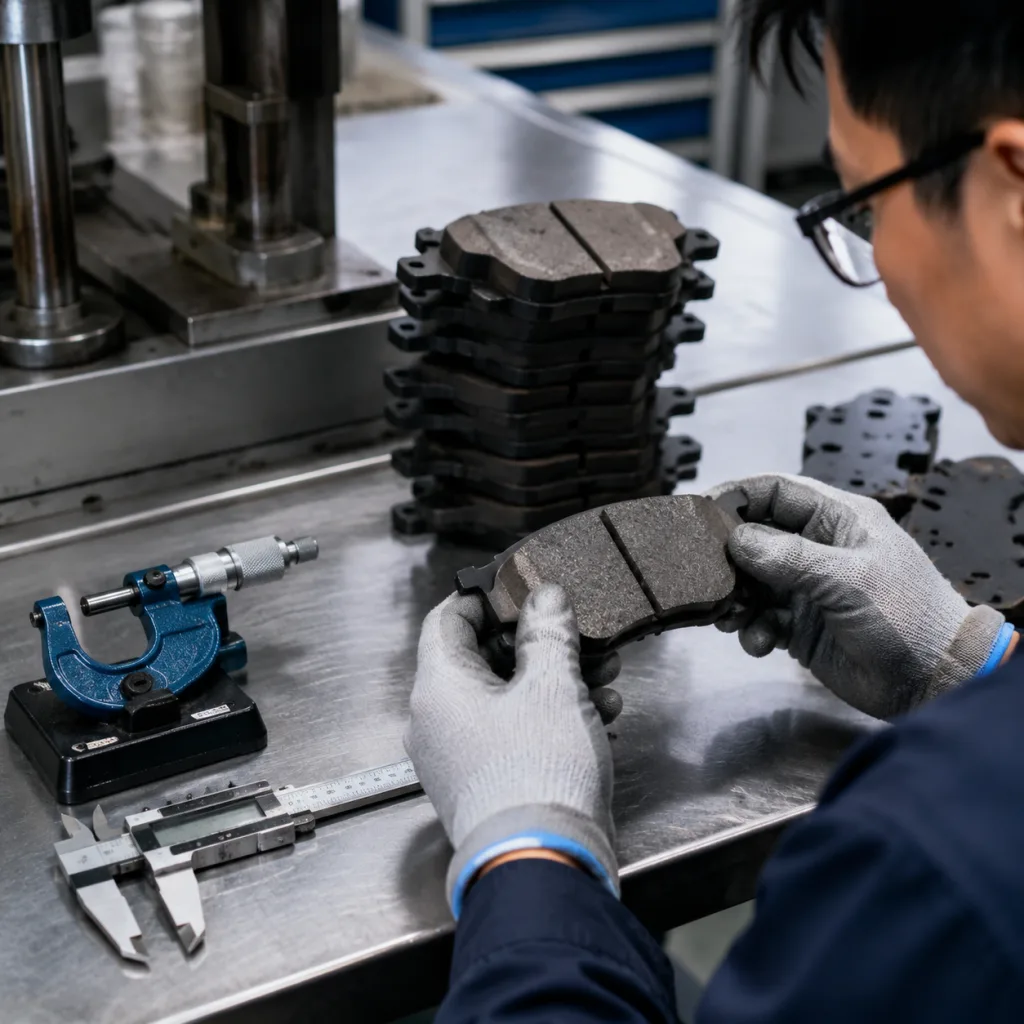
  • Dimensional inspection reports against controlled drawings
  • Material declarations for aluminium, plastics, brazing alloys, and seals
  • REACH (EC) No 1907/2006 compliance statements for EU supply chains
  • Packaging and corrosion protection requirements for sea freight

If the radiator is part of a broader cooling package, buyers may also ask for fitment checks that align with vehicle cooling performance expectations. For aftermarket supply into regulated markets, documented test data is more useful than verbal assurance. Driventus publishes its quality system information so sourcing teams can review controls before placing volume orders.

How to compare quotes on total landed cost

A clean quote comparison should use the same basis for all suppliers. Compare these items side by side:

Construction type Typical cost position Main advantages Main trade-offs
Aluminium/plasticLower to midLightweight, common OE-style design, broad application coveragePlastic tanks can age under heat cycling
All-aluminiumMid to higherBetter thermal stability, stronger tank construction, good for severe-duty useHigher fabrication cost, may need tighter fitment control
Copper-brassHigherRepairable, good thermal performance in some legacy applicationsHeavier, less common in modern passenger vehicles

</tr></thead><tbody> </tbody></table>When teams evaluate radiator cost replacement, they should calculate cost per successful installation, not just purchase price. A slightly higher-priced radiator can be cheaper if it arrives without damage, fits without modification, and holds pressure in service. For programmes that need private-label packaging, region-specific hose necks, or special coatings, custom manufacturing is often the most efficient route.

Buying guidance for distributors and repair chains

Distributors usually need broad SKU coverage, consistent carton labelling, and reliable replenishment. Repair chains care more about installation speed, reduced comebacks, and predictable fitment. OEM and Tier-1 buyers need controlled drawings, PPAP-style documentation, and stable process capability. Those priorities change the buying decision more than the headline price does.

For most programmes, the best practice is to lock three things before launch:

  • Approved drawing or sample sign-off
  • Test evidence and material declaration
  • Forecasted MOQ, lead time, and replenishment plan

If the radiator will be sold across multiple markets, check regional compliance, hose connection preferences, and packaging language early. That avoids SKU fragmentation and margin loss later. Buyers can review available applications in our catalog and contact the team for application matching or drawing review through request a quote.

Frequently asked questions

Cost changes with material, core size, connection layout, testing scope, and freight. Two parts can look similar but differ in fitment accuracy and warranty risk.

Not by default. The lower quote can become more expensive if it needs adaptation, has damage in transit, or creates repeat labour. Compare total landed cost.

Ask for dimensional data, material declarations, pressure or leak test evidence, and quality certifications such as IATF 16949:2016 and ISO 9001:2015.

If you are comparing specifications, pricing, or OE cross-references for a radiator programme, send your target application and volume estimate via /contact.html.

Request a Quote
Cost item What to verify Why it matters
Unit priceSame part number and same drawing revisionPrevents false comparison
ToolingOne-time versus amortised chargeAffects first-order cost
PackagingCarton strength, pallet count, anti-corrosion protectionReduces transit damage
Freight termsFOB, CIF, DAP, or another IncotermChanges landed cost
Lead timeProduction plus transit timeImpacts stock cover
WarrantyCoverage period and claim processLowers downstream risk