oxygen sensor · 2026-06-13

Front Oxygen Sensor Replacement for B2B Buyers

Front oxygen sensor replacement is a high-volume aftermarket category because upstream sensors work in one of the harshest areas of the exhaust system. They are exposed to rapid heat cycling, exhaust chemistry, vibration and contamination from engine faults or poor installation practices. For distributors, repair chains and importers, the purchasing risk is therefore broader than unit price. Each sensor must match the OE connector, cable length, thread, seat design, heater circuit and signal behaviour closely enough to prevent installation delays, diagnostic trouble codes and avoidable warranty returns.

This guide sets out the sourcing checks procurement teams should use before adding an upstream oxygen sensor range to stock. It covers OE-equivalence, dimensional verification, validation testing, traceability, packaging and documentation for cross-border supply. Driventus manufactures engine and powertrain components in Taizhou, Zhejiang, and exports to more than 60 countries. Production is managed under IATF 16949:2016 and ISO 9001:2015. Driventus is an independent aftermarket manufacturer; brand names and OE references are used for fitment identification only.

Why upstream oxygen sensors need tighter replacement control

The front oxygen sensor is installed before the catalytic converter and is used by the engine control unit for closed-loop fuel correction. Because it sits upstream of the catalyst, it faces higher exhaust temperature and reacts continuously to mixture changes. Even small differences in switching speed, heater performance or gas exposure can influence fuel trim, emissions readiness monitors and catalyst protection strategy.

For procurement teams, the most common failure modes are predictable:

  • Heater open circuit or heater resistance outside the specified range
  • Slow rich-to-lean or lean-to-rich switching response
  • Contamination from silicone, coolant, oil ash or fuel additives
  • Damaged connector locks or incorrect pin orientation
  • Cable insulation hardening from exhaust heat exposure
  • Incorrect thread length, seat geometry or wrench hex size

A replacement programme should treat the sensor as an electrical and emissions-control component, not as a simple exhaust fitting. Product selection needs to combine verified application data, OE part-number cross-references where available, installation geometry and production controls. Buyers can review range coverage through our catalog before requesting application-level data.

Fitment checks before approving a replacement range

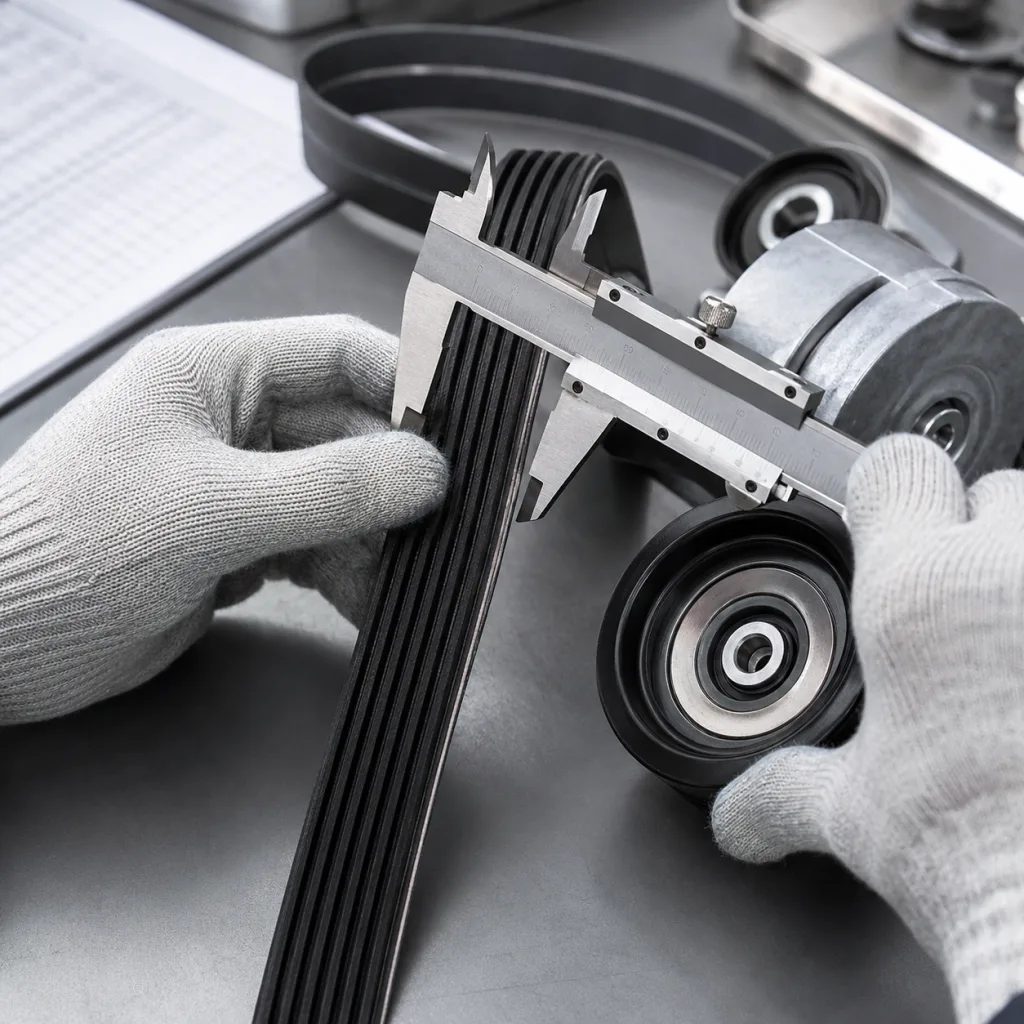
Dimensional match is the first barrier against field returns. Two sensors may look almost identical on a product photo, yet one can fail at the work bay because the connector housing, wire routing clip, cable length or protective sleeve does not match the vehicle harness and exhaust layout.

</tr></thead><tbody> </tbody></table>Procurement teams should request a dimensional report for each high-volume SKU, especially where one sensor family covers several connector and harness variants. For repair chains, fitment accuracy also affects labour cost: the wrong connector or cable route can turn a routine replacement into a repeat visit.

Packaging and installation details deserve the same attention. Correct cable clips, controlled anti-seize application and clear position labelling reduce technician errors at bay level. Where buyers supply a reference sample or drawing, Driventus can support custom manufacturing for connector, harness and packaging requirements without claiming vehicle manufacturer approval.

OE-equivalence and validation testing

A front oxygen sensor replacement programme should be validated against functional requirements, not only static dimensions. The goal is stable signal behaviour, correct heater performance and durability through repeated thermal cycles. For narrowband sensors, this means reliable rich/lean switching; for wideband air-fuel ratio sensors, it means the specified output behaviour and heater control compatibility for the application.

Typical validation items include:

Check item Procurement requirement Why it matters
Thread specificationMatch application drawing or sample, commonly M18 x 1.5Prevents exhaust bung damage and sealing leakage
Seat typeConical or gasket seat as specifiedAvoids exhaust gas leaks and false readings
Cable lengthControlled to drawing tolerancePrevents tension, chafing or contact with hot surfaces
ConnectorHousing, keyway, lock and pin count matchedAvoids installation refusal and intermittent signal faults
Heater circuitResistance window verified by part numberSupports cold-start closed-loop operation
Sensor element typeZirconia narrowband, wideband or other specified typePrevents ECU incompatibility
Protective tubeHole pattern and length matchedControls gas exposure and response time

</tr></thead><tbody> </tbody></table>Published quality standards such as IATF 16949:2016 and ISO 9001:2015 support process discipline, document control, corrective action and traceability. They do not, by themselves, prove that one sensor is correct for one engine application. Buyers should ask for part-level control plans, inspection reports and change-notification procedures.

For EU and UK supply, material declarations may be requested in relation to REACH (EC) No 1907/2006. For emissions-sensitive applications, vehicle compliance frameworks such as ECE R-83 may influence customer validation expectations. Procurement files should clearly separate component test evidence from any regulatory claim about the finished vehicle.

Specification data buyers should request

A complete technical file reduces disputes between purchasing, engineering, sales and warranty teams. For each upstream oxygen sensor SKU, buyers should request enough data to confirm interchangeability before launch and shipment consistency after release.

Recommended sourcing specification:

  • Application list with engine code, model year range and sensor position
  • OE cross-reference format where applicable, such as OE 06A… or OE 11251… when supplied by the buyer
  • Sensor type: narrowband zirconia, titania or wideband air-fuel ratio sensor
  • Thread, seat type, overall length, cable length and hex size
  • Connector housing drawing or approved sample confirmation
  • Pin assignment and heater circuit information
  • Operating temperature range for shell, cable and connector zone
  • Protective tube design and shell material
  • End-of-line test items and sampling plan
  • Packaging label format, barcode requirement and country-of-origin marking
  • Batch traceability method and retention period

The cross-reference process should be conservative. Do not rely on a single public interchange list for market launch. Cross-check samples, application data, connector images, OE supersession logic and customer fitment history. A range that is accurate for most applications can still create costly returns if the remaining mismatches involve high-volume fleet vehicles.

Driventus maintains process documentation through its quality system, including incoming inspection, in-process controls and final inspection records for export programmes.

Packaging, logistics and warranty control

Oxygen sensors can be damaged before they ever reach the vehicle. Connector locks may crack, threads can be contaminated, protective caps can loosen and cables may be bent beyond the recommended radius if packaging is not designed for export distribution and warehouse handling.

For B2B supply, packaging should be specified before the first purchase order. Individual boxes need to protect the sensor shell, threaded tip, connector and cable routing. Labels should identify part number, sensor position, batch code, barcode and country-of-origin information where required. Outer cartons should support mixed-SKU consolidation without crushing inner boxes or obscuring traceability labels.

Warranty control is equally important. A front sensor may be returned as defective when the actual cause is coolant contamination, exhaust leakage, incorrect installation torque, wiring damage, poor grounding or an unresolved fuel-system fault. Repair chains and distributors should collect basic return data: vehicle application, diagnostic trouble code, installation mileage, freeze-frame data where available and photos of the removed sensor tip.

A practical return analysis process separates supplier defects from application errors and external engine problems. This improves category profitability and helps engineering teams decide whether a SKU needs drawing revision, application correction, packaging improvement or installer guidance. For importers, the same evidence supports discussions on credit notes, replacement shipments and corrective action.

Supplier qualification for sustained replacement supply

A one-time sample approval is not enough for a high-volume sensor programme. Buyers should qualify the supplier’s ability to maintain consistent ceramic element sourcing, shell machining, harness assembly, connector procurement, protective-tube production and final electrical testing over repeated orders.

Key audit points include:

  • Certification to IATF 16949:2016 and ISO 9001:2015
  • Documented control plan for each sensor family
  • Lot traceability from ceramic element to finished carton
  • Calibration control for electrical and gas-response test equipment
  • Approved supplier management for connectors, wire and terminals
  • Change control for connector moulds, cable suppliers and protective tubes
  • Export packing procedure and mixed-container labelling control
  • Corrective action process with 8D reporting when required

For distributors, MOQ and lead time should be aligned with real turnover by region. High-runner SKUs may justify forecast-based production, while slower applications can be managed through periodic batch plans. For repair chains, continuity of connector design and packaging label format may matter as much as unit price because technicians work against time, diagnostic procedures and system part numbers.

Front oxygen sensor replacement sourcing is strongest when commercial terms and engineering controls are agreed together. The purchase specification should define what cannot change without buyer approval, including connector design, cable material, test method, packaging label format and approved production location.

Frequently asked questions

The front sensor is installed before the catalytic converter and helps control the air-fuel mixture. The rear sensor is usually installed after the catalyst and monitors catalyst efficiency. They may look similar, but signal behaviour, heater requirements, cable length, connector type and application position can differ.

Yes, but only when the sensor element, connector, cable length, heater circuit, thread, seat type and application data match. Buyers should verify cross-references with samples, drawings and fitment records. A visual match alone is not enough for release.

Request application data, dimensional reports, end-of-line test records, packaging specifications, batch traceability method and quality-system certificates. For regulated markets, material declarations related to REACH (EC) No 1907/2006 may also be required.

For application lists, samples or bulk supply discussions, procurement teams can request a quote through /contact.html.

Request a Quote
Validation item Typical method Acceptance focus
Heater resistanceElectrical test at controlled temperatureResistance within application-specific window
Insulation resistanceHigh-resistance electrical checkNo leakage between circuit and housing
Response timeRich/lean gas switching testFast and repeatable signal transition
Thermal shockHot exhaust simulation followed by cooling cycleNo cracking or signal drift
Vibration resistanceBench vibration by fixtureNo wire breakage or connector looseness
Salt spray exposureCorrosion exposure per agreed customer planThread and shell corrosion control
100% final inspectionEnd-of-line electrical and visual checksLot-level consistency before shipment