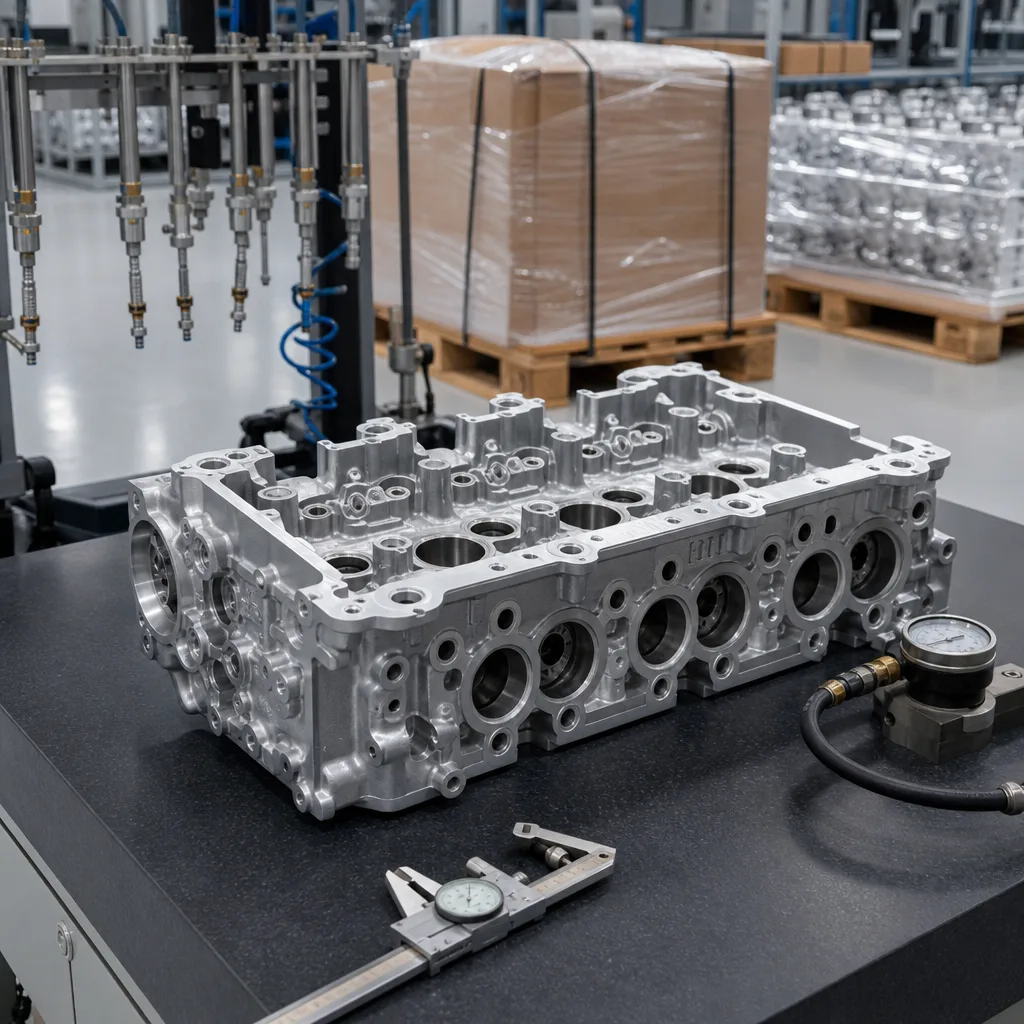
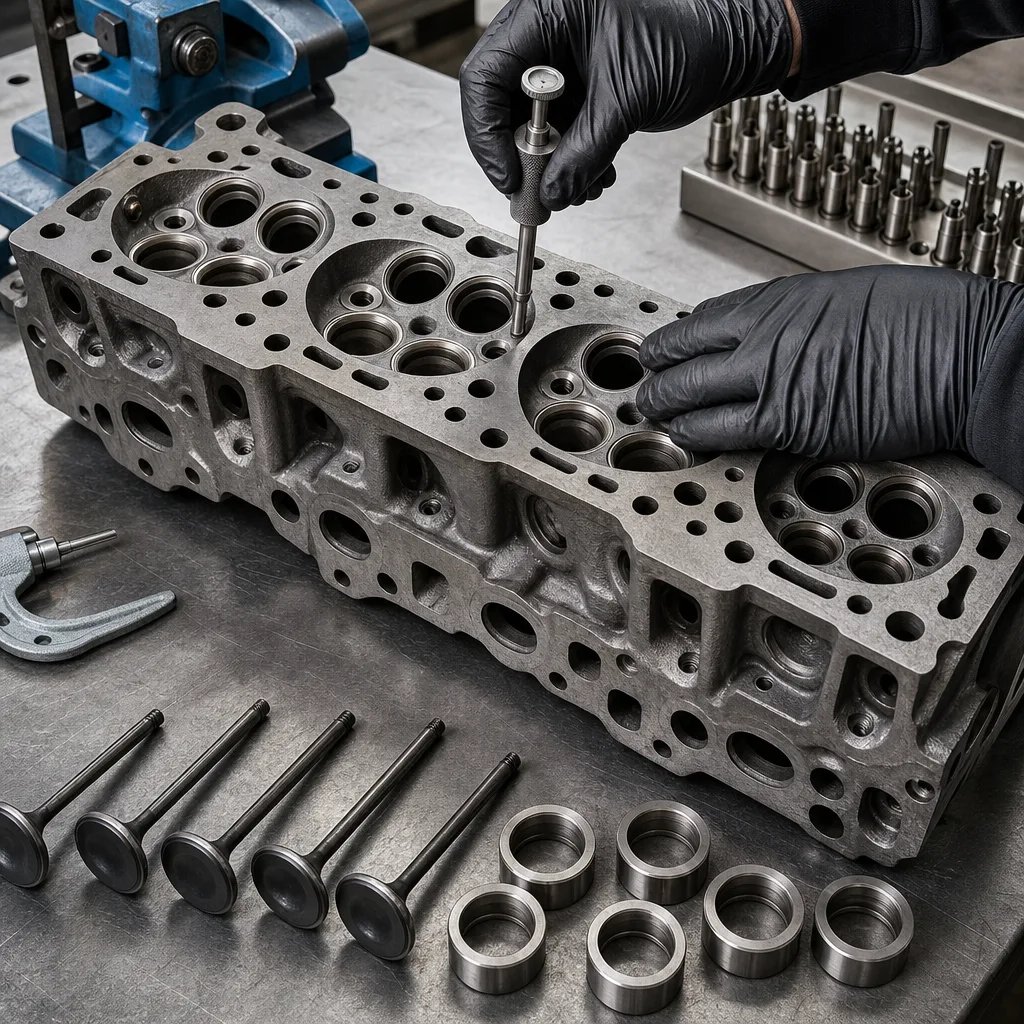
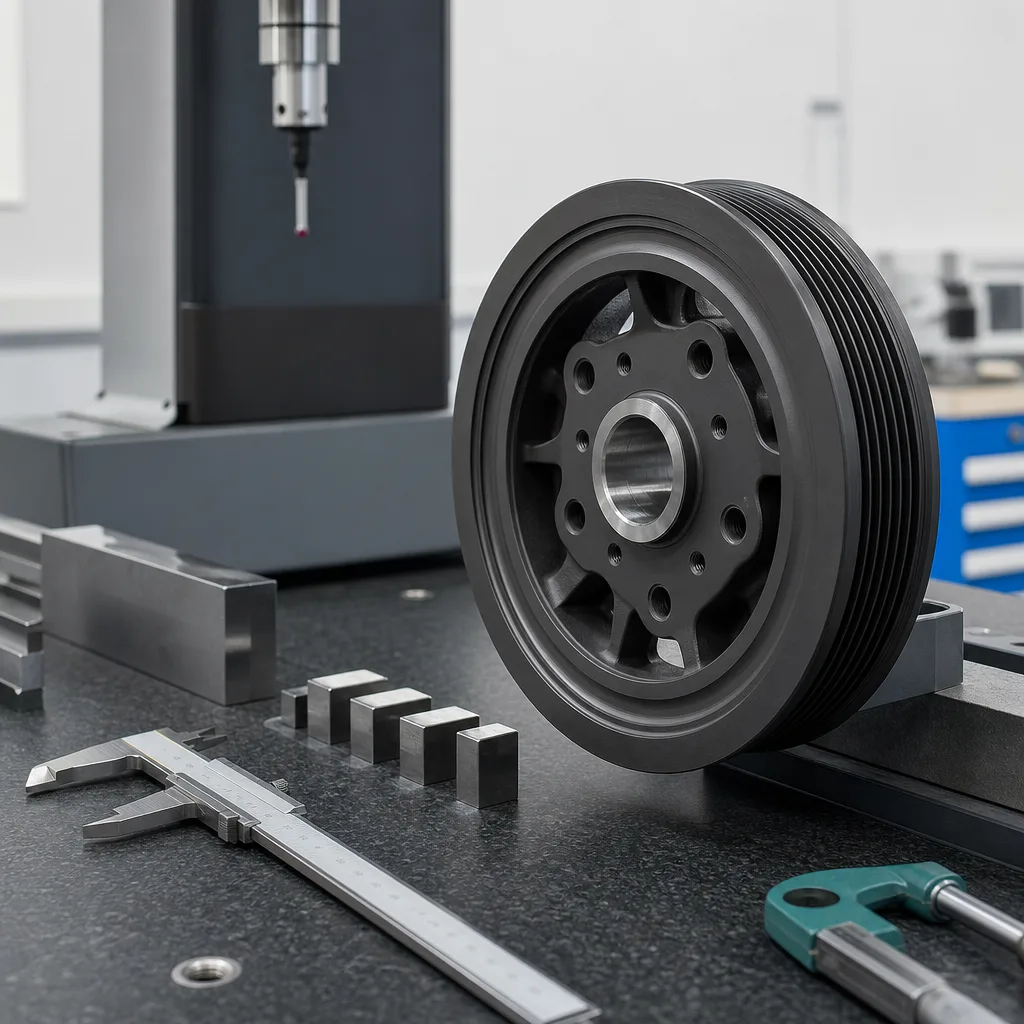
Procurement teams often search for a flywheel vs TRW alternative when an OE-style replacement is needed without relying on a single branded source. The key questions are not marketing claims. They are fitment, ring gear specification, inertia, mounting pattern, balance, heat treatment, and whether the part can pass validation in the target vehicle platform. For repair chains and distributors, supply continuity matters as much as dimensional match. For OEM and Tier-1 programs, documentation, traceability, and repeatable process control are mandatory. Driventus is an independent aftermarket manufacturer; brand names are referenced for fitment only. We manufacture engine and powertrain components in Taizhou, Zhejiang, and supply B2B buyers in more than 60 countries under IATF 16949:2016 and ISO 9001:2015 systems.
What buyers mean by flywheel vs TRW alternative
A flywheel comparison is usually a sourcing question, not a performance debate. Buyers want a part that matches the original installation geometry and operating load, while fitting a programme that may have used TRW-branded supply in some markets.
For procurement, the practical checks are:
Outer diameter and overall thickness
Crankshaft bolt pattern and pilot bore
Ring gear tooth count and tooth form
Starter engagement depth
Step height and clutch face runout
Static balance and mass tolerance
If the vehicle uses OE 06A107065, the replacement must be validated against the same mounting and functional dimensions before release to production or warehouse stock.
Side-by-side comparison for sourcing teams
Buying point
OE/TRW-reference flywheel
Driventus alternative
Fitment target
Vehicle-specific OE geometry
OE-matched, application-verified
Material base
Cast iron or steel, platform dependent
Cast iron or steel, application dependent
Balance control
OEM process window
Controlled balancing before shipment
Surface condition
OE machining standard
Machined clutch face and ring gear inspection
Documentation
Programme-specific
IATF 16949:2016 / ISO 9001:2015 traceability
Supply model
Brand channel dependent
B2B export supply, MOQ and lead-time agreed
</tr></thead><tbody> </tbody></table>The main trade-off is not quality versus price. It is source flexibility versus brand-specific channel control. For fleet repair and distribution, a validated alternative can reduce shortage risk while keeping the same fitment envelope.
Technical points to verify before substitution
A flywheel is a rotating energy-storage component, so small deviations can create noise, clutch chatter, or starter engagement issues. Before approving a replacement, confirm the following:
1. Mass and inertia — match the target application and engine calibration. 2. Ring gear specification — tooth count, module, and press fit must align with starter drive design. 3. Runout and face flatness — check against the clutch and transmission interface requirements. 4. Heat treatment and hardness — verify the material condition for wear resistance at the friction face. 5. Fastener interface — bolt size, seating angle, and torque sequence must match the engine family.
For export programmes, buyers should also request dimensional reports, hardness records, and batch traceability. Where relevant, we can build to REACH (EC) No 1907/2006 material compliance and customer-specific packaging or labelling requirements.
Validation standards and testing buyers should request
A credible supplier should be able to explain how the part is checked, not only how it is made. For flywheel sourcing, ask for process and test data linked to the shipment lot.
Common buyer requests include:
Incoming material verification
Machining inspection records
Dynamic balance reports
Dimensional inspection against drawing
Corrosion protection confirmation
Packaging integrity for sea freight and multi-stop distribution
Where programme requirements apply, reference published standards and customer specifications rather than informal acceptance rules. Driventus operates under IATF 16949:2016 and ISO 9001:2015. For a broader view of component sourcing, see our catalog and the engine-focused range at engine components.
When custom manufacturing is the better route
Some applications do not justify a catalogue-only approach. This is common when a fleet operator, distributor, or Tier-1 buyer needs a revised ring gear, a changed inertia value, or a packaging format for a regional programme.
In those cases, custom manufacturing is more efficient than forcing a near-match part into service. Typical reasons include:
Special flywheel tooth count or starter engagement geometry
Modified clutch interface for a regional transmission variant
Coating or surface finish requirement
Private-label packing for distribution networks
Consolidated sourcing across multiple platforms
We review drawings, samples, and target volumes before confirming feasibility, lead-time, and MOQ. This helps procurement teams decide whether a standard alternative or a programme-specific part is the lower-risk option.
Procurement checklist for RFQs and approval
Use a structured RFQ to reduce technical back-and-forth and avoid receiving a part that only looks similar.
Include these items in the enquiry:
OE reference, such as OE 06A107065 when applicable
Vehicle platform, engine code, and transmission type
Required balance grade or runout limit
Material preference and surface finish
Annual usage and forecast split by region
Packing, pallet, and carton labels
Test reports required before shipment
If you need a supplier review, ask for factory documentation, sample availability, and lead-time by batch size. You can also request a quote once the application data is complete. For process and document controls, review our quality system.
FAQ for buyers comparing alternatives
What is the main risk when replacing a branded flywheel with an alternative? The risk is dimensional or balance mismatch. If the mounting pattern, ring gear, or clutch face geometry differs, the part can create noise, vibration, or starter engagement faults.
Can Driventus match OE-style dimensions for export programmes? Yes, subject to application data and sample or drawing confirmation. We work from target dimensions, functional requirements, and agreed inspection criteria before production release.
Do you supply documentation for B2B sourcing teams? Yes. Typical documents include inspection records, batch traceability, and compliance support aligned with IATF 16949:2016 and ISO 9001:2015 requirements.
Frequently asked questions
The risk is dimensional or balance mismatch. If the mounting pattern, ring gear, or clutch face geometry differs, the part can create noise, vibration, or starter engagement faults.
Yes, subject to application data and sample or drawing confirmation. We work from target dimensions, functional requirements, and agreed inspection criteria before production release.
Yes. Typical documents include inspection records, batch traceability, and compliance support aligned with IATF 16949:2016 and ISO 9001:2015 requirements.
If you are comparing fitment, validation, or supply options for a flywheel programme, send the application data and we will review it with you. Start here: /contact.html