Exhaust Manifold vs NPR Alternative: Procurement Guide
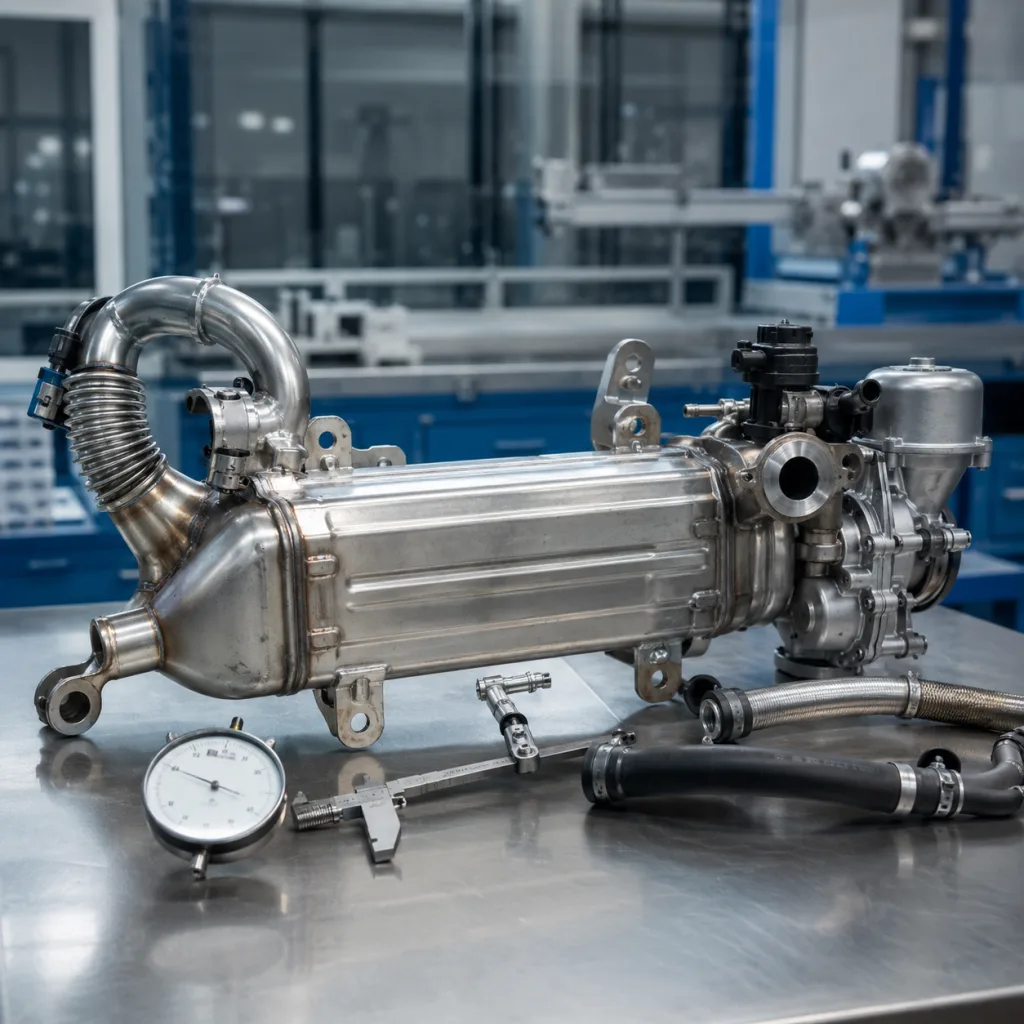
For buyers comparing an exhaust manifold vs NPR alternative, price is only the first filter. The real procurement question is whether the replacement matches the flange pattern, port alignment, thermal load, and installation envelope of the engine package it will sit on. A part that lands on the studs but shifts the runner angle by a few millimetres can create gasket leaks, turbo misalignment, heat stress, and repeated rework. Driventus is an independent aftermarket manufacturer; brand names are referenced here for fitment only. We support distributors, repair chains, and procurement teams that need documented dimensional control, stable metallurgy, and clear cross-reference discipline before they approve a sample or release a repeat order. This guide outlines the checks that matter, the trade-offs between material options, and the supplier evidence worth requesting before you sign off on production supply.
What buyers are really comparing
In procurement terms, this is usually a comparison between an OE-equivalent replacement and a catalogue alternative intended to fit the same engine family. The right decision should be based on geometry, material, and validation, not on the label on the box.
If the part is destined for a fleet, workshop chain, or distributor stock line, the critical question is whether it can be installed without rework and returned to service at normal torque values. If the geometry is off, the cost is not limited to the part price. It also includes labour, gasket waste, vehicle downtime, and possible damage to the turbocharger or adjacent pipework.
For reference browsing, see our catalog and, if you are sourcing a broader engine package, engine components.
Fitment checks that prevent returns
The fastest route to a high return rate is approving a manifold on appearance alone. These are the checks that should be confirmed against the control drawing or a verified sample:
| Check point | What to verify | Procurement risk if missed |
|---|---|---|
| Port spacing and centreline | Match the cylinder head pattern within the agreed drawing tolerance | Leaks, misalignment, and gasket blow-by |
| Flange flatness | Confirm sealing face condition after machining | Warped flange, uneven clamp load |
| Bolt-hole position | Check hole pitch, diameter, and clearance | Fastener bind or partial engagement |
| Turbo outlet orientation | Confirm clocking, offset, and stop position | Interference with downpipe or heat shield |
| Sensor and EGR bosses | Verify boss count, thread type, and location | Rework, blanking, or emissions fault codes |
| Bracket lugs and support points | Match support geometry and thickness | Crack risk under vibration |