Engine Ticking Noise Engine Block: Diagnosis and Replacement
An engine ticking noise engine block complaint often begins as a light metallic tick at idle, on cold start, or under light load. From there, the sound may change with oil temperature, engine speed, or a cylinder cut-out test. The block is not always the source. Similar noises can come from injectors, lifters, rocker gear, timing components, piston slap, rod bearing wear, low oil pressure, or a cracked or distorted block that alters running clearances.
For procurement teams, rebuilders, and workshop networks, the real question is whether the block can be verified, machined, and reused, or whether replacement carries less risk once cost, turnaround time, and warranty exposure are considered. Driventus is an independent aftermarket manufacturer; brand names are referenced for fitment only. Our parts are supplied under IATF 16949:2016 and ISO 9001:2015 controlled processes, with dimensional and material checks aligned to customer requirements.
What an engine tick can tell you
A tick is a repeating, sharp mechanical sound. It usually follows engine speed, but the pattern shifts with the location of the fault. A top-end tick is typically lighter and faster. A bottom-end tick is often deeper and may be easier to hear at hot idle or under load. A block-related noise can seem to come from one bank, one cylinder position, or deep inside the crankcase.
Use the sound pattern to narrow the diagnosis before disassembly:
Bottom-end tick: rod bearings, main bearings, crankshaft contact, oil starvation
Block-related noise: cracked cylinder wall, bore wear, piston-to-bore clearance issues, deck sealing problems, coolant leakage into a combustion area
A listening test alone is not enough. If the noise is strongest near the engine block and changes when a cylinder is disabled, inspect the cylinder assembly, bore geometry, and main bearing structure more closely. A block problem becomes more likely when the tick appears with low oil pressure, coolant loss, misfire, metal in the oil filter, uneven compression, or a sound that worsens as the engine reaches operating temperature.
Common causes linked to the engine block
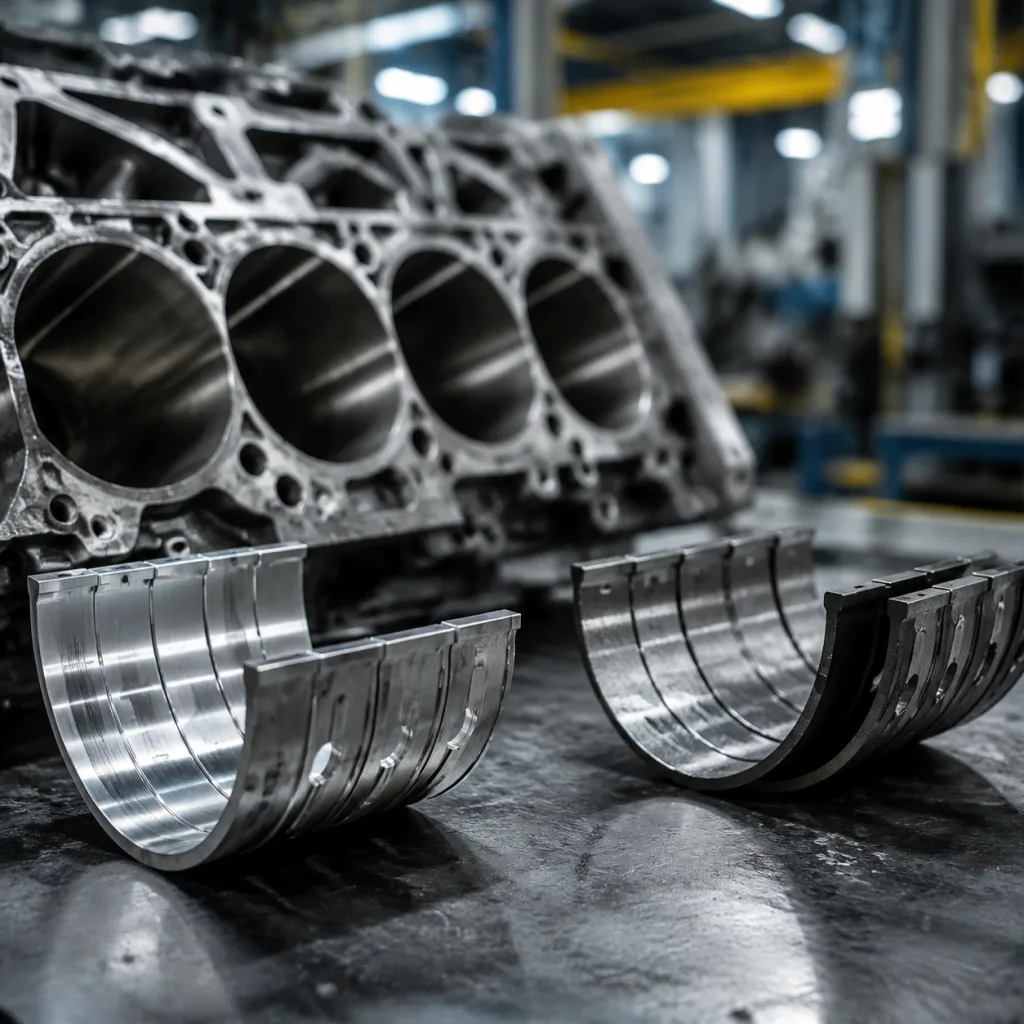
The block controls bore geometry, main bearing alignment, deck flatness, and the integrity of oil and coolant passages. When any of those features is damaged or outside tolerance, ticking can appear even when external components test normally. What starts as a light tick may point to a clearance issue that will worsen if the engine stays in service.
Cause
Typical symptom
Inspection method
Bore wear or taper
Tick at cold start that may reduce as the engine warms
Measure bore diameter, taper, and out-of-round with a dial bore gauge
Piston slap
Hollow tick from one bank or one cylinder, most obvious cold
Check skirt clearance and compare cold versus hot noise
Main bearing bore misalignment
Deep tick or knock at idle and light load
Verify main bore alignment and crankshaft journal clearance
Cracked cylinder wall
Intermittent tick, coolant loss, compression change, possible steam from exhaust
Top-end and bottom-end noise together, often with low oil pressure
Check oil pressure, gallery debris, and filter element for metal
Localized block damage from overheating
Mixed symptoms, warping, and repeated sealing failures
Measure flatness, inspect for heat damage, verify adjacent surfaces
</tr></thead><tbody> </tbody></table>In practice, treat the block as a structural component, not just a housing. If the bores, decks, or bearing saddles are no longer within specification, replacing individual wear items may only hide the problem for a short time. A qualified rebuild shop should confirm whether the block remains within machining limits before any reuse decision is made.
Inspection steps before replacement
Use a structured sequence instead of replacing parts at random. The aim is to separate a harmless external tick from internal block damage and collect enough evidence to justify a rebuild or replacement decision.
1. Verify the noise source. Use a mechanic’s stethoscope or electronic listening device on the block, cylinder head, timing cover, injector body, and oil pan. Compare the sound at each point and note whether it changes with rpm, load, or temperature. 2. Check oil condition and pressure. Confirm viscosity grade, contamination, and hot idle pressure against the engine specification. Low pressure or oil diluted with fuel can accelerate bearing and bore noise. 3. Read fault codes and freeze-frame data. Misfire, knock, cam, or oil-pressure related codes can identify the affected cylinder or the operating condition when the problem first appeared. 4. Perform compression and leak-down tests. A weak cylinder often indicates sealing issues, ring damage, bore scoring, or valve leakage. Compare all cylinders rather than relying on one value. A leak-down result that is significantly worse than the rest of the bank is more actionable than compression alone. 5. Inspect the oil filter and drain plug. Aluminium, ferrous, or bearing material in the filter or sump points to internal wear and helps determine whether the damage is progressing. Cutting the filter element open gives better evidence than inspecting the housing alone. 6. Borescope the cylinders. Look for scoring, polished thrust areas, cracking, coolant tracks, carbon wash patterns, and evidence of piston contact. Check the top ring travel area and the lower cylinder wall, where scoring often starts. 7. Measure the block. Check deck flatness, bore diameter, bore taper, bore spacing, main bore alignment, and thread condition. Compare measured values with OEM or rebuild limits, not visual appearance alone. Use a straightedge and feeler gauge for deck checks and a dial bore gauge for repeatable cylinder measurements.
Replacement decision points
Replace the engine block when:
Bore wear exceeds rebuild limits or cannot be corrected with the available overbore options
Cracks extend into a water jacket, main web, or deck surface
Main bearing alignment is out of tolerance after machining or line-honing
The block has suffered heat damage, distortion, or repeated sealing failure
Repair cost, lead time, and warranty risk are higher than a remanufacture or assembly swap
For sourcing teams, this is the point where technical findings need to be matched with availability, lead time, and dimensional fit. A fast supplier response only helps if the replacement block can be checked against the measured engine data.
What to specify when sourcing a replacement block
Choose a replacement block by fitment, machining condition, and documentation, not only by vehicle make and model. The more specific the application data, the lower the risk of receiving a part that belongs to the engine family but does not match the required build standard.
Match the application by:
Engine code and displacement
Bore size and oversize compatibility
Main bearing configuration and cap style
Oil gallery layout and plug locations
Sensor bosses, brackets, and mounting points
Deck height, piston compression height, and crankshaft journal compatibility
Coolant passage layout and head gasket interface
When an OE reference is available, include the part-number cross-reference in your RFQ, for example OE 06A107065. If the block will be machined after purchase, state whether you need a bare casting, a semi-finished block, or a fully machined unit with documented final inspection results.
Key purchasing checks:
Material type: cast iron or aluminium alloy, as required by the engine family
Machining state: bare casting, semi-finished, or fully machined
Bore tolerance and finish specification
Main bearing housing alignment and torque-plate compatibility where relevant
Deck flatness and surface finish
Thread quality, plug fitment, and threaded hole depth
Compatibility with OE gaskets, pistons, rings, crankshaft journals, and fasteners
Traceability to batch, heat, and inspection records
Packaging method and corrosion protection for transit and storage
Driventus supplies engine blocks and related engine components through controlled production processes. See our catalog and our quality system for additional details. For platform-specific development, custom manufacturing is available when drawings, samples, or target tolerances are provided.
Testing, standards, and documentation
Procurement managers should request measurable evidence, not just a packing list or broad compliance statement. For engine blocks, the documentation should show that the part was inspected, measured, and protected in a way that supports repeatable assembly outcomes.
A practical document set usually includes:
Incoming material inspection records
Dimensional inspection reports with measurement method and date
Hardness or material verification where specified
Flatness, alignment, and bore geometry measurements
Visual crack, porosity, and surface condition checks
Cleanliness verification and debris control records
Packaging, rust prevention, and shipping condition records
Traceability information for batch, heat, or lot identification
Relevant standards and regulations may include IATF 16949:2016, ISO 9001:2015, REACH (EC) No 1907/2006, and customer-specific validation requirements. For durability validation at assembly level, buyers often reference component test plans such as thermal cycling, pressure retention, and run-in acceptance criteria tied to the engine family. Driventus does not claim OEM endorsement or vehicle manufacturer approval.
If your programme includes multiple repair channels, export markets, or warranty tiers, define the acceptance criteria in writing before ordering. That reduces rework, avoids disputes over acceptable wear limits, and helps prevent blocked inventory caused by unclear sign-off requirements.
When a rebuild is reasonable and when it is not
A rebuild is reasonable when the block can be cleaned, measured, and machined back to specification without compromising geometry or strength. It also makes sense when the parts supply chain supports the turnaround time and the finished unit can be documented well enough for the intended channel, whether workshop repair, remanufacture, or export distribution.
A rebuild is usually not reasonable when the block has one or more of these conditions:
Cracks in the water jacket, deck, main web, or cylinder wall
Previous overbore limits already consumed by earlier repairs
Main bearing structure distortion that cannot be corrected safely
Heavy overheating damage, severe corrosion, or pitting in critical areas
Excessive machining required to recover surface finish or alignment
A repair cost that approaches or exceeds the value of a replacement assembly
Use this simple rule:
Reuse if the block passes inspection, machining limits remain available, and cost is controlled
Replace if the block is cracked, warped, heavily worn, or outside corrective machining limits
For buyers supporting regional warehouses or workshop networks, the correct decision is often driven by turnaround time as much as unit price. If you need a verified fitment review, batch quote, or drawing-based confirmation, please request a quote.
FAQ
Can an engine block cause ticking noise by itself?
Yes. Bore wear, piston slap, cracked cylinder walls, oil gallery restriction, and main bore misalignment can all create a sharp tick that seems to come from the engine block. The challenge is that injector noise, valvetrain noise, and timing-related noise can sound similar, so full diagnosis is needed before replacement.
What should I check before replacing the block?
Confirm oil pressure, inspect the filter for metal, perform compression and leak-down tests, and measure bore, deck, and main bore geometry. If cracks, distortion, or wear exceed limits, replacement is usually safer than machining. Also verify whether the noise changes with cylinder cut-out, temperature, or load, because that helps separate block issues from top-end faults.
Do you supply blocks for OE cross-reference requests?
Yes, provided the application data, target dimensions, and OE reference are clear. Driventus is an independent aftermarket manufacturer; brand names are referenced for fitment only. If the request includes drawings, samples, or measured tolerances, that information can be used to confirm the best replacement option.
How do I reduce the risk of ordering the wrong block?
Provide engine code, VIN or model year where available, OE reference, bore size, main bearing details, and photos of the original part if it is damaged. The more precise the input, the better the chance of matching the correct casting and machining state.
Frequently asked questions
Yes. Bore wear, piston slap, cracked walls, oil gallery restriction, and main bore misalignment can create a sharp tick. However, valvetrain, injector, and timing-related noise can sound similar, so a full diagnosis is needed before replacement.
Confirm oil pressure, inspect the filter for metal, perform compression and leak-down tests, and measure bore, deck, and main bore geometry. If cracks, distortion, or wear exceed limits, replacement is usually safer than machining.
Yes, provided the application data, target dimensions, and OE reference are clear. Driventus is an independent aftermarket manufacturer; brand names are referenced for fitment only.
If you need a measured replacement option, send the engine code, OE cross-reference, and inspection findings through our contact page and we will respond with the next steps: /contact.html