Engine Block Renault Supplier: Sourcing Guide for Buyers
Procurement teams buying Renault engine blocks need more than a casting price. You need the correct engine-code mapping, machining control, traceability, and a supplier that can support repeat orders across export markets. Driventus is an independent aftermarket manufacturer; brand names are referenced for fitment only. For engine programmes, we work from drawing data, sample verification, and OE cross-reference checks before production release. That matters when the block is used in wholesale, remanufacturing, or fleet repair channels, where a dimensional mismatch can stop assembly and create claims downstream. Our sourcing model is built for B2B buyers: audit-ready documents, export packing, stable capacity, and defined quality gates under IATF 16949:2016 and ISO 9001:2015. If you are screening an engine block Renault supplier, the main questions are simple: can the part be matched correctly, machined consistently, and delivered on time with the paperwork your import team needs?
What buyers should verify before RFQ
A serious RFQ starts with fitment data, not just a part name. Ask for the engine code, model year range, OE reference if available, and any photos of the original block markings. Then confirm whether the part is new casting, machined blank, or fully finished block.
Checkpoint
What to ask
Why it matters
Fitment basis
Engine code, displacement, fuel type, and revision level
Prevents wrong-family supply
Material state
Raw casting or finished machined block
Changes cost, lead time, and inspection
Traceability
Heat number, lot number, and inspection records
Supports claims and field returns
Documentation
Dimensional report, material certs, export papers
Speeds import and receiving
Change control
How revisions are approved
Protects repeat order consistency
</tr></thead><tbody> </tbody></table>If a supplier cannot explain the fitment basis and the revision logic, the risk sits with your receiving team. For a Renault programme, that is usually where avoidable delays start.
Machining controls that affect fitment
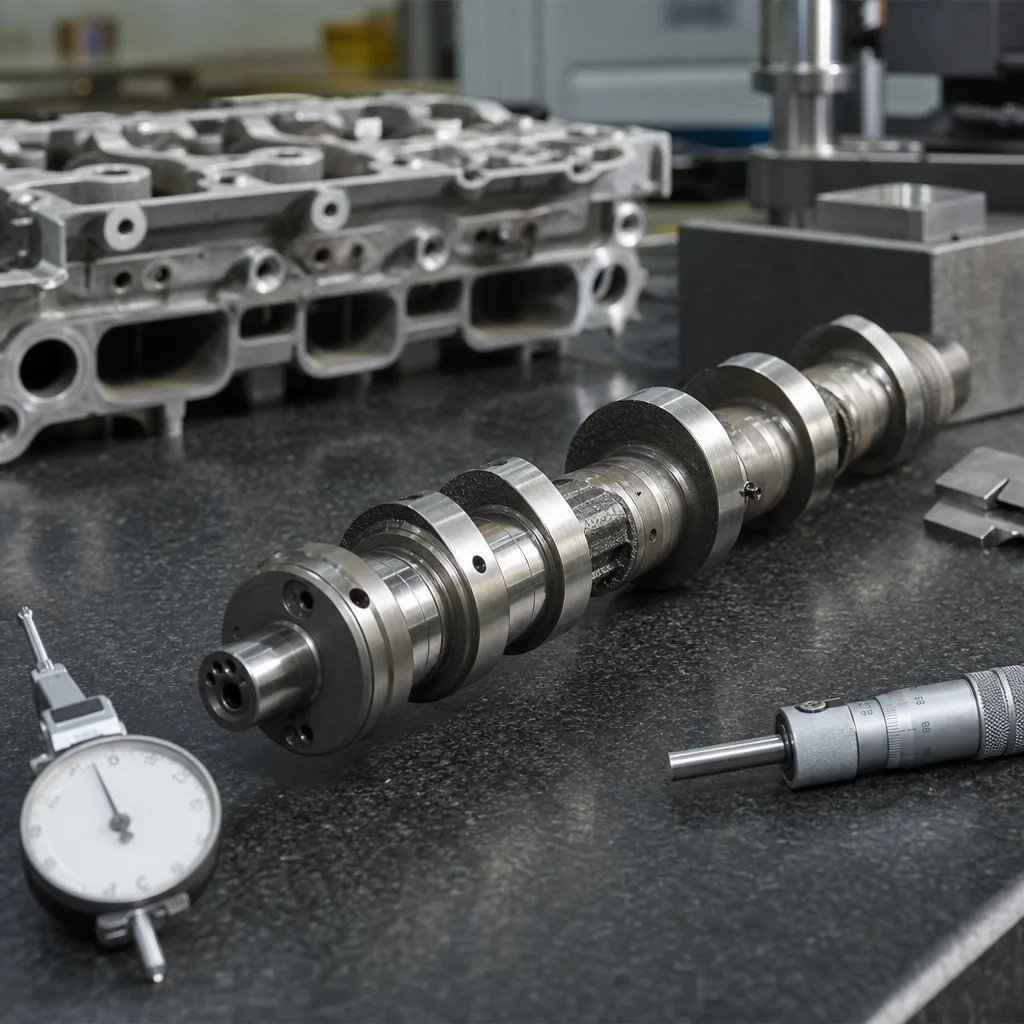
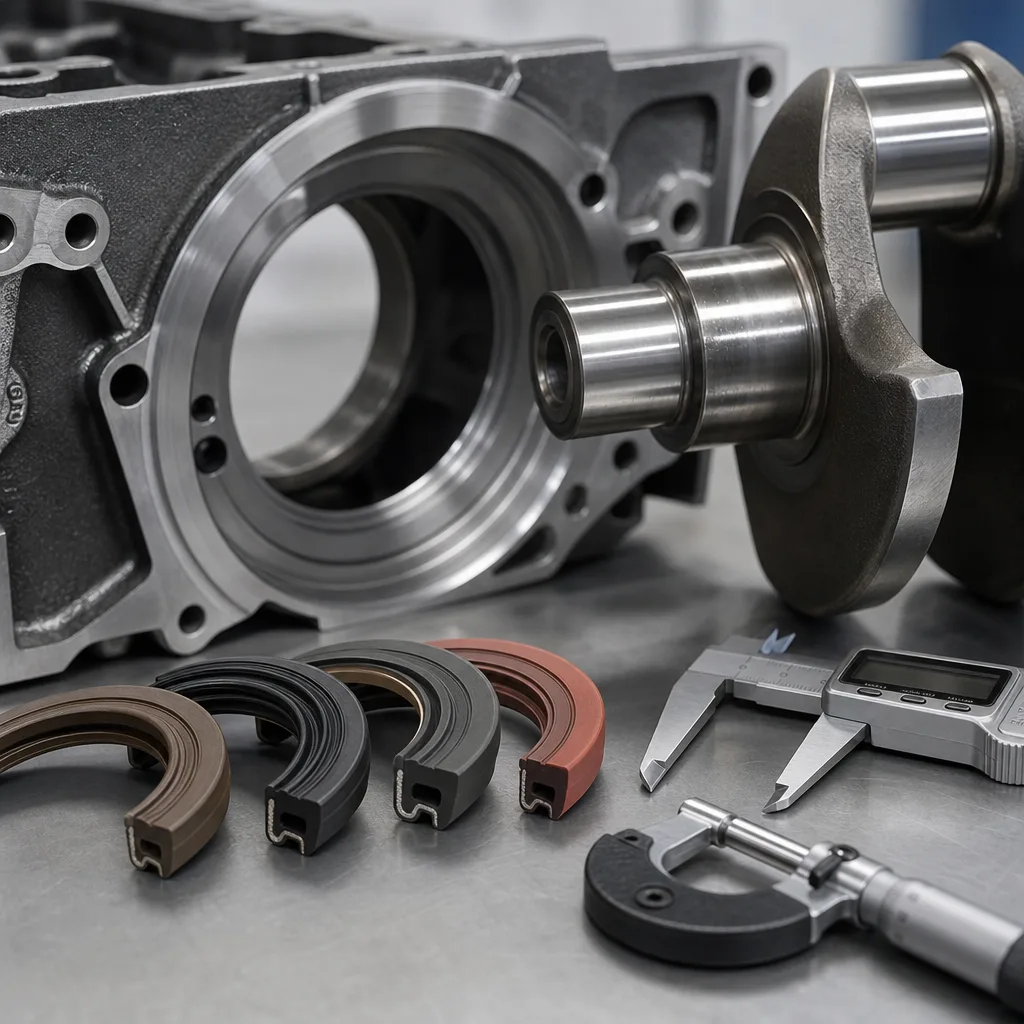
The casting is only the starting point. For engine blocks, the buyer should focus on the machined features that determine assembly quality: cylinder bore geometry, deck flatness, main bearing tunnel alignment, and oil and coolant passage integrity.
Typical controls in a supplier programme include:
Bore size and roundness checked against the approved drawing
Deck face flatness and surface finish verified after final machining
Main bore alignment measured on a fixture or CMM
Thread depth and insert seating checked before release
Pressure testing where the design includes water jacket sealing checks
For many programmes, deck flatness is controlled in the 0.05 to 0.10 mm range when the drawing allows it, but the correct target is always the customer print, not a generic rule. Buyers should ask for first-article data and in-process records, not just a final pass or fail note.
Quality system, compliance, and audit evidence
A supplier for this category should be able to show more than a certificate on the wall. Ask for evidence of process control under IATF 16949:2016 and ISO 9001:2015, including incoming material checks, operator instructions, calibration control, and corrective-action records.
For export programmes, documentation should also support REACH (EC) No 1907/2006 where material declarations are required. Depending on the customer and destination, you may also want packing declarations, country-of-origin paperwork, and serialised inspection reports.
Useful audit questions:
How are heat numbers linked to finished part lots?
What happens when a casting is reworked or scrapped?
How are gauging tools calibrated and recorded?
Can the plant provide dimensional and hardness reports by batch?
If you are building a vendor list, our quality system shows the type of controls expected for stable supply.
MOQ, lead time, and commercial terms
For buyers, supply risk is usually commercial before it is technical. A practical engine block programme should define MOQ, sample timing, production lead time, packing standard, and spare capacity for repeat orders.
Commercial item
Typical planning point
MOQ
50 to 200 units per reference, depending on family and machining scope
Sample lead time
2 to 4 weeks after drawing and sample confirmation
Production lead time
35 to 60 days after order release for standard builds
Packing
VCI protection, palletised export cartons, and impact control
Documentation
Invoice, packing list, COO, and batch inspection files
</tr></thead><tbody> </tbody></table>If the block needs a new fixture, new machining route, or revised packaging, custom manufacturing can shorten the supplier search. For buyers comparing options, see our catalog and engine components.
How Driventus supports Renault programmes
Driventus is a vertically integrated manufacturer in Taizhou, Zhejiang, serving aftermarket distributors, OEM and Tier-1 supply chains, and multi-location repair networks in more than 60 countries. That matters because the casting, machining, inspection, and export packing can be aligned in one production flow rather than split across unrelated vendors.
For a Renault engine block programme, we confirm fitment from the customer drawing set, sample data, or OE cross-reference before quotation. We do not claim vehicle-manufacturer approval, and we do not market brand endorsement. We supply to the specification agreed with the buyer.
If you need catalogue review, start with our catalog, check our quality system, and then send the technical file through request a quote. If the part needs machining changes, packaging changes, or a private-label programme, custom manufacturing is available. Driventus is an independent aftermarket manufacturer; brand names are referenced for fitment only.
Frequently asked questions
Yes. Send the engine code, OE reference if you have it, and photos or a sample. We check the casting family, machining map, and revision notes before quoting.
Typical files include dimensional inspection records, material certificates, batch traceability, packing list, invoice, and origin paperwork. Extra compliance documents can be added for customer and market needs.
Yes. We can adjust machining, corrosion protection, carton spec, pallet layout, and private-label packaging. That is often the fastest way to align the part with a buyer's receiving process.
Send your engine code, drawing, target volume, and destination market, and we will confirm fitment, documents, and lead time. [request a quote](/contact.html)