engine block · 2026-05-30

Engine Block Mini OEM Supplier: Sourcing Guide for Buyers

Procurement teams sourcing an engine block mini OEM supplier usually need three things at once: dimensional consistency, audit-ready quality control, and a supply plan that fits programme volume. Driventus manufactures engine and powertrain components in Taizhou, Zhejiang, with export experience in more than 60 countries. We support aftermarket distributors, OEM and Tier-1 supply chains, and multi-location repair networks with engineered parts, documented inspection, and export packaging. For engine blocks and related components, buyers typically review bore geometry, deck flatness, material grade, machining capability, and traceability before placing a trial order. Driventus is an independent aftermarket manufacturer; brand names are referenced for fitment only. If you are comparing suppliers, start with technical fit, then move to validation samples, lead times, and contract terms.

What buyers should verify in a mini engine block supplier

For procurement, “mini” usually means compact engine block programmes with controlled volumes, tighter packaging, and a need for repeatable machining. A qualified supplier should be able to document the raw material route, casting or forging method, machining sequence, and final inspection points.

Key checks:

  • Material specification and heat treatment route
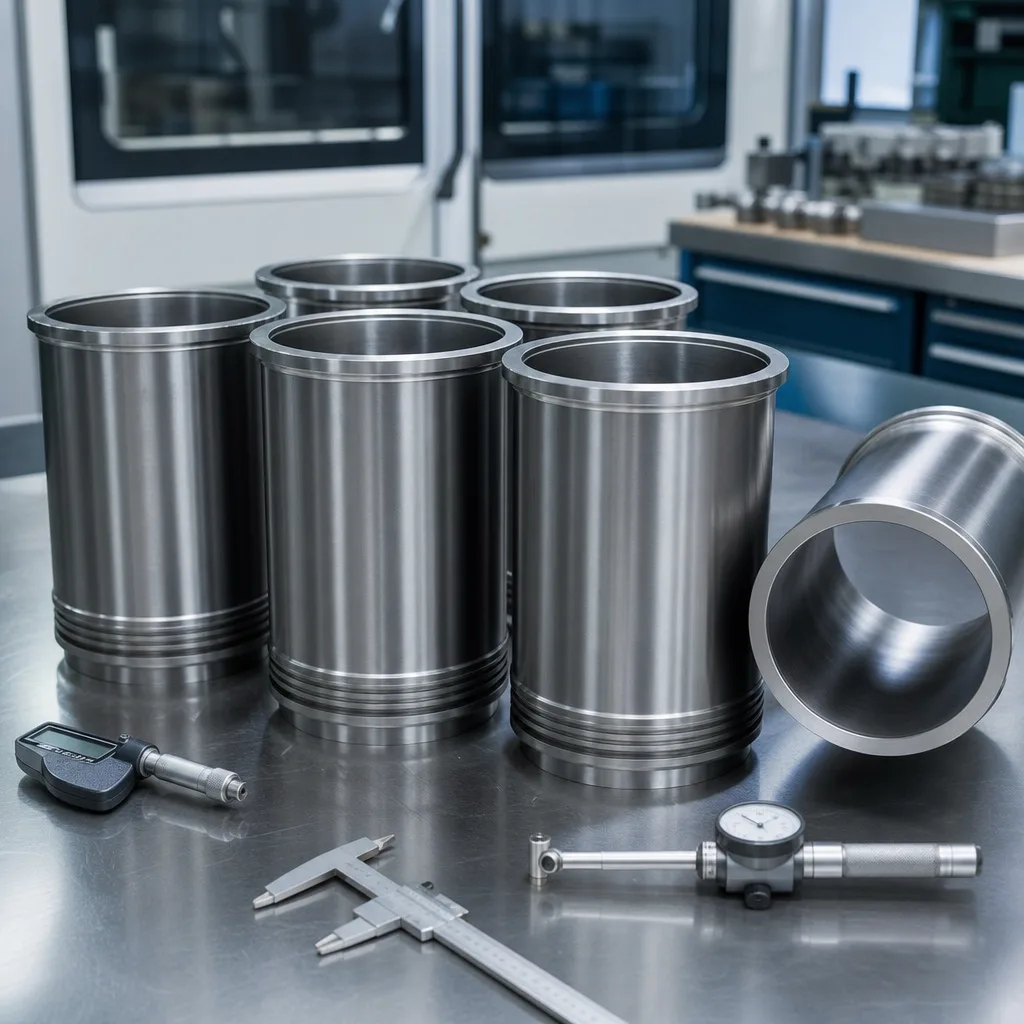
  • Bore diameter, bore roundness, and cylinder-to-cylinder consistency
  • Deck flatness, main bearing alignment, and thread integrity
  • Surface finish where gasket sealing is critical
  • Traceability by batch or serial code
  • Packing method for corrosion prevention and export handling

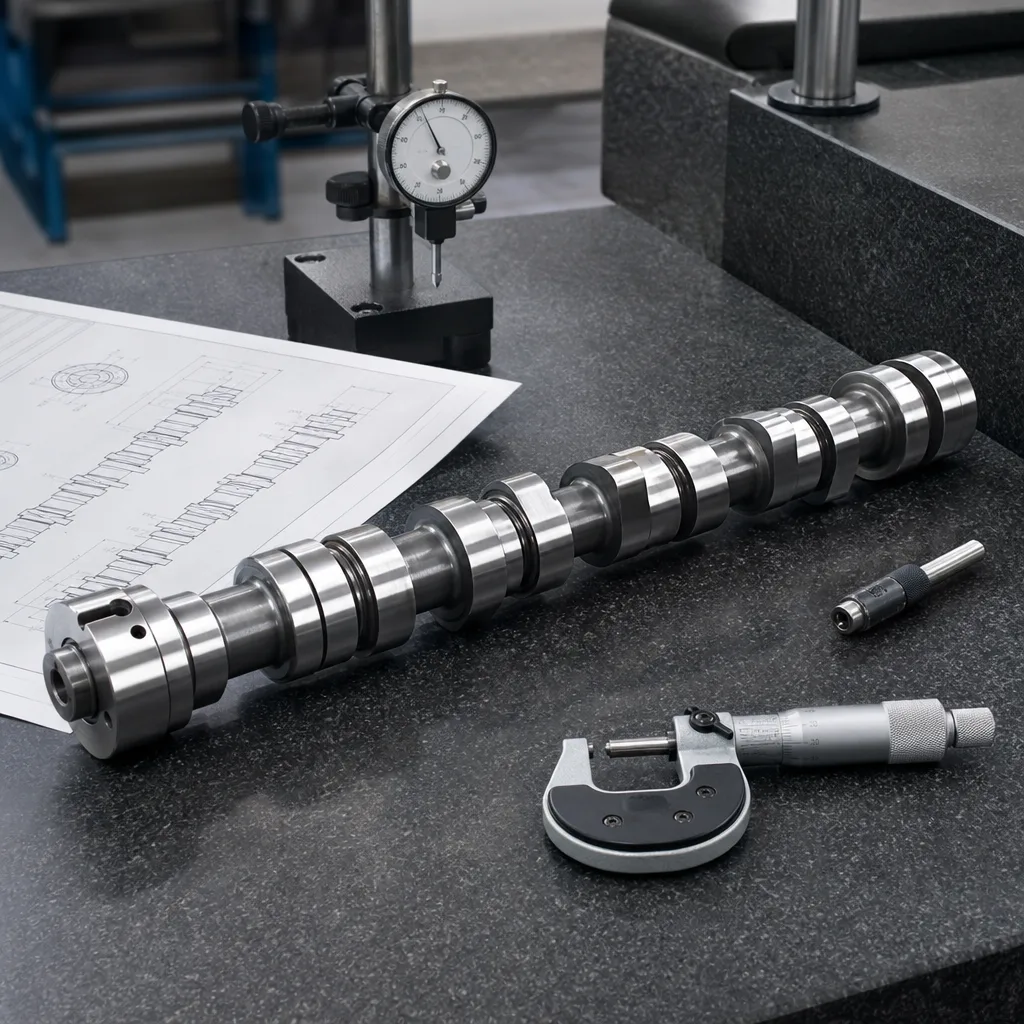
A serious sourcing review also asks whether the factory works under IATF 16949:2016 and ISO 9001:2015, and whether gauge control is maintained with calibrated equipment. For buyers comparing offer sheets, the lowest unit price is not useful if the supplier cannot hold machining stability across production lots.

Why certification and audit evidence matter

Automotive buyers do not buy engine blocks on brochure language. They buy on process evidence. A supplier operating under IATF 16949:2016 should be able to show control plans, inspection records, corrective action history, and calibration status. ISO 9001:2015 remains relevant for document control, supplier management, and nonconformance handling.

A useful factory audit should cover:

1. Incoming material verification 2. Machining cell capability and preventive maintenance 3. In-process gauging and final dimensional inspection 4. Traceability from raw lot to finished part 5. Packaging, labelling, and export loading controls

Where relevant, buyers may also ask about compliance planning for REACH (EC) No 1907/2006 if the supply chain includes coatings, sealants, or related chemical inputs. For parts used in emissions-sensitive applications, document requests may extend to validation data aligned with programme requirements such as ECE R-83 or SAE J2527 where applicable to the wider powertrain system. The point is not to over-request. The point is to verify that the supplier can support your internal compliance file.

Sourcing terms that matter: MOQ, lead time, and sample approval

An engine block mini OEM supplier should be able to quote clearly on minimum order quantity, sample lead time, production lead time, and tooling ownership. Procurement teams should ask whether the first order is a pilot run or a mass-production commitment.

</tr></thead><tbody> </tbody></table>For launch programmes, buyers should insist on signed sample approval, a controlled revision record, and a written method for handling engineering changes. If the supplier cannot state these items clearly, the commercial risk is usually higher than the price difference suggests.

Dimensional control and validation for engine block programmes

Engine blocks are not simple castings. They are load-bearing machined structures with surfaces that affect sealing, compression, and bearing life. A buyer should request the dimensional report template before placing volume business.

Typical checkpoints include:

  • Cylinder bore diameter and taper
  • Bore perpendicularity and centre-to-centre spacing
  • Main bearing tunnel alignment
  • Deck flatness and roughness
  • Thread depth and insert retention where used
  • Coolant and oil passage cleanliness

If the programme is replacement-focused, dimensional match to OE reference data is essential. If it is a private-label or OEM programme, the supplier should provide PPAP-style evidence or the equivalent agreed by contract. For buyers using OE part-number cross-references, keep the reference limited to fitment and avoid implying approval by the vehicle maker. Driventus supplies parts by engineering requirement, not by brand endorsement.

How Driventus supports contract and private-label buyers

Driventus supplies engine and powertrain components from a vertically integrated manufacturing base in Taizhou, Zhejiang. For buyers seeking a mini programme supplier, the advantage is coordination across machining, inspection, and export packing in one supply chain.

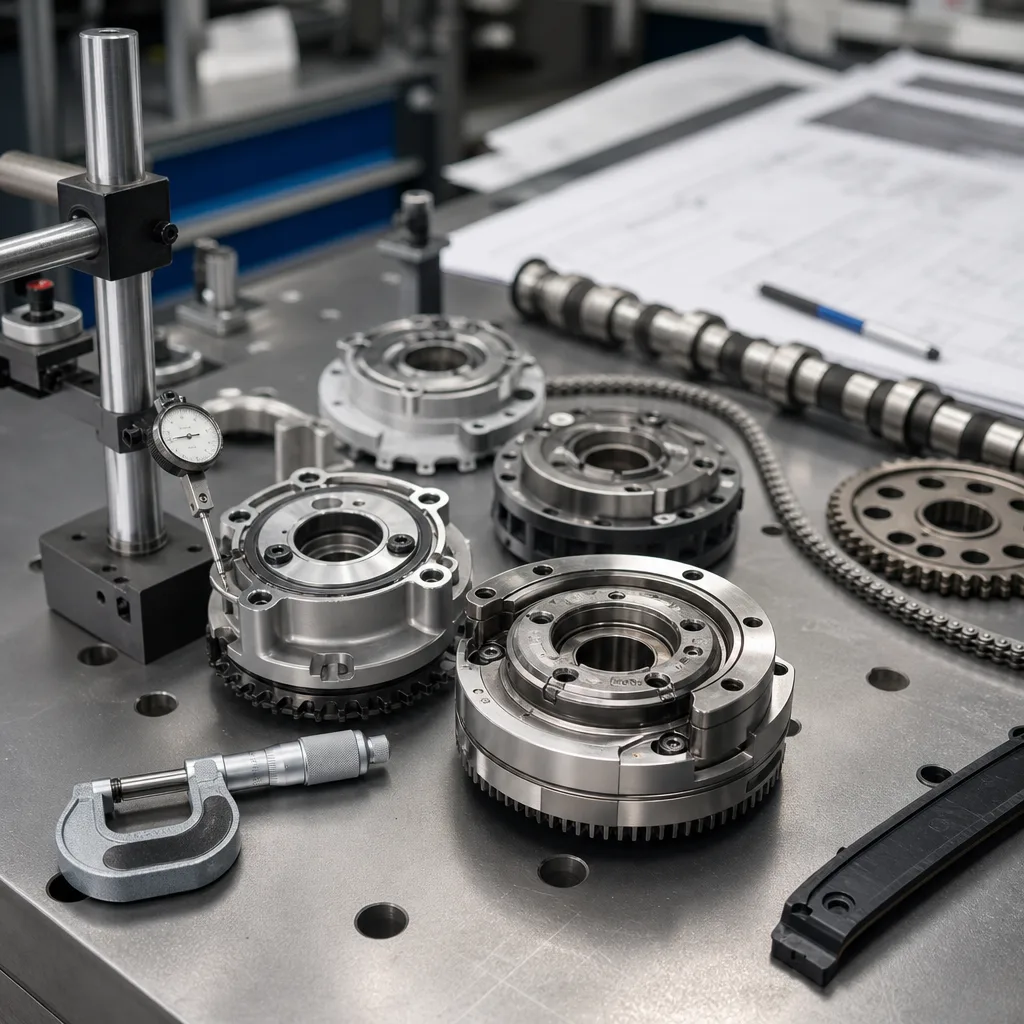
Our our catalog covers engine components and related powertrain parts, and our quality system explains the controls used for inspection, traceability, and corrective action. For programmes that need a non-standard specification, custom manufacturing can be used to align drawings, tolerances, packaging, and labelling with buyer requirements.

Driventus is an independent aftermarket manufacturer; brand names are referenced for fitment only. That disclosure matters for procurement files, especially where the buying organisation must keep supplier statements separate from OEM authorisation claims. For engine block projects, we can support drawing review, sample submission, and production planning based on the required annual volume.

A practical buyer checklist before placing the order

Use this checklist before committing to a supplier:

  • Confirm part application, engine code, and OE cross-reference format
  • Review material and machining specification
  • Request dimensional inspection data for pilot samples
  • Verify IATF 16949:2016 and ISO 9001:2015 documentation
  • Confirm REACH (EC) No 1907/2006-related declarations where applicable
  • Agree MOQ, lead time, and packaging standard
  • Define responsibility for tooling, revisions, and warranty handling

For multi-site distributors and repair chains, the most important issue is consistency across repeat orders. The same part number should arrive with the same geometry, finish, and pack condition every time. If the supplier cannot support that discipline, the sourcing risk extends into claims, returns, and service delays.

Frequently asked questions

Ask for material specification, machining tolerances, sample lead time, MOQ, traceability method, and certification evidence. Also confirm how engineering changes are controlled and who owns tooling.

Yes. Driventus supports custom manufacturing, packaging, and labelling for private-label and contract buyers. Requirements are reviewed against drawings, target volumes, and inspection criteria.

Yes, where natural to the application, but only as fitment references. Driventus is an independent aftermarket manufacturer; brand names are referenced for fitment only.

If you are qualifying a new engine block supply line, send your drawing, target volume, and inspection requirements. Request a quote at /contact.html

Request a Quote
Sourcing item What to confirm
MOQTrial order threshold, mixed-SKU flexibility, and reorder limits
Sample lead timeTime to send pre-production samples for dimensional review
Production lead timeStandard calendar weeks after approval and deposit
ToolingWho owns tooling, where it is stored, and how it is maintained
PackingRust protection, carton strength, palletisation, and export marks
IncotermsEXW, FOB, CIF, or DDP terms if offered