Engine Block Kia Supplier: Sourcing Guide for Buyers
If you are sourcing an engine block Kia supplier, the first checks should be dimensional control, casting quality, machining consistency, and supply stability. Buyers in the aftermarket and Tier-1 supply chain usually need more than a low unit price; they need repeatable fitment, traceable lot records, and documented inspection data that can pass receiving inspection and field validation. Driventus manufactures engine and powertrain components in Taizhou, Zhejiang, with IATF 16949:2016 and ISO 9001:2015 certified processes. We export to more than 60 countries and support B2B procurement for distributors, repair networks, and OEM-linked programmes. Driventus is an independent aftermarket manufacturer; brand names are referenced for fitment only. This article explains what to verify before placing a purchase order, how to compare supply offers, and what documents to request during a factory audit.
What procurement teams should verify first
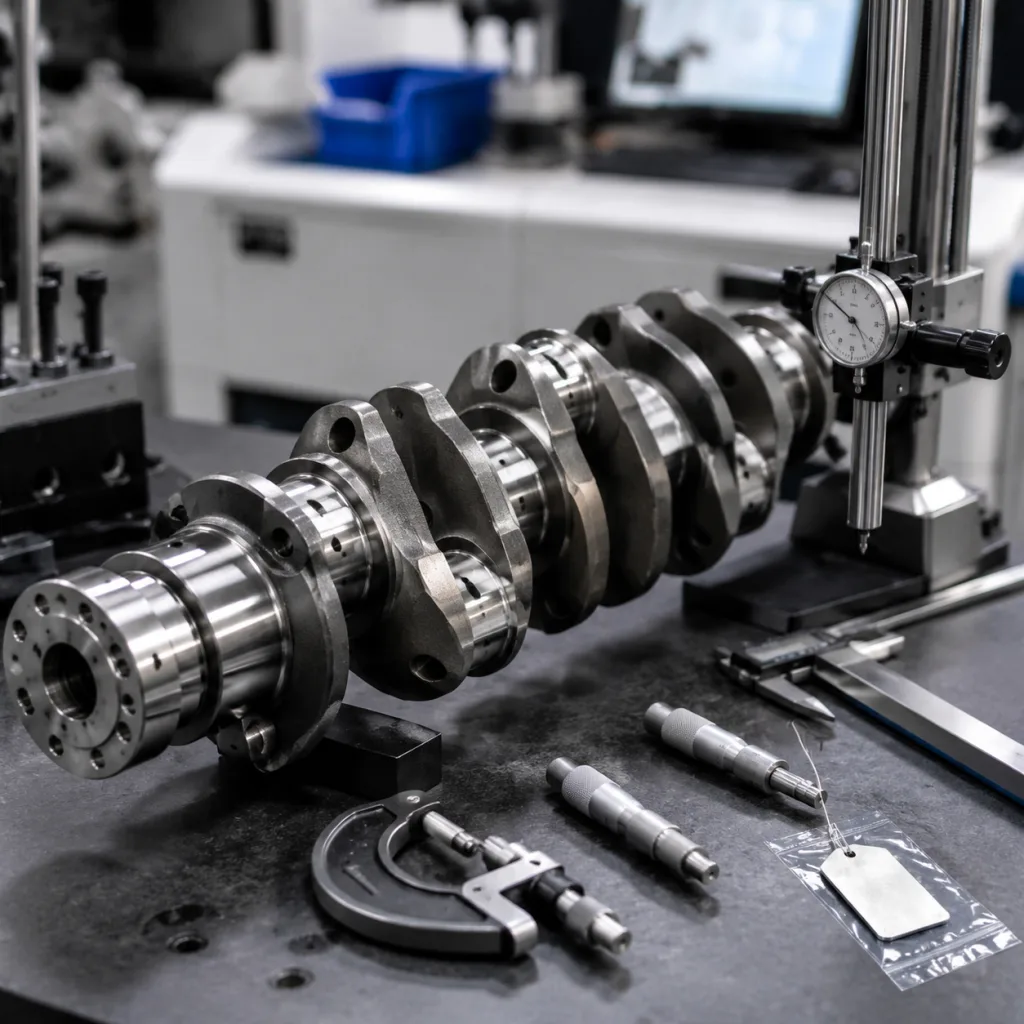
When evaluating an engine block Kia supplier, start with the specification set, not the sales claim. For engine blocks, the purchase decision depends on bore geometry, deck flatness, main bearing alignment, surface finish, material grade, and the availability of inspection records.
Core checks
Material: cast iron grade or alloy specification confirmed by mill certificate or foundry record
Fitment: OE reference cross-check by engine family and application code
Traceability: heat number, batch number, and machining lot identification
Packaging: corrosion protection, VCI bagging, and transit damage control
For procurement teams, the key question is whether the supplier can hold the same dimensions across repeat orders. A block that measures correctly on one lot but shifts on the next lot will create assembly delays and warranty exposure. If you need a broader view of available parts, see our catalog and engine components.
Technical specifications buyers should request
A credible quotation should include measurable data. If the supplier cannot state tolerances, inspection methods, and test points, the offer is not ready for release.
Item
What to ask for
Typical procurement value
Base material
Cast iron or approved alloy, with composition record
Supports durability and machining stability
Bore tolerance
Measured bore size and roundness data
Confirms piston compatibility
Deck flatness
Maximum deviation after machining
Reduces gasket sealing risk
Main bearing alignment
Line-bore or line-hone record
Protects crankshaft fitment
Surface finish
Machined Ra values where relevant
Helps sealing and wear control
Inspection reports
100% or sampling plan stated clearly
Supports incoming quality review
Packaging
Rust prevention and export packing method
Lowers transit claims
</tr></thead><tbody> </tbody></table>Published standards that may apply to the wider sourcing process include IATF 16949:2016, ISO 9001:2015, and REACH (EC) No 1907/2006 for material compliance in the supply chain. If your programme includes emissions-related validation, request the relevant application test basis rather than assuming a generic pass condition.
MOQ, lead time, and supply planning
For engine blocks, MOQ and lead time depend on casting availability, machining capacity, and whether the item is a standard catalogue part or a custom programme. Buyers should separate three supply models:
1. Catalogue replacement blocks with established tooling 2. Private-label or customer-specific packing and documentation 3. Custom manufacturing with new tooling, gauge development, or application changes
Standard catalogue parts usually have the shortest lead time because the tooling and process window are already established. Custom manufacturing normally adds time for sample approval, dimensional verification, and packaging confirmation. If your team needs a custom workflow, review custom manufacturing before issuing the RFQ.
A practical sourcing request should state forecast volume, target delivery window, annual usage, and acceptable alternates. This helps the supplier plan raw materials and machining slots. For multi-location distributors, it also reduces split-lot issues across warehouses.
Factory audit points for block suppliers
A supplier audit should confirm process control, not just paperwork. For an engine block operation, look at foundry control, machining repeatability, gauge calibration, and nonconformance handling.
Audit checklist
Incoming material inspection and heat traceability
CNC machining programme control and tool-life monitoring
Gauge calibration schedule and reference master handling
In-process inspection frequency for critical dimensions
Final inspection, including visual and dimensional checks
Corrective action records for scrap, rework, and customer claims
Packaging validation for export routes
If the supplier claims compliance to IATF 16949:2016, ask to see how the quality system is used in production, not only in certification scope. A strong quality system should show control plans, reaction plans, and documented measurement methods. For export buyers, this matters because dimensional drift is often the first cause of field rejection, not obvious cosmetic defects.
How Driventus supports B2B sourcing
Driventus supplies engine and powertrain components from a vertically integrated manufacturing base in Taizhou, Zhejiang. For procurement teams, the practical value is process control across casting, machining, inspection, and export packing.
What buyers typically receive:
Application-based fitment review by engine family
Dimensional inspection records for critical features
Batch traceability for production lots
Export packing suitable for sea and air freight
Support for private-label documentation where needed
We work with aftermarket distributors, OEM / Tier-1 supply chains, and repair network buyers who need repeatable supply rather than one-off spot purchases. Where a programme requires application-specific changes, our engineering team can review feasibility through request a quote and the custom manufacturing process. Driventus is an independent aftermarket manufacturer; brand names are referenced for fitment only.
Commercial terms that reduce sourcing risk
The lowest unit price is not always the lowest landed cost. For engine blocks, procurement teams should compare the full commercial package.
MOQ: Confirm whether it is tied to machining batch size or packaging minimums
Lead time: Separate first-order timing from repeat-order timing
Sample policy: Ask whether pre-production samples, dimensional reports, and photo records are included
Warranty terms: Define claims window, evidence requirements, and return handling
Incoterms: Clarify EXW, FOB, or CIF before approval
Documentation: Ensure commercial invoice, packing list, and certificate requirements are aligned with import rules
A good supplier will state these points clearly before the order is released. If the answers are vague, the sourcing risk usually increases after shipment, not before. That is why a structured RFQ and a documented approval path are worth more than a small price difference.
Frequently asked questions
Ask for material grade, machining tolerances, inspection records, MOQ, lead time, and packaging details. Also confirm OE fitment by engine family and request traceability information for each lot.
Yes. We can review programme requirements, tooling needs, inspection criteria, and packaging specifications for customer-specific supply. Start with the application details through our contact page.
No. Driventus is an independent aftermarket manufacturer; brand names are referenced for fitment only.
If you need a quotation, a specification review, or a factory discussion for your programme, contact us here: /contact.html