Engine Block Jaguar Wholesale: Sourcing and Validation
Procurement teams sourcing an engine block for Jaguar applications need more than a cast part number match. They need confirmed dimensions, machining control, material traceability, and a supply base that can support repeat orders without quality drift. Driventus supplies engine blocks to aftermarket distributors, OEM and Tier-1 buyers, and repair chain groups with documented process control under IATF 16949:2016 and ISO 9001:2015. Driventus is an independent aftermarket manufacturer; brand names are referenced for fitment only. For Jaguar programmes, the practical focus is bore centre distance, deck height, main tunnel alignment, oil gallery integrity, and finished-machining consistency across batches. Buyers also need clear MOQ, lead time, packaging, and inspection records before release. This article explains what to verify when buying engine block Jaguar wholesale, how to compare supplier capability, and where custom machining may be required for a specific OE cross-reference.
What buyers should confirm before placing a wholesale order
When sourcing an engine block Jaguar wholesale, start with the application rather than the brand name. Confirm the engine family, displacement, bore size, cylinder spacing, main bearing journal layout, and whether the part is supplied as a bare casting or fully machined block.
Minimum purchasing checks:
OE cross-reference and engine code confirmation
Cast iron or aluminium alloy specification
Machining status: rough cast, semi-finished, or fully machined
Main tunnel alignment and deck flatness limits
Cylinder bore finish and oversize allowance
Oil and coolant gallery cleanliness
Packaging standard for export transit
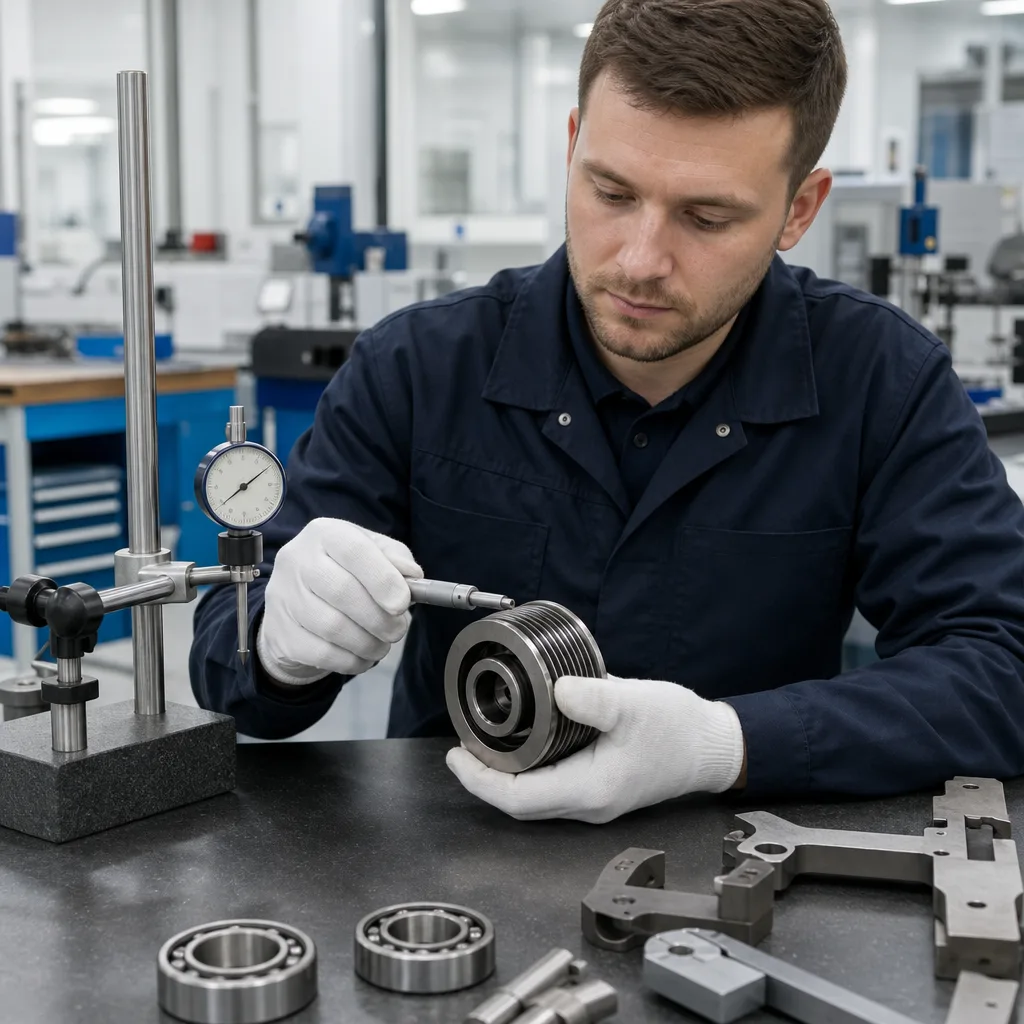
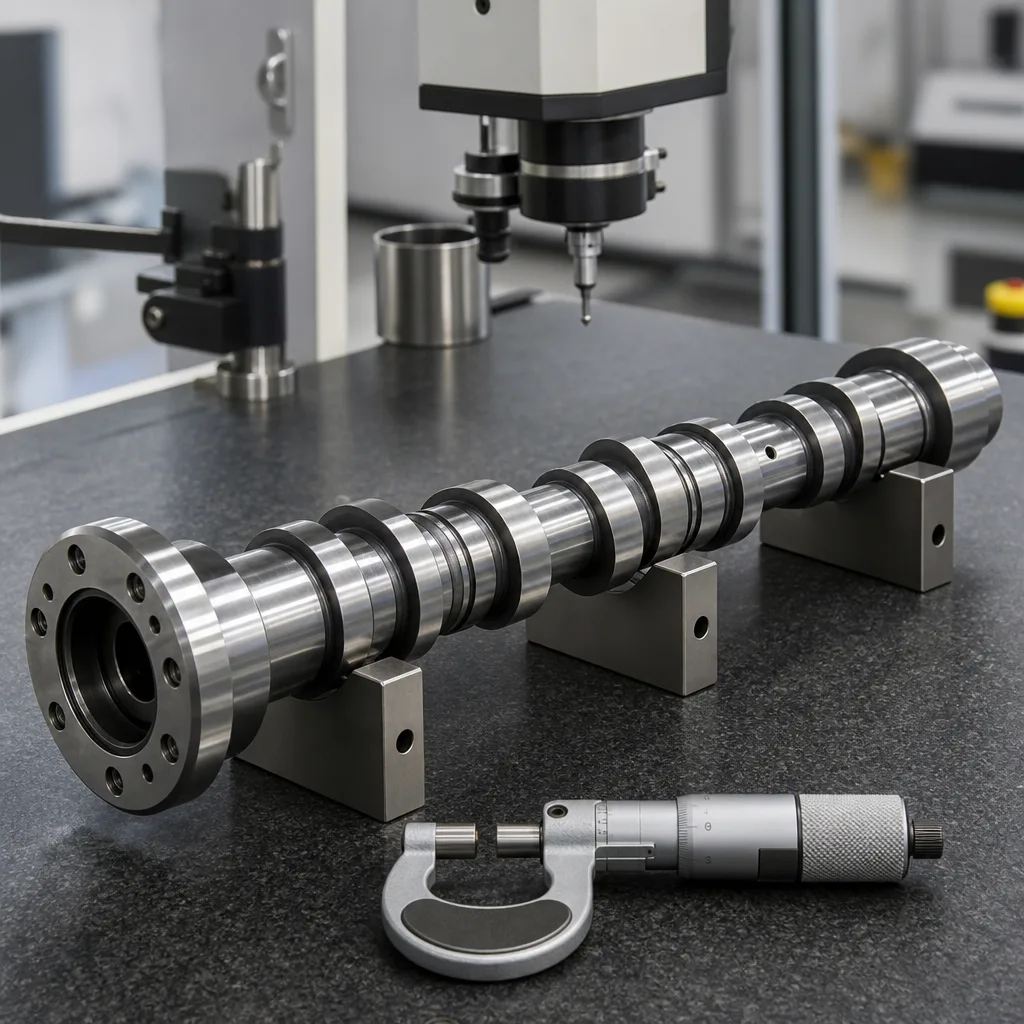
A supplier should be able to state the inspection method for each critical feature. For example, bore geometry may be checked by coordinate measurement, while deck flatness and main tunnel concentricity should be recorded against an inspection sheet for the batch. If the supplier cannot provide a dimensional report, the commercial price is not the full cost.
Typical supply specification for Jaguar engine blocks
The exact specification depends on the engine code, but wholesale buyers usually request the following controls before approval.
Item
Typical wholesale requirement
Material
Cast iron or aluminium alloy, per programme requirement
Certification
IATF 16949:2016 and ISO 9001:2015
Surface condition
Free from cracks, porosity breakout, and casting flash in critical zones
Machining
Bore, deck, and main tunnel within agreed print tolerance
Inspection
100% visual check plus batch dimensional sampling
Documentation
Material traceability, inspection report, packing list
REACH (EC) No 1907/2006 where applicable for EU supply
</tr></thead><tbody> </tbody></table>For EU and UK buyers, ask for declaration status on restricted substances where the programme requires it. For North American and Australian importers, the same technical record set is useful for receiving inspection and warranty control. If the engine block is intended for remanufacturing, ask whether core versus new-cast supply is available, since this affects cleaning, machining allowance, and final yield.
MOQ, lead time, and how wholesale pricing is normally structured
Wholesale pricing for engine blocks is usually driven by machining scope, alloy type, inspection intensity, and order size. Bare castings are lower cost but create more work at the buyer’s side. Fully machined blocks carry a higher unit price but reduce internal processing and rejected inbound lots.
Lead time is usually split into three parts: 1. Pattern or tooling verification 2. Production casting and machining 3. Final inspection, packing, and export booking
For repeat orders, buyers should ask for a stable monthly supply plan rather than a one-off shipment. That matters when you are supplying multi-location repair chains or regional distributors with back-order risk. A serious supplier should also clarify MOQ by part family, because a smaller engine block line may have a higher MOQ than common piston or gasket programmes.
If your team needs price stability, confirm whether the quotation is based on raw material index movement, machining hours, or fixed contract pricing for a defined period. That prevents margin loss when the market changes.
Validation steps for dimensional fit and durability
Before release into your warehouse or remanufacturing flow, validate the block against the engine build specification. This is especially important when a Jaguar application uses multiple revisions or mixed production years.
Recommended validation sequence:
Verify OE cross-reference and engine code
Check bore diameter, roundness, and taper
Measure deck height and flatness
Confirm main bearing housing bore alignment
Inspect thread integrity for head bolts and ancillaries
Confirm water jacket and oil gallery cleanliness
Review pressure-test or leak-test records where available
What matters most in practice
A block can appear visually correct and still fail at assembly if deck height or main bore alignment is outside tolerance. That creates head gasket sealing problems, bearing wear, or timing-related issues later in the build. For buyers, the right approach is to demand an inspection record that maps directly to your receiving checklist.
Driventus can support application-specific machining and validation through custom manufacturing when a standard block needs a tighter fit to your target engine build.
Why certification and factory audit evidence matter
For procurement professionals, certification is not a marketing line. It is a filter for process control.
A compliant engine block supplier should be able to show:
IATF 16949:2016 certification for automotive process control
ISO 9001:2015 quality management documentation
Incoming material traceability
In-process inspection records
Final audit and packing checks
Non-conformance handling and corrective action workflow
If you are qualifying a new source, request the supplier’s quality system documentation before samples are approved. Factory audit evidence is important for high-volume wholesale accounts because a stable process reduces dimensional drift, claims, and return freight. For European buyers, compliance documentation should also align with REACH (EC) No 1907/2006 where the supply chain requires substance reporting. For thermal or corrosion-focused evaluations, buyers may also request test references such as SAE J2527 or other programme-specific durability checks, if relevant to the application.
How Driventus supports wholesale buyers
Driventus is set up for B2B supply, not retail. That means buyers can source cast and machined engine components, including engine blocks, through a structured commercial process with export documentation, batch traceability, and technical review.
You can use our catalog to review related engine and powertrain parts, including engine components for adjacent programme consolidation. If your team is working on a specific Jaguar fitment, Driventus can review OE 06A107065-style cross-reference formats when a keyword or programme document already uses that convention, while keeping the final match limited to fitment data rather than brand endorsement.
For wholesale programmes, we typically align on:
Product scope and application
Required machining state
Target annual volume and call-off plan
Inspection format and packaging standard
Commercial terms and delivery schedule
If you need a quotation for a current sourcing project, use request a quote and attach your target specification, monthly volume, and any dimensional drawing or sample photo. That shortens response time and reduces revision rounds.
Frequently asked questions
Yes. We support B2B wholesale supply for aftermarket distributors, OEM and Tier-1 programmes, and repair chain networks. Availability depends on the engine family, machining scope, and required monthly volume.
Ask for dimensional inspection records, material traceability, packing details, and certification evidence under IATF 16949:2016 and ISO 9001:2015. For EU supply, confirm REACH-related declarations where required.
Yes. If the standard block needs modified machining or application-specific checking, Driventus can review the requirement through custom manufacturing and confirm what can be supported on a production basis.
If you are building a wholesale supply line for engine blocks, send your application data, target volume, and drawing details for review. Start here: /contact.html