If you are sourcing an engine block Honda supplier for aftermarket distribution, repair-chain supply, or OEM-linked programmes, the real decision is not branding; it is control. Buyers need verified fitment, stable metallurgy, repeatable machining, traceable quality records, and delivery terms that match production demand.
Driventus manufactures engine and powertrain components in Taizhou, Zhejiang, and exports to more than 60 countries. We operate under IATF 16949:2016 and ISO 9001:2015 systems, with export documentation aligned to EU and North American procurement requirements. Driventus is an independent aftermarket manufacturer; brand names are referenced for fitment only.
For most buyers, the source comparison comes down to five things: dimensional consistency, auditability, packaging discipline, lead-time reliability, and whether the supplier can support OE cross-reference programmes without implying vehicle-maker approval.
Which source wins? A buyer’s decision framework
Start with the application, not the price. For engine block sourcing, the right supplier is the one that can prove fitment, process control, and shipping discipline for your exact use case.
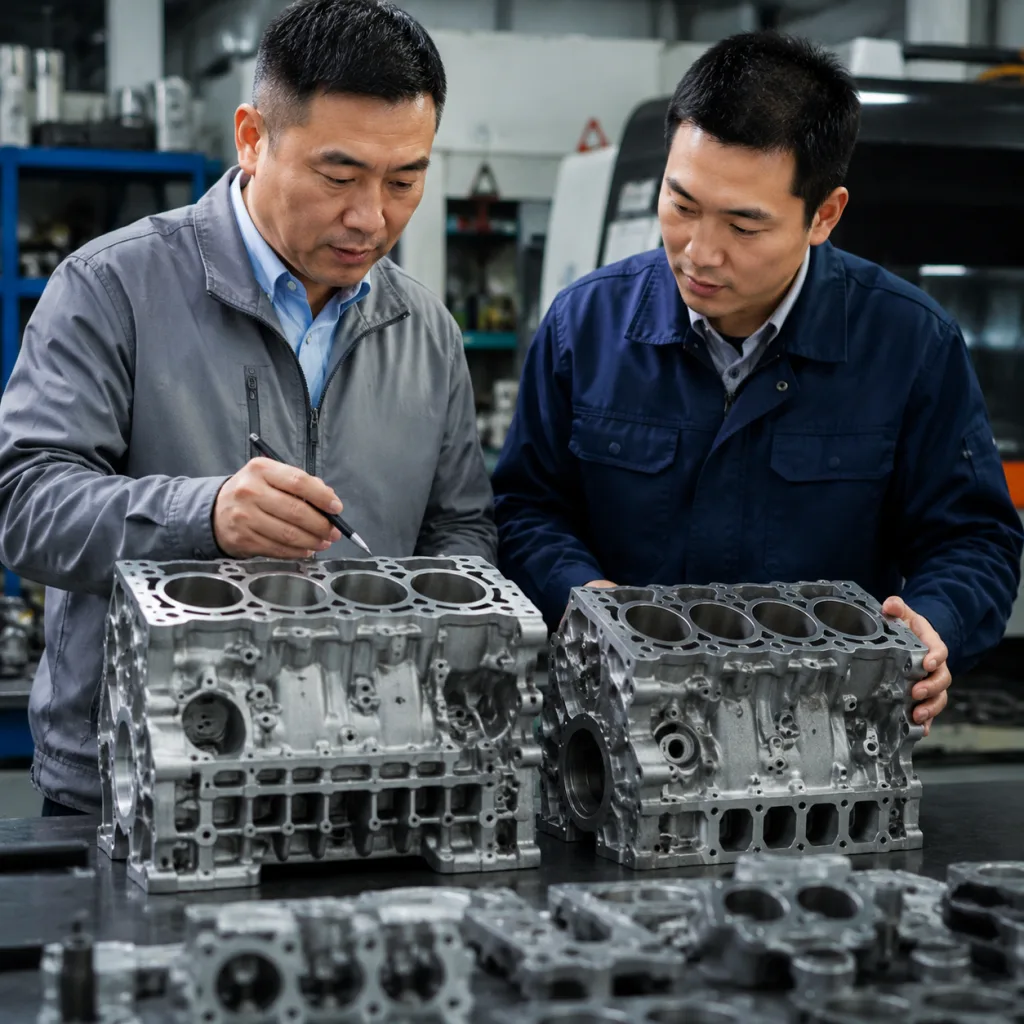
If the application is linked to Honda fitment, confirm cylinder bore, deck height, main bearing alignment, and oil gallery location before any purchase order is issued. Then decide whether you are buying a bare casting, a fully machined block, or a private-label programme with custom packing.
Check these first
OE cross-reference format and VIN application range
Bare casting or fully machined block
Material grade and heat-treatment route
Dimensional tolerances for bore, deck, and main tunnel
Packaging standard for sea freight and pallet stacking
Required test reports and traceability records
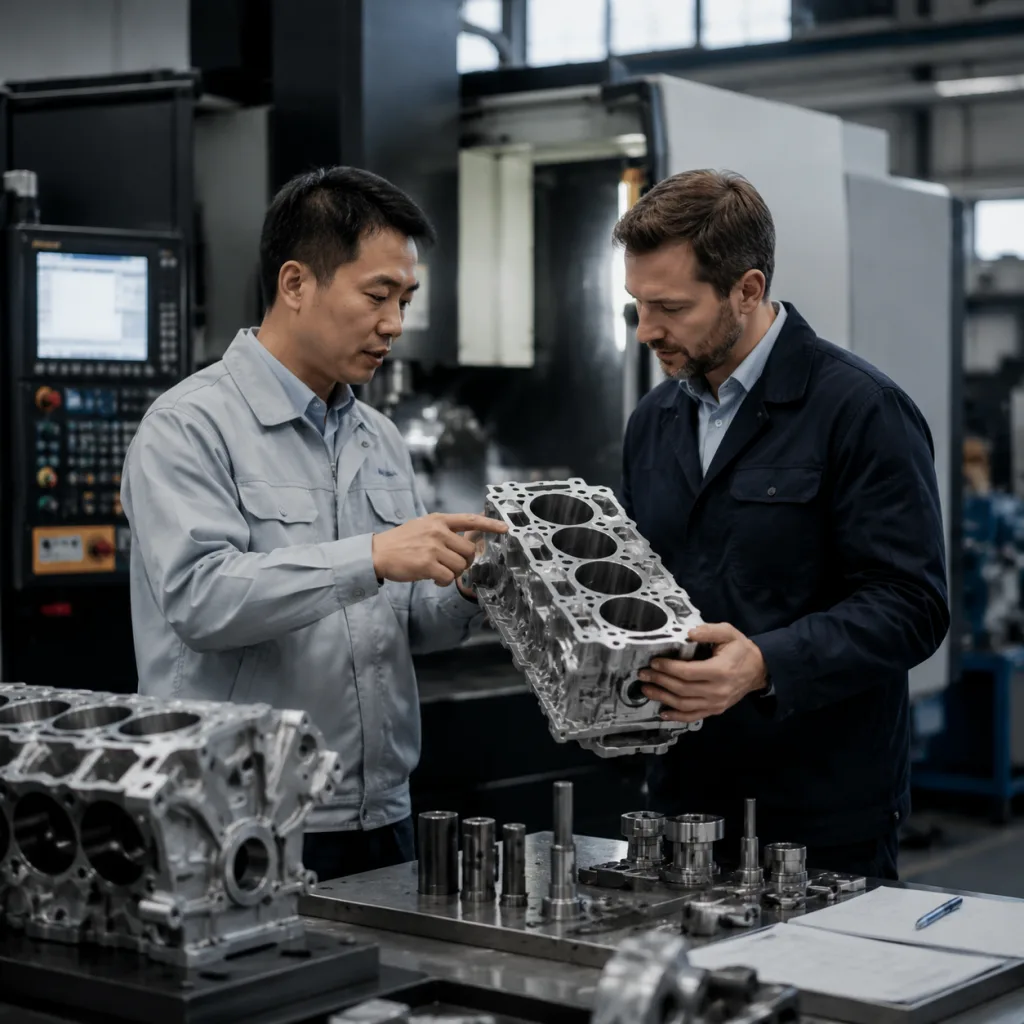
A supplier should provide photos, inspection data, and a sample approval path before volume release. For broader range sourcing, review our catalog and the engine-focused product group at [/products/engine-components.html).
Failure modes that cause returns
Most sourcing problems show up after the first shipment, not during the quote stage. The usual failures are predictable: wrong fitment data, inconsistent machining, weak packaging, and incomplete documentation.
Here is the short version of what breaks programs:
A catalog match that does not align with the actual VIN range
Bore, deck, or main tunnel variation outside the rebuild shop’s tolerance window
Surface protection that fails in transit or storage
Labels that cannot survive pallet handling or customs review
Missing heat-number linkage, dimensional reports, or shipment records
For B2B buyers, the safest process is to demand samples, check the reports against your own benchmark parts, and verify carton integrity before mass release. If any of those steps are vague, expect avoidable claims later.
Commercial terms to compare line by line
MOQ and lead time matter as much as metallurgy. A reliable engine block supplier should state whether MOQ is based on casting batches, machining batches, or mixed-SKU consolidation. Commercial terms should also clarify whether the order is ex-works, FOB, or CIF, and whether mixed references can be packed on one pallet set.
Commercial item
What to confirm
Why it matters
MOQ
Per casting, per machining run, or per SKU
Affects inventory and cash flow
Lead time
Sample, pilot, and mass-production timing
Affects replenishment planning
Inspection
100% or AQL sampling
Affects incoming risk
Packaging
Oil protection, cartons, pallets, labels
Affects transit damage
Documentation
COA, dimensional report, traceability
Affects customs and QA
</tr></thead><tbody> </tbody></table>For buyers with regional distribution centres, ask whether the factory can hold finished goods, release by forecast, and support staggered shipments. That reduces stock-outs without forcing overbuying.
What the spec sheet should prove
A spec sheet is useful only if it resolves the questions that trigger disputes. For engine blocks, that means the drawing, machining scope, and inspection plan all need to match the catalog claim.
A credible supplier should be able to explain its quality system in practical terms. At minimum, that means incoming material checks, process controls during rough machining and finish machining, final dimensional inspection, and retained samples by batch. Driventus operates under IATF 16949:2016 and ISO 9001:2015, which supports controlled production and documented corrective action.
Driventus is an independent aftermarket manufacturer; brand names are referenced for fitment only.
Controls buyers can request
Material certificates linked to heat number
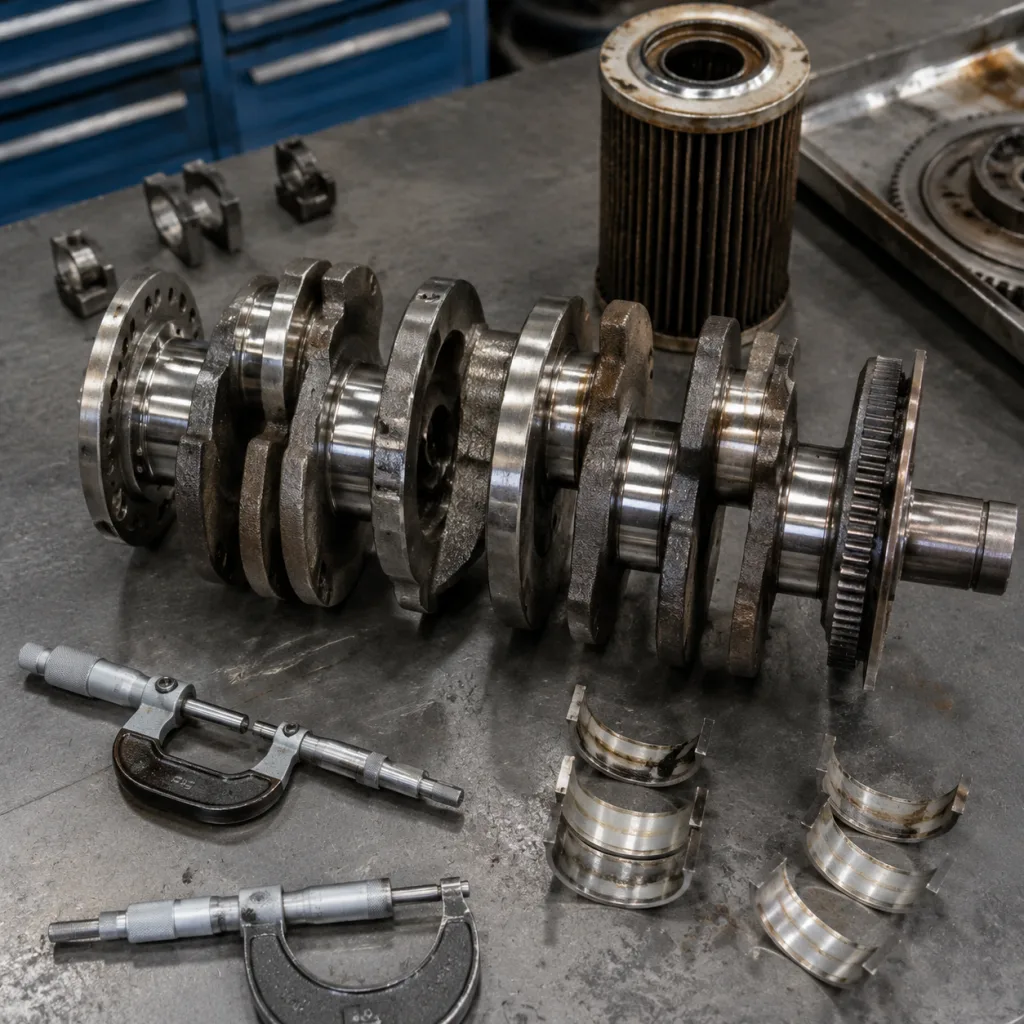
Bore and deck flatness inspection records
Main tunnel alignment reports
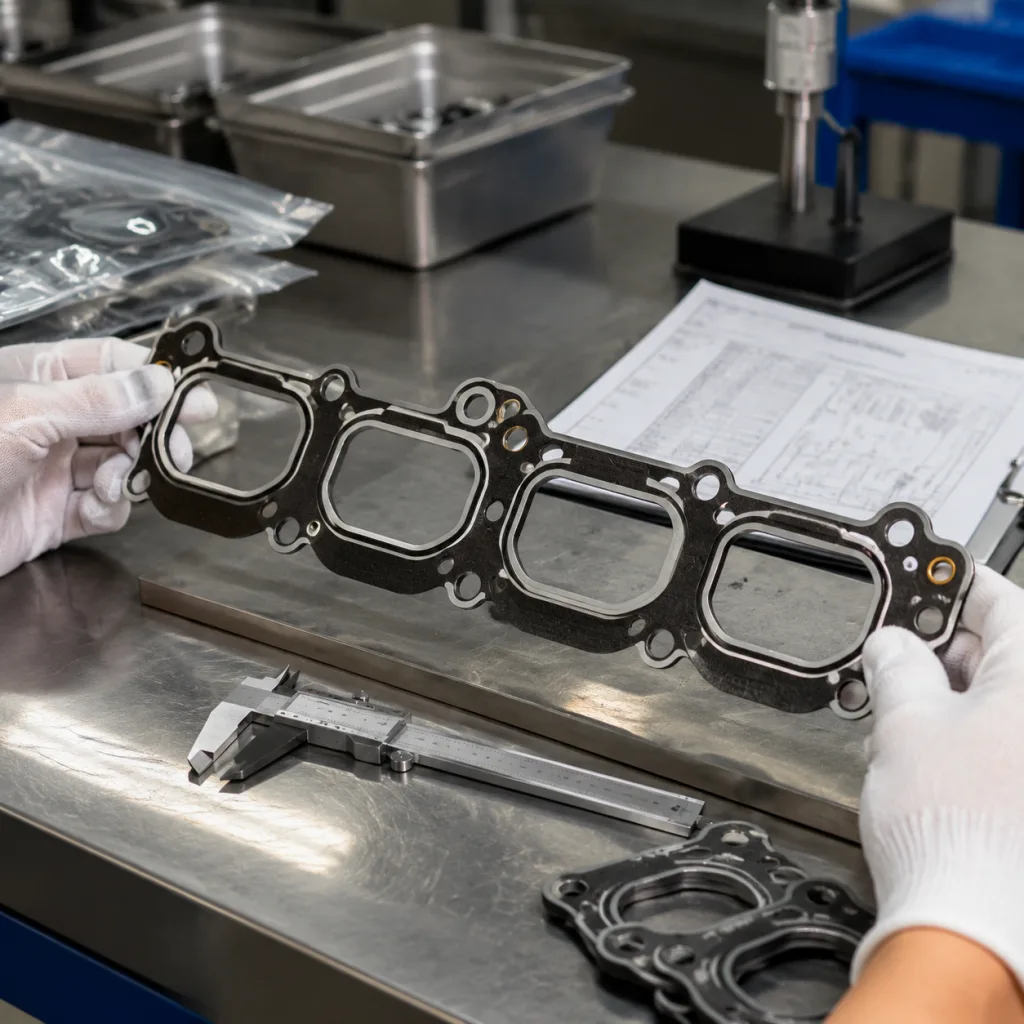
Surface finish data for gasket faces
Pressure test or leak test where relevant
Batch traceability on cartons and labels
For EU supply, confirm material declarations for REACH (EC) No 1907/2006 when your compliance team requires chemical substantiation. If your programme includes corrosion or thermal cycling validation, ask for the applicable test method and sample size before release.
When custom manufacturing makes sense
Custom manufacturing is the right path when the off-the-shelf part is close, but not close enough. Use it for a non-standard machining package, modified packaging, private-label documentation, or a consolidation programme across multiple references.
It is also the better option when you are replacing a discontinued part number and need a controlled dimensional match rather than a catalogue-only listing. Through custom manufacturing, Driventus can support drawing-based development, sample approval, and production planning aligned to your forecast.
Typical custom requests
Alternate machining depth or finish level
Specific corrosion-protection oil or wrap
Barcode, label, or carton specification
Multi-reference kit packing
Customer inspection plan or report format
If your team needs one source for blocks, gaskets, pistons, and related engine parts, a consolidated programme lowers inbound complexity and reduces supplier count.
How to audit the factory without wasting time
A factory audit should focus on process stability, not presentation. Buyers should inspect casting storage, machining cell controls, gauge calibration, final inspection records, and segregation of non-conforming goods. Ask who owns corrective action, how deviations are contained, and how often gauges are recalibrated.
Use this sequence: 1. Confirm the exact part number list and fitment scope. 2. Review control plans, inspection records, and traceability format. 3. Check sample packaging and label durability. 4. Validate response time for RFQ, sample, and shipment. 5. Compare landed cost, not unit price alone.
You can review the company’s quality system before sending drawings or release requirements. Buyers who need a quotation can request a quote with part number, annual usage, target market, and packaging specification.
Frequently asked questions
Yes. We work with OE cross-reference data for fitment and cataloguing, but we do not claim vehicle-maker approval or endorsement.
Depending on the programme, we can supply inspection records, traceability data, and commercial documents required for export and receiving.
Yes. Custom manufacturing is available for qualified programmes, including packaging, label, and machining variations based on customer requirements.
If you are qualifying a new source or re-bidding an existing programme, send your part number list and volume target. Start here: /contact.html