Engine Bearing Vauxhall Supplier for B2B Sourcing
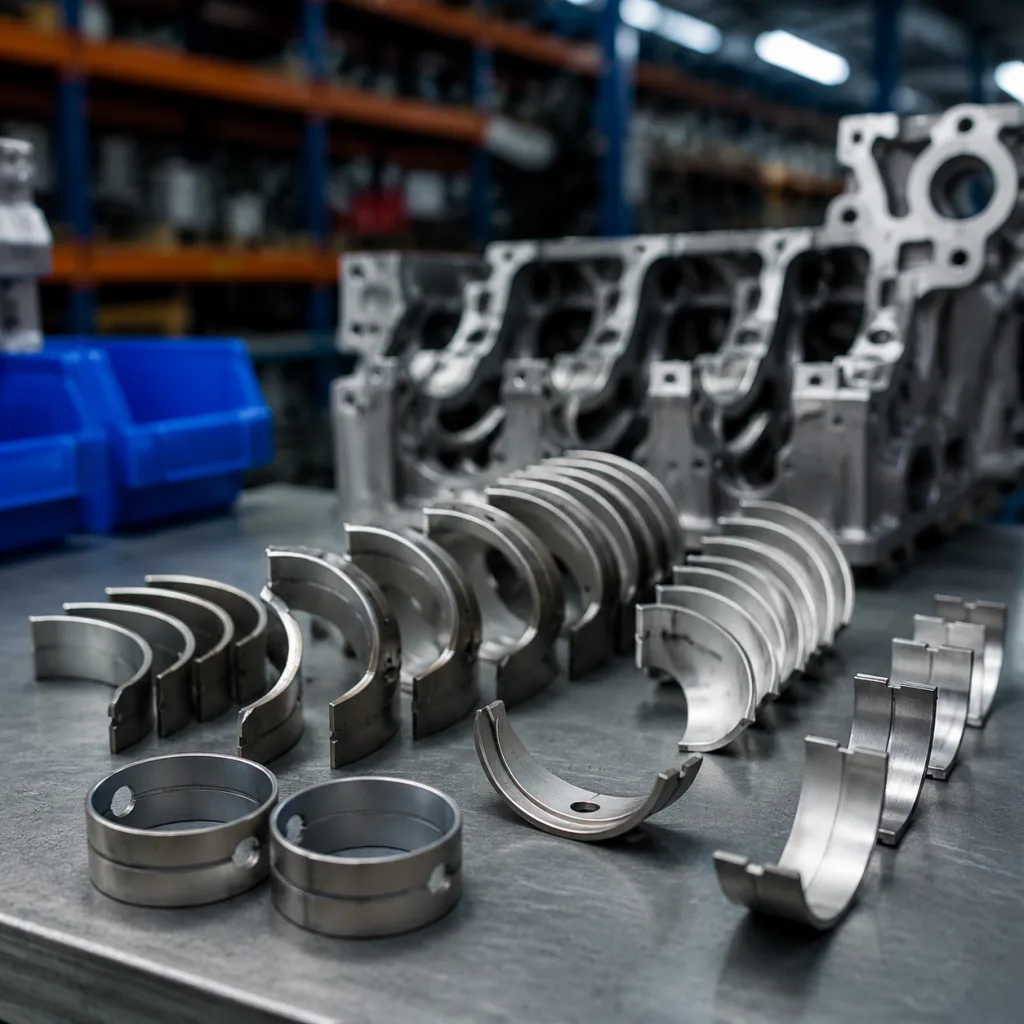
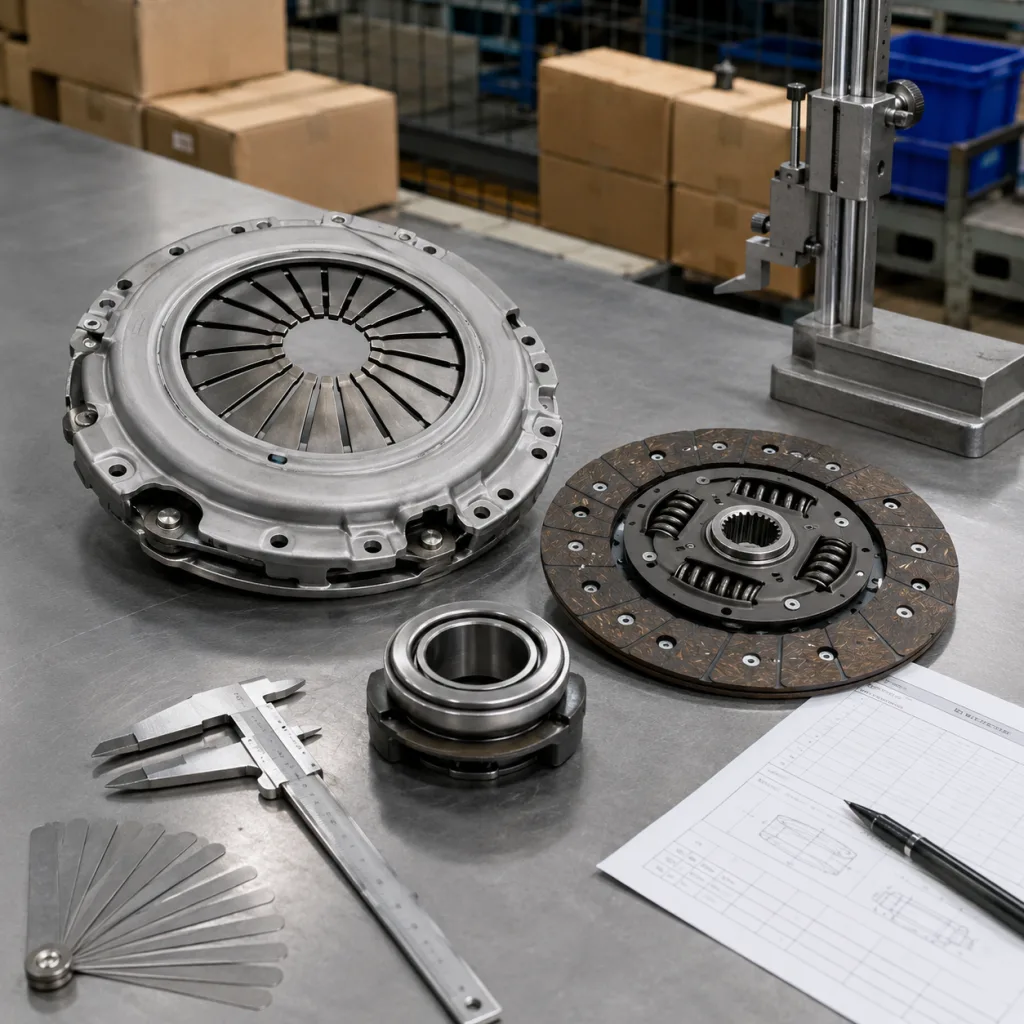
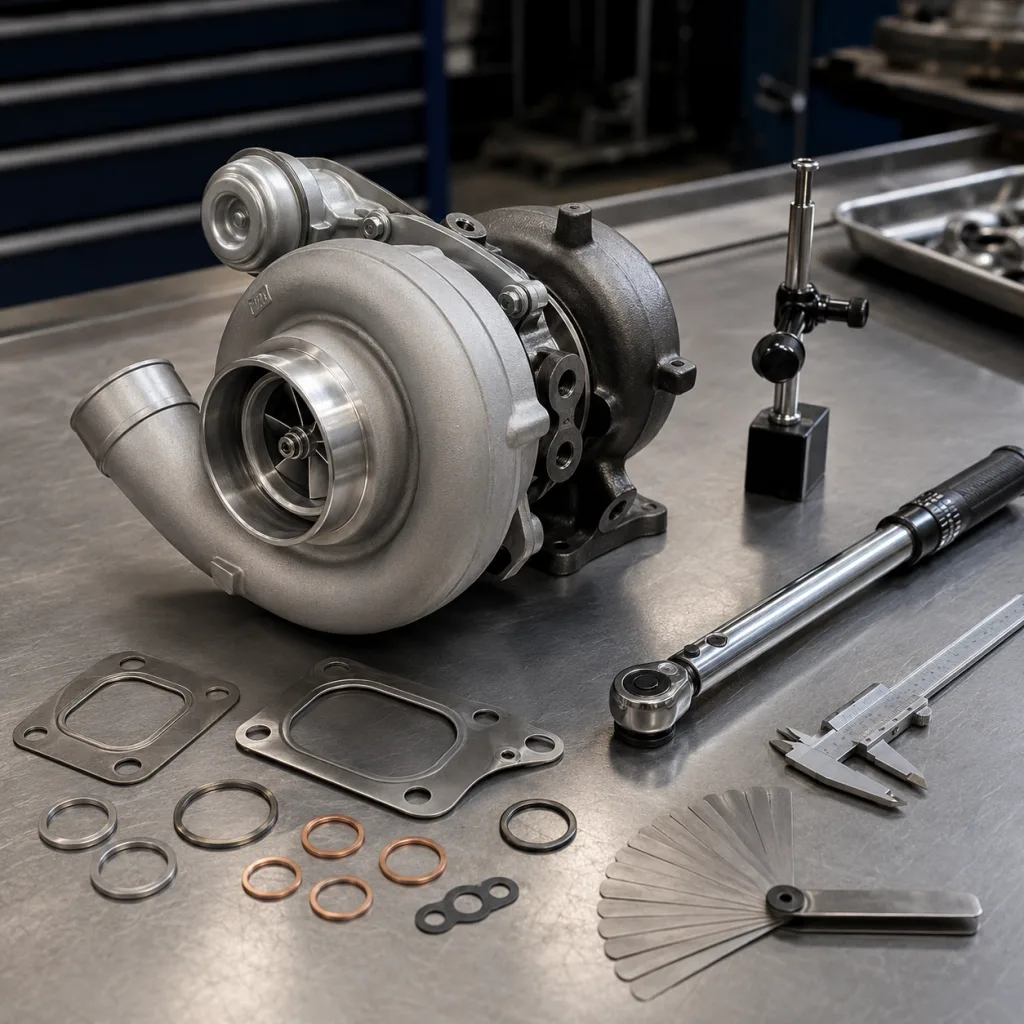
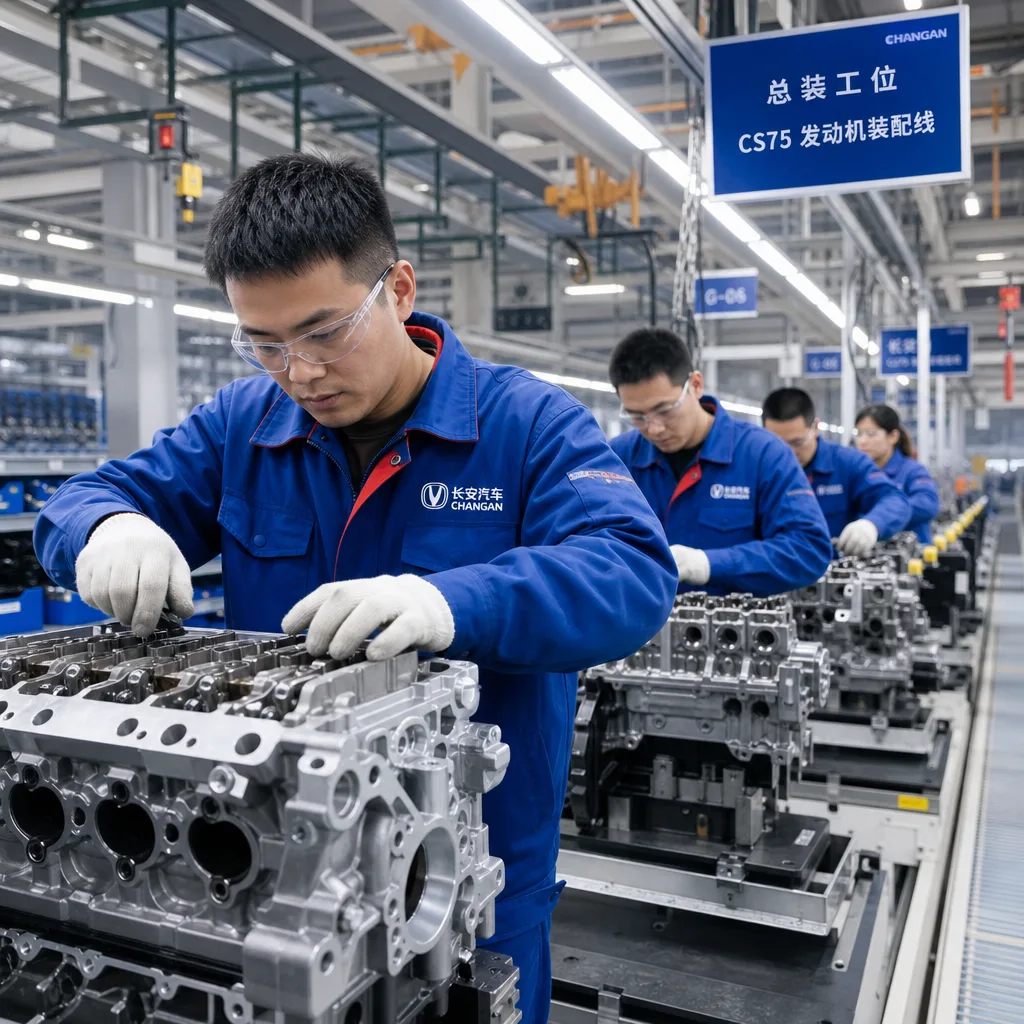
Choosing an engine bearing Vauxhall supplier is a risk-control decision, not a simple catalogue lookup. The part is inexpensive; the claim can be costly. Wall thickness, crush height, oil-hole alignment, alloy structure, packaging discipline, and traceable fitment data all affect whether a bulk program runs smoothly after import. Driventus manufactures engine and powertrain components in Taizhou, Zhejiang, and supplies distributors, wholesalers, repair-chain programs, and OEM/Tier-1 sourcing teams in more than 60 countries. For Vauxhall engine bearing sourcing, we focus on dimensional control, batch traceability, consistent packaging, and workable B2B terms including MOQ, price breaks, lead time, audit access, and export documentation. This article gives procurement and quality teams a sharper way to compare suppliers, avoid common failure modes, and define RFQs that can be quoted and produced without guesswork. Driventus is an independent aftermarket manufacturer; brand names are referenced for fitment only.
Decision Framework: Define the RFQ Before Asking for Price
If two suppliers quote different assumptions, the lower price may be meaningless. A bearing program should start with a controlled RFQ: exact application scope, size grade, set structure, packaging, documentation, and delivery basis. Otherwise, procurement receives numbers that look comparable but are built on different materials, inspection levels, or carton formats.
The reason is simple. Engine bearings are low-cost parts with high warranty exposure. A wall-thickness drift of 0.005 mm, an oil-hole offset of 0.3 mm, or inconsistent crush height can change oil clearance, reduce retention, and lead to noise, seizure, or premature crankshaft wear. Small deviations become expensive after installation.
A useful RFQ for an engine bearing Vauxhall supplier should state:
- Application range: model, engine code, displacement, fuel type, power rating if known, and production year range
- Bearing type: main bearing, connecting rod bearing, thrust washer, flanged bearing, or full set
- Size grade: standard, 0.25 mm undersize, 0.50 mm undersize, 0.75 mm undersize, or project-specific repair grade
- Set structure: bearing position and quantity per engine, such as 5-pair main sets or 4-pair rod sets
- Dimensional target: journal diameter, housing bore, bearing width, wall thickness, oil-hole diameter, and thrust face width where drawings exist
- Cross-reference format: buyer-supplied OE-style references only where already used in the buyer’s data
- Volume profile: annual demand, forecast pattern, and release frequency by SKU
- Packaging format: neutral bulk, distributor box, barcode label, private-label carton, or repair-chain kit
- Documents required: dimensional report, material declaration, batch certificate, inspection plan, and PPAP-style file if applicable
Commercial terms should be just as clear. State whether pricing is required on EXW, FOB Ningbo/Shanghai, CIF destination port, or DAP warehouse. Add target price level, break quantities, mixed-SKU shipment needs, and whether slow-moving undersizes may be consolidated. This reduces quotation gaps, sample rework, and catalogue disputes. Buyers consolidating Vauxhall engine parts with other European applications can use our catalog as a starting point for bearings, pistons, gaskets, water pumps, and related engine components.
Spec Deep-Dive: Materials, Geometry, and Process Controls
A capable supplier must control more than the finished shell. The structure, forming route, machining sequence, surface condition, and batch identity all matter.
Common aftermarket constructions include steel-backed aluminium-tin alloy bearings for standard service and steel-backed copper-lead intermediate layers with electroplated overlays where higher load capacity or conformability is required. The right construction depends on engine load, crankshaft condition, lubrication requirements, and the performance target for the application.
Driventus defines each bearing program by substrate, lining alloy, overlay system, locating lug geometry, oil-groove profile, oil-hole position, thrust face design, and final wall-thickness tolerance. Distributor programs usually focus on standard replacement sizes and common repair grades. OEM and Tier-1 projects may require drawing review, sample measurement, validation targets, and performance requirements through custom manufacturing.
Key control points include:
| Parameter | Typical control point | Why buyers should care |
|---|---|---|
| Wall thickness | Commonly controlled within 0.006–0.012 mm per approved drawing | Sets oil clearance after installation |
| Crush height | Fixture-based verification by position and set | Supports retention in the housing |
| Width and bore conformity | Go/no-go and dimensional checks against approved sample | Reduces assembly and fitment complaints |
| Oil-hole and groove position | Visual, fixture, and coordinate checks within drawing tolerance | Protects lubrication path alignment |
| Surface finish | Profile measurement on running surface and edges | Reduces initial friction and debris retention |
| Overlay and lining integrity | Cross-section, adhesion, and visual defect checks where specified | Reduces flaking, scoring, and fatigue risk |
| Marking and batch code | Lot-level traceability on part, box, or batch label | Supports warranty investigation and stock rotation |
| Sourcing item | Established SKU | New or custom SKU |
|---|---|---|
| Sample availability | Often 7–15 working days | Usually 20–35 working days |
| Trial order | Typically 100–300 sets where stock exists | Commonly 300–800 sets or one production batch |
| Price breaks | Usually quoted at 500 / 1,000 / 3,000 sets | Usually quoted after tooling and batch size are fixed |
| Mass production lead time | Commonly 30–45 days | Commonly 45–70 days after approval |
| Packaging setup | Standard label or neutral box | 7–15 days for buyer artwork and barcode validation |
| Documentation | Batch inspection report | Additional PPAP-style file if required |