engine bearing · 2026-06-11

Engine Bearing Ram Wholesale: Supplier Guide

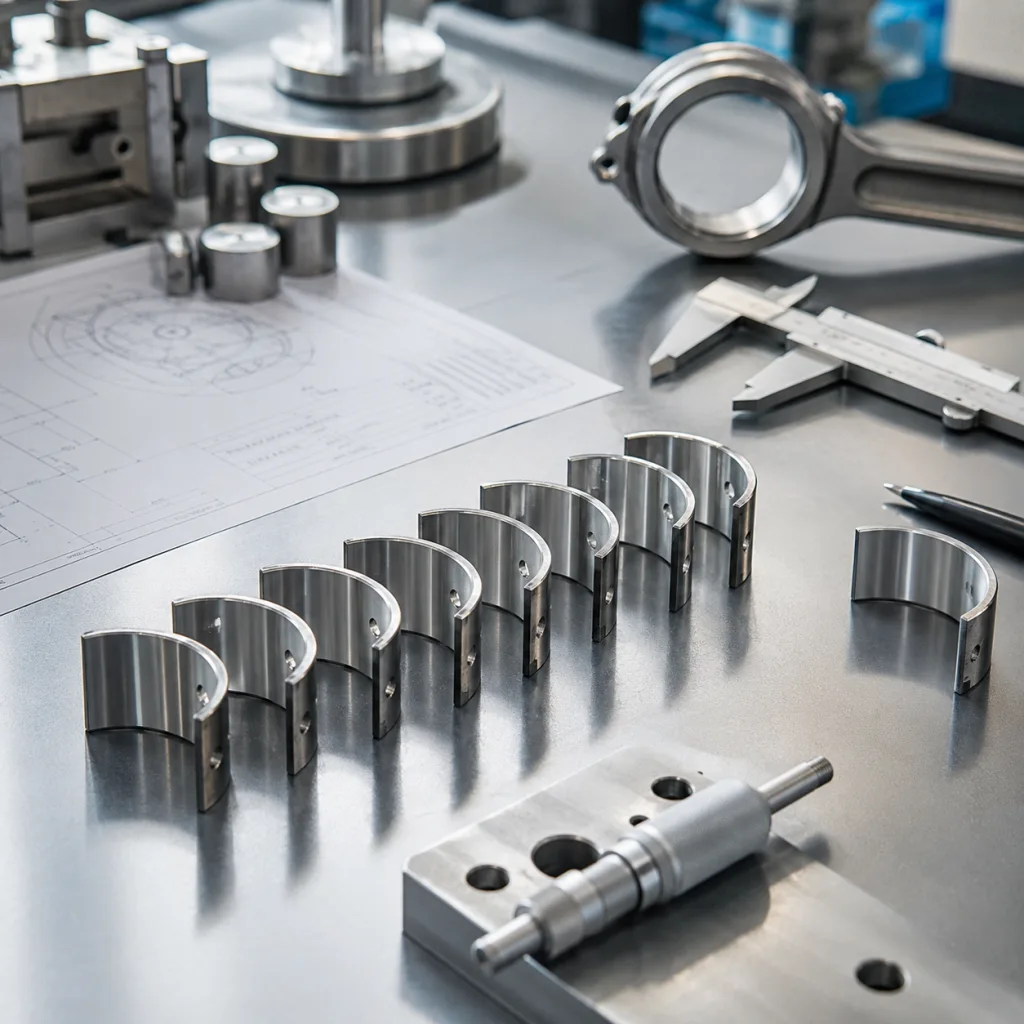
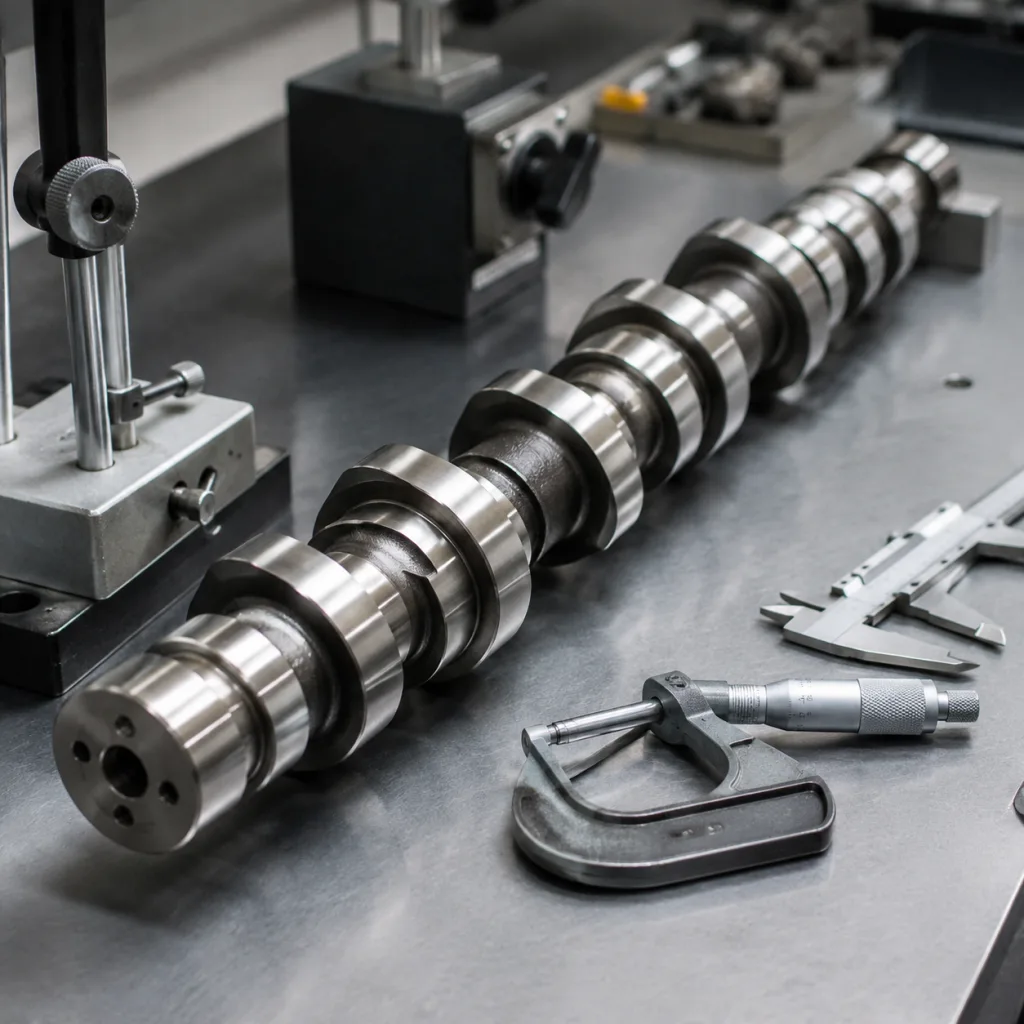
Engine bearing ram wholesale buyers usually need two things: consistent dimensional control and dependable supply. For engine bearings, that means clear alloy specifications, tight shell-thickness control, stable overlay performance, and traceable production records. Driventus supplies engine bearings from Taizhou, Zhejiang, for aftermarket distributors, OEM and Tier-1 programmes, and multi-location repair networks. We operate under IATF 16949:2016 and ISO 9001:2015, with material and process controls aligned to export requirements in the EU, UK, US, Canada, Australia, and Brazil. Driventus is an independent aftermarket manufacturer; brand names are referenced for fitment only. This article explains what procurement teams should verify before placing a wholesale order, including MOQ, lead time, test evidence, packaging, and OE cross-reference handling. If you are comparing suppliers, use the checklist below to reduce receiving risk and avoid mixed lots in warehouse stock.

What procurement teams should confirm first

For wholesale sourcing, start with fitment scope and finish with documentation. Engine bearings are not generic parts; each application depends on housing diameter, crankpin or main journal size, oil clearance, and shell configuration.

Key points to confirm before RFQ:

  • Application family: main bearing, conrod bearing, thrust washer, or cam bearing
  • OE cross-reference format where available, for example OE 06A107065
  • Material stack: steel back, copper-lead or aluminium-based lining, and overlay type
  • Required undersize or standard size range
  • Package quantity per set and carton
  • Target annual volume and call-off schedule
  • Required test reports or PPAP-style documents

If the programme is for aftermarket distribution, ask for mixed-lot control and label traceability. If it is for OEM or Tier-1 supply, request dimensional inspection data and sample approval before mass release.

Typical engine bearing specifications and tolerances

Engine bearing buying decisions should be based on measurable characteristics, not only part numbers. The exact target values depend on the engine family, but the following items are commonly specified in procurement documents.

</tr></thead><tbody> </tbody></table>Common inspection methods include micrometer checks, profilometry, coating adhesion review, and visual examination under controlled lighting. For export programmes, buyers often ask for confirmation against IATF 16949:2016 process control and ISO 9001:2015 document discipline. Where emissions-related validation is relevant to the powertrain programme, align chemical and material declarations with REACH (EC) No 1907/2006 requirements.

MOQ, lead time, and supply planning

Wholesale engine bearing supply is usually easier to manage when demand is grouped by engine family rather than by individual order. That reduces changeover and helps maintain stable batching.

Common commercial questions:

  • MOQ: often set by size family, packaging format, and special coating requirements
  • Lead time: depends on whether the item is stock, made-to-order, or has custom packaging
  • Sample lead time: usually shorter than bulk order lead time
  • Reorder cadence: monthly, quarterly, or project-based
  • Safety stock: recommended for distributors serving multiple repair channels

For high-volume buyers, we recommend annual demand forecasting with release schedules. That allows production planning, raw material reservation, and carton-label standardisation. For urgent replenishment, check current availability in our catalog and confirm the exact OE cross-reference before approval.

Testing, traceability, and quality documentation

Procurement teams should ask how each lot is verified, not just whether the supplier is certified. A valid quality system should cover incoming material control, in-process checks, final inspection, and lot traceability back to production records.

Driventus documents supply under a controlled quality system and can support buyer requests for:

  • Material declarations
  • Dimensional inspection records
  • Packaging and label traceability
  • Batch identification and production date coding
  • Sample retention for dispute review

For export accounts, it is also useful to define rejection criteria in advance. Typical causes of non-conformance include incorrect shell marking, coating damage, mixed size sets, and carton label mismatch. When buyers require special packaging, barcode formats, or private-label cartons, custom manufacturing can be used to align the product with the customer’s warehouse system.

How to compare suppliers without overpaying

Price per set is only one input. A lower unit price can become expensive if the supplier ships mixed lots, misses the fitment window, or uses inconsistent coating thickness.

Compare suppliers on these points:

1. Dimensional capability and control plan 2. Documented certification status 3. Export history and language support 4. Ability to cross-reference OE numbers without ambiguity 5. Packing consistency and barcode accuracy 6. Response time for samples and technical questions

A practical comparison matrix for buyers:

Item Typical control point Why it matters
Shell thicknessTight lot-to-lot controlAffects crush and installed height
Wall profileRoundness after assemblyPrevents local hot spots
Overlay thicknessConsistent across the batchSupports anti-seizure performance
Back material hardnessControlled to drawingSupports fatigue resistance
Oil groove geometryMatched to journal designSupports oil film stability
Coating conditionFree from voids or flakingReduces early wear risk

</tr></thead><tbody> </tbody></table>For distributors, this approach helps protect shelf reputation. For repair chains, it reduces returns and workshop delays. For OEM programmes, it supports APQP-style communication and launch stability.

Ordering engine bearings from Driventus

Driventus supplies engine bearings from a vertically integrated facility in Taizhou, Zhejiang, with export experience in more than 60 countries. Buyers can source standard replacement programmes, private-label cartons, and application-specific configurations for regional fleets.

What to send with an RFQ:

  • OE 06A107065-style cross-reference, if applicable
  • Required engine family and application
  • Target annual quantity and first order quantity
  • Packaging format and carton quantity
  • Required test reports, labels, or market-specific compliance notes

If you are building a new line or consolidating suppliers, include both technical drawing references and commercial targets in one request. That shortens quotation time and reduces clarification cycles. To start a sourcing review, please request a quote.

Frequently asked questions

Yes. We can review OE-style references such as OE 06A107065 where the keyword or application data is provided. Final confirmation should always use the engine family, dimensions, and sample approval.

Our operations are aligned with IATF 16949:2016 and ISO 9001:2015. We also support material and documentation requests tied to REACH (EC) No 1907/2006 where needed for export markets.

Yes. We offer private-label cartons, barcode labels, and packaging formats under custom manufacturing. Share your artwork, carton spec, and order volume with the inquiry.

If you are sourcing engine bearings for distribution, repair networks, or an OEM programme, send your specification and forecast for a quote review at /contact.html.

Request a Quote
Criterion Basic supplier Controlled manufacturer
Lot traceabilityLimitedFull batch traceability
Specification controlCatalogue onlyDrawing-based control
Sample supportSlowPlanned and documented
Export documentationPartialStructured for customs and QA
Custom packagingRareAvailable on request