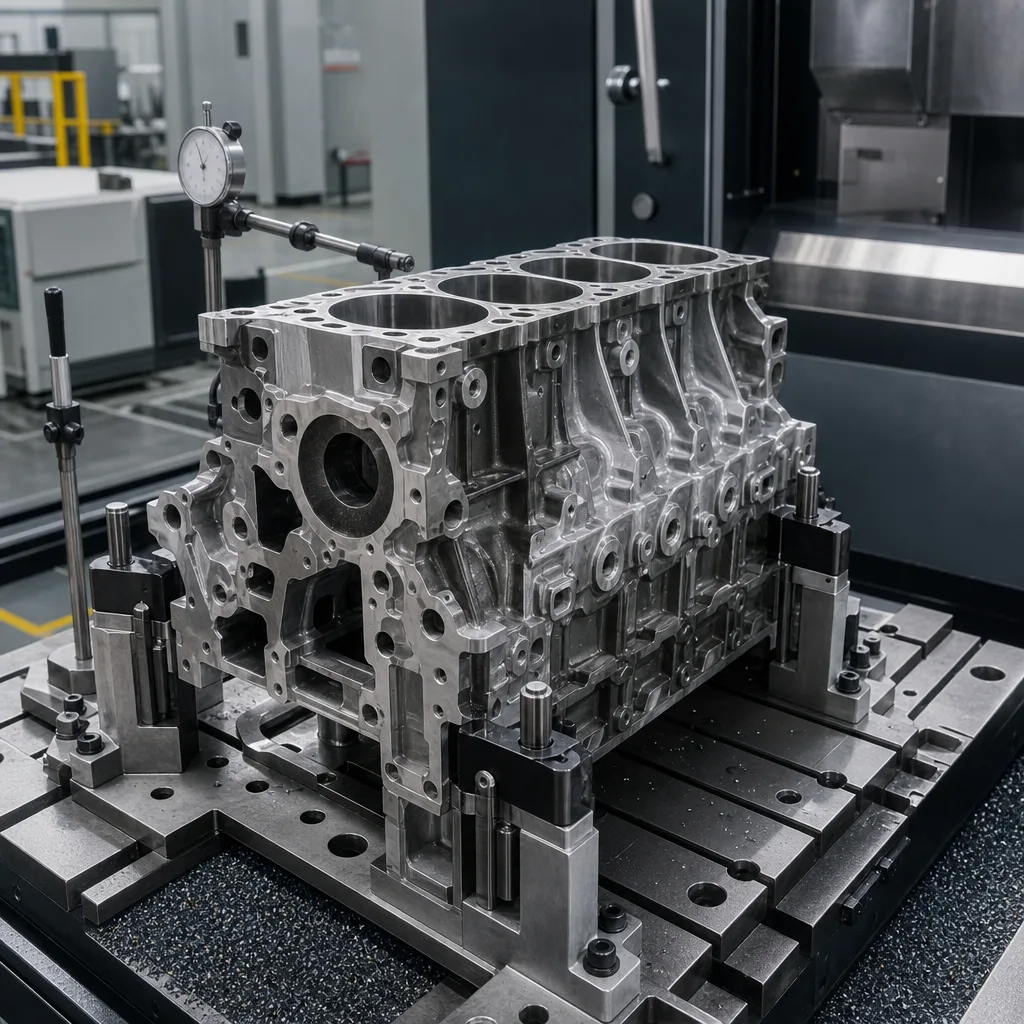
For buyers sourcing engine bearing Infiniti wholesale supply, the main questions are dimensional match, material consistency, production capacity, and traceable quality control. Engine bearings must maintain oil film stability under repeated load, so procurement teams should verify shell geometry, overlay composition, crush, and coating spec before release. For Infiniti applications, fitment data is often tied to OE cross-references rather than a single universal size, which makes part-number control essential. Driventus is an independent aftermarket manufacturer; brand names are referenced for fitment only. We supply to distributors, engine rebuilders, and importers who need stable batch quality, clear inspection records, and realistic lead times. This article outlines what to check before placing a purchase order, how to compare supplier capability, and which standards should appear in a technical file before shipment.
What to verify before placing an Infiniti bearing order
A bearing order should start with the engine code, OE cross-reference, and service dimension. Do not rely on vehicle model alone.
Minimum data set for procurement
OE part number or validated cross-reference, for example OE 12207-XXXXX style references where applicable
Engine family, bore size, and journal diameter
Standard or undersize requirement: 0.25 mm, 0.50 mm, or other validated service size
Shell material and overlay type
Coating requirement, if specified by the customer or rebuild programme
Packaging and label format for warehouse control
For importers, the practical risk is mismatch between catalogue naming and the actual journal spec. A supplier should confirm the bearing width, wall thickness, tang, oil hole location, and crush fit before mass production. If the application is part of a rebuild programme, ask for first-article samples and measurement reports before approval.
Typical product specifications buyers should compare
Engine bearings are not interchangeable across all Infiniti engines. Buyers should compare the technical sheet, not only the marketing description.
Spec item
Typical procurement check
Why it matters
Material
Steel-backed tri-metal or bi-metal construction
Load capacity and fatigue resistance
Overlay
Lead-free or leaded overlay, per customer spec
Compatibility with emissions and material policy
Journal clearance
Confirm against engine service data
Oil pressure and bearing life
Shell thickness
Match standard or undersize set
Correct crush and housing fit
Surface finish
Visual and roughness control
Start-up lubrication behaviour
Packaging
Set, half-set, or full engine kit
Warehouse accuracy and picking speed
</tr></thead><tbody> </tbody></table>For wholesale orders, consistency matters more than isolated test results. Ask for in-process checks on inner diameter, wall thickness, and 100% appearance inspection of the finished shells. If your programme uses OE cross-references, keep the approved interchange list locked to a revision-controlled spreadsheet.
Lead time, MOQ, and sourcing terms for wholesale buyers
Wholesale buyers usually balance inventory risk against forecast stability. Engine bearings are a controlled, repeat-order item, so a supplier should be able to quote both standard production and replenishment terms.
What to confirm early
MOQ by part number and by set type
Sample lead time and mass-production lead time
Packing carton quantity and pallet configuration
Incoterms, freight mode, and destination port
Spare capacity for urgent replenishment
For distributors, the best purchasing model is a stable annual forecast with quarterly releases. For repair-chain supply, smaller call-offs may be needed, but the supplier should still hold the same material spec and process route. Driventus supports wholesale programmes through our catalog and can align production planning to repeat demand when the forecast is provided in advance.
If the application includes mixed engine families, ask for consolidated shipping and kitting options through our custom manufacturing team.
Quality control documents and factory audit points
A bearing supplier should be able to provide a documented quality system, not just a sales sheet. At minimum, request evidence aligned with IATF 16949:2016 and ISO 9001:2015. For export markets, material compliance may also require REACH (EC) No 1907/2006 declarations where applicable.
Our quality system covers incoming material checks, process monitoring, and final inspection records. For purchasing teams, the most useful audit points are:
1. Raw material traceability by heat or lot number 2. Dimensional inspection frequency and gauges used 3. Coating thickness control, if coated bearings are supplied 4. Packaging line separation to avoid part-number mixing 5. Retention samples for complaint analysis
If your customer requires additional validation, ask for wear testing, corrosion checks, and documentation of any special inspection plan. Driventus can also support custom manufacturing for part-number programmes that need a controlled release schedule.
Fitment validation for Infiniti engine programmes
Fitment validation should be completed before the first commercial shipment. That means confirming the bearing set against the crankshaft journal, housing bore, and oil clearance at room temperature and at operating temperature where data is available.
Validation checklist
Measure journal diameter and housing bore with calibrated instruments
Verify bearing crush and side clearance
Confirm oil hole alignment where the application uses grooved shells
Check assembly torque and lubrication procedure
Run sample engines or dyno validation where the rebuild programme requires it
For higher-risk applications, buyers may ask for endurance testing aligned to customer specification. Published standards such as SAE J2527 are used in some material or durability contexts, while emissions-related vehicle system references may point to ECE R-83 in broader programme documentation. These standards do not replace engine-specific validation, but they can be useful in supplier qualification files.
Driventus is an independent aftermarket manufacturer; brand names are referenced for fitment only.
Why buyers source from a vertically integrated factory
A vertically integrated supplier has more control over consistency because key production steps are managed in one plant or tightly controlled supply chain. For engine bearings, this reduces the risk of dimension drift between material batches and finished shells.
Buyer advantages
Better lot traceability from raw strip to finished set
Faster response on repeat part numbers
More predictable tooling control and gauge maintenance
Easier audit of process ownership
Shorter communication chain for engineering changes
For aftermarket wholesalers, this matters most when a part number is sold across multiple regions. A supplier with export experience in the EU, UK, US, Canada, Australia, and Brazil should understand packaging, documentation, and label requirements for each market. Review our our catalog for available engine components, including related powertrain items in the engine components range.
If your team needs a controlled part-number launch, a single-source programme may reduce warehouse complexity and warranty exposure.
Frequently asked questions
Send the OE cross-reference, engine code, standard or undersize dimension, target quantity, and destination country. A clear application photo and sample label help prevent misidentification.
Yes. We can supply packaging, labelling, and carton formats for distributor programmes, subject to confirmed part numbers and forecast volume. Technical approval should be completed before branding.
We can provide quality documents aligned with IATF 16949:2016 and ISO 9001:2015, plus relevant material declarations where required. Final document scope depends on the product and destination market.
If you are building a wholesale supply list for Infiniti applications, send your part numbers and target volumes to review options and lead times. You can request a quote here: /contact.html