engine bearing · 2026-05-29

Engine Bearing Dodge Wholesale: Sourcing Guide for Buyers

Procurement teams sourcing engine bearing Dodge wholesale need more than a price list. The critical checks are journal fit, shell thickness, oil clearance, crush, coating, packaging, and the supplier's ability to hold those values across repeat orders. This matters whether you buy for distribution, remanufacturing, or fleet maintenance. Driventus is an independent aftermarket manufacturer; brand names are referenced for fitment only. Buyers should ask for dimensional data, material declarations, sample control, and traceable lot coding before they commit volume. For B2B programs, the decision is usually driven by audit readiness, MOQ, lead time, and whether the supplier can support OE cross-reference validation without making claims they cannot document.

What buyers should verify before issuing a PO

A low unit price is not enough. For engine bearings, the purchase order should define the exact application, the bearing type, and the acceptance criteria.

</tr></thead><tbody> </tbody></table>If you are comparing suppliers, ask for a controlled sample and a dimensional report from the same lot that will ship production. Buyers serving North America and Europe usually also request REACH (EC) No 1907/2006 declarations and a clear statement on restricted substances. That is basic procurement discipline, not paperwork for its own sake.

Fitment factors that matter in Dodge applications

Dodge engine programs can vary by engine family, model year, and service level, so fitment must be confirmed from the actual engine code or sample part, not from a nameplate alone. A bearing that looks correct can still fail if journal geometry or shell crush is off by a small margin.

Key points to verify:

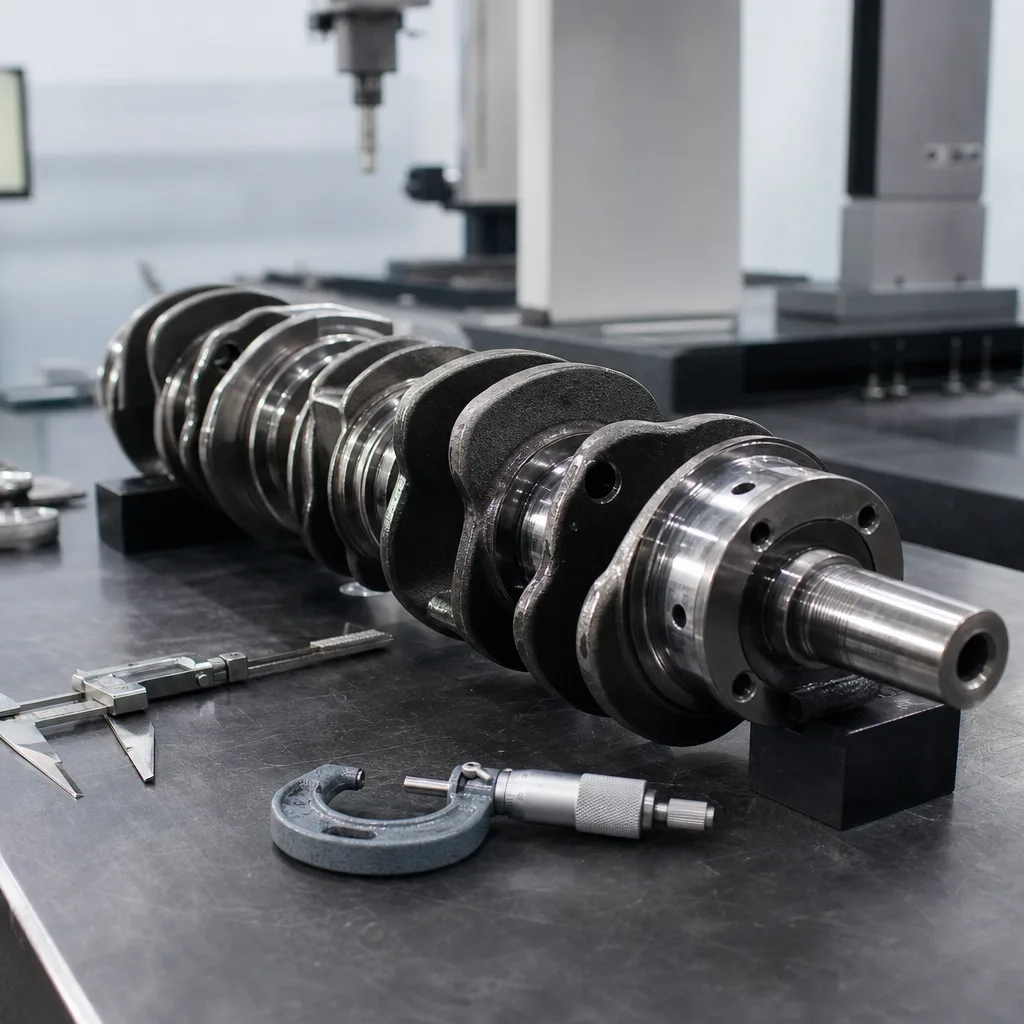
  • Journal diameter and width match the crankshaft or rod journal specification.
  • Shell crush is stable so the bearing stays seated under load.
  • Oil clearance is within the target range for the engine build.
  • Thrust bearing location is correct for the crankshaft design.
  • Back shell thickness and overlay stack-up are consistent across lots.
  • Surface finish supports clean assembly and controlled bedding-in.

For wholesale buyers, the practical question is repeatability. A sample that measures correctly once is not enough. You need consistent results across a production run, with incoming inspection data that lets your team spot drift before it reaches your customers.

Material and construction options

Different engine duties call for different bearing constructions. Remanufacturers, distributors, and repair chains should align the material choice with the expected load, lubrication quality, and service interval.

Checkpoint What to specify Why it matters
ApplicationEngine family, main or rod position, standard or undersizePrevents mix-ups between visually similar shells
DimensionsInner diameter, width, wall thickness, thrust locationControls fit and oil clearance
MaterialSteel-backed tri-metal, aluminium alloy, or lead-free variantAffects fatigue resistance and load capacity
SurfaceOverlay type, coating, and finish conditionInfluences break-in and scuff resistance
PackingBag count, label format, carton quantity, pallet methodReduces warehouse errors and transit damage
TraceabilityLot code, date code, inspection reportSupports claims handling and recall control

</tr></thead><tbody> </tbody></table>A buyer should also define the minimum documentation set. At a minimum, ask for material certificates, dimensional inspection records, and the supplier's quality system evidence. A plant operating under IATF 16949:2016 and ISO 9001:2015 should be able to explain inspection frequency, calibration control, and nonconformance handling without improvising.

MOQ, lead time, packaging, and audit readiness

Wholesale programmes are won or lost on execution. A supplier may offer the right part but still fail your business if MOQ is unrealistic, packing is unstable, or lead time changes from one order to the next.

When you compare offers from our catalog or from other vendors, ask for these items in writing:

  • MOQ by part number or by bearing family.
  • Standard lead time for stocked items and made-to-order items.
  • Sample lead time and sample approval method.
  • Export carton quantity, barcode format, and pallet configuration.
  • Audit documents, including the scope of the quality system.
  • Change-control rules for tooling, material, or coating updates.

For importers, the strongest suppliers are the ones that can support a factory audit, provide stable documentation, and keep shipment labels aligned with your warehouse system. If your team runs a new-vendor approval process, insist on a documented corrective-action path before the first container ships.

How Driventus supports wholesale programmes

Driventus supplies engine components to aftermarket distributors, OEM and Tier-1 supply chains, and multi-location repair networks. For buyers looking for custom manufacturing, the practical value is not just a bearing shell. It is controlled fitment, repeatable packaging, and the ability to match a market's service demand without overbuying inventory.

We can support:

  • Private-label packaging and carton artwork control.
  • Cross-reference verification against customer-supplied samples and drawings.
  • Mixed-order planning for distributors with multiple engine families.
  • Export packing suited to sea freight and regional warehouse handling.
  • Production documentation for internal approval workflows.

If your team is building a broader engine programme, you can also review our engine components range to consolidate sourcing across related parts. That can reduce supplier count and simplify inbound inspection, provided the specifications are locked before purchase.

Driventus is an independent aftermarket manufacturer; brand names are referenced for fitment only.

Frequently asked questions

Yes. The usual method is to confirm the engine code, bearing position, dimensions, and any undersize requirement. We then map the part to the correct production spec and packaging format before sampling or volume release.

Request dimensional data, material declaration, lot traceability, packaging details, and evidence of the supplier's IATF 16949:2016 or ISO 9001:2015 system. If the market requires it, also ask for REACH (EC) No 1907/2006 declarations.

Yes. Custom cartons, barcodes, and mixed-SKU packing can be set up for distributors and service networks. Approval normally starts with a sample, a label specification, and a confirmed MOQ so the production run matches your warehouse plan.

Share your target fitment, sample, or drawing and we will confirm spec, MOQ, and lead time for your programme. [Request a quote](/contact.html)

Request a Quote
Construction Typical use Procurement note
Steel-backed tri-metalHigher load and hotter operating conditionsStrong choice where fatigue resistance matters
Aluminium alloyBroad aftermarket coverage and cost controlUseful when the application does not require a heavy overlay system
Lead-free or low-friction overlayMarkets with substance restrictions or improved scuff controlConfirm material declaration and coating consistency
Thrust-style bearingCrankshaft axial controlCheck the thrust face location and thickness