EGR valve · 2026-06-10

EGR Valve Manufacturer China: B2B Sourcing Guide

Selecting an egr valve manufacturer china buyers can trust is a procurement decision that should be based on process control, validation evidence, and export readiness rather than unit price alone. Exhaust gas recirculation valves operate in a high-temperature, carbon-rich environment and can affect emissions control, idle stability, fuel economy, and engine warning systems. For distributors, OEM service suppliers, and repair-chain buyers, the main sourcing risks are inconsistent actuator response, poor sealing, weak corrosion resistance, unstable packaging quality, and incomplete cross-reference data. Driventus manufactures engine and powertrain components in Taizhou, Zhejiang, and exports to more than 60 countries. For EGR valve programs, buyers should review material specifications, electrical test methods, endurance validation, traceability, and batch documentation before issuing a purchase order. Driventus is an independent aftermarket manufacturer; brand names are referenced for fitment only.

Supplier Scope and Suitable Buyer Profiles

A capable EGR valve supplier should support both catalogue-based replacement demand and controlled development for private-label or programme-specific requirements. Procurement teams normally need stable fitment coverage, consistent labelling, reliable export packing, and documentation that can pass internal quality review.

Driventus supplies B2B customers including aftermarket distributors, wholesalers, OEM and Tier-1 sourcing teams, and multi-location repair chains. Buyers can review related engine and powertrain lines in our catalog, including adjacent engine management and mechanical components where bundled purchasing reduces freight and inspection cost.

Typical sourcing scenarios include:

  • Aftermarket distribution programmes requiring multiple EGR valve references across petrol and diesel applications.
  • Private-label supply for regional wholesalers with controlled packaging, labels, and carton markings.
  • Service-chain replenishment where dimensional match, connector fit, and failure-rate control are more important than broad SKU count.
  • Development projects requiring drawing review, sample validation, and controlled production under custom manufacturing.

For buyers comparing suppliers, the first filter should be production discipline. A low price is not useful if the supplier cannot maintain actuator calibration, leak performance, connector quality, or traceable batch records.

Core Technical Requirements for EGR Valve Procurement

EGR valves vary by engine platform, emissions strategy, actuator type, cooling layout, and connector configuration. A sourcing specification should separate mandatory fitment requirements from commercial preferences. This reduces quote errors and avoids samples that look correct but fail during installation or ECU response checks.

</tr></thead><tbody> </tbody></table>For cross-reference work, buyers should use the vehicle platform, engine code, connector layout, and OE-style reference format where available. If a programme uses a generic number format such as OE 06A... or OE 11251..., it should be supported by drawing or sample confirmation before production.

Quality System, Certification, and Factory Audit Points

A factory audit should verify more than certificate availability. IATF 16949:2016 and ISO 9001:2015 provide a useful framework, but procurement teams should still review the control plan, inspection records, calibration status, nonconforming-material procedure, and change-control process.

Driventus operates under IATF 16949:2016 and ISO 9001:2015 aligned quality management. Buyers can review the company quality system before supplier approval or sample nomination.

Recommended audit points for an EGR valve manufacturer include:

  • Incoming inspection records for castings, machined bodies, motors, sensors, connectors, springs, and sealing components.
  • Machining capability for gasket faces, valve seats, shaft bores, and mounting holes.
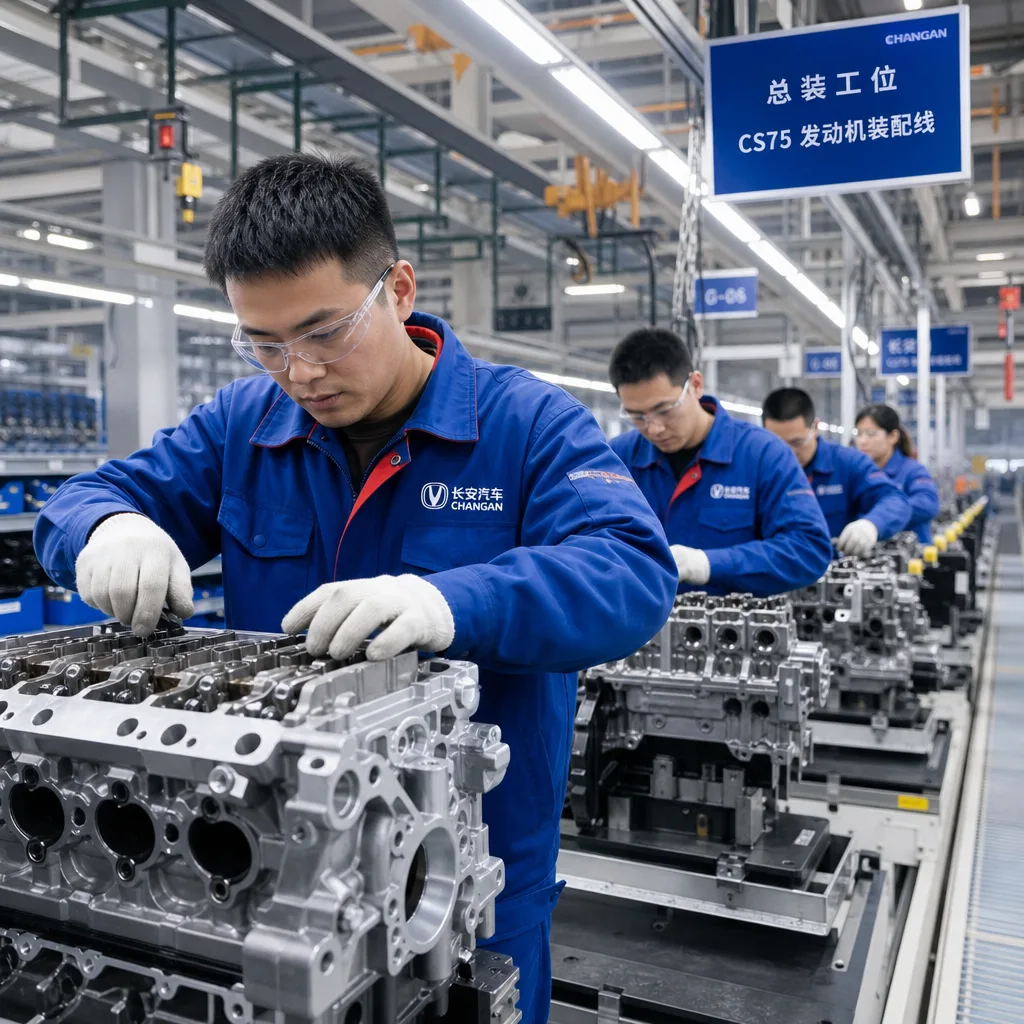
  • Assembly work instructions covering torque control, seal installation, actuator alignment, and connector handling.
  • End-of-line testing for leakage, actuator response, position feedback, continuity, and visual defects.
  • Calibration records for pressure gauges, flow equipment, electrical testers, torque tools, and dimensional gauges.
  • Traceability from component batch to finished valve lot, carton label, and shipping documents.
  • Engineering change control for material substitutions, connector suppliers, tooling changes, and software-related test limits.

For regulated markets, buyers may also request material declarations related to REACH (EC) No 1907/2006. EGR valve supply does not imply vehicle-level emissions approval; compliance responsibility depends on the complete vehicle, engine calibration, and local regulatory pathway, including frameworks such as ECE R-83 where applicable.

Validation Tests Buyers Should Request

Validation requirements should match the market position of the product. A budget aftermarket line may not require the same validation depth as an OEM service programme, but every serious sourcing project should include a defined sample approval plan and clear acceptance criteria.

Practical EGR Valve Test List

  • Dimensional inspection against drawing or approved sample, including mounting holes, flange flatness, connector orientation, and port geometry.
  • Seat leakage test at agreed pressure and temperature condition.
  • Actuator function test, including opening travel, closing response, resistance range, and position feedback where applicable.
  • Thermal cycling to check seal stability, actuator housing integrity, and connector durability.
  • Vibration exposure based on the buyer's application and internal test plan.
  • Salt spray or corrosion-resistance check for exposed metal surfaces and fasteners where required.
  • Carbon-fouling simulation or endurance bench cycling for higher-risk applications.
  • Packaging drop or vibration test for export cartons and pallet loads.

Buyers should ask for test reports that show sample quantity, test method, acceptance criteria, result, date, equipment identification, and operator or quality approval. A report that only states pass or fail without measured data has limited value for supplier qualification.

MOQ, Lead Time, and Commercial Controls

Commercial terms for EGR valve programmes depend on SKU count, tooling status, packaging requirements, and forecast stability. For catalogue items with existing tooling, the minimum order quantity is normally lower than for new development. Private-label cartons, barcode labels, and mixed-container consolidation may change the MOQ because packaging materials and line setup require separate control.

Typical procurement discussion points are:

  • MOQ by SKU and by shipment, separated for existing catalogue items and new-development references.
  • Sample lead time for stocked, tooled, and newly developed EGR valves.
  • Mass-production lead time after sample approval and packaging artwork confirmation.
  • Incoterms, pallet dimensions, carton weight limits, and mixed-SKU packing rules.
  • Price validity period, currency, tooling cost responsibility, and annual volume assumptions.
  • Warranty handling, claim evidence requirements, and credit or replacement procedure.

For a stable distributor programme, buyers should share a 6- to 12-month forecast and classify SKUs by movement speed. This helps the factory reserve critical motors, connectors, castings, and machined components. For a repair-chain programme, it is often better to start with fewer high-demand references, validate field performance, then expand coverage after receiving failure and returns data.

How to Shortlist an EGR Valve Manufacturer in China

A structured shortlist prevents sourcing teams from comparing suppliers on incomplete information. The best early-stage RFQ package includes the target references, annual volume, markets served, required packaging, quality documents, and sample expectations.

Use this supplier comparison checklist before nomination:

Requirement area What buyers should specify Why it matters
Valve typePneumatic, electric, linear actuator, rotary actuator, cooled or non-cooledDetermines control response and test method
Fitment dataApplication range, OE cross-reference convention, connector image, port geometryReduces catalogue and installation errors
MaterialsBody alloy, shaft material, valve plate material, seals, springsControls heat resistance, corrosion, and carbon exposure
Electrical parametersPin count, resistance range, sensor signal range, actuator travelPrevents ECU faults and unstable operation
Leak performanceSeat leakage limit and test pressure agreed by drawingAffects idle quality, emissions control, and drivability
PackagingNeutral, private label, barcode, anti-corrosion protection, pallet standardReduces receiving damage and warehouse relabelling

</tr></thead><tbody> </tbody></table>Driventus can quote catalogue EGR valves and discuss controlled development for specific buyer programmes. Send target references, sample photos, forecast volume, destination market, and packaging requirements to request a quote. Driventus is an independent aftermarket manufacturer; brand names are referenced for fitment only.

Frequently asked questions

Provide the target reference list, vehicle applications, engine codes where available, connector photos, annual volume, destination market, packaging requirements, and any required test reports. If the reference is not in the catalogue, an approved sample or drawing helps confirm dimensions and electrical parameters.

Yes. Private-label supply can include neutral or customer cartons, barcode labels, carton marks, and pallet requirements. MOQ and lead time depend on SKU count, packaging artwork approval, and whether the valve is an existing catalogue item or requires development.

No. IATF 16949:2016 and ISO 9001:2015 relate to quality management systems. They do not mean approval or endorsement by any vehicle manufacturer. Driventus is an independent aftermarket manufacturer; brand names are referenced for fitment only.

For a controlled sourcing review, send your EGR valve reference list, forecast volume, and packaging requirements. Driventus will confirm availability, MOQ, sample timing, and documentation through /contact.html

Request a Quote
Evaluation point Acceptable evidence
CertificationCurrent IATF 16949:2016 and ISO 9001:2015 certificates with valid scope
Fitment competenceCross-reference file, connector images, application notes, sample comparison records
Process controlControl plan, inspection work instructions, end-of-line test records
Engineering supportDrawing review, sample reverse engineering, material confirmation
Export readinessHS code support, carton labelling, palletisation, document accuracy
After-sales handlingClaim process, failure-analysis format, batch traceability