EGR Cooler Nissan Supplier: Sourcing Guide for Buyers
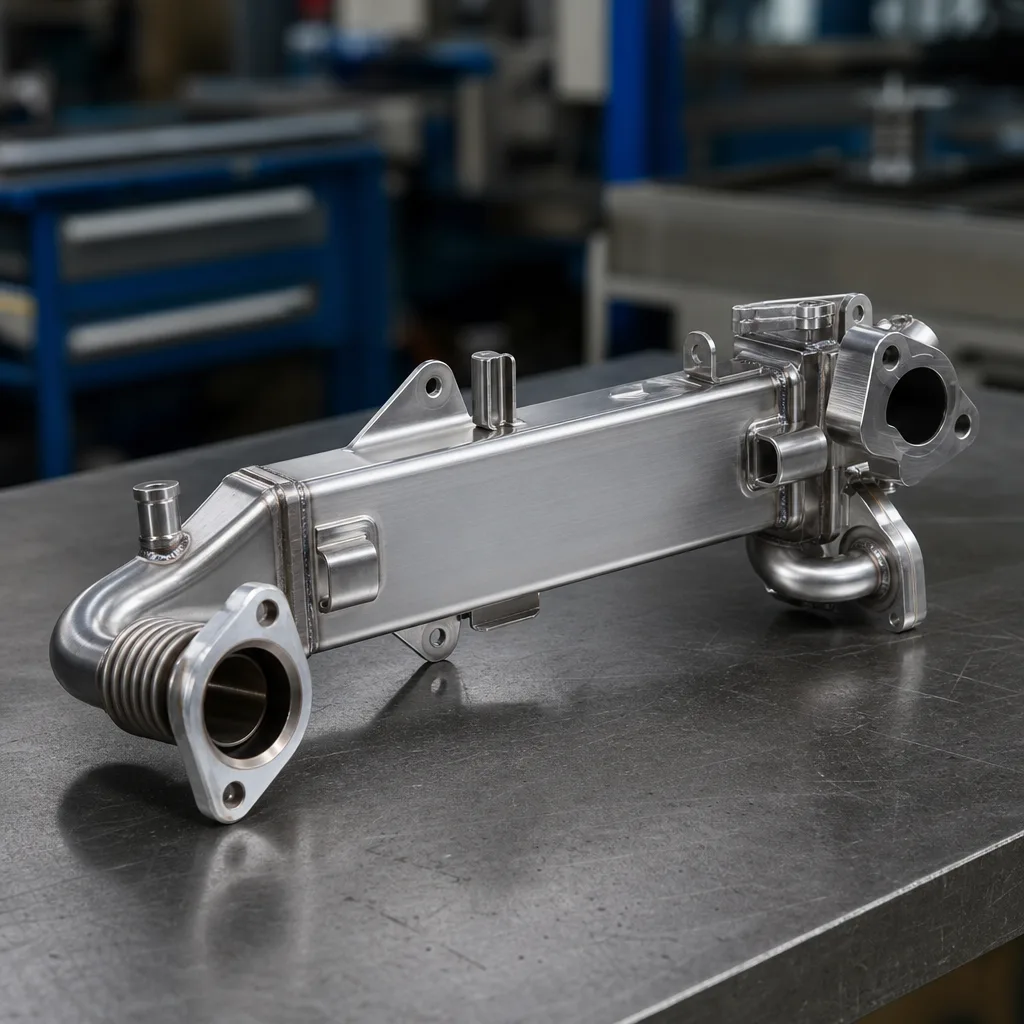
Procurement teams sourcing an EGR cooler Nissan supplier need more than a part number match. The key checks are fitment, thermal durability, leak resistance, emissions-related material compliance, and stable supply under repeat demand. For Nissan applications, buyers often compare OE cross-references, tube-and-plate construction, weld quality, and coolant-side pressure test results before moving to sample approval. Driventus is an independent aftermarket manufacturer; brand names are referenced for fitment only. We supply engine and powertrain components from Taizhou, Zhejiang, with IATF 16949:2016 and ISO 9001:2015 systems in place. For buyers in the EU, UK, US, Canada, Australia, and Brazil, the sourcing decision usually comes down to technical validation, documentation pack quality, and the supplier’s ability to support forecasted volumes without changes to critical dimensions.
What buyers should verify before sourcing
When evaluating an EGR cooler for Nissan applications, buyers should confirm that the supplier can support the full commercial and technical package, not just the casting or brazed assembly.
Minimum sourcing checks
- OE cross-reference and application scope, including engine family and model year range
- Core dimensions, inlet and outlet orientation, flange pattern, and bracket locations
- Material specification for tubes, headers, shells, and gaskets
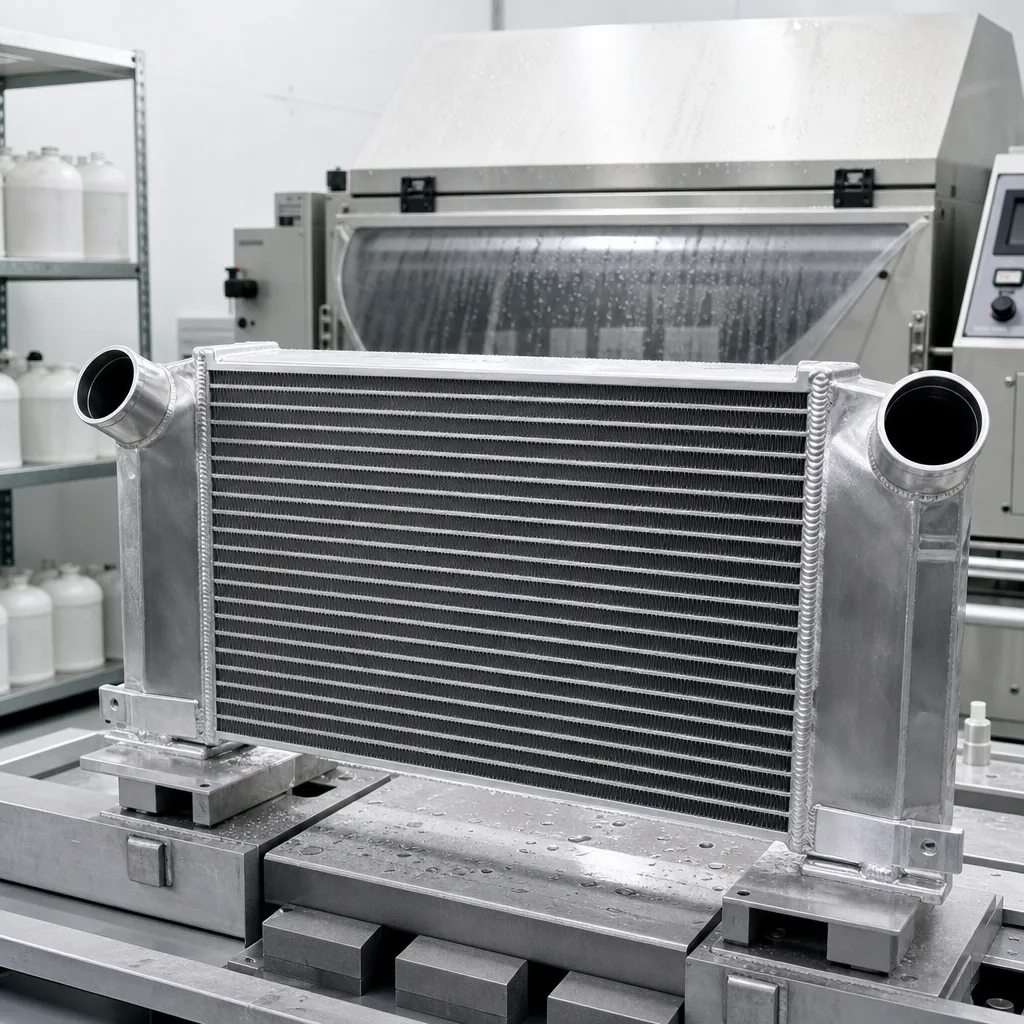
- Coolant-side pressure test and leak test method
- Exhaust-side durability expectations under thermal cycling
- Packaging standard and label traceability
- Sample and production lead-time, plus MOQ by part number
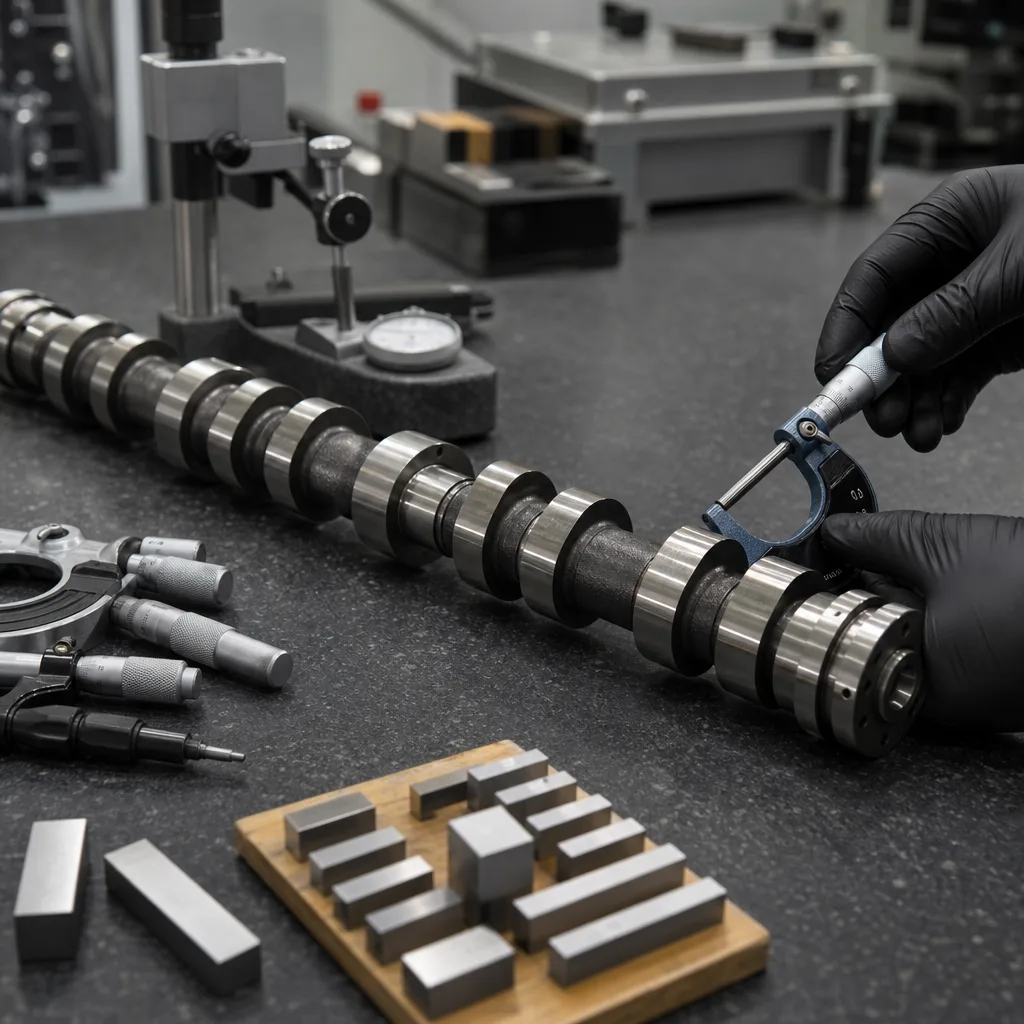
A good supplier should provide drawing control, process flow, and inspection records. If the programme is sensitive, ask for PPAP-style evidence, even when the commercial route is aftermarket. For material and chemical compliance in regulated markets, request declarations aligned to REACH (EC) No 1907/2006 and confirm that any restricted substances are controlled at the source.
Technical criteria that affect fit and durability
EGR cooler performance depends on heat transfer, coolant flow, and resistance to soot-related fouling. For procurement, the practical question is whether the part will fit and survive the duty cycle in the target vehicle line.
| Item | What to confirm | Why it matters |
|---|---|---|
| Core construction | Tube-and-fin, tube-and-shell, or brazed plate variant | Affects heat rejection and pressure drop |
| Weld quality | Full weld continuity, no pinholes, no undercut | Prevents coolant loss and exhaust leakage |
| Pressure resistance | Coolant-side test pressure and hold time | Screens out micro-leaks before shipment |
| Thermal resistance | Repeated heat soak and cooldown performance | Reduces cracking risk under load |
| Mounting geometry | Hole spacing, bracket thickness, gasket face flatness | Avoids installation issues and exhaust leaks |
| Surface finish | Corrosion protection and scale control | Supports service life in mixed climates |