EGR Cooler BMW OEM Supplier: Sourcing and Quality
Procurement teams sourcing an EGR cooler BMW OEM supplier need more than a price list. The part must match OE installation points, withstand thermal cycling, and pass emissions-related durability requirements without introducing coolant leakage or exhaust restriction. For BMW applications, the buying decision usually depends on dimensional match, tube and header material selection, weld integrity, corrosion resistance, and production consistency across batches. Driventus supplies engine and powertrain components to aftermarket distributors, OEM / Tier-1 channels, and repair networks, with manufacturing controlled under IATF 16949:2016 and ISO 9001:2015. Driventus is an independent aftermarket manufacturer; brand names are referenced for fitment only. For buyers, the practical questions are simple: can the supplier hold the drawing, support OE cross-reference verification, provide traceable inspection records, and ship on a schedule that fits regional stocking plans? Those are the questions this article addresses.
What buyers should verify before sourcing
When selecting an EGR cooler BMW OEM supplier, start with fitment data and production control rather than unit price alone. The cooler must align with the OE mounting pattern, port orientation, coolant connection size, and overall envelope. A small mismatch can create installation delay or stress on adjoining EGR valves, pipes, and hoses.
Key buyer checks:
- OE part-number cross-reference validation at VIN or engine-code level
- Overall length, width, and flange thickness against the approved drawing
- Coolant-side and exhaust-side connection geometry
- Weld process stability and leak test records
- Material declaration for tubes, headers, brazing alloy, and gaskets
- Packaging spec for export and warehouse handling
For catalogue review, see our catalog and the related engine family range at /products/engine-components.html.
Manufacturing controls that reduce field failures
EGR coolers operate under repeated thermal shock, soot loading, and coolant corrosion. In practice, failure risk is driven by weld quality, internal flow design, and material choice. Driventus production controls focus on repeatability across high-volume export batches.
Typical control points include:
| Control item | Typical buyer expectation |
|---|---|
| Material | Stainless steel or approved corrosion-resistant alloy for hot-side components |
| Leak test | 100% pressure or air-decay test before packing |
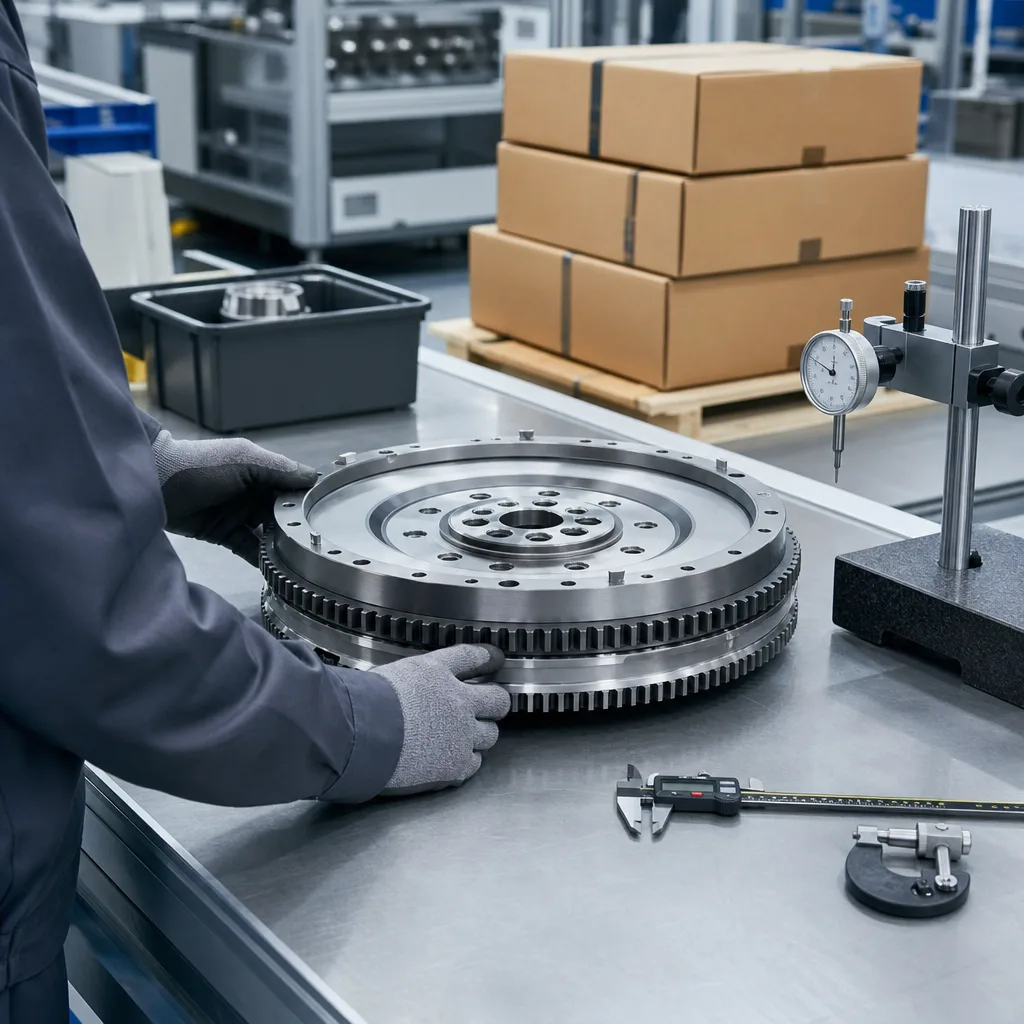
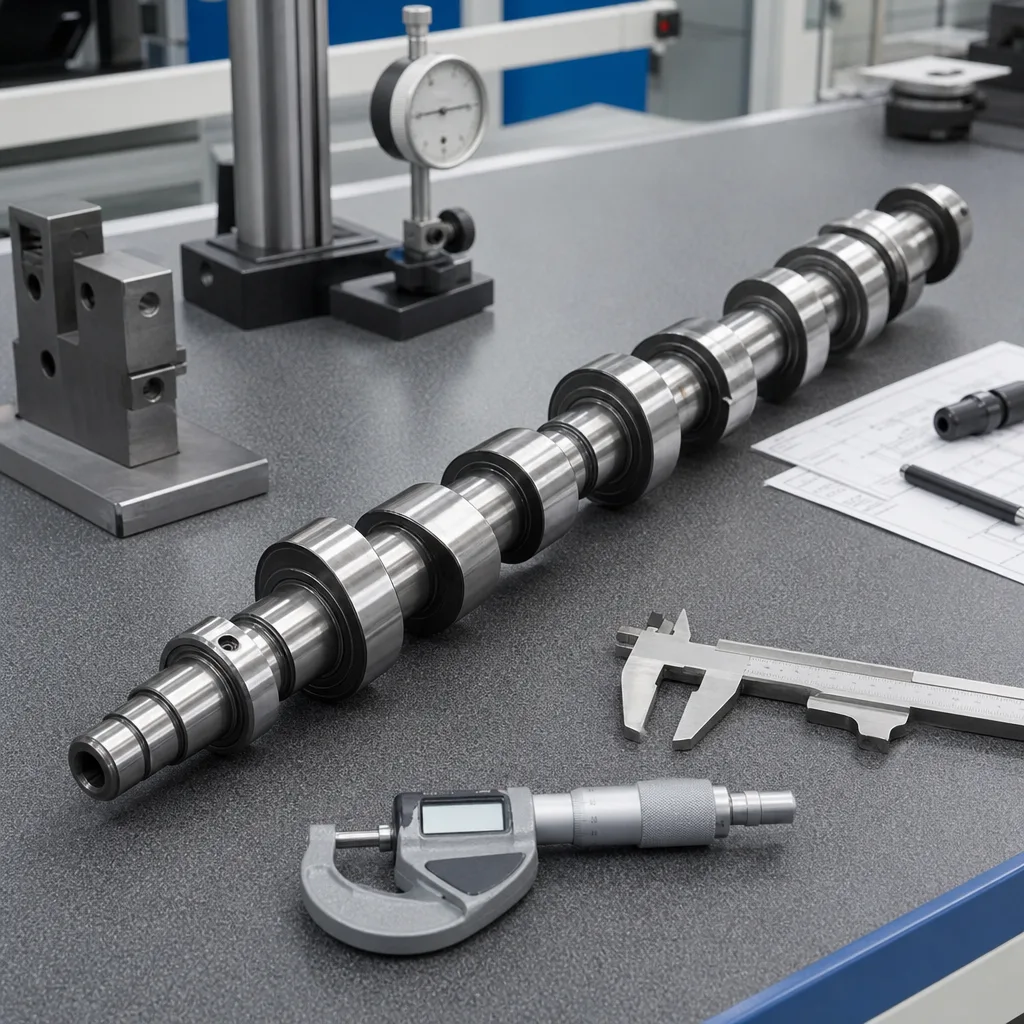
| Dimensional inspection | Critical dimensions checked to drawing tolerances |
| Weld inspection | Visual inspection plus process records for seam consistency |
| Traceability | Batch code linked to raw material and production lot |
| Packaging | Moisture-resistant export packing with part-level identification |