Cylinder Sleeve Seat Manufacturer China Sourcing Guide
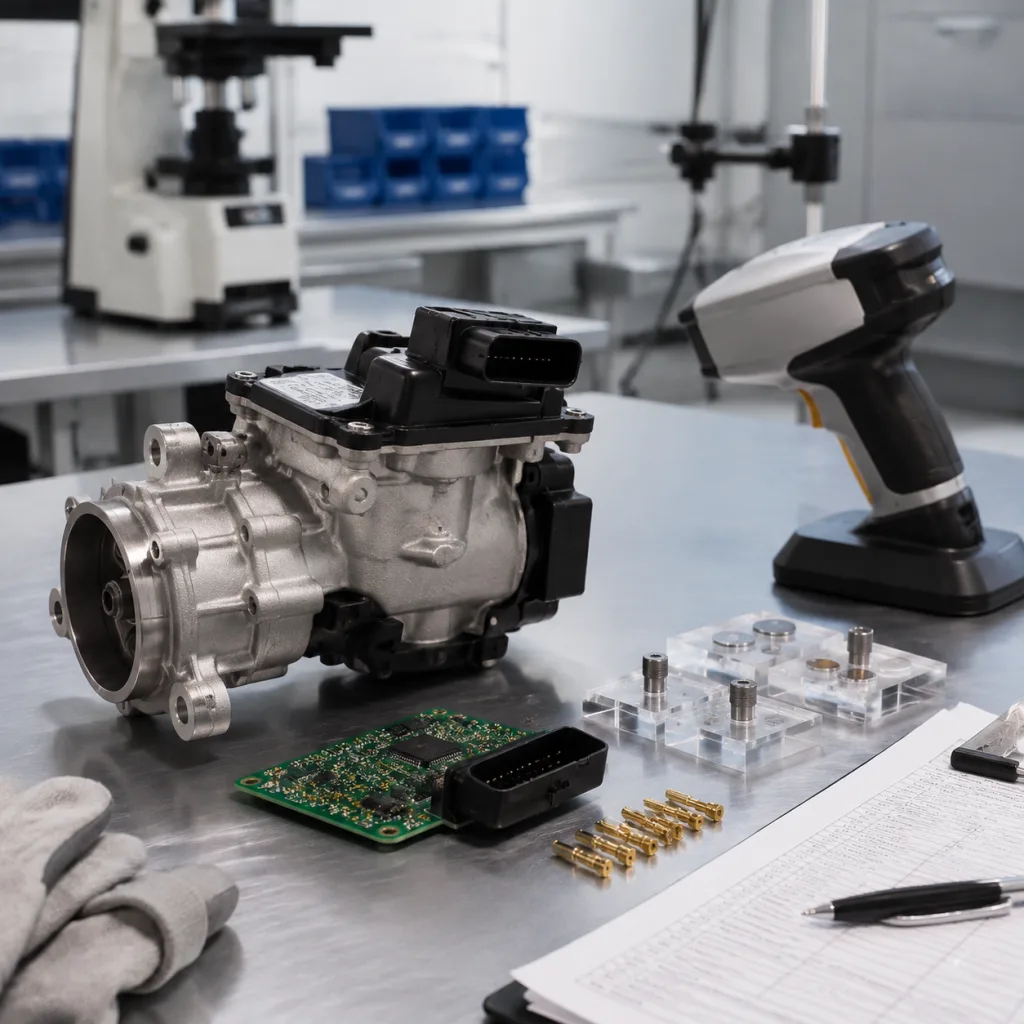
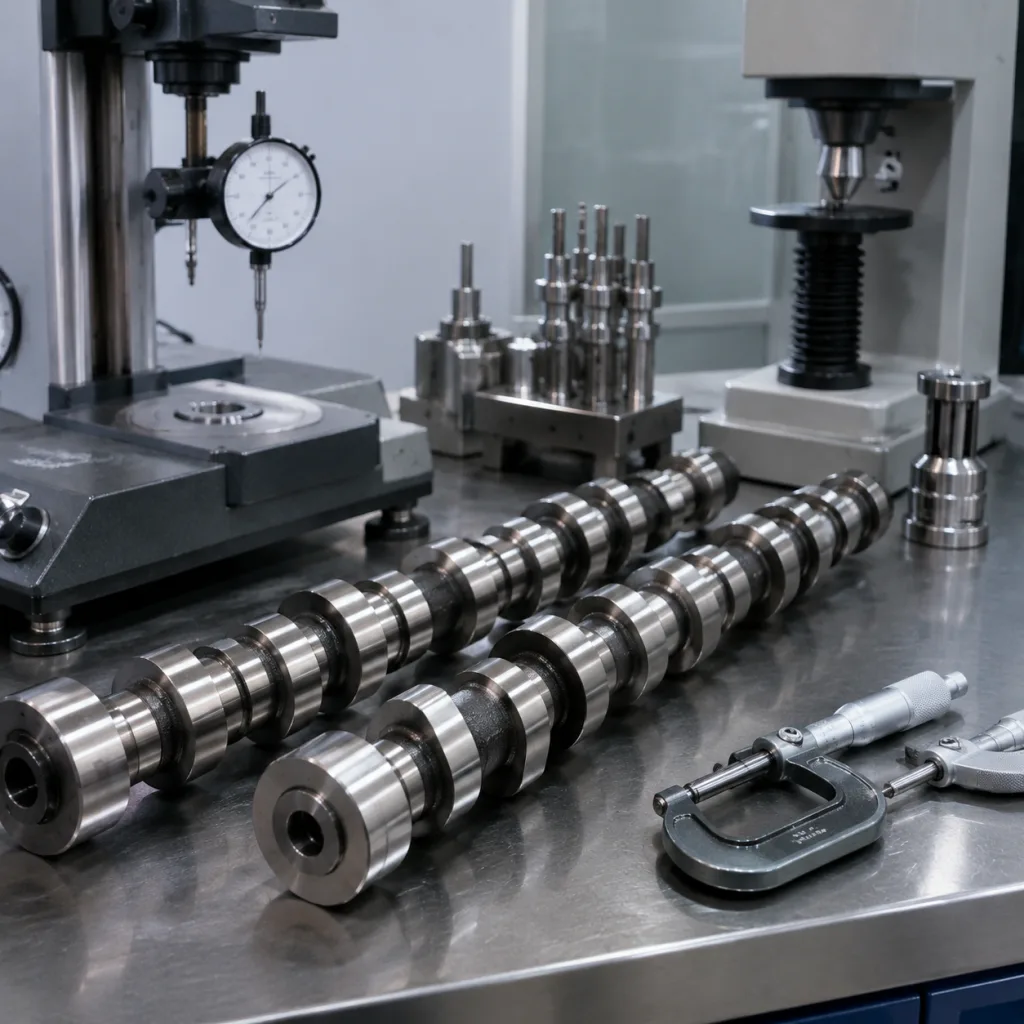
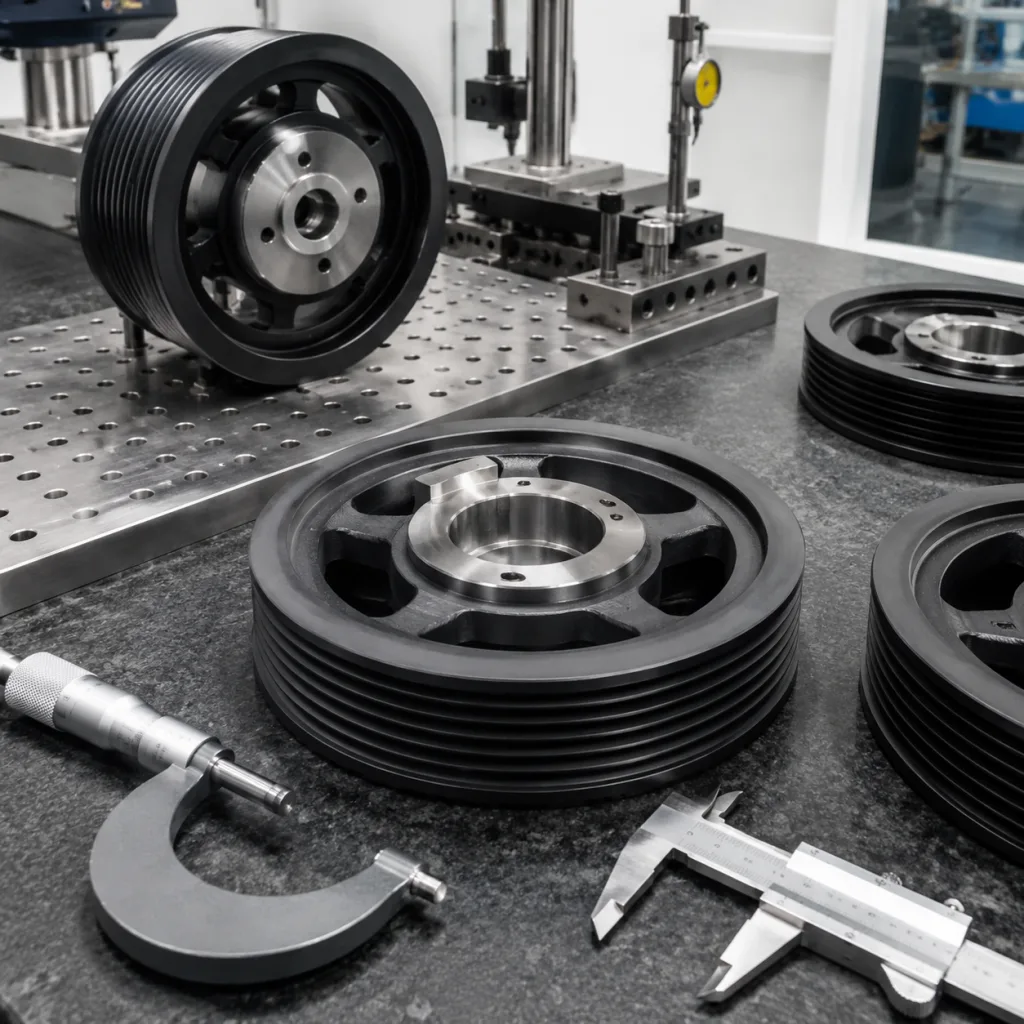
Choosing a cylinder sleeve seat manufacturer in China is a technical sourcing decision, not just a unit-price comparison. Although sleeve seats are small compared with the engine block, liner, or powertrain assembly, their flatness, concentricity, surface finish, and material stability influence sleeve clamping, combustion sealing, assembly yield, and warranty risk. Driventus manufactures engine and powertrain components in Taizhou, Zhejiang, supplying distributors, wholesalers, OEM-adjacent programmes, Tier-1 suppliers, and repair-chain procurement teams. Our factory operates under IATF 16949:2016 and ISO 9001:2015, with incoming material inspection, CNC process control, final inspection, and batch traceability. This guide explains what buyers should verify before placing a production order, including specifications, validation documents, MOQ, lead time, packaging, and audit readiness. Driventus is an independent aftermarket manufacturer; brand names and OE references are used for fitment identification only.
What Procurement Teams Should Define Before RFQ
A strong RFQ reduces avoidable sampling rounds and helps prevent parts that look correct but fail during machining, installation, or inspection. For cylinder sleeve seats, buyers should define the engine family, application type, mating sleeve material, installation method, datum structure, and required inspection level. If the part is intended for aftermarket distribution, commercial packaging, private-label artwork, carton strength, and replenishment format should also be agreed early.
Key RFQ inputs include:
- Drawing or sample part with datum references
- Material grade and hardness range, or approval to propose an equivalent material
- Critical dimensions, including inner diameter, outer diameter, height, chamfer, and seating face flatness
- Surface finish requirement on the sleeve contact face
- Batch quantity, annual demand estimate, and forecast stability
- Required documents such as inspection report, material certificate, and control plan
- Packaging format for export cartons, pallets, distributor stock, or repair-chain replenishment
Buyers can review related engine component lines in our catalog and confirm whether the project needs a standard sleeve seat, a modified specification, or new tooling development.
Typical Technical Specification Points
Cylinder sleeve seat requirements vary by engine design, material pairing, machining allowance, and rebuild practice. Procurement teams should not rely only on external appearance or nominal diameter. A seat may meet a general size tolerance but still create assembly problems if the contact face is not flat enough, the bore is not concentric, or the edge condition damages the sleeve during installation.
| Specification point | Typical procurement requirement | Why it matters |
|---|---|---|
| Material | Cast iron, alloy steel, or specified equivalent | Controls wear, thermal stability, and machinability |
| Seat face flatness | Drawing-defined, often in the micrometre range | Supports uniform liner clamping |
| Diameter tolerance | Drawing-defined, commonly checked by GO/NO-GO gauge, micrometer, or CMM | Prevents loose fit, interference issues, or installation distortion |
| Surface finish | Ra value defined by the mating interface | Reduces leakage paths and uneven contact |
| Hardness | Batch controlled against material specification | Confirms heat treatment or material consistency |
| Chamfer and edge condition | Burr-free edge with defined transition radius where required | Reduces installation damage and handling risk |
| Traceability | Heat, batch, inspection lot, and packing record | Supports containment if a field issue occurs |
| Supply scenario | MOQ driver | Typical lead-time factor |
|---|---|---|
| Standard stocked item | Carton quantity and inventory level | Existing stock or next production batch |
| Standard item with private-label packing | Label, carton, and documentation setup | Packing confirmation and artwork approval |
| Modified dimension from existing family | Fixture and CNC programme adjustment | Sample approval before mass production |
| New drawing or sample development | Tooling, validation, and inspection planning | Material lead time plus first sample testing |