Cylinder Sleeve Fiat Wholesale: Sourcing Guide for Buyers
Procurement teams buying cylinder sleeves for Fiat applications need three things first: dimensional match, stable supply, and documented quality control. For wholesale sourcing, the part is not just a cast or centrifugally cast tube. It must hold bore geometry, surface finish, hardness, and concentricity within the limits required by the engine family and the rebuild method. Driventus supplies cylinder sleeves as part of a broader engine-component range for aftermarket distributors, OEM/Tier-1 customers, and repair networks. Driventus is an independent aftermarket manufacturer; brand names are referenced for fitment only.
For Fiat programmes, buyers normally validate the sleeve against OE dimensions, block material, and machining allowance before moving to production orders. If your team is comparing suppliers, focus on the mill test record, metallurgical consistency, and process control rather than only unit price. The sections below summarise what to check when sourcing cylinder sleeve Fiat wholesale, including certification, lead time, and custom manufacturing options. If you need catalogue access, see our catalog at /products.html and the quality system at /quality.html.
What wholesale buyers should confirm first
Before placing a cylinder sleeve Fiat wholesale order, procurement teams should confirm the following points with the supplier:
- Application: specific engine code, displacement, and bore size
- Sleeve type: dry sleeve, wet sleeve, or repair sleeve
- Base material: alloy cast iron, ductile iron, or steel-backed construction where applicable
- Finished bore diameter and machining allowance
- Outer diameter, wall thickness, and interference fit requirement
- Surface finish and hardness target
- Pack quantity, MOQ, and carton marking
- Traceability: batch number, heat number, and inspection record
A supplier that cannot provide dimensional control data is a higher sourcing risk, especially for export programmes in the EU, UK, US, Canada, Australia, and Brazil. For procurement, the technical file should support repeat orders without requalification every time.
Technical specifications and tolerance control
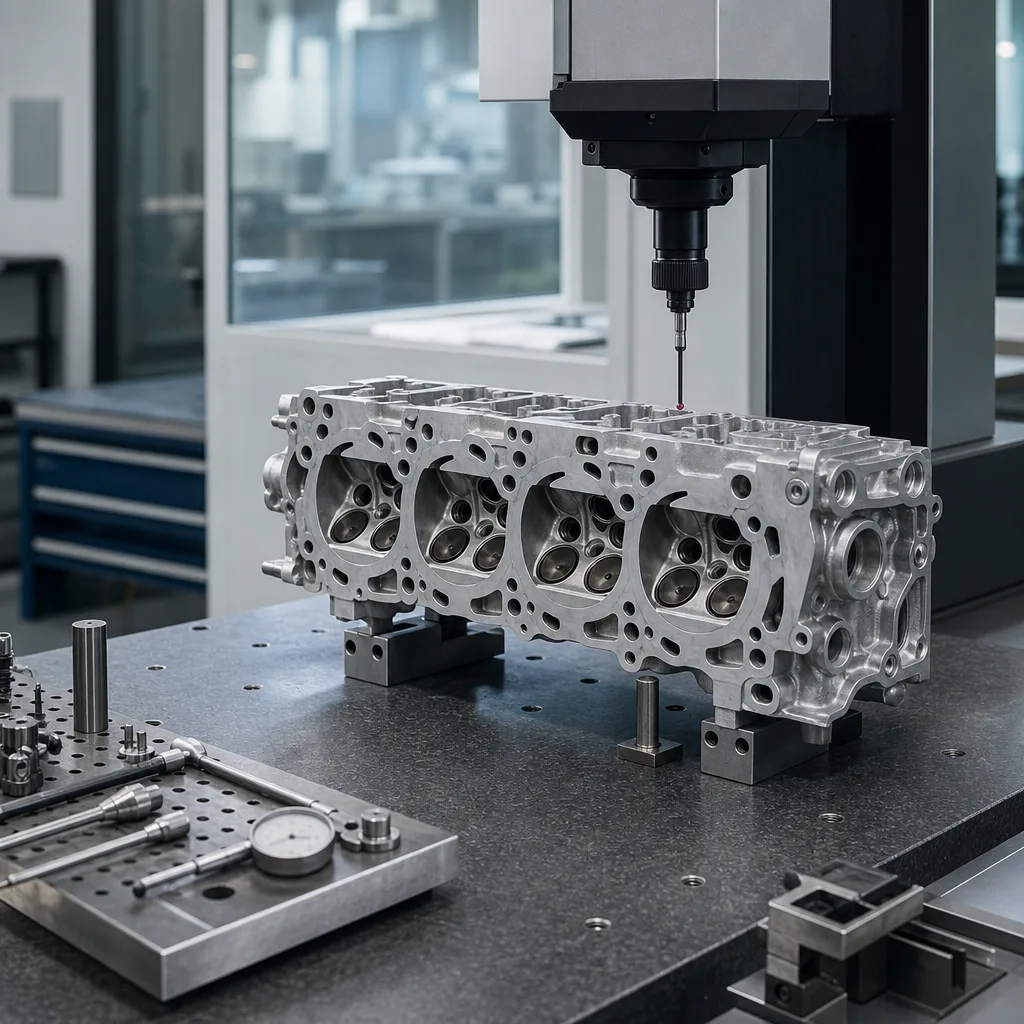
Cylinder sleeves are judged on geometry and stability after installation. Typical buyer checks include roundness, taper, and concentricity between the outer and inner diameters. The exact target depends on the engine family and machining plan, but the supplier should state the measured values rather than only nominal size.
| Control item | Typical buyer expectation | Why it matters |
|---|---|---|
| Material consistency | Heat-to-heat control with test records | Reduces variation in wear and machining |
| Bore finish | Suitable for ring seating and honing | Affects break-in and oil control |
| OD interference fit | Matched to block machining spec | Prevents sleeve movement |
| Wall thickness | Uniform across the sleeve | Supports heat transfer and strength |
| Concentricity | Controlled within drawing limits | Helps maintain bore geometry |
| Hardness | Verified on batch basis | Supports wear resistance |