cylinder liner · 2026-05-28

Cylinder Liner Lexus Manufacturer China for B2B Sourcing

For buyers searching for a cylinder liner Lexus manufacturer China, the first filter is not price. It is fitment control, material consistency, and export documentation. Lexus applications often share engine architecture with other Toyota families, so the supplier has to verify the actual engine code, bore size, flange geometry, and surface finish rather than relying on the vehicle badge. Driventus is an independent aftermarket manufacturer; brand names are referenced for fitment only. For procurement teams, that means the supplier should be able to show drawing control, batch traceability, and repeatable inspection results before the first production order. The same discipline matters whether you are buying for aftermarket distribution, OEM supply, or a multi-location repair network. If the drawing is stable and the commercial terms are clear, the part can move through qualification faster and with less warranty risk.

Start With Engine Code, Not Vehicle Badge

Lexus-fit cylinder liners should be sourced from the engine specification, not from the model name alone. The same vehicle line can use different displacements, block materials, and liner retention methods across markets and model years. A buyer should confirm the engine code, bore diameter, liner type, deck height, flange profile, and whether the part is dry or wet.

For a distributor, the practical question is whether the part can be matched by drawing and then held on repeat supply without dimensional drift. For an OEM or Tier-1 buyer, the question is whether the supplier can maintain a stable process window after PPAP-style approval and ongoing in-process checks.

Use our catalog to narrow the part family, then compare the relevant engine hardware in engine components before you request samples. If the application is not fully defined, the first step is still a clean cross-reference file, not a purchase order.

Materials, Geometry, And Machining Controls

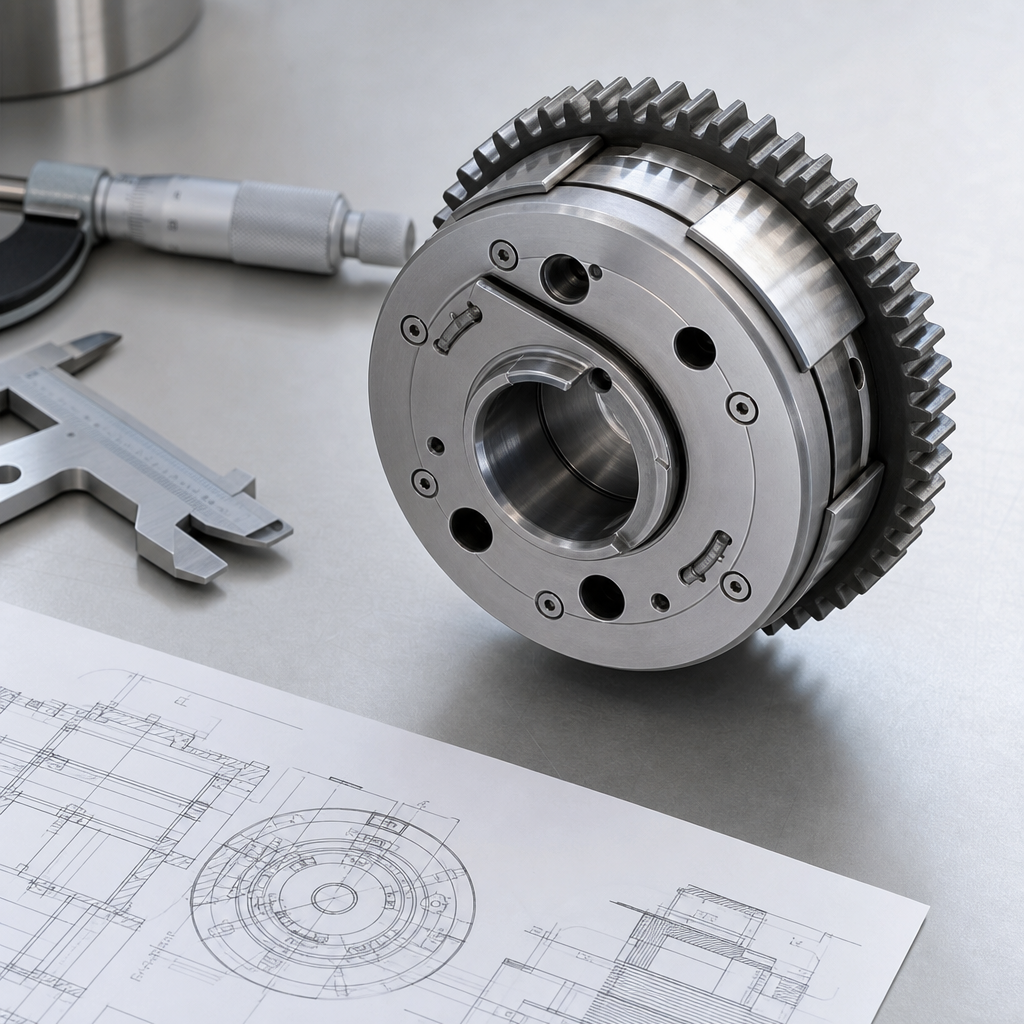
A cylinder liner is judged by metallurgy and geometry together. For most passenger car applications, buyers should expect centrifugally cast or alloyed cast iron, stable hardness, and a honed bore that supports ring seating without excessive wear. Surface treatment may be plain, phosphate-coated, or finished for a specific ring pack and oil control strategy.

</tr></thead><tbody> </tbody></table>These values are not generic marketing claims. They are the points a serious buyer should ask the factory to prove on the inspection record before shipment.

Quality System, Testing, And Traceability

A qualified supplier should be able to show an IATF 16949:2016 quality system, ISO 9001:2015 process control, and material declarations for REACH (EC) No 1907/2006 where the shipment enters the EU. For export accounts, the commercial file should also include the drawing revision, inspection method, batch code, and packing specification.

Tests to request

  • Chemical composition by heat number
  • Hardness testing by batch
  • Bore gauge inspection for ID, taper, and roundness
  • Visual inspection for porosity, cracks, and surface scoring
  • Coating or finish check if the liner is treated after machining
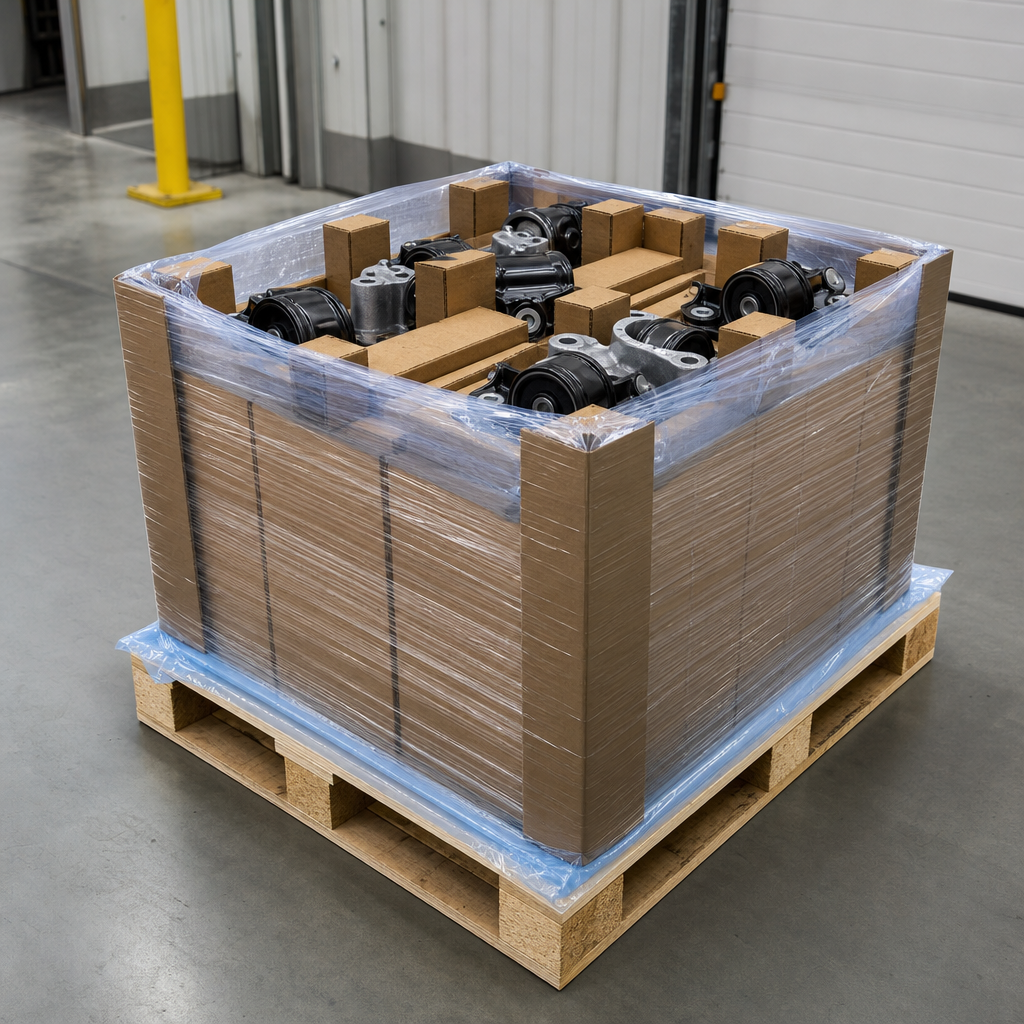
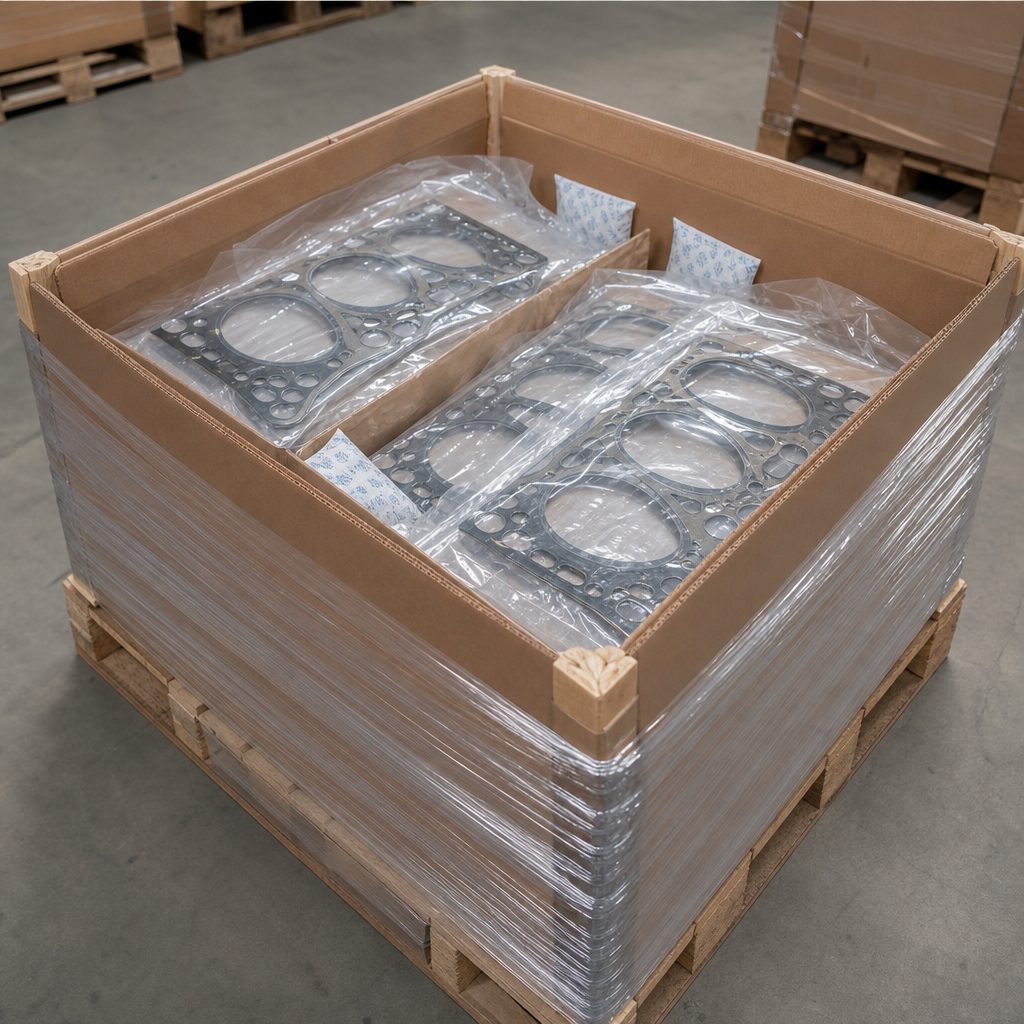
  • Packaging validation for transit damage and corrosion prevention

The best factories do not only provide a pass/fail statement. They can explain the control plan, show the gauge used, and link each carton to a traceable lot. That matters when a buyer has to separate a field complaint from a one-off handling problem.

Commercial Fit For Distributors, OEMs, And Repair Chains

The right supply model depends on how predictable the demand is. Distributors usually want stable MOQ, clear carton labelling, and fast replenishment. Repair chains want consistent fitment and low return rates. OEM and Tier-1 buyers need tighter documentation, incoming-material discipline, and process capability evidence.

A practical planning range for repeat orders is 30 to 45 days when tooling is already approved and material is on hand. First-run samples, drawing changes, or surface-treatment changes usually need longer, often 45 to 60 days, because inspection and validation add steps. MOQ depends on the drawing and packaging format, but commercial batches commonly start from a few hundred pieces rather than loose mixed cartons.

When the part needs private-label packaging, barcode labels, or a modified finish spec, custom manufacturing is the correct route. If you are qualifying multiple suppliers, compare their traceability file against the controls listed in our quality system.

Audit Checklist Before You Place A PO

A factory audit does not need to be complicated. It should confirm whether the supplier can repeat the same part six months later without changing the fit or the paperwork.

  • Verify the drawing revision and the approved sample record.
  • Ask for the inspection method on bore, height, and roundness.
  • Review heat lot traceability from raw cast iron to finished carton.
  • Check whether nonconforming parts are segregated and logged.
  • Confirm that export cartons protect the bore finish from rust and impact.
  • Ask how the supplier handles special requests such as protective oil, label changes, or mixed-language packaging.

If the supplier cannot answer these points cleanly, the price is not the real risk. The risk is field failure, extra sorting, and slower replenishment. A disciplined factory should be able to support the technical file, the commercial file, and the shipment file without improvisation.

Frequently asked questions

Match by engine code, bore diameter, flange height, liner type, and surface finish. The vehicle badge is not enough because the same model line may use different engines or revisions across markets.

Ask for the drawing revision, inspection report, material declaration, batch traceability, and packing spec. For EU shipments, request REACH documentation where applicable. For quality audits, review the control plan and sample history.

Repeat orders are often planned in commercial batches rather than single cartons. Lead time is commonly 30 to 45 days for approved repeat supply, and longer for first articles, coating changes, or new packaging.

If you need a sourcing file, sample set, or export quotation for a Lexus-fit application, send the engine data and target volume now. [Request a quote](/contact.html).

Request a Quote
Control point What the buyer should verify Typical acceptance focus
Base materialHeat chemistry and microstructureStable cast iron grade with no shrinkage defects
Bore sizeFinal ID and roundnessDrawing-based tolerance, often held within +/-0.01 mm
Wall thicknessStrength and heat transferUniform section, usually controlled within +/-0.03 mm
Flange heightDeck sealing and installation depthDrawing-based tolerance, often within +/-0.05 mm
Surface finishRing seating and oil retentionPlateau hone pattern, often Ra 0.4-0.8 um
ConcentricityBlock alignment and sealingMeasured against the governing print