Cylinder Liner Land Rover OEM Supplier: Sourcing Guide
Procurement teams sourcing a cylinder liner Land Rover OEM supplier usually need three things at once: dimensional consistency, repeatable delivery, and documentation that supports incoming inspection. For engine rebuild and powertrain programmes, the liner is not a simple wear part. Bore size, flange height, wall thickness, surface finish, and material hardness affect sealing, heat transfer, and long-term cylinder stability. Driventus supplies cylinder liners for aftermarket and OEM-aligned programmes from Taizhou, Zhejiang, with production controlled under IATF 16949:2016 and ISO 9001:2015. Driventus is an independent aftermarket manufacturer; brand names are referenced for fitment only. Buyers can use our catalog, quality system, and custom manufacturing services to align parts with the required OE fitment, test plan, and commercial terms. Below is a practical sourcing view for distributors, Tier-1 buyers, and repair network procurement teams.
What buyers should verify before issuing a PO
For cylinder liners, the purchase decision should start with the drawing, not the vehicle name. Confirm the nominal bore, outer diameter, length, flange geometry, and install method. For wet-liner and dry-liner applications, the sealing strategy and coolant exposure also matter.
Typical verification points
Bore diameter and finish requirement
Outer diameter and interference fit
Overall length and flange height
Material grade and hardness range
Deck protrusion or seated depth
Surface treatment or anti-corrosion requirement
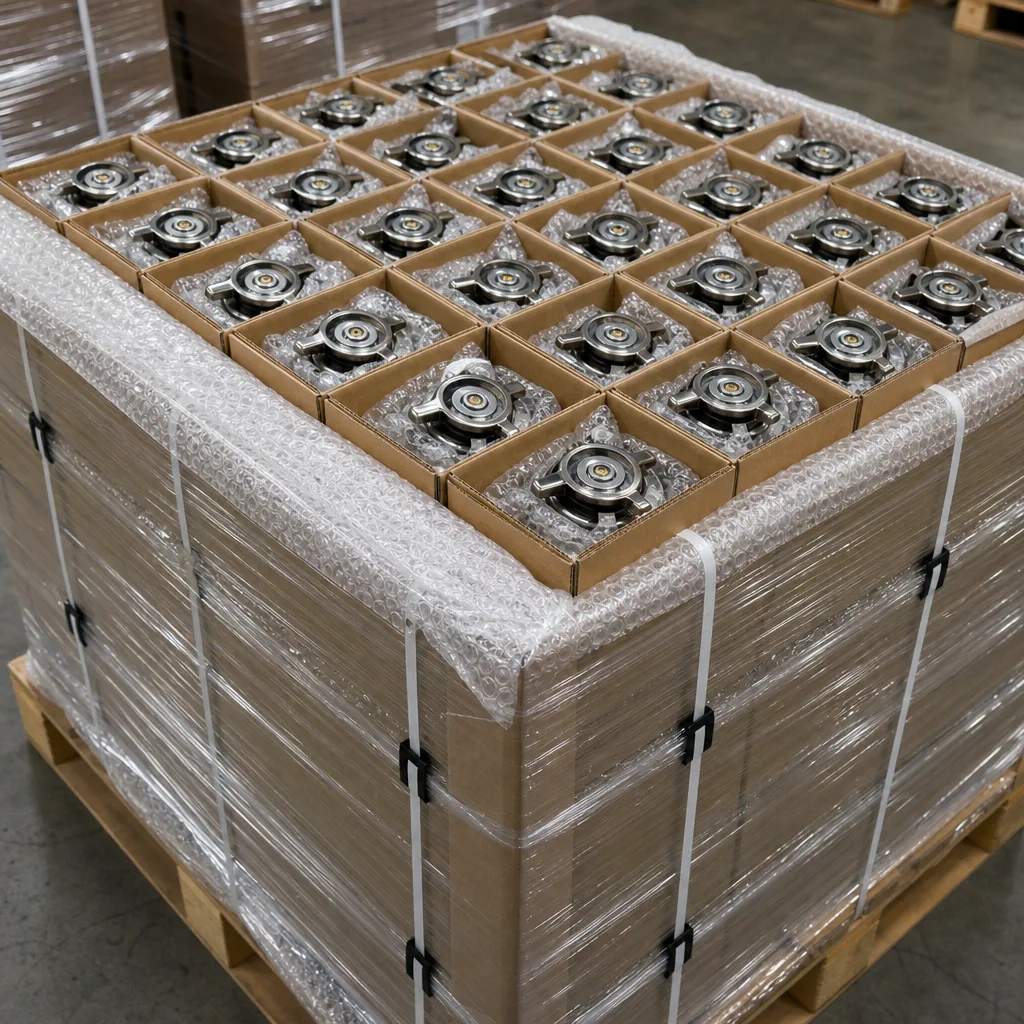
Packaging count and batch traceability
If you are matching an OE application such as an OE 06A107065 cross-reference, validate the dimensional data against the engine family drawing before approval. That reduces the risk of rework during cylinder block machining and assembly.
Cylinder liner specifications and commercial checks
A supplier should provide data that your quality team can use during incoming inspection. The most useful items are listed below.
Item
Typical buyer check
Material
Alloyed cast iron or specified liner grade
Hardness
Verified against drawing requirement
Bore tolerance
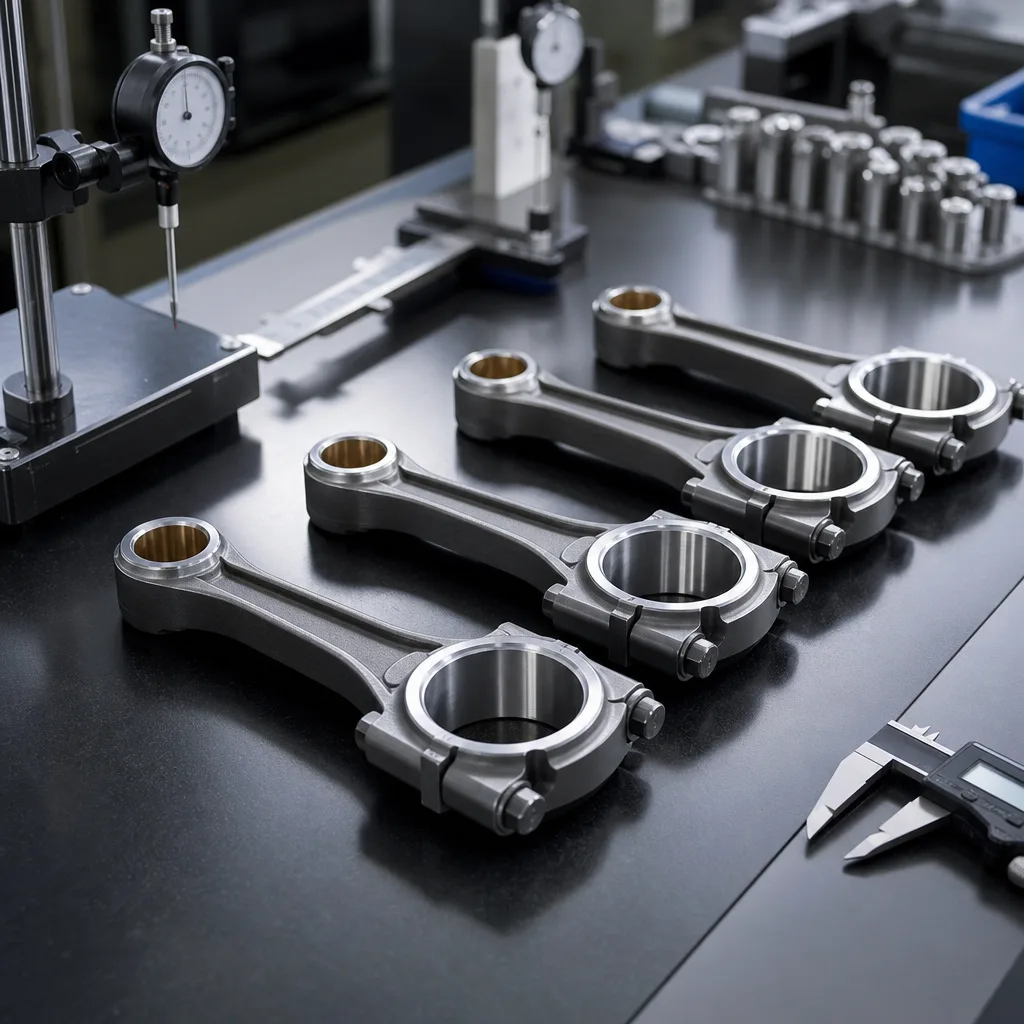
Measured at multiple depths and clock positions
Roundness / taper
Recorded per batch or sample plan
Surface roughness
Confirmed before honing or final sizing
Flange dimensions
Checked for seat and protrusion control
Traceability
Lot number, heat record, inspection record
</tr></thead><tbody> </tbody></table>For programmes with higher warranty exposure, buyers should ask for a control plan, measurement method, and sample records. Driventus can align these documents with IATF 16949:2016 and ISO 9001:2015 requirements where the customer specification calls for them. Our catalog covers engine components used in rebuild and replacement programmes, including liner-related powertrain parts.
Why certification and factory audit matter
Cylinder liner quality is usually judged at the interface between machining and assembly. Even a small error in concentricity or flange height can create sealing issues, abnormal wear, or coolant leakage. That is why buyers often request a factory audit before releasing volume.
Driventus operates under IATF 16949:2016 and ISO 9001:2015. For procurement teams, that means documented process control, corrective action handling, and traceability practices that support repeat orders. When your compliance team needs material or chemical conformity data, ask for REACH (EC) No 1907/2006 declarations where applicable. For diesel or gasoline engine validation programmes, your own test plan may also reference durability cycles or bench methods such as SAE J2527, depending on the complete component set and market requirement.
If you are screening suppliers, review our quality system before sending the RFQ.
Lead time, MOQ, and supply model for B2B buyers
For aftermarket distributors and repair-chain buyers, supply continuity matters as much as part geometry. The commercial model should be clear before tooling approval or first order release.
Common sourcing questions
What is the MOQ per part number or per machining setup?
What is the standard lead time for stock items and made-to-order items?
Can the supplier support mixed cartons or programme-based packing?
Are labels, barcodes, and lot codes available for warehouse intake?
Can the factory support forecast-based replenishment?
For a cylinder liner Land Rover OEM supplier search, the best-fit vendor is usually one that can support small trial lots, then scale to repeat volume without changing the inspection method. Driventus can do this through custom manufacturing when the programme needs a non-standard size, coating, or packaging format.
If your team is building a broader engine programme, you can also review our catalog and related engine components for line consolidation.
Validation steps before release to production
A supplier sample should pass both dimensional and functional review before a production PO is issued. The exact validation plan depends on the engine family, but a practical checklist is below.
1. Confirm OE cross-reference and application fitment. 2. Measure bore, OD, length, and flange height against drawing. 3. Check hardness, surface finish, and visual defects. 4. Review packaging protection for corrosion and impact risk. 5. Install trial units in a controlled sample build. 6. Confirm sealing, protrusion, and post-install dimensions. 7. Record acceptance criteria for repeat orders.
For export programmes, request inspection reports with batch traceability and agreed test results. This helps category buyers avoid delays at receiving inspection and reduces claims in multi-location repair networks.
How to structure an RFQ for cylinder liners
A precise RFQ shortens the sourcing cycle and reduces technical back-and-forth. Include the following fields:
Vehicle or engine family
OE cross-reference number, if available
Drawing revision and critical dimensions
Annual volume and forecast split
Packaging and labelling requirements
Target lead time and delivery terms
Required documents: material report, inspection report, declaration of conformity
If you need a single-source or dual-source programme, specify that early. It affects tooling ownership, sample timing, and batch release planning. For buyers comparing multiple factories, the most useful difference is usually not the headline price. It is the consistency of dimensional control, communication speed, and the supplier’s ability to support engineering changes without disrupting supply.
To move forward, use request a quote with your drawing, target volume, and test requirements.
Frequently asked questions
Yes, subject to drawing review and fitment confirmation. Driventus supplies independent aftermarket programmes and OE-aligned parts based on dimensional data, not manufacturer endorsement.
Buyers can request inspection records, traceability data, material declarations, and packaging details. Additional documents depend on the programme specification and customer quality plan.
Yes. Through custom manufacturing, Driventus can support special dimensions, coating requests, and packaging formats where the technical specification is defined before sampling.
Send your drawing, OE reference, and volume target, and our team will review fitment, inspection scope, and commercial terms. Start here: /contact.html