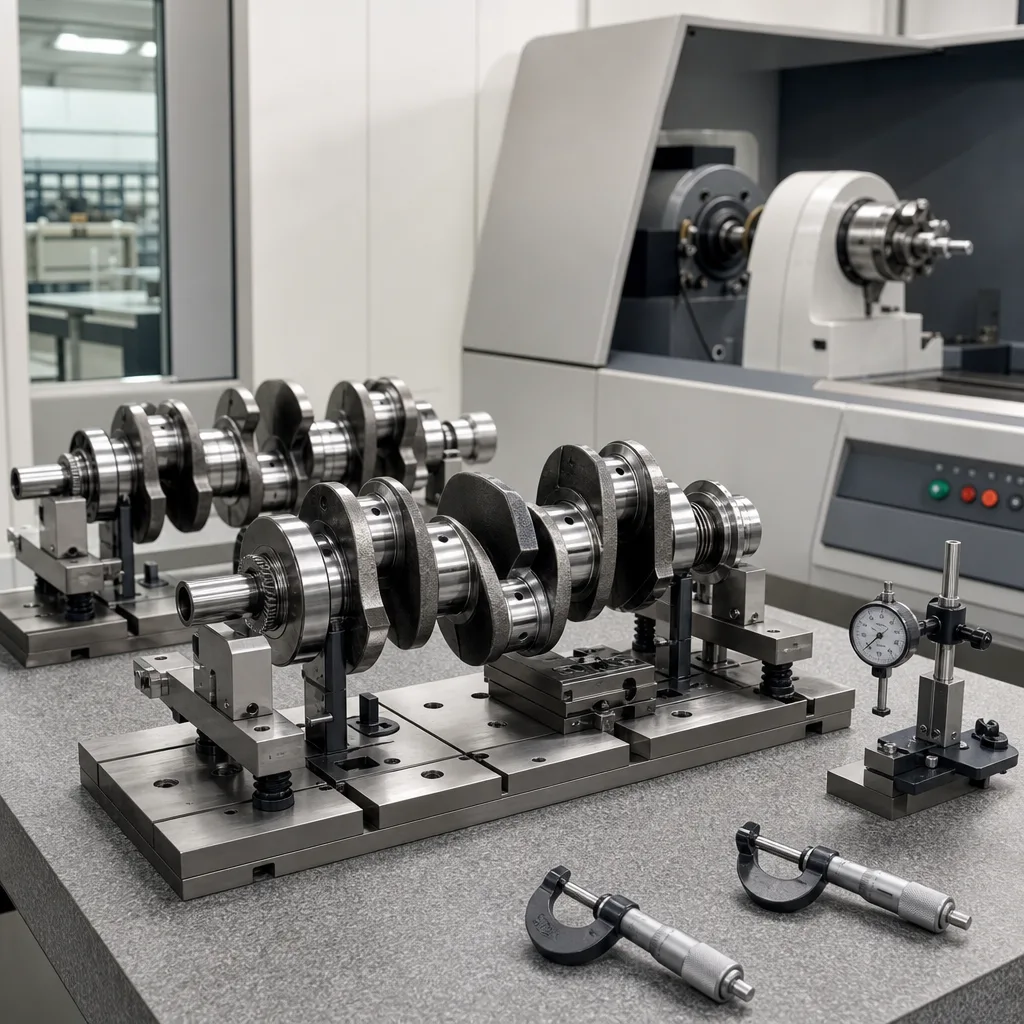
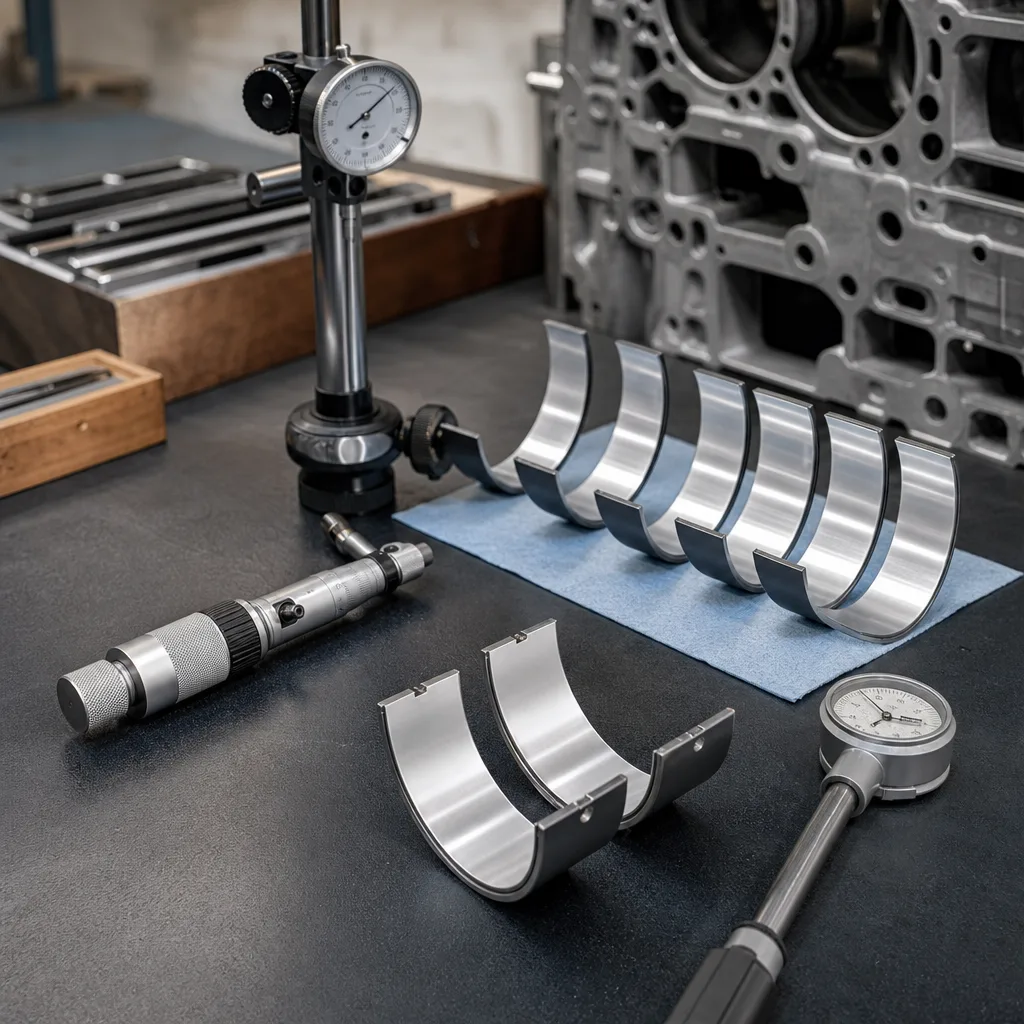
Cylinder liner dimensions determine whether the part will seat, seal, and survive the thermal load of the engine block. For procurement teams, the useful question is not only bore size but the full dimensional set: inner diameter after finish honing, outside diameter, overall length, flange height, wall thickness, roundness, taper, and the required interference or running clearance. A correct drawing should also define material grade, surface finish, and inspection method. Driventus is an independent aftermarket manufacturer; brand names are referenced for fitment only. Buyers should request a controlled drawing, a sample report, and the intended measurement temperature before release. For engine programmes, the same file should sit inside an IATF 16949:2016 and ISO 9001:2015 quality process, with REACH (EC) No 1907/2006 screening where required.
What buyers must confirm on the drawing
When reviewing a liner drawing, do not stop at nominal bore. The part can fail a procurement check even when the bore looks correct if the outside diameter, seating step, or protrusion is wrong for the block.
Dimension
What it controls
What buyers verify
Inside diameter
Piston fit, ring seal, oil control
Finished size after honing, not just cast or pre-machined size
Outside diameter
Press fit or slip fit in the block
Interference band and measurement at the stated temperature
Overall length
Deck position and gasket loading
Block depth, stack-up, and any required deck protrusion
Flange or collar height
Seating and retention
Recess depth, step geometry, and flatness
Wall thickness
Distortion resistance and heat transfer
Minimum section, especially near ports or coolant passages
Roundness and taper
Local contact pattern and wear
Gauge report at multiple heights and clock positions
</tr></thead><tbody> </tbody></table>For replacement work, the safest rule is simple: match the drawing to the engine family and verify the actual block condition before release.
Fit, tolerance, and surface finish
A liner is not a generic tube. Its function depends on the fit class and on how the surface interacts with the piston ring pack after first start.
Key checks for procurement and incoming inspection:
Roundness and taper should be checked at several heights, not only at one point.
Interference fit must reflect block material, liner type, and assembly method.
Surface finish on the bore should support oil retention without excessive ring wear.
The honing allowance must be stated so the finished size is predictable after final machining.
Deck protrusion, if used, should be defined with a clear tolerance stack.
For dry liners, the outer fit usually matters most. For wet liners, sealing surfaces and coolant-side geometry become equally important. In both cases, buyers should ask for the inspection method, the gauge resolution, and the control plan used for production release.
Materials and liner construction
Material choice affects machinability, wear life, and how much thermal distortion the liner will carry under load. Common constructions include grey iron, alloy cast iron, and ductile iron, selected according to duty cycle and block design.
Practical sourcing points:
Grey iron is common where cost and machinability matter.
Alloyed grades improve wear resistance and heat stability.
Ductile iron is used when strength and fatigue margin are higher priorities.
Coated or treated bores may be specified for abrasion control or break-in behaviour.
Wet liners usually need more attention to sealing land geometry and coolant compatibility.
If your programme includes a specific coating, ask for its process name, thickness target, and inspection criteria. If the part is part of a development build, custom manufacturing is the right route for drawing review and sample refinement.
Quality, compliance, and documentation
Procurement teams should ask for documents, not verbal assurances. A credible file set normally includes a controlled drawing, material declaration, dimensional inspection report, and traceability to the batch or lot.
Driventus works under quality system controls aligned with IATF 16949:2016 and ISO 9001:2015. For restricted substances, buyers may require REACH (EC) No 1907/2006 declarations. Where coatings or corrosion resistance are part of the programme, SAE J2527 may be used as a reference test method. For vehicle-level fitment planning, ECE R-83 may appear in the broader compliance discussion, but the liner itself is still validated as a component.
The key point is traceability. A part that meets nominal size but lacks a repeatable record is difficult to approve for serial supply, even if the sample looks acceptable.
Sourcing workflow for replacement and OEM programmes
A clean sourcing workflow reduces rework and avoids line stoppages. Start with the engine family, then confirm the liner type, then lock the dimensional drawing before quotation.
Recommended sequence:
1. Send the engine code, block material, and required application. 2. Share the drawing or a measured sample for comparison. 3. Confirm whether the part is dry, wet, flanged, or stepped. 4. Review the inspection report and packaging method. 5. Approve a pilot lot before any production release.
For broader platform sourcing, our catalog and engine components make it easier to compare adjacent parts such as pistons, gaskets, and related hardware. If your team needs private-label or print-to-spec supply, custom manufacturing is the appropriate entry point.
Frequently asked questions
The most important check is the finished bore relative to the piston and ring pack, followed by outside diameter fit in the block. If either one is off, the engine can lose sealing, run hot, or wear early. Always confirm the measurement temperature and the intended honing allowance.
No. Nominal size alone is not enough. Buyers should require the full tolerance band, roundness, taper, surface finish, and the fit class for the block. The same nominal drawing can behave differently if the liner is dry, wet, flanged, or installed in a different block material.
At minimum, request a controlled drawing, material declaration, dimensional inspection record, lot traceability, and packing specification. For regulated supply chains, add REACH documentation and the applicable quality records from the supplier's release process.
If you need a drawing review, sample comparison, or production quotation, [request a quote](/contact.html).