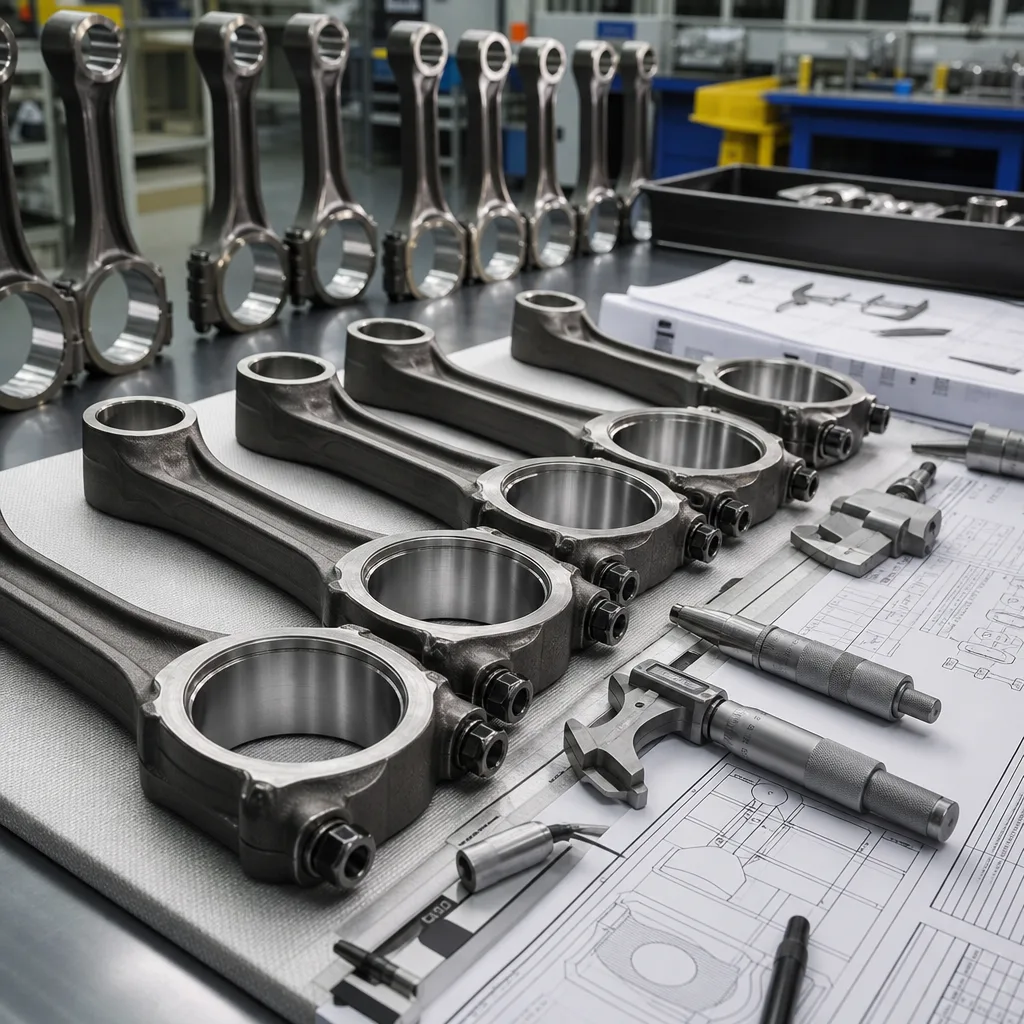
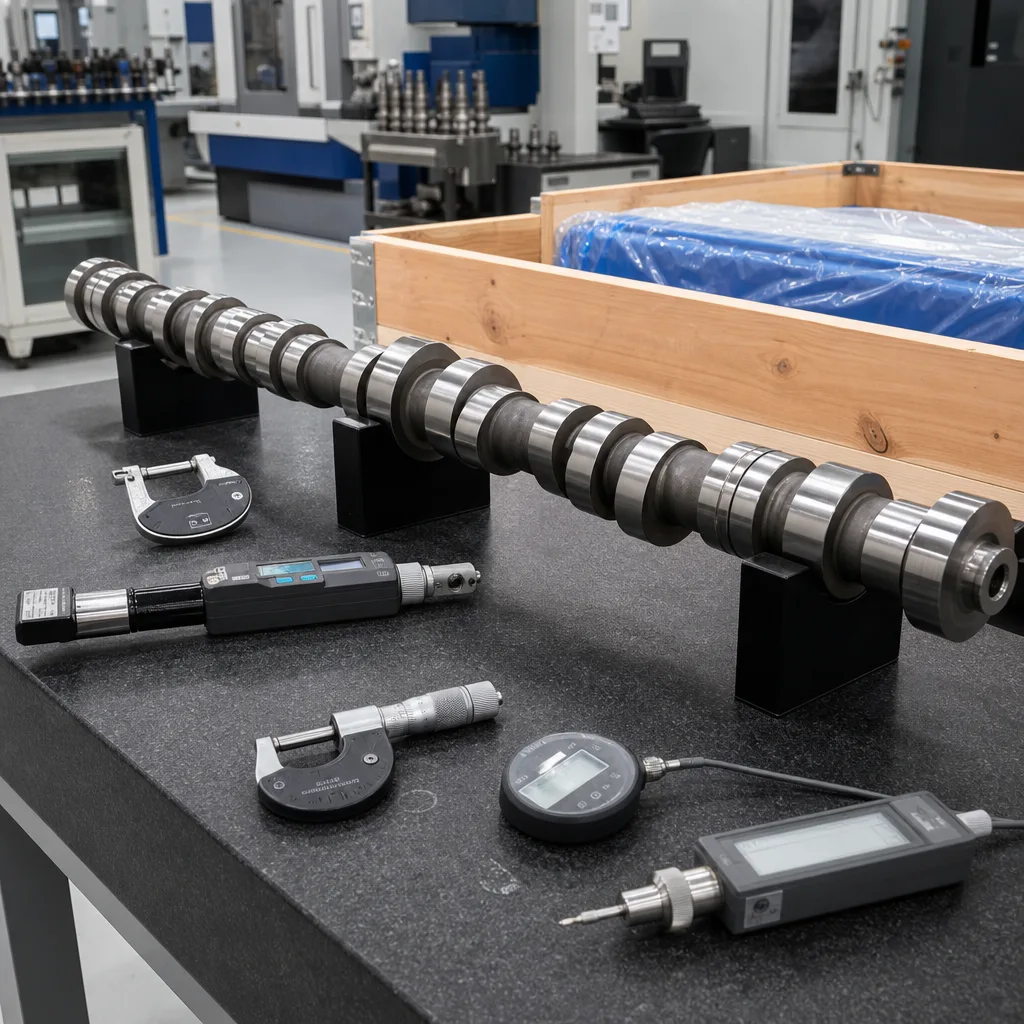
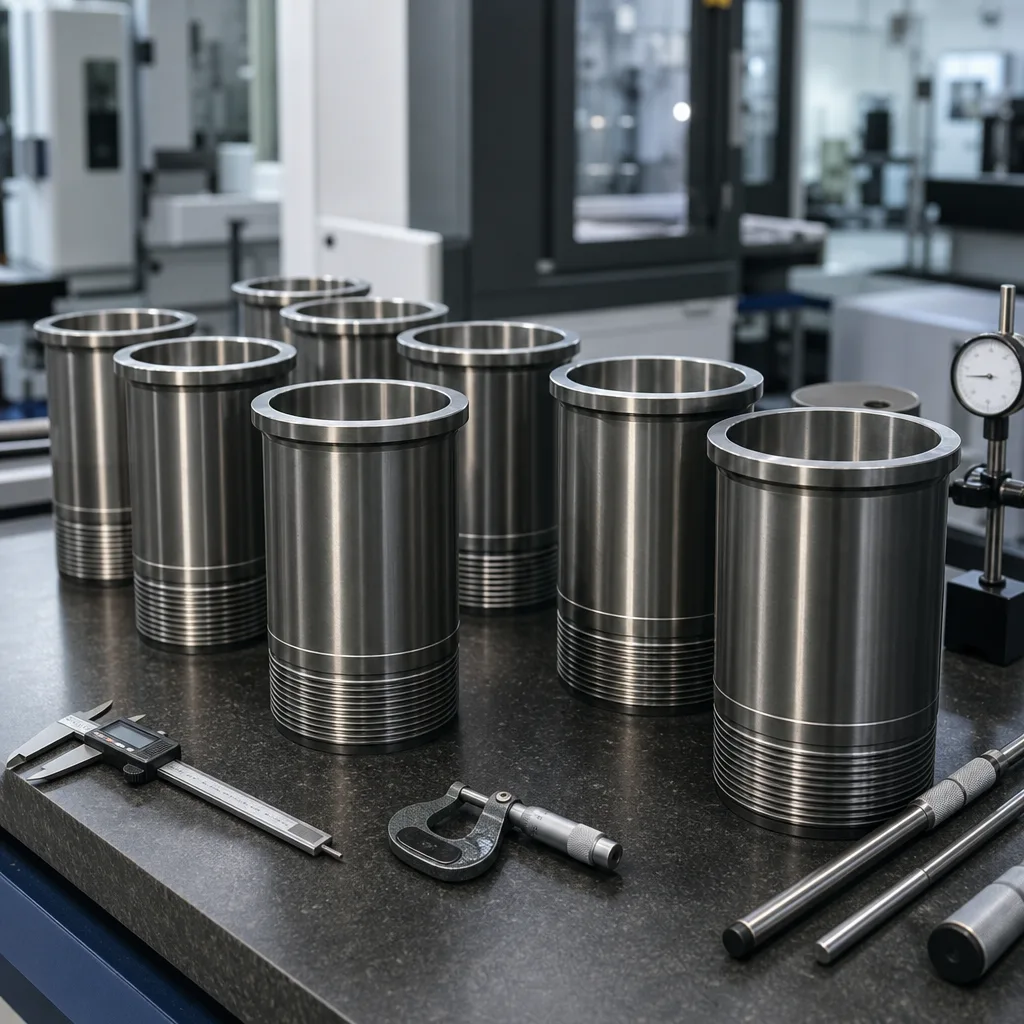
Buyers sourcing a cylinder head Buick wholesale need three things first: dimensional fit, stable supply, and documented quality control. For aftermarket and remanufacturing channels, the part must match OE mounting points, coolant passages, combustion chamber geometry, and valve train interfaces closely enough to support repeatable installation. For procurement teams, the real question is not only whether the head fits, but whether the supplier can hold machining consistency across batches, supply test data, and support cross-reference control for multiple application codes. Driventus manufactures engine and powertrain components in Taizhou, Zhejiang, and supplies B2B customers in more than 60 countries. Driventus is an independent aftermarket manufacturer; brand names are referenced for fitment only. This article outlines what to verify before placing bulk orders, how to compare casting and machining options, and which documents should be part of a supplier audit.
What wholesale buyers should verify first
For procurement, a cylinder head programme should be qualified on fitment, material, machining, and packaging. The fastest way to reduce returns is to confirm the application family, OE cross-reference, and engine code before any commercial discussion.
Minimum buyer checklist
OE reference match, such as OE 06A107065 when the application uses a published cross-reference
Casting material specification and heat treatment route
Valve seat and guide material, if supplied assembled
Flatness, surface finish, and pressure test method
Included components: bare head, assembled head, or sub-assembly
Packaging standard for export cartons and palletisation
Sampling plan for PPAP, first article, or routine inspection
For wholesale purchasing, the difference between a saleable batch and a costly claim is usually traceability. Ask for batch numbers, inspection records, and the inspection equipment used for dimensional checks.
Technical specification points for cylinder head sourcing
A cylinder head is not a generic casting. It is a machined, sealed, thermal, and valvetrain-critical component. Buyers should compare the technical data sheet against the engine family and not rely on photos alone.
Item
What to verify
Typical buyer risk if missing
Material
Cast iron or aluminium alloy grade
Heat distortion, corrosion, weight mismatch
Flatness
Deck face tolerance and re-machining limit
Head gasket failure
Pressure test
Coolant jacket leak test method and pressure
Hidden porosity
Valve train
Guides, seats, springs, cam bore machining
Noise, wear, valve sealing loss
Surface finish
RA/Rz on gasket face
Poor gasket sealing
Thread quality
Plug, manifold, and sensor threads
Assembly damage
Packaging
Corrosion protection and corner protection
Transit damage
</tr></thead><tbody> </tbody></table>Where a buyer needs OE-equivalent replacement parts, published standards and internal validation should align with the intended market. For emissions-related applications, customers may request documentation aligned to ECE R-83 or local market requirements where applicable. For environmental compliance, material declarations may reference REACH (EC) No 1907/2006.
Why certification and traceability matter in wholesale supply
Wholesale cylinder head supply should be supported by a documented quality system. Driventus operates under IATF 16949:2016 and ISO 9001:2015, which are important for process control, corrective action, traceability, and repeatable inspection planning.
Procurement teams should ask for:
Certificate copies with current scope
Incoming material inspection records
In-process machining controls
Final inspection criteria and sampling frequency
Leak test and dimensional reports
Nonconformance and containment procedure
A supplier with a verified quality system can usually explain how casting variation is controlled, how machining offsets are managed, and how traceability is maintained from heat number to finished part. That matters when the customer base includes wholesalers, engine rebuilders, and multi-location repair networks, because one dimensional drift can affect an entire regional batch.
Lead times, MOQ, and commercial planning
Wholesale buyers usually evaluate cylinder head supply on landed cost, but landed cost is only useful when lead time and minimum order quantity are realistic for the channel.
Common planning questions:
What is the MOQ per reference or per engine family?
Is stock held for fast-moving applications?
What is the typical production lead time for cast and machined parts?
Are mixed-reference export cartons allowed?
Can the factory support annual call-off schedules?
For stable programmes, a supplier should be able to quote separate timing for tooling, casting, machining, and final packing. For new references, sampling and validation normally take longer than repeat orders. If you are consolidating multiple SKUs, ask whether the factory can support kitting, barcode labelling, and mixed-pallet shipment. Buyers with broader engine portfolios can also review our catalog and our engine components range to consolidate sourcing across adjacent parts.
When custom manufacturing is justified
Not every programme needs a fully custom cylinder head. In many cases, an OE-equivalent aftermarket replacement is sufficient. Custom work becomes relevant when a buyer needs a revised casting, modified port geometry, alternate packaging, or private-label documentation for a regional distribution programme.
Use custom manufacturing when:
The OE reference is discontinued or unavailable in volume
The buyer needs a dedicated export packaging spec
The market requires a specific assembled or bare-head configuration
A customer wants dimensional changes within an agreed validation window
A programme needs private branding on cartons rather than on the part
In these cases, a structured engineering review is necessary. Drawings, sample approval, and test criteria should be confirmed before production release. See custom manufacturing for supplier development support. If you need to compare assembly options, document whether the head is supplied bare, with valves installed, or as a complete top-end unit.
How Driventus supports procurement teams
Driventus is set up for B2B engine component supply, not retail transactions. That means the process is organised around enquiry control, batch documentation, and export coordination.
Typical support items
Application review and OE cross-reference control
Factory specification sheet and inspection summary
Sampling for dimensional and leak testing
Export packing and carton marking to buyer requirements
Compliance documents for customs and due diligence
If your team is qualifying a new supplier, start with the published documents in our quality system, then compare the part family, material, and inspection method against your internal purchase specification. If the target application requires a cylinder head Buick wholesale programme with multiple SKUs, ask for a reference-by-reference quotation and a staged supply plan. To begin commercial discussions, request a quote with engine code, OE reference, annual volume, and destination market.
Frequently asked questions
Yes. We supply B2B buyers including distributors, wholesalers, and repair-chain customers. Orders are handled by application reference, volume, and packing requirement, with documentation provided for export and quality review.
Yes, where a published cross-reference exists. Buyers should confirm the engine code and OE number before ordering. Brand names are referenced for fitment only, not endorsement.
We can provide quality-system evidence, inspection records, and batch traceability information aligned with IATF 16949:2016 and ISO 9001:2015, subject to the specific programme and customer request.
If you are building a wholesale programme or qualifying a new supplier, send your engine code, OE reference, and volume target for review. Contact our team at /contact.html