Buyers sourcing a crankshaft pulley ram supplier need more than a fitment claim. The part has to match hub dimensions, belt width, offset, inertia, and balance requirements, while holding process control across repeat orders. Driventus supplies crankshaft pulleys as an independent aftermarket manufacturer; brand names are referenced for fitment only. For procurement teams, the main questions are whether the supplier can hold dimensional repeatability, provide traceable inspection records, support buyer-supplied OE data, and ship with stable lead times. We build under IATF 16949:2016 and ISO 9001:2015 controls, and can align documentation for REACH (EC) No 1907/2006 when material declarations are required. This article explains what to verify before you place a trial order, how we control quality, and what commercial terms matter when you move from sample to volume supply.
What procurement teams should verify first
The first screen is not price. It is whether the pulley matches the mechanical and commercial requirements of the application.
Confirm the exact engine family, belt routing, and accessory drive layout.
Ask for the nominal outer diameter, hub bore, offset, and groove profile.
Define the balance requirement and any runout limit that must be met.
Specify the surface finish, coating, and corrosion expectation for the target market.
Request sample labels, lot traceability, and inspection records before mass production.
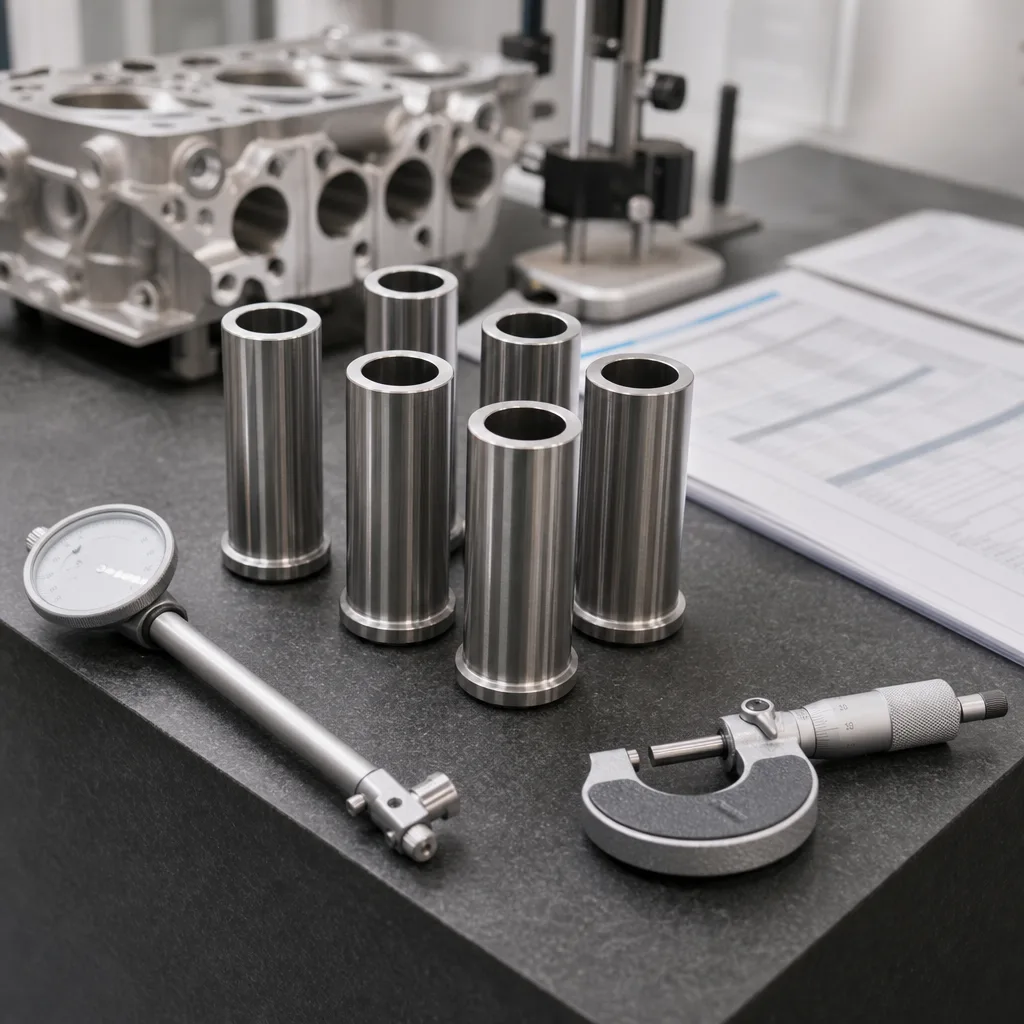
For buyers managing repeat replenishment, these details reduce installation failures and avoid claims that come from dimensional drift. If the supplier cannot state how it measures runout, balancing, and concentricity, that is a gap in the sourcing process. A reliable crankshaft pulley supplier should be able to show how incoming material, machining, and final inspection are controlled at each stage.
Fitment, materials, and balance requirements
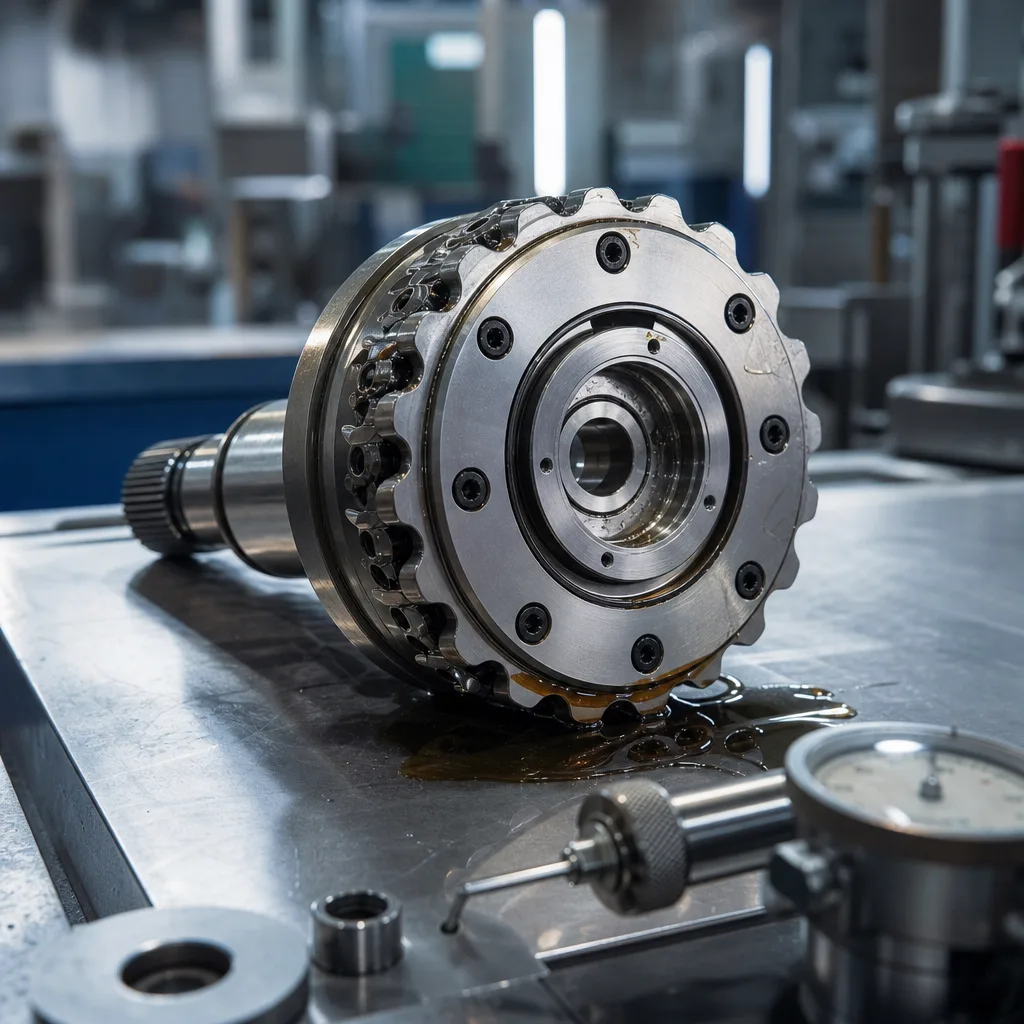
Crankshaft pulleys are simple only at a glance. In practice, the pulley has to manage vibration, drive alignment, and long service life under thermal cycling.
Spec item
Buyer should define
Why it matters
Material
Cast iron, ductile iron, or steel
Affects stiffness, mass, and fatigue margin
Balance target
Application-specific limit
Reduces vibration and belt noise
Runout
Max radial and axial deviation
Prevents belt tracking problems
Surface finish
Bare, coated, or painted
Supports corrosion control and shelf life
Traceability
Heat lot and batch record
Helps with audit and warranty review
</tr></thead><tbody> </tbody></table>For high-volume programs, the tolerance stack should be reviewed against the belt and damper system, not just the pulley drawing. If the vehicle uses an elastomeric or torsional damping element, the acceptable mass and stiffness window can be narrower than buyers expect. That is why sample approval should include both dimensional inspection and a basic functional check under the target accessory load.
Quality system and validation
Our production and inspection process is built for B2B supply, not retail packaging. Driventus is an independent aftermarket manufacturer; brand names are referenced for fitment only.
We operate under IATF 16949:2016 and ISO 9001:2015 controls, which means the process is structured around documented checks, corrective action, and traceability. When buyers request material declarations, we can support REACH (EC) No 1907/2006 compliance documentation. For coated parts or corrosion-sensitive programs, buyers may also ask for validation aligned with SAE J2527 where relevant to the finish specification.
Typical verification points include:
Dimensional inspection against buyer drawing or approved sample.
Concentricity and runout checks on critical interfaces.
Balance verification for the target application.
Surface and coating inspection for coverage and consistency.
Lot traceability from raw material through final packing.
If the pulley is being sourced for a regulated engine package, additional documentation may be needed at the system level. In those cases, the pulley data should be aligned with the broader vehicle file before order release.
Commercial terms that matter in volume supply
For a crankshaft pulley supplier, commercial reliability is part of quality. Buyers should evaluate lead time, MOQ, packaging, and replacement support at the same time as dimensions.
A procurement-ready supplier should also state carton quantity, pallet pattern, label format, Incoterms options, and whether it can hold forecasted monthly demand. If your program needs a pilot run before annual call-off, ask for a staged release plan so the commercial terms match the production ramp.
Ram fitment data package for RFQs
If you are sourcing for Ram applications, send the application data up front so the review can move quickly.
RFQ checklist
Vehicle model and model year range.
Engine code and accessory drive layout.
Buyer-supplied OE part number, if available.
Required outside diameter, bore, offset, and groove count.
Target annual volume and first order quantity.
Coating, packaging, and labelling requirements.
Any required test report or sample retention period.
The useful rule is simple: the more exact the input, the faster the cross-check. We can review buyer drawings, compare them against sample parts, and confirm whether a standard or custom route is the better commercial choice. The result should be a controlled fitment decision, not an assumption based on a nameplate or catalogue title.
Frequently asked questions
Yes. Buyer drawings are the preferred basis for repeat supply because they define the tolerance stack, finish, and inspection points. If you only have an OE sample, we can review it for dimensions and build a matching production specification before trial order release.
Yes. We can support audit review with process records, inspection reports, and traceability data aligned to IATF 16949:2016 and ISO 9001:2015. If the program needs material declarations, we can also prepare REACH-related documentation where applicable.
Yes. If the standard geometry does not match the target engine package, we can review custom manufacturing options. Provide the engine code, OE part number, and dimensional data so we can confirm feasibility before sampling.
If you need a sourcing review, send the application data, target volume, and drawing through [request a quote](/contact.html). We will confirm fitment, quality documents, and commercial terms before you move to trial order.