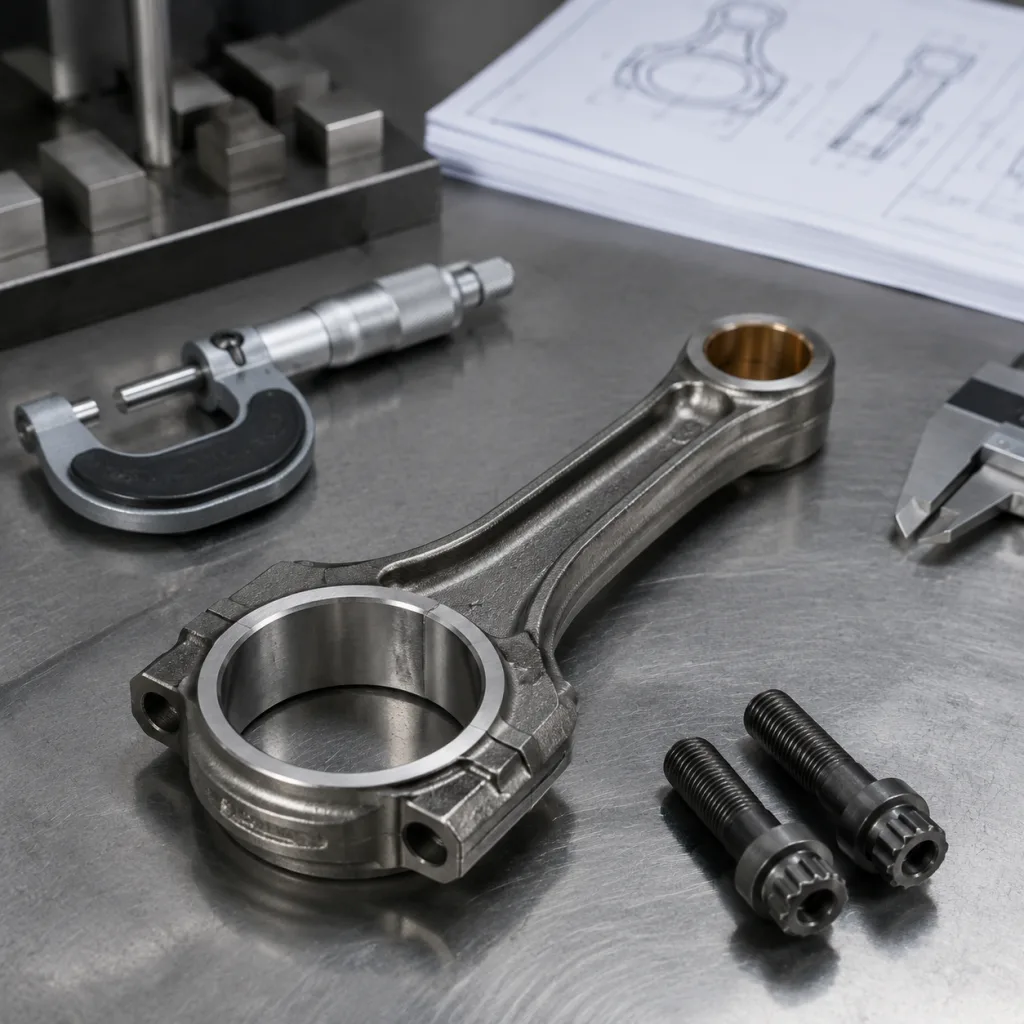
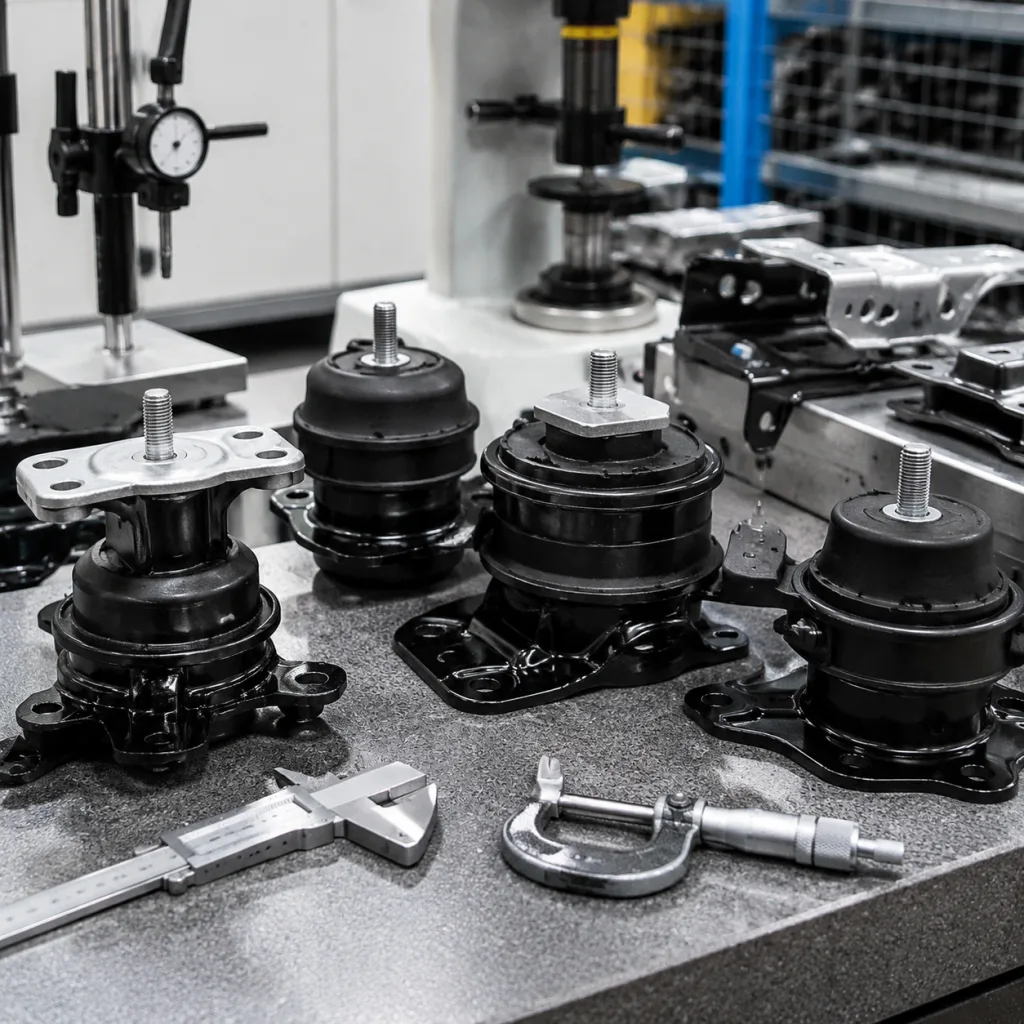
Crankshaft pulleys for Mazda applications are small components in an engine program, but they create outsized commercial and technical risk when they are sourced without disciplined controls. Importers and aftermarket distributors need stable fitment coverage, controlled rubber bonding, accurate machining, and repeatable packaging before they add a new pulley line to inventory. For wholesale buyers, the practical questions are straightforward: which references are covered, what evidence supports OE-equivalent dimensions, how production is controlled, and whether the supplier can hold lead times during seasonal demand. Driventus manufactures crankshaft pulleys and related engine components in Taizhou, Zhejiang, for B2B customers supplying aftermarket and service networks across the EU, UK, US, Canada, Australia, and Brazil. This guide explains how procurement teams can evaluate a crankshaft pulley Mazda wholesale program, including specification checks, audit points, MOQ planning, and documentation expected from a factory operating under IATF 16949:2016 and ISO 9001:2015.
Wholesale Fitment Coverage and Part Identification
Mazda crankshaft pulley programs often span multiple engine families, belt layouts, and damper constructions. A buyer should confirm the exact application matrix before comparing price. Small differences in rib count, offset, bore diameter, keyway profile, and outer ring mass can create noise, belt tracking problems, or installation failures.
A wholesale quotation should include cross-reference data in a controlled format rather than informal text lists. For mixed-vehicle catalogues, Driventus maps aftermarket references against application data and generic OE-style references such as OE 06A107065 only when those references are supplied by the buyer or appear in the target interchange file. Driventus is an independent aftermarket manufacturer; brand names are referenced for fitment only.
Useful fitment fields include:
Engine code or engine family where available
Model year range by market, not only the global model name
Pulley outside diameter, bore diameter, width, and belt rib count
Damper type: solid, bonded rubber, or tuned torsional damper
Sensor trigger or timing feature where applicable
Packing quantity, carton weight, and pallet configuration
Buyers can review broader engine component coverage in our catalog or narrow the discussion to pulley references during RFQ preparation.
Specification Points Buyers Should Lock Before RFQ
A crankshaft pulley is often treated as a commodity until field returns begin. For Mazda aftermarket supply, procurement teams should define measurable requirements before requesting a landed cost. That makes quotes comparable and reduces the risk of suppliers substituting visually similar parts.
RFQ item
What to specify
Why it matters
Pulley construction
Solid steel, cast iron, or rubber-bonded damper
Affects torsional vibration control and NVH performance
Belt profile
Rib count, pitch, and groove geometry
Prevents belt slip, edge wear, and noise
Bore and keyway
Nominal dimensions and tolerance class
Controls installation fit and crank nose alignment
Runout
Face and radial runout inspection requirement
Reduces wobble and belt tracking complaints
Surface treatment
Phosphate, e-coat, black oxide, or agreed coating
Supports corrosion control during ocean freight and storage
Marking
Laser mark, label, or neutral carton code
Supports warehouse traceability and private label programs
Validation
Dimensional report, rubber bond checks, balance test where applicable
Confirms production consistency before shipment
</tr></thead><tbody> </tbody></table>For rubber-bonded pulleys, the rubber compound and bonding process are central to durability. Buyers should request ageing resistance evidence, adhesion control data, and visual acceptance criteria for cracks, voids, and misalignment. For markets with chemical compliance requirements, material declarations should support REACH (EC) No 1907/2006 where applicable to the importer's obligations.
Factory Controls, Certification, and Audit Evidence
A supplier claim is not enough for a long-term wholesale program. Buyers should ask for evidence showing how the factory controls incoming material, machining, bonding, coating, inspection, and packaging. Driventus operates under IATF 16949:2016 and ISO 9001:2015 frameworks, with process documentation used for engine and powertrain components.
A practical factory audit for crankshaft pulley sourcing should cover:
Material certificate review for steel, cast iron, rubber, and bonding agents
Incoming inspection records and supplier qualification files
CNC machining capability and gauge calibration status
Rubber bonding process parameters, including temperature and cure control
In-process checks for bore, groove geometry, runout, and surface finish
Final inspection sampling plan and traceability format
Packaging drop resistance, corrosion protection, and carton labelling
Nonconforming product control and corrective action records
Driventus can provide documentation aligned with its quality system, including inspection plans, control plans, and shipment-specific reports when agreed in the purchase contract. For OEM or Tier-1 projects, PPAP-style documentation can be discussed according to customer requirements, without implying approval by any vehicle manufacturer.
MOQ, Lead Time, and Inventory Planning
Wholesale purchasing depends on predictable replenishment. A crankshaft pulley Mazda wholesale program may include fast-moving references for common models and slower references for older regional fleets. Combining both into one container can reduce freight cost, but it also increases planning complexity.
Typical commercial variables include:
MOQ by reference: commonly set by tooling status, material batch size, and packaging format
Lead time: affected by casting or forging availability, bonding schedule, machining capacity, and coating queue
Sample timing: usually separated from mass production timing for new references
Forecast horizon: 3 to 6 months is more useful than one-off purchase orders
Safety stock: recommended for distributors supporting repair chains or regional branches
Private label packaging: longer approval cycle due to artwork, carton testing, and label data checks
For established references, lead time is usually shorter when semi-finished blanks or validated tooling already exist. For new references, buyers should plan for drawing review, sample production, dimensional confirmation, and packaging approval before the first production order. Driventus supports custom manufacturing where the customer provides drawings, samples, or controlled cross-reference data.
Validation Tests and Acceptance Criteria
Crankshaft pulley validation should match the risk level of the part design. A simple solid pulley requires different checks from a bonded torsional damper. Procurement teams should avoid relying only on visual inspection, especially where the part is installed deep in the engine bay and replacement labor is high.
Common acceptance criteria include:
Dimensional inspection against approved drawing or master sample
Groove profile verification with appropriate gauges
Bore diameter and keyway checks using calibrated measuring tools
Radial and axial runout measurement after machining
Static or dynamic balance test where required by design
Rubber bond visual inspection and adhesion control for damper pulleys
Salt spray or coating checks where corrosion resistance is specified
Batch traceability from material lot to finished carton
For distributors supplying regulated or inspection-heavy markets, documentation discipline matters. While emissions standards such as ECE R-83 apply to vehicle emissions systems rather than crankshaft pulleys directly, importers may still need broader compliance files for the vehicle parts categories they handle. The supplier should be clear about which standards apply to the part and which are referenced only for customer program context.
Commercial Checklist for Selecting a Pulley Supplier
Price remains important, but the lowest unit cost can be offset quickly by returns, mixed references, or inconsistent carton data. A stronger sourcing decision compares total program cost, including inspection time, warehouse handling, claims rate, and line availability.
Before confirming a supplier, buyers should verify:
Does the supplier manufacture the pulley or only trade it?
Are drawings, samples, or reference parts controlled under revision?
Can the factory provide inspection reports for each shipment?
Are cartons, labels, and pallet dimensions suitable for the buyer's warehouse system?
Is the MOQ realistic for slow-moving references?
Can the supplier support consolidation with other engine components?
Are claims handled with root-cause analysis rather than credit notes alone?
Driventus is vertically integrated across multiple engine and powertrain component categories, which can simplify supplier management for distributors buying pulleys, pistons, gaskets, water pumps, and related parts. Buyers preparing a crankshaft pulley Mazda wholesale RFQ should send target references, annual volume estimates, packaging needs, destination port, and any inspection standard required by their internal sourcing procedure.
Frequently asked questions
Send the target reference list, application data, photos or drawings if available, annual volume, required packaging, destination port, and any inspection or documentation requirements. If the program includes private label cartons, include label rules and barcode format at the RFQ stage.
Yes. Samples can be arranged for available references or produced after drawing and sample review for new items. Sample approval should include dimensional checks, fitment confirmation, and packaging review before mass production is released.
No. Driventus is an independent aftermarket manufacturer; brand names are referenced for fitment only. Product development focuses on dimensional match, material control, validation testing, and consistent production under agreed customer specifications.
For reference coverage, MOQ, lead time, and documentation options, send your target list and purchasing requirements to [request a quote](/contact.html).