Crankshaft Pulley Lexus Wholesale: Sourcing Guide
Wholesale buyers evaluating crankshaft pulley Lexus wholesale programs usually need more than a visual match. The order should confirm exact fitment, stable runout, belt-drive durability, and documentation that supports repeat shipments. Key variables include engine code, pulley geometry, bore or hub interface, groove profile, offset, damping design, and corrosion finish. A pulley that looks correct can still cause belt noise, premature wear, or accessory speed error if the offset, rib profile, or bore fit is wrong by even a small margin. Driventus is an independent aftermarket manufacturer; Lexus and other brand names are referenced for fitment only. We supply from Taizhou, Zhejiang, with controlled production under IATF 16949:2016 and ISO 9001:2015, plus material screening aligned with REACH (EC) No 1907/2006. This guide explains what procurement teams should verify before ordering, how to compare suppliers, and which records help turn a sample approval into repeatable bulk supply.
What procurement teams should verify first
For a wholesale pulley program, do not buy by photo or application title alone. Start with the target engine code, OE cross-reference, pulley outer diameter, groove count, belt width, hub offset, and whether the item is a simple drive pulley or a torsional damper assembly. If the vehicle family uses more than one accessory-drive layout, request VIN-level exclusions and market notes instead of assuming one part number covers every variant.
A practical buyer checklist includes:
- Engine code and application range
- OE cross-reference status and revision level
- Groove profile, rib count, and belt section
- Bore, keyway, hub face, and offset dimensions
- Damper construction, if the design uses bonded rubber
- Corrosion finish, packaging method, and label format
- Sample report, photos, and final inspection data
Use our catalog to narrow the family, and review engine components when the pulley is sourced with related rotating or sealing parts. Buyers who need a supplier audit trail should also check our quality system before requesting samples.
Dimensional control and material options
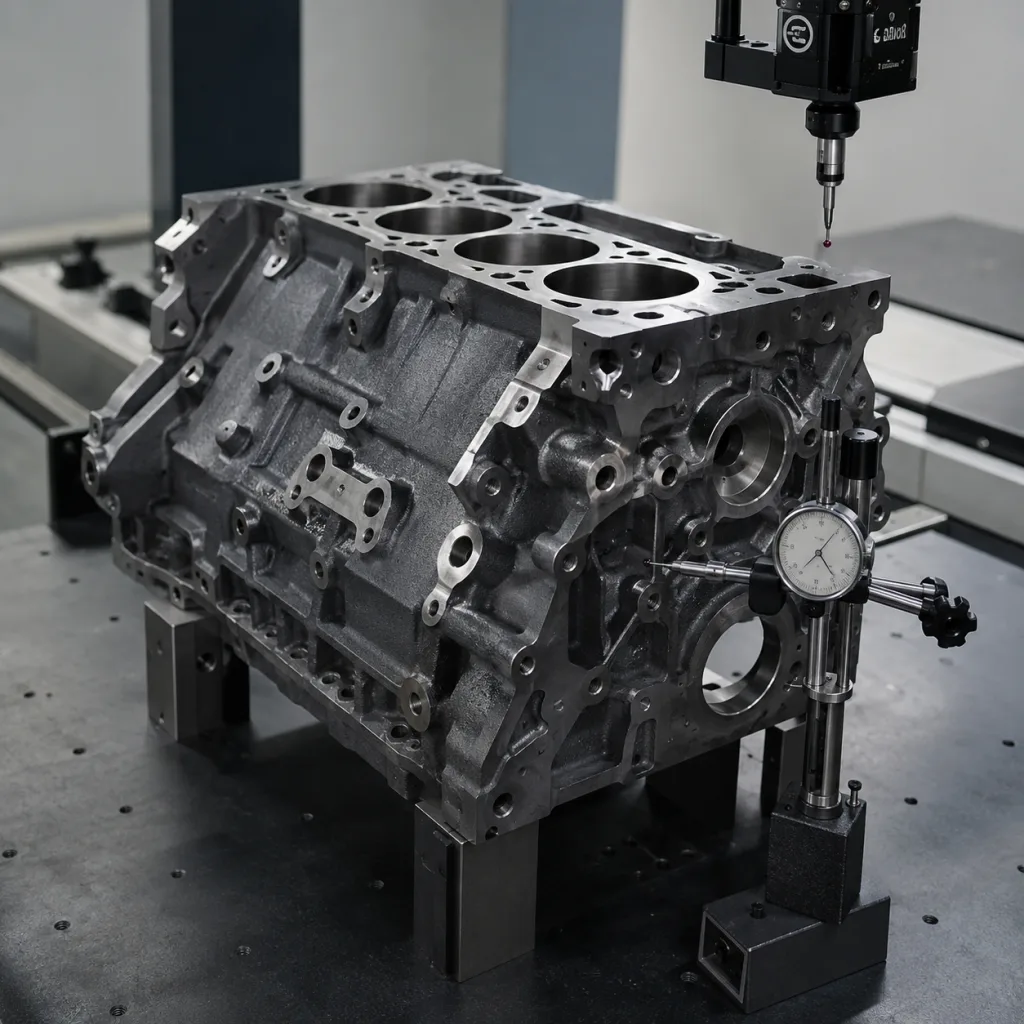
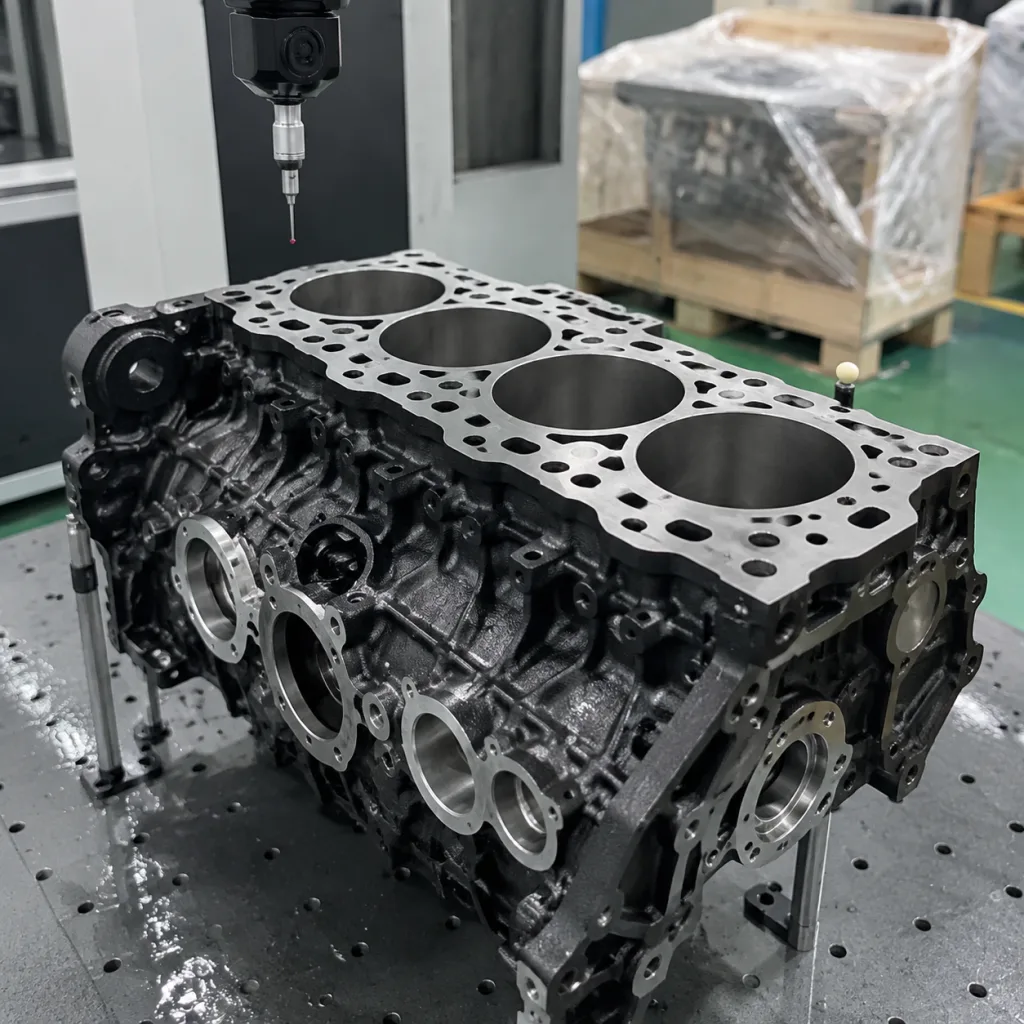
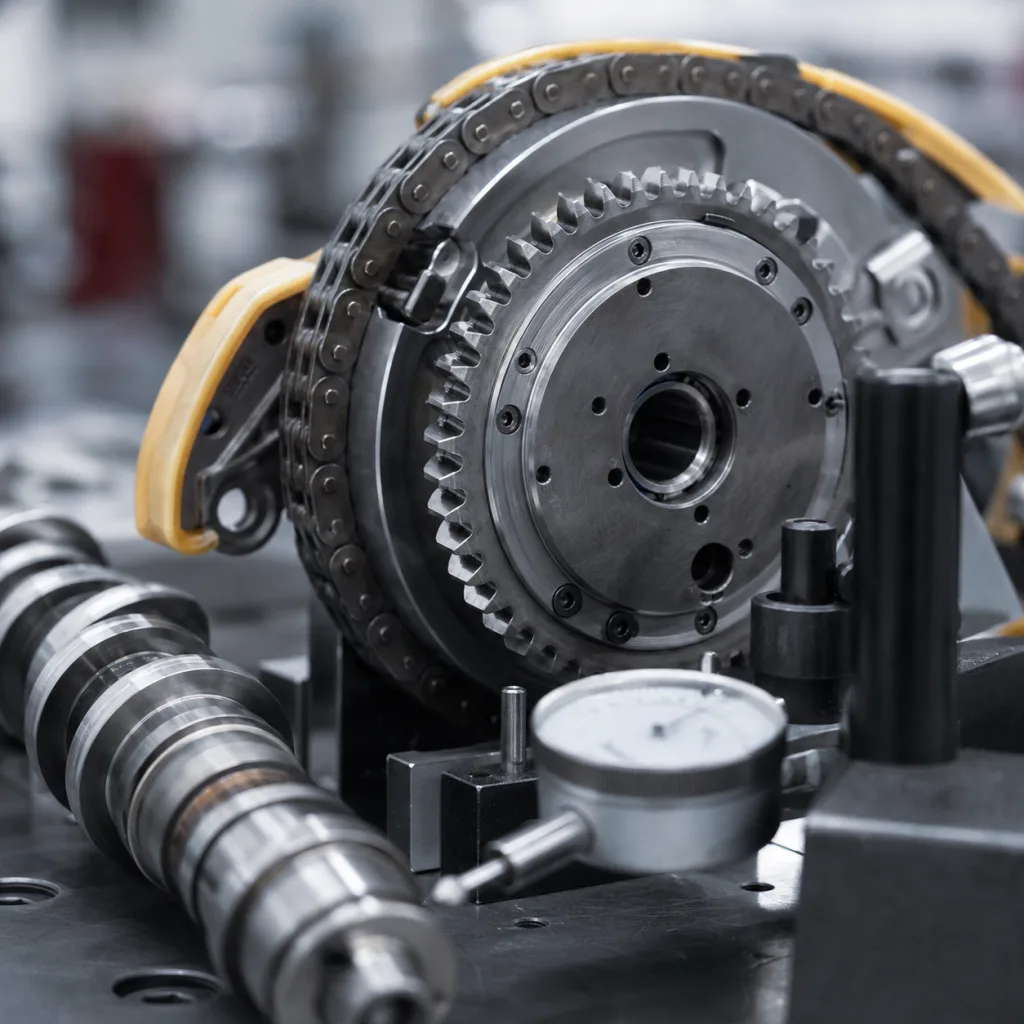
For this product class, dimensional control matters more than a general appearance match. The belt path, hub face, and bore must remain stable enough to keep alignment inside the accessory-drive tolerance window. Buyers should request a drawing-based inspection record and compare the supplier's measured values with the OE sample, customer print, or agreed reverse-engineered specification.
| Parameter | Typical buyer check | Why it matters |
|---|---|---|
| Outer diameter | Controlled to drawing, often within +/-0.10 mm on finished machining dimensions | Affects accessory speed ratio and belt tracking |
| Radial runout | Target <=0.10 mm, with final limits set by the drawing | Reduces belt oscillation, vibration, and noise |
| Face runout | Commonly held to <=0.15 mm on the belt path | Helps prevent edge wear and visible pulley wobble |
| Groove profile | Verified against rib count, belt section, and pitch | Wrong profile increases slip, heat, and wear |
| Bore and hub interface | Checked for diameter, concentricity, keyway, and seating face | Protects alignment and clamp load during installation |
| Material | Ductile iron, steel, or aluminium hub with elastomer damper where required | Balances mass, stiffness, damping, and durability |
| Finish | Phosphate, black oxide, e-coat, or customer-specified coating | Improves corrosion resistance in storage and service |
| Sourcing item | Minimum buyer ask | Why it matters |
|---|---|---|
| MOQ | Quoted by part family, finish, and packaging style | Prevents hidden pricing changes later |
| Samples | First articles with dimensional report, photos, and packaging proposal | Confirms fitment before the bulk PO |
| Lead time | Sample 2-4 weeks; repeat production often 30-45 days after approval | Supports launch planning and replenishment |
| Packaging | Export carton, inner protection, barcodes, anti-rust wrap, pallet plan | Reduces transit damage and receiving errors |
| Documentation | COA, inspection record, REACH statement, carton label spec, invoice description | Helps customs clearance and warehouse intake |
| Shipping terms | FOB, CIF, DDP, or buyer forwarder pickup | Avoids freight disputes and unclear handoff points |