Crankshaft Pulley Jeep Manufacturer China Sourcing Guide
Sourcing a Jeep crankshaft pulley from a Chinese manufacturer is a technical purchasing decision, not a simple price comparison. Importers and category buyers need dimensional accuracy, consistent rubber damping, stable metallurgy, controlled packaging and clear evidence that the factory can repeat the process at batch scale. A pulley that fits the crank nose but has weak elastomer bonding, excessive runout or unbalanced mass can cause vibration, belt misalignment, noise complaints and warranty exposure across several markets. Driventus manufactures crankshaft pulleys and harmonic damper assemblies in Taizhou, Zhejiang for aftermarket distributors, repair-chain programs and OEM/Tier-1 supply projects. Our work is structured around IATF 16949:2016 and ISO 9001:2015 controls, with inspection records available for qualified B2B sourcing reviews. Driventus is an independent aftermarket manufacturer; brand names are referenced for fitment only.
What Buyers Should Verify Before Placing an Order
A crankshaft pulley for Jeep applications may be a simple steel pulley, a bonded rubber harmonic damper or a multi-groove accessory-drive component, depending on engine platform and model year. For procurement teams, the key question is whether the supplier can reproduce the functional design, not only the visible shape.
Before nominating a crankshaft pulley Jeep manufacturer China program, verify these points:
- Fitment scope by engine family, displacement and production year range
- OE or aftermarket cross-reference format where applicable, supplied or confirmed by the buyer
- Bore diameter, keyway profile, bolt-hole pattern and offset from the datum face
- Rib profile and belt alignment relative to the accessory-drive layout
- Damping-ring material, hardness and bond strength for harmonic damper designs
- Dynamic balance control, concentricity and runout inspection method
- Salt-spray, ageing and packaging requirements for destination market conditions
Buyers can review standard product families in our catalog, including related engine rotating and sealing components. For Jeep-specific fitment coverage, Driventus normally confirms samples, drawings, buyer cross-reference data or existing approved aftermarket references before quotation. This confirmation step helps avoid quoting a part that looks correct in photos but differs in offset, belt groove geometry or damper construction.
Factory Capability and Quality Documentation
A credible pulley supplier should be able to show controlled production, not only trading capability. Driventus operates as a vertically integrated manufacturer for engine and powertrain components, with machining, inspection, assembly and packaging controls for export orders.
Our quality system is aligned with IATF 16949:2016 and ISO 9001:2015. For crankshaft pulley programs, typical quality documentation can include process flow, control plan, incoming material checks, first-article inspection, in-process dimensional reports and final inspection records. For qualified projects, production part approval documentation can be prepared according to customer requirements.
Typical factory-audit topics include:
| Audit area | What buyers should check | Why it matters | |
|---|---|---|---|
| Material control | Steel grade, casting or forging source, rubber compound traceability | Reduces variation in strength, corrosion resistance and damping behaviour | |
| Machining process | CNC turning, boring, grooving and datum control | Protects bore fit, belt alignment and runout | |
| Bonding process | Surface preparation, adhesive control, curing records | Critical for harmonic damper service life | |
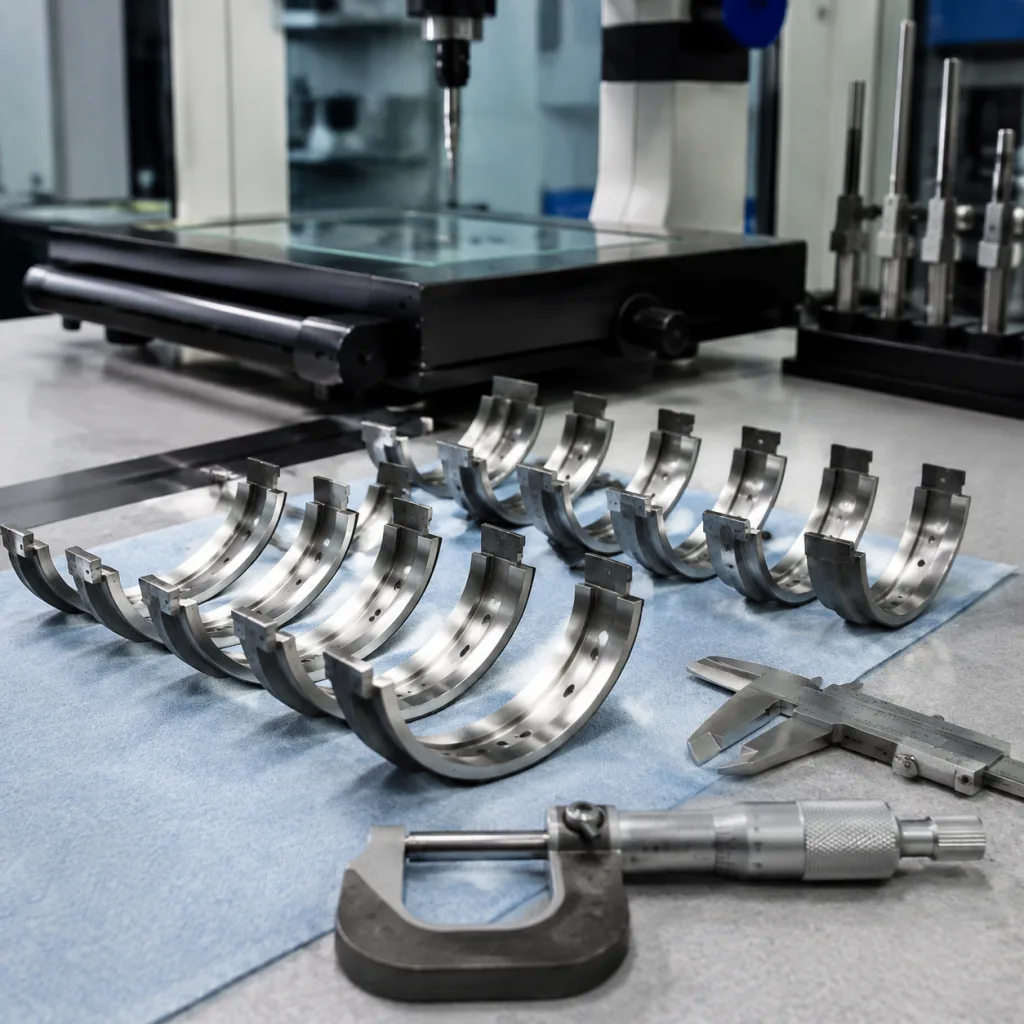
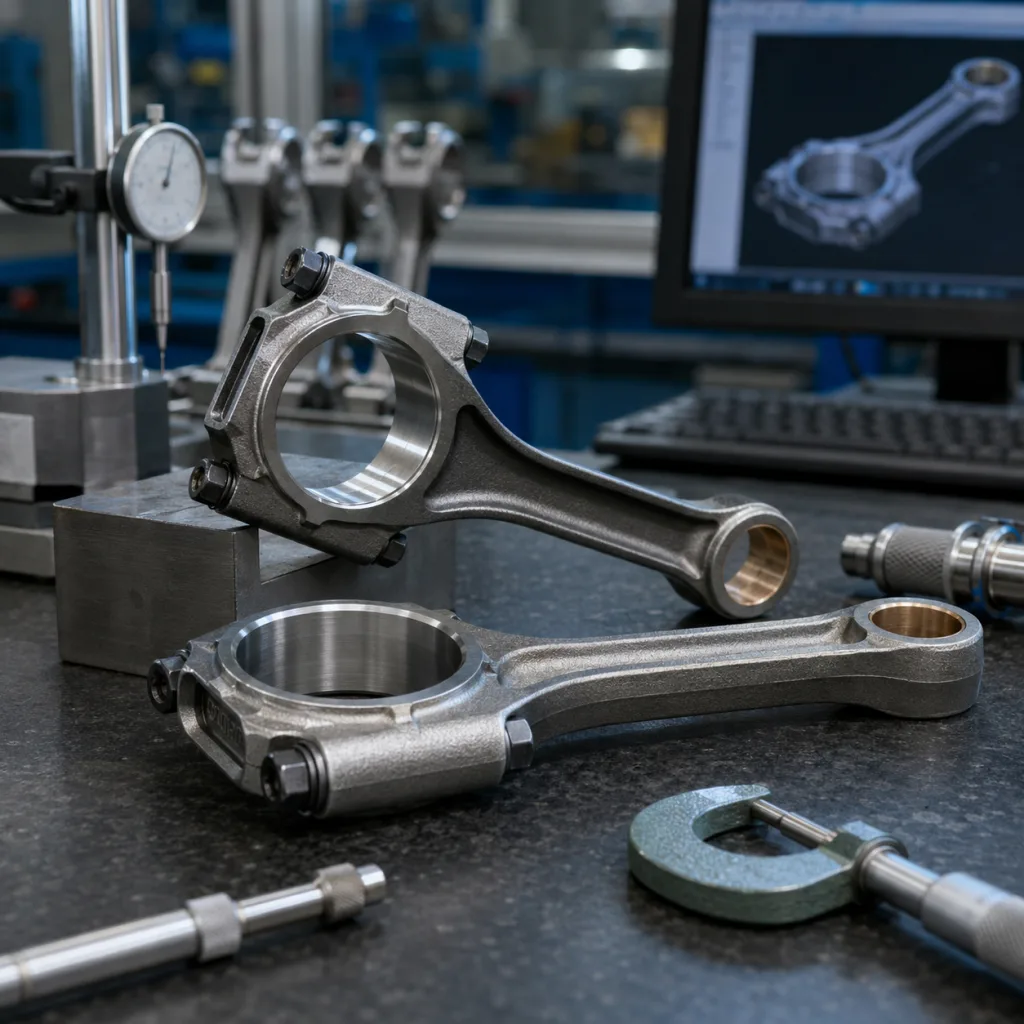
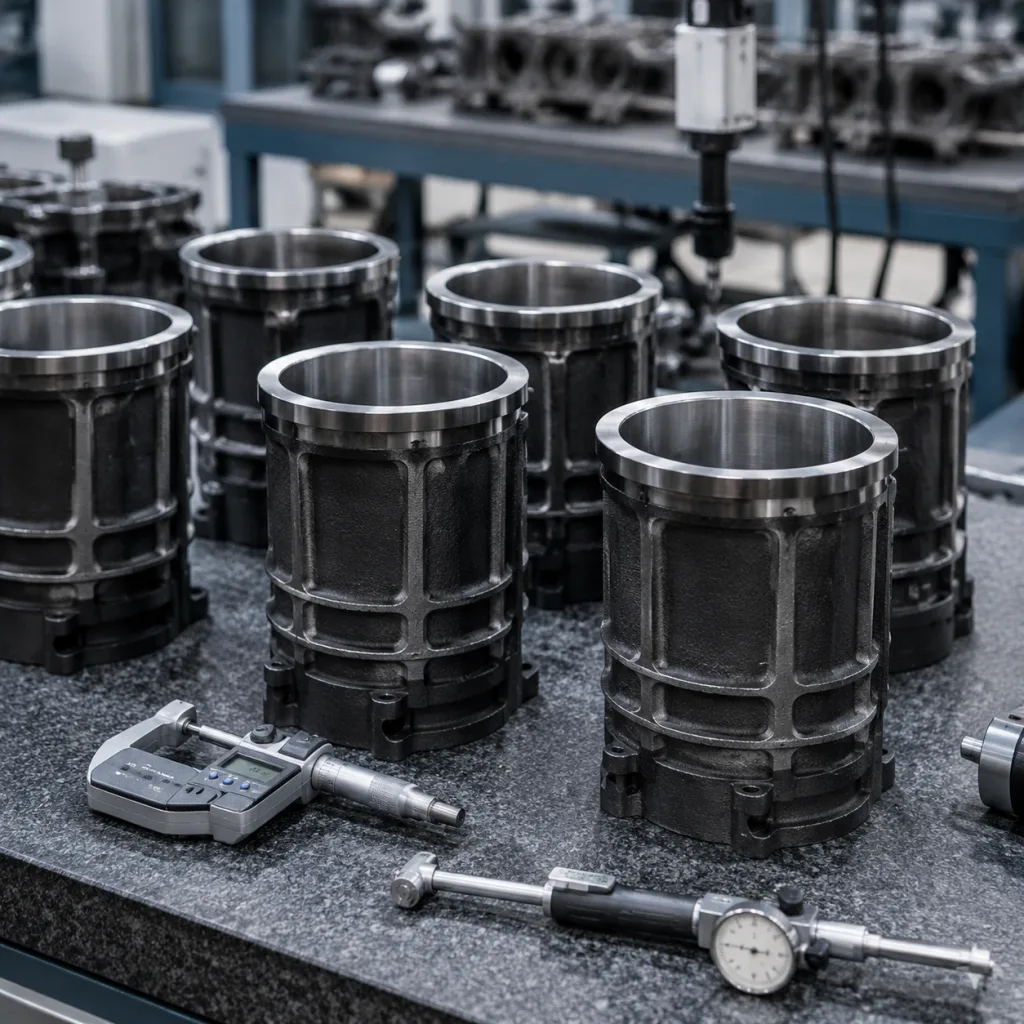
| Inspection | CMM, gauges, concentricity, runout and balance checks | Confirms repeatability before shipment | |
| Packaging | Rust prevention, part separation, export carton strength | Prevents damage during handling and sea freight |
| Order type | Typical MOQ driver | Lead-time consideration | Buyer input needed |
|---|---|---|---|
| Existing catalog item | Carton quantity and production batch size | Shorter if material and tooling are active | Cross-reference, annual volume, destination market |
| Private-label aftermarket item | Packaging and label setup | Added time for artwork approval | Brand rules, barcode, carton specification |
| New fitment development | Tooling and sample validation | Prototype and approval stage required | Sample, drawing, target OE reference, test plan |
| OEM/Tier-1 project | PPAP-style documentation and capacity planning | Longer launch schedule | Drawing, technical standard, audit and capacity needs |