crankshaft · 2026-06-05

Crankshaft Hyundai Manufacturer China: Sourcing Guide

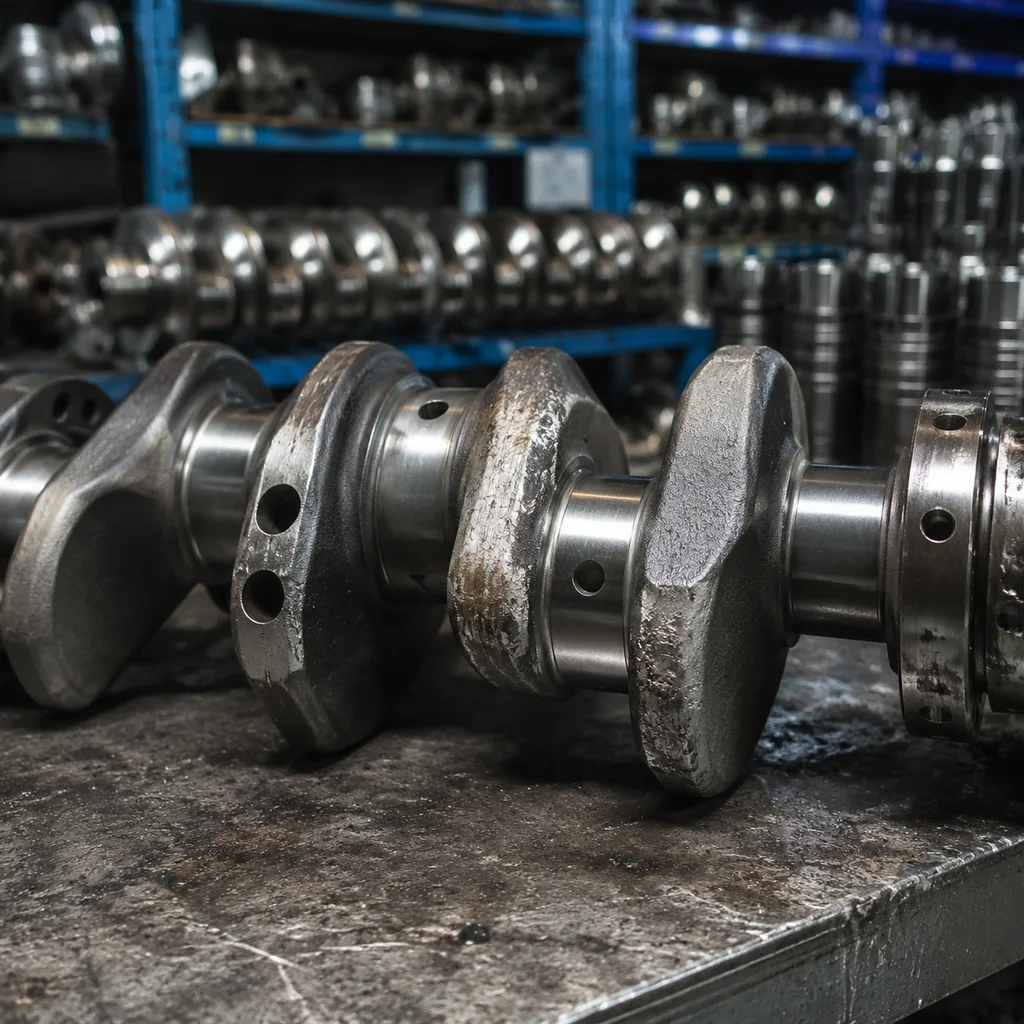
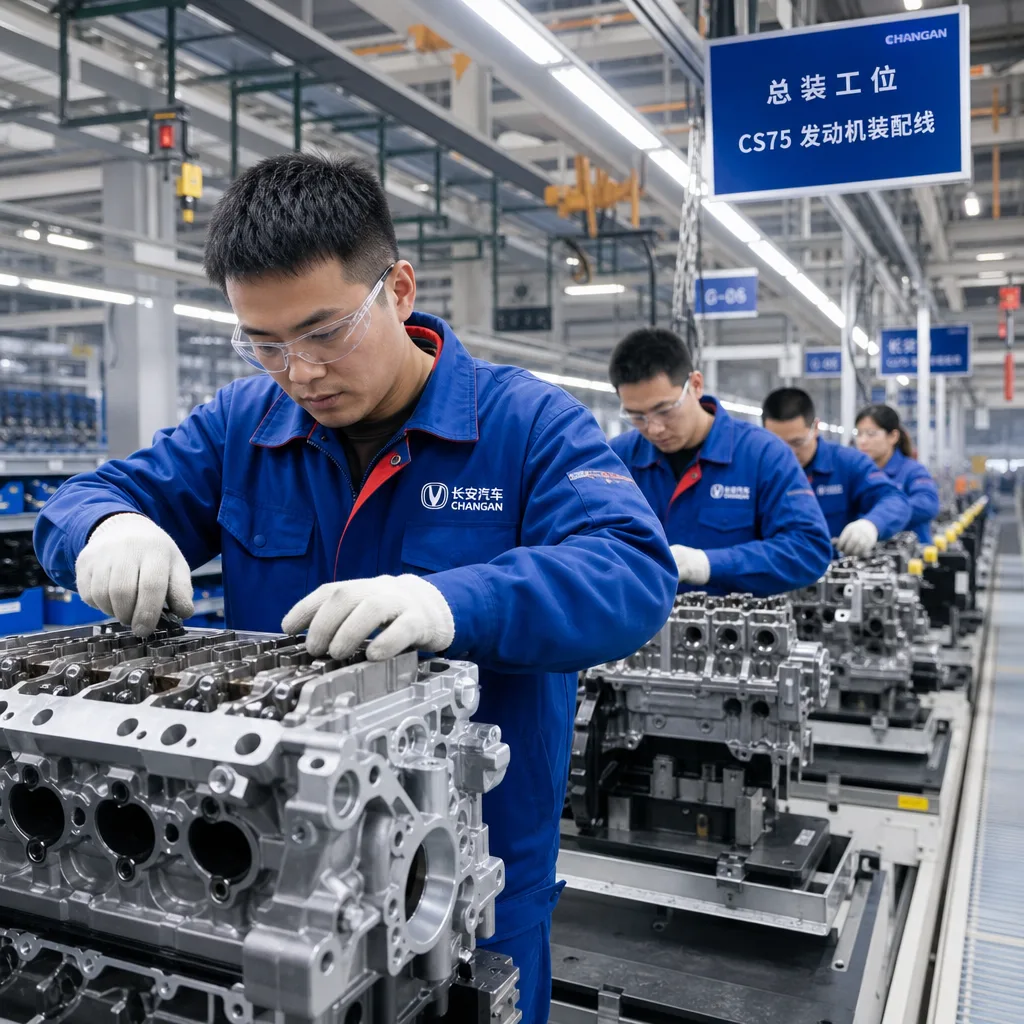
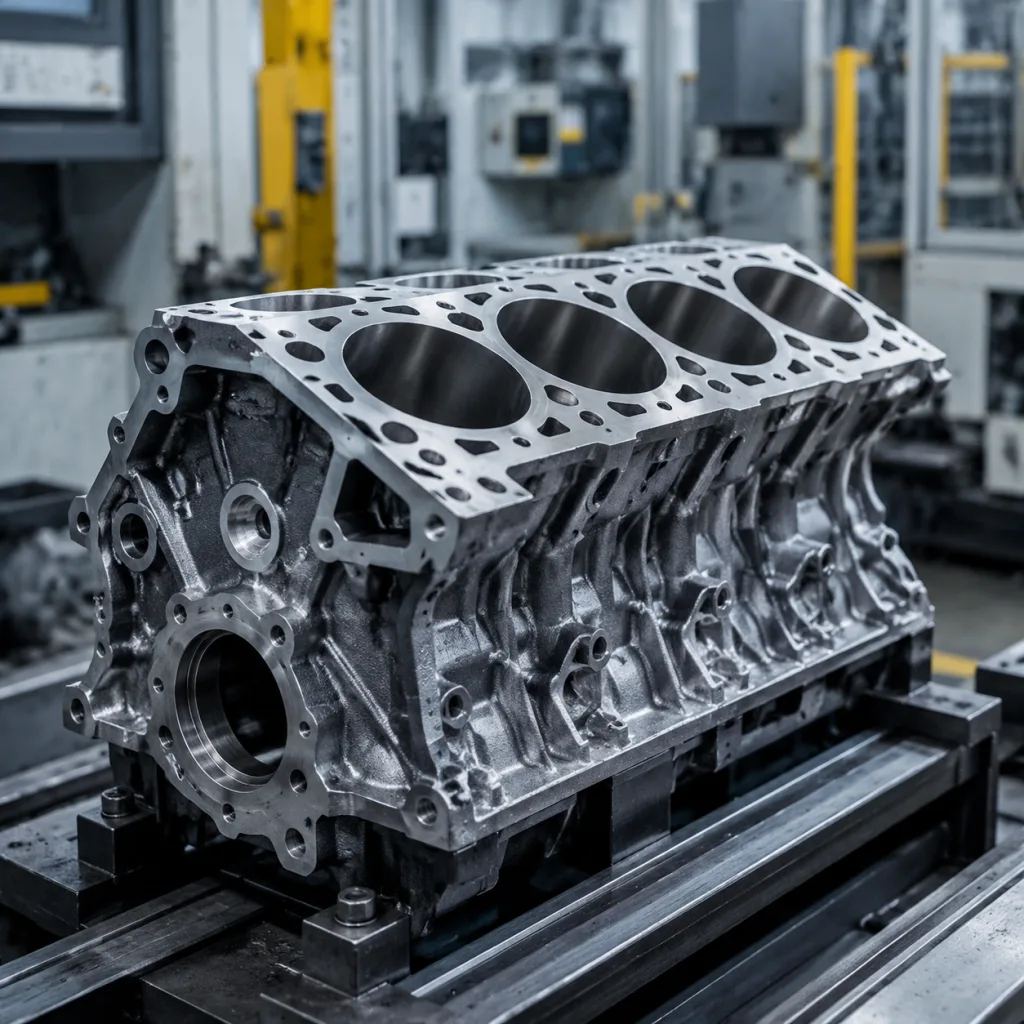
Sourcing a crankshaft for Hyundai applications is more than matching a part number. Before a supplier can be approved for repeat orders, procurement teams need confidence in engine-code fitment, metallurgy, heat-treatment traceability, CNC turning, journal grinding, oil-passage cleanliness, and export packaging. For high-volume programmes, the manufacturer should also support OE cross-reference review, sample validation, PPAP-style documentation, private-label requirements, and reliable lead times from batch to batch. Driventus is an independent aftermarket manufacturer; brand names are referenced for fitment only. We manufacture engine and powertrain components in Taizhou, Zhejiang, and export to more than 60 countries. Our production system follows IATF 16949:2016 and ISO 9001:2015, with controlled incoming material, forging or casting review, CNC machining, heat-treatment verification, journal grinding, dynamic balancing where specified, high-pressure cleaning, rust prevention, and final inspection. This sourcing guide explains what buyers should check when evaluating a crankshaft Hyundai manufacturer China programme, including material specification, journal tolerances, runout, surface finish, MOQ, lot traceability, validation testing, audit readiness, and commercial terms before shipment.

What buyers should verify first

Start with fitment data. For a Hyundai crankshaft sourcing programme, buyers should confirm the engine family, engine code, OE reference, displacement, stroke, journal count, main journal diameter, rod journal diameter, thrust bearing position, rear flange bolt pattern, pilot bore, keyway or sprocket interface, reluctor or trigger-wheel arrangement, oil-hole layout, counterweight profile, and any manual-versus-automatic transmission differences. Two crankshafts can look almost identical in photos yet still create bearing-clearance errors, end-float problems, timing misalignment, oil-pressure loss, vibration, or assembly delays.

A qualified supplier should review the part against drawings, OE cross-reference data, 3D scan data, or a physical sample before committing to production. Buyers should be cautious about approving a programme from a generic catalogue number alone unless the supplier has confirmed the engine code and critical-to-quality dimensions. With crankshafts, sample approval should be based on measured values, not just a visual comparison.

A supplier should be able to provide:

  • OE cross-reference by part number, where available, used only for fitment screening
  • Engine family, engine code, displacement, and application notes for compatibility review
  • Material declaration, chemistry report, and heat-treatment route for the production lot
  • Dimensional inspection report for main journals, rod journals, thrust faces, flange, keyway, pilot bore, oil holes, and total indicated runout
  • Hardness result and surface-finish record for bearing journals, commonly reported as HRC/HB and Ra values according to customer specification
  • Fillet-radius and chamfer confirmation where these dimensions affect fatigue strength or bearing clearance
  • Oil-passage deburring, flushing, and cleanliness control method after machining and grinding
  • Dynamic balance report where the engine family or customer specification requires it
  • Export packaging specification covering journal protection, anti-rust treatment, carton strength, palletisation, and label format
  • Sample and batch traceability from material heat or foundry lot to finished-part carton label

Driventus supports programme reviews for aftermarket distributors, OEM/Tier-1 buyers, and repair-chain import managers. Our our catalog helps buyers screen part families before RFQ submission, and our quality system explains the inspection controls used during production and final audit steps.

Engineering points that affect crankshaft quality

Crankshaft quality is built through process control, not appearance. A polished journal does not, by itself, prove stable bearing contact, fatigue resistance, oil-film retention, or long service life. Buyers should review the full manufacturing route: material selection, forging or casting integrity, normalising or quench-and-temper control where applicable, straightening, rough turning, oil-hole drilling, heat treatment, semi-finish machining, journal grinding, fillet control, dynamic balancing, demagnetisation, cleaning, inspection, rust prevention, and protection before packing.

</tr></thead><tbody> </tbody></table>A reliable China manufacturer should also control grinding-wheel dressing, coolant filtration, magnetic-particle inspection or equivalent surface-defect detection where the programme requires it, and first-off approval after each fixture or wheel change. For export supply, documentation should match customer requirements and remain consistent from first article to repeat orders. The strongest suppliers do not use inspection as a final sorting exercise. They rely on in-process gauging to prevent journal drift, grinding burn, runout issues, oil-hole burrs, and mixed-part risks before finished inventory reaches packing.

How Driventus supports procurement programmes

Driventus is structured for B2B supply, not retail fulfilment. That distinction matters when buyers need repeat lots, stable labelling, export-ready cartons, technical documentation, and a clear route for engineering questions. A crankshaft programme often sits within a broader engine-parts category, so procurement teams also need supplier communication that can handle forecasts, mixed-SKU orders, private-label packing, phased releases, and long-term demand changes.

Key support points:

1. Engineering review against OE data, customer drawing, approved CAD data, or sample part 2. Fitment confirmation by engine family, engine code, critical dimensions, and application notes 3. Process planning for forging or casting review, heat treatment, rough machining, oil-hole drilling, semi-finish machining, journal grinding, balancing, cleaning, and rust prevention 4. Batch inspection with recorded journal dimensions, roundness/cylindricity checks where required, runout checks, hardness checks, surface-finish review, and visual defect control 5. Export packing and carton marking for warehouse intake, distributor handling, e-commerce secondary handling, or private-label supply 6. Documentation support for inspection reports, material information, heat-treatment records, sample approval, and customer-specific control requirements 7. Ongoing supply planning for recurring demand, seasonal buying cycles, safety stock, and multi-SKU consolidation

For buyers managing wider engine portfolios, our products/engine-components.html page shows adjacent items that can be consolidated into one sourcing plan. If a programme calls for non-standard dimensions, oversize/undersize journal options, special packaging, carton marks, regional labelling, barcode formats, or private-label supply, our custom manufacturing service can define the control plan before production starts. This helps procurement teams move from a one-time sample purchase to a repeatable crankshaft Hyundai manufacturer China supply programme with defined acceptance criteria, lot records, and shipment-level traceability.

Lead time, MOQ, and audit expectations

Procurement teams need commercial terms that fit stock policy, regional demand, and inventory risk. The right supplier should state MOQ by engine family or part number, standard lead time, sample lead time, tooling or fixture requirements, and whether mixed-SKU consolidation is possible. Buyers should also confirm whether the quotation includes export cartons, neutral packaging, private-label packaging, palletisation, inspection documents, barcode labels, and any special anti-rust treatment for long sea freight or humid storage conditions.

Typical questions to resolve at RFQ stage:

  • What is the MOQ per part number, per engine family, or per tooling set?
  • What is the sample lead time for dimensional, material, and fitment validation?
  • What is the standard production lead time after sample approval and deposit confirmation?
  • Can multiple crankshaft SKUs be consolidated in one shipment without increasing mixed-part risk?
  • Are pre-production samples or first-article inspection reports available before volume release?
  • Can the factory support customer audits, remote video inspections, process walk-throughs, or document review?
  • What documents are supplied with each batch: inspection report, material certificate, heat-treatment record, packing list, and traceability sheet?
  • How are nonconforming parts identified, segregated, contained, dispositioned, and reported?
  • What packaging options are available for distributor, workshop-chain, or private-label supply?
  • What Incoterms, pallet standards, carton dimensions, and gross-weight limits are used for export shipments?

When visiting or auditing a manufacturer in China, buyers should review incoming material traceability, supplier qualification, calibration records, gauge R&R where required by the customer, in-process gauging, heat-treatment control, journal grinding records, coolant and abrasive control, final inspection flow, nonconformance handling, corrective-action records, and final packing controls. IATF 16949:2016 and ISO 9001:2015 are relevant benchmarks, but the real value is in how the factory applies them to machining consistency, document discipline, and lot traceability. A practical audit should connect the certificate to the production floor: gauges must be calibrated, inspection points must match the control plan, operators must separate conforming and nonconforming parts, inspection data must be retained by lot, and finished parts must remain identifiable after packing.

Validation testing before release

Before placing volume orders, buyers should validate the crankshaft against the intended engine build and duty cycle. For aftermarket distribution, fitment checks are usually combined with dimensional verification, visual inspection, hardness review, surface-finish confirmation, and a limited assembly or bench check. For higher-risk programmes, the customer may also request fatigue, material, metallographic, non-destructive, or balance validation before shipment approval.

Recommended checks:

  • Compare all critical dimensions against the OE sample, customer drawing, or approved reference data, including stroke, journal diameters, flange, keyway, thrust width, and pilot bore
  • Confirm main and rod bearing shell clearance with the intended bearing set, using the customer’s specified measurement method rather than visual assembly alone
  • Check thrust face dimension and axial clearance during trial assembly
  • Confirm compatibility with the intended piston, connecting rod, timing sprocket, oil pump drive, flywheel or flexplate, and rear seal arrangement
  • Check dynamic balance where the engine family is sensitive to vibration or the customer specifies a balance grade
  • Verify journal finish, chamfering, fillet radius, oil-hole deburring, and oil-passage cleanliness after flushing
  • Review hardness results and any required surface-defect inspection record, such as magnetic-particle testing on forged steel applications where specified
  • Inspect anti-rust protection, journal wrapping, carton strength, internal blocking, pallet stability, and label traceability
  • Review packaging survivability after transit simulation, drop/handling checks, or customer warehouse intake trials when required

For programme-specific testing, request material and surface validation aligned to the customer drawing, control plan, and recognised methods where applicable. Examples may include chemical composition by spectrometer, hardness testing by Rockwell or Brinell method, surface roughness measurement by profilometer, runout by dial indicator or CMM/fixture, magnetic-particle inspection for surface cracks, and cleanliness inspection of oil galleries after flushing. If regional compliance documentation is required, confirm it at RFQ stage. REACH (EC) No 1907/2006 may be relevant to materials, rust inhibitors, coatings, packaging chemicals, or market documentation. Emissions regulations such as ECE R-83 apply to the vehicle system and should be handled through the customer’s own validation plan, rather than treated as a crankshaft-only approval. The release decision should be based on fitment, measured conformity, documentation, process repeatability, and packaging performance, not simply on whether a sample can be installed.

Supplier fit for Hyundai programmes

A supplier is suitable when it can deliver consistent parts across repeat lots, not just when the first sample passes. For Hyundai-fit crankshafts, buyers should evaluate whether the manufacturer can maintain the same dimensional standard, material route, heat-treatment window, grinding process, cleaning method, packaging method, and response process after the first order is approved. This is especially important for distributors and importers carrying inventory across multiple engine codes, where repeated rework, repacking, claim handling, or warranty disputes can quickly erode margins.

For buyers sourcing a crankshaft Hyundai manufacturer China relationship, the main criteria are:

  • Dimensional repeatability across batches and part numbers, especially journals, thrust faces, flange, runout, and oil-hole geometry
  • Clear OE cross-reference handling without brand endorsement or genuine/OEM claims
  • Stable manufacturing process and traceable inspection records by material lot, heat-treatment lot, machining batch, and carton label
  • Material, heat-treatment, runout, hardness, fillet, surface-finish, and cleanliness controls that match the application
  • Practical MOQ, sample timing, production lead time, and mixed-SKU shipment options
  • Export packaging that protects journals, oil holes, flange surfaces, keyways, threaded holes, and machined edges from impact and corrosion
  • Response speed on technical questions, corrective action, nonconformance reports, and replacement-part containment
  • Ability to support private-label, distributor, or repair-chain requirements without losing lot traceability

Driventus supplies independent aftermarket programmes only. Driventus is an independent aftermarket manufacturer; brand names are referenced for fitment only. If you need a quotation, technical review, or production discussion, please request a quote and include the OE reference, engine code if available, annual volume, target market, sample requirements, inspection requirements, Incoterms preference, and packaging requirements. Clear input data helps the technical team confirm feasibility, define inspection expectations, and prepare a sourcing proposal that fits your market.

Frequently asked questions

Yes, where the customer provides the OE reference and fitment data. We use the reference for compatibility review only and do not claim OEM approval, genuine-part status, or brand endorsement.

Yes. Buyers can review our process controls, inspection flow, traceability method, gauge control, and documentation requirements before release. We can also support remote factory review and sample validation.

Send the OE part number, engine code if available, annual usage, target market, required packaging, Incoterms preference, and any dimensional, material, hardness, balance, or inspection notes. That allows us to confirm feasibility quickly.

If you are comparing suppliers for a Hyundai crankshaft programme, send your target OE reference, engine code, inspection requirements, and annual volume for review. Start here: /contact.html

Request a Quote
Control point What to check Typical buyer concern
MaterialForged steel, nodular cast iron, or cast steel grade; chemistry report; material heat/foundry lot recordFatigue life, tensile strength, machinability, batch consistency
Casting/forging integrityVisual review, supplier certificate, and non-destructive testing where specifiedPorosity, laps, inclusions, cracks, early fatigue failure
Heat treatmentHardness range, case or surface hardening requirement where applicable, temper stability, furnace lot traceabilityJournal wear, cracking risk, distortion, inconsistent machining behaviour
Journal sizeMain and rod journal diameter tolerance with actual recorded measurements for each inspection sampleBearing clearance match, oil-film stability, seizure prevention
Roundness and cylindricityGauge records from journal grinding and final inspectionUneven bearing loading, noise, accelerated wear
RunoutTotal indicated runout measured on centres before and after finish operationsVibration, assembly quality, premature bearing wear, seal leakage
Fillet radiusRadius size and consistency across journal transitions; no sharp edges or grinding undercutStress concentration, fatigue resistance, bearing edge clearance
Surface finishJournal roughness after grinding and polishing, typically controlled by Ra value per drawing or customer standardBearing wear, start-up scuffing, oil retention, break-in behaviour
Oil passagesDrilling position, cross-hole alignment, deburring, plug security where used, and post-machining flushingOil starvation, abrasive contamination, bearing damage
BalanceCounterweight geometry and dynamic balance result where requiredNVH, rotating assembly stability, warranty risk
CleaningDemagnetisation, high-pressure flushing, particle control, and visual bore inspectionResidual grinding swarf, blocked oilways, field contamination
PackingJournal sleeves, VCI bag or anti-rust oil, internal blocking, carton and pallet strengthCorrosion, dents on machined surfaces, mixed-part risk in transit