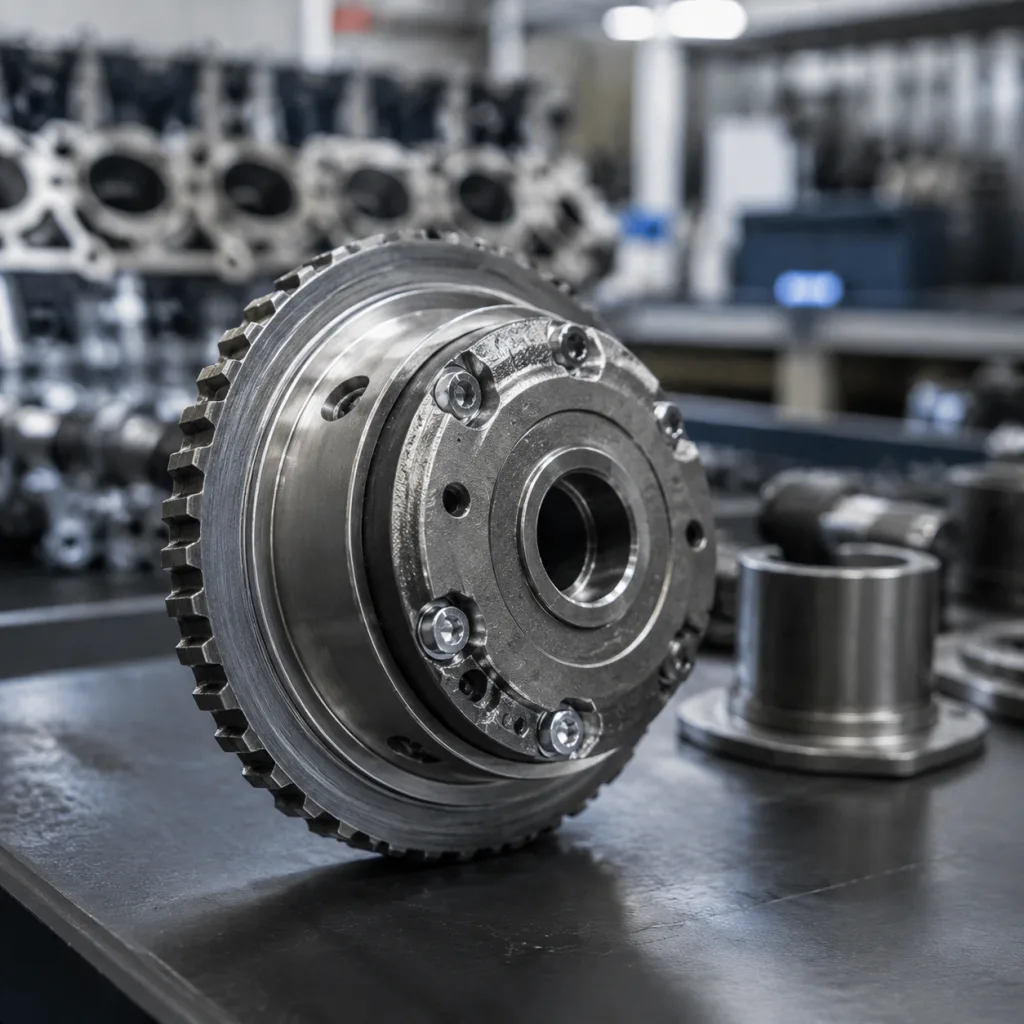
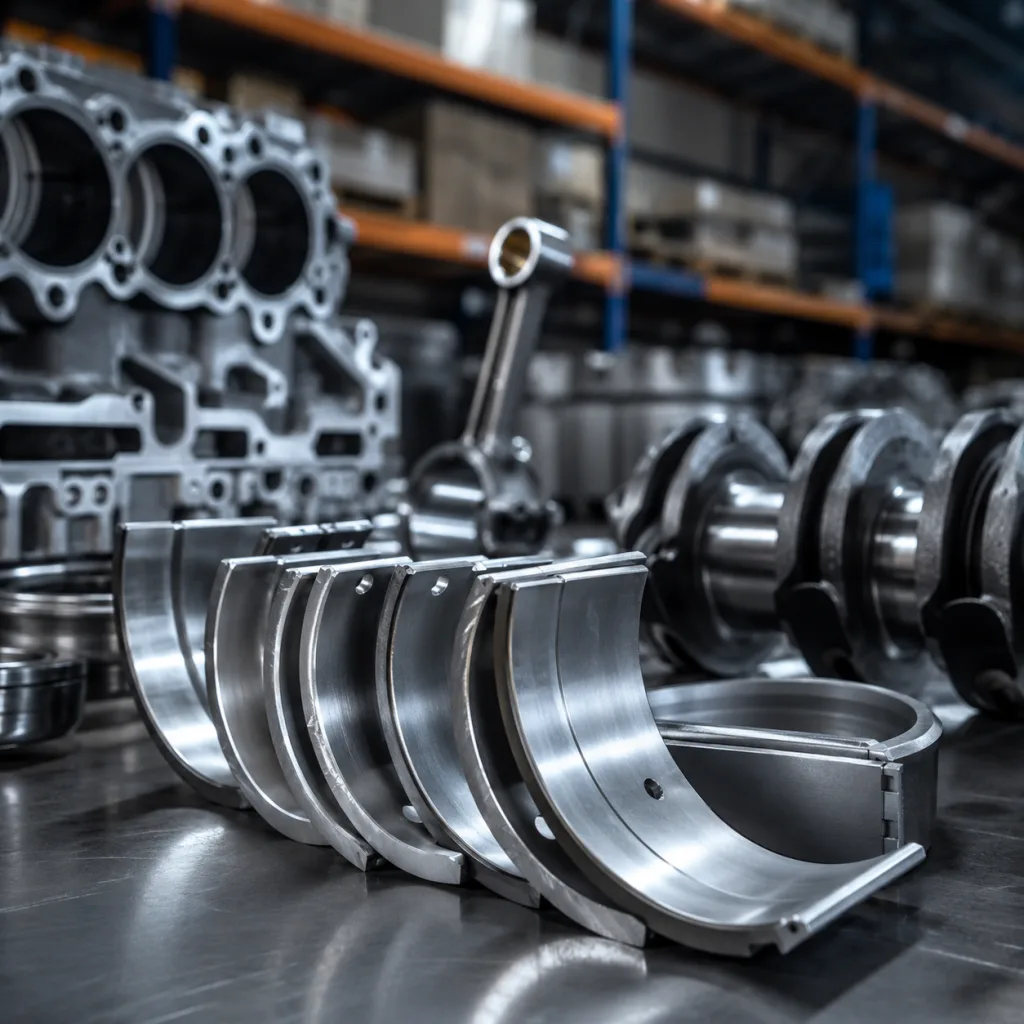
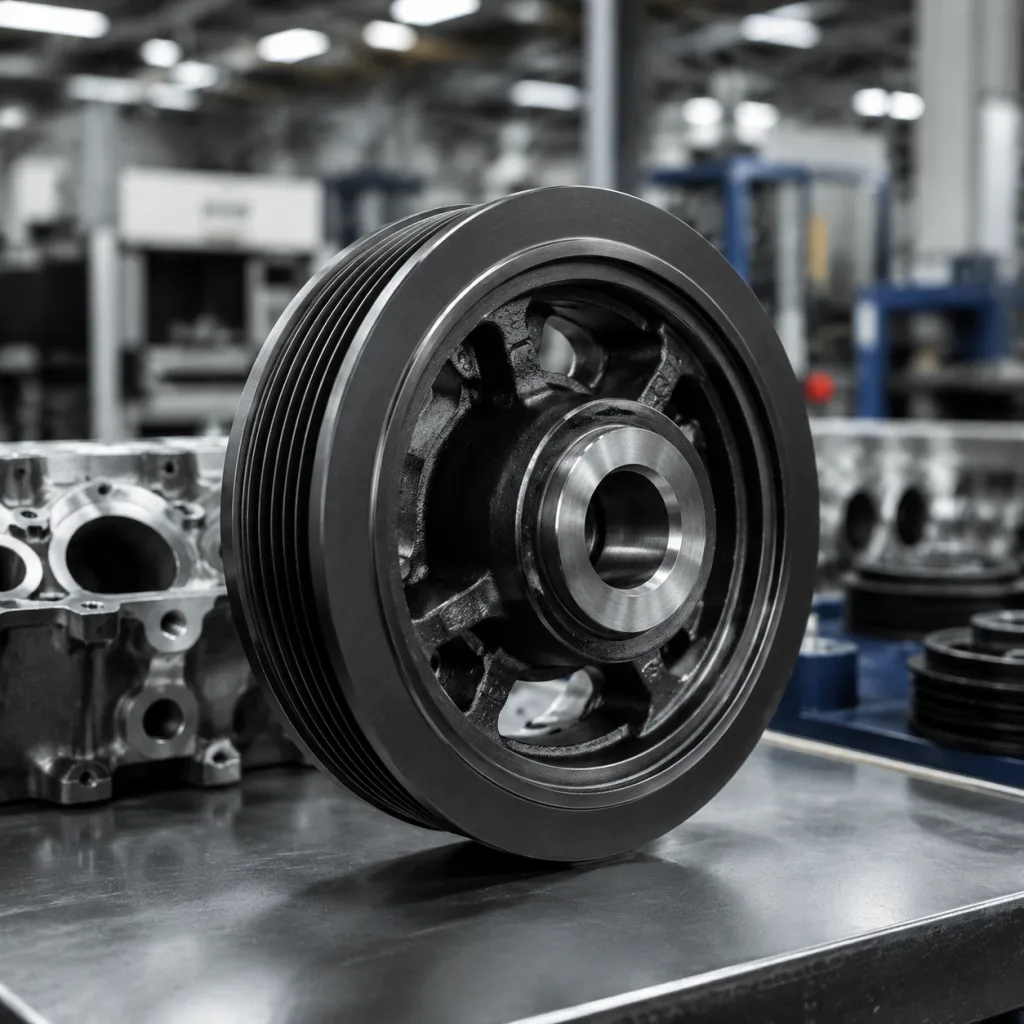
Crankshaft Audi OEM Supplier: Sourcing Guide for Buyers
Procurement teams looking for a crankshaft Audi OEM supplier need more than a catalog match. The right source has to control journal geometry, document material traceability, repeat grinding and balancing results, and support forecasted volumes without drifting outside specification. For engine rebuilders, distributors, and Tier-1 buyers, the main questions are straightforward: will it fit, how has it been validated, can supply continue reliably, and how does the supplier control changes over time?
A qualified source should be able to reference OE-style numbers where available, confirm main and rod journal diameters, fillet radii, thrust face design, oil-hole position, and total indicated runout, and provide batch inspection records before repeat supply is approved.
Driventus is an independent aftermarket manufacturer; brand names are referenced for fitment only. We manufacture engine and powertrain components in Taizhou, Zhejiang, and supply B2B customers in more than 60 countries. Our production system is certified to IATF 16949:2016 and ISO 9001:2015, with material and compliance controls aligned to customer and market requirements.
If you are comparing sources for Audi applications, assess technical equivalence, traceability, lead time, MOQ, and audit readiness before placing a trial order. That discipline matters because crankshafts are not generic hardware. They are precision rotating assemblies, and their quality affects bearing oil clearance, torsional vibration, seal life, and long-term engine reliability.
What buyers should verify before sourcing Audi crankshafts
For Audi applications, procurement should begin with identification, not price. Confirm the engine code, displacement, fuel type, OE reference, journal count, thrust bearing position, stroke, reluctor or trigger-wheel configuration, counterweight geometry, and whether the part is for a petrol, diesel, turbocharged, or naturally aspirated platform. Where the programme uses an OE cross-reference, the supplier should be able to map the item to a catalog reference such as an 06A... style number without claiming OEM approval or implying factory endorsement.
A capable supplier will also provide the technical detail needed to verify true fitment and machining consistency:
- Base material specification, such as forged steel, nodular cast iron, or specified alloy grade
- Heat-treatment route, including induction hardening, nitriding, or normalized condition where applicable
- Main and rod journal diameter, journal width, thrust face width, and fillet radius
- Straightness, concentricity, and total indicated runout values after finish grinding
- Dynamic balancing method and residual unbalance target, stated in g.mm or equivalent units
- Surface finish requirements on bearing journals, thrust faces, seal surfaces, and oil passages
- Oil-hole drilling position, chamfer condition, deburring method, and final cleanliness control
- Packaging method for export, storage, anti-corrosion protection, and pallet handling
Also confirm whether the crankshaft is intended for standard replacement, performance rebuild, fleet service, or remanufacturing use. These applications can share the same engine family while calling for different tolerances, balancing expectations, hardness depth, or inspection depth. For aftermarket and rebuild programs, dimensional consistency matters more than broad compatibility claims. Ask for first article inspection data, batch-level inspection reports, and a clear explanation of how engineering revisions, tooling changes, and material substitutions are controlled before approving series supply.
Typical sourcing criteria for procurement teams
A crankshaft Audi OEM supplier should be evaluated on supply chain control as well as machining capability. Buyers usually compare vendors across technical, quality, and commercial dimensions because a part that looks correct on paper can still fail in production if the supplier cannot repeat journal size, runout, hardness, cleanliness, or balance results across batches.
| Sourcing criterion | What to request | Why it matters |
|---|---|---|
| Certification | IATF 16949:2016, ISO 9001:2015, current scope and certificate validity | Confirms documented process control and audit discipline |
| Traceability | Heat number, melt certificate, batch code, operation record, packing list reference | Supports recall containment, warranty analysis, and claims handling |
| Dimensional control | Main/rod journal size, fillet radius, thrust width, runout, balance data | Reduces bearing clearance errors, installation failures, and vibration complaints |
| Surface integrity | Hardness, case depth where applicable, Ra values, magnetic particle inspection results | Helps protect fatigue strength and bearing life |
| Compliance | REACH (EC) No 1907/2006, customer material declarations, restricted-substance statements | Needed for EU supply chains and distributor compliance files |
| Validation | Material test report, hardness profile, fatigue or endurance evidence from comparable programs | Supports technical approval before pilot or series orders |
| Commercial terms | MOQ, sample lead time, production lead time, forecast support, Incoterms | Helps manage inventory, cash flow, and replenishment planning |