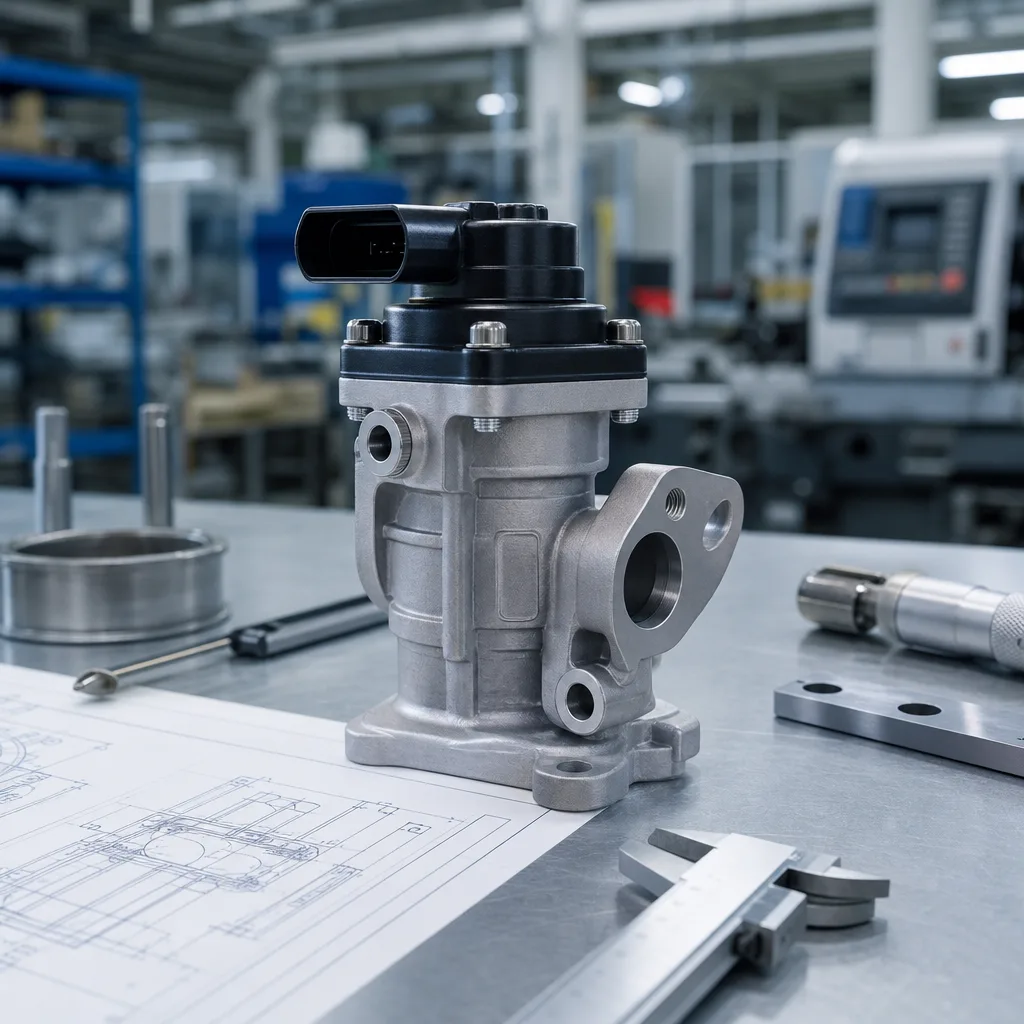
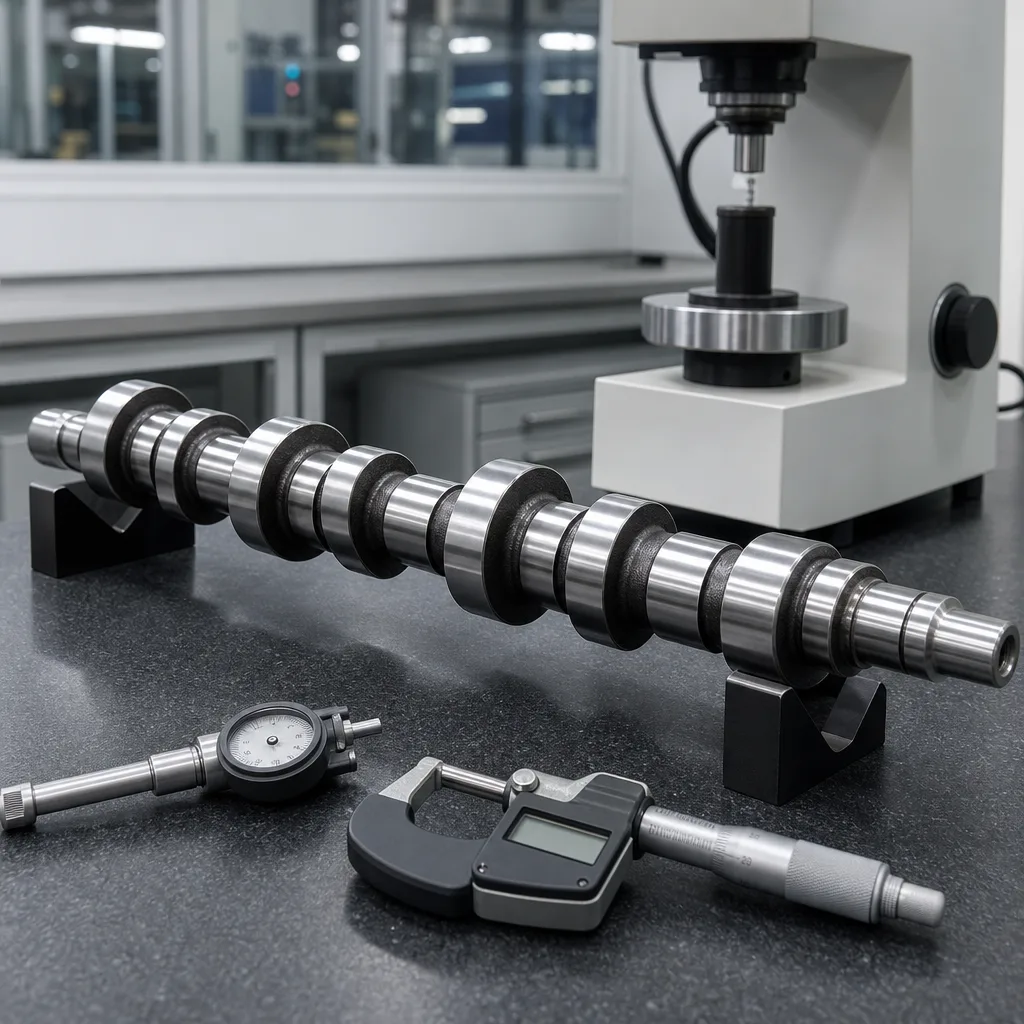
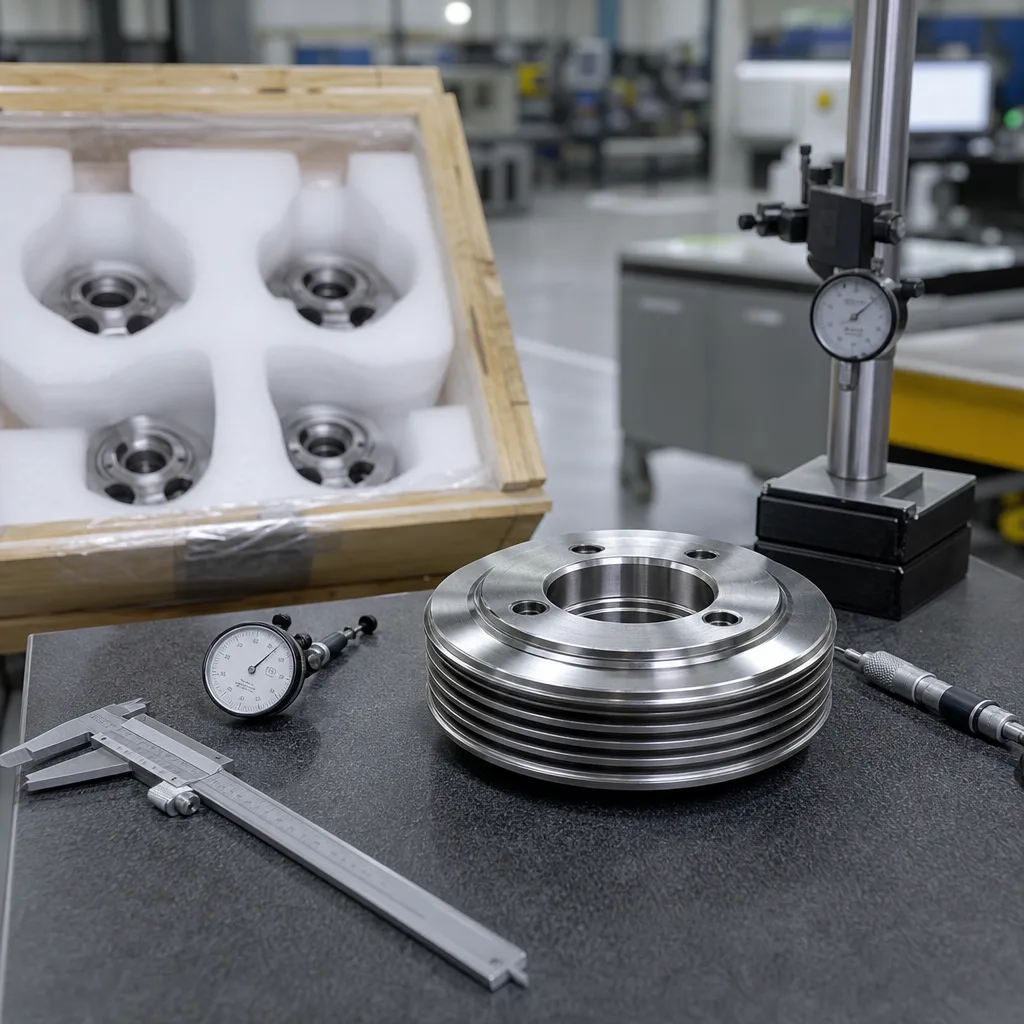
A connecting rod mini supplier must be evaluated on dimensional control, repeatability, and traceable quality records, not on catalogue claims alone. For procurement teams, the main questions are whether the factory can hold bore geometry, big-end roundness, and weight variation within your target window, and whether it can support stable supply over multiple production runs. Driventus manufactures engine and powertrain components in Taizhou, Zhejiang, with exports to 60+ countries and certification to IATF 16949:2016 and ISO 9001:2015. We supply aftermarket distributors, OEM and Tier-1 buyers, and multi-location repair chains. Driventus is an independent aftermarket manufacturer; brand names are referenced for fitment only. If you are sourcing a compact connecting rod programme, the right supplier should also provide material traceability, incoming inspection records, and packaging that prevents distortion in transit.
What buyers should expect from a connecting rod mini supplier
For small-engine and compact passenger car applications, the supplier must prove control of the full manufacturing chain. That includes forging or machining capability, heat treatment, shot peening when specified, final sizing, and part marking for traceability.
A practical procurement checklist is below:
Item
Buyer check
Typical evidence
Material control
Alloy specification and heat traceability
Mill certificates, batch records
Dimensional control
Bore size, centre distance, big-end roundness
Inspection report, CMM data
Weight matching
Consistent rod-to-rod variance
Sorting log, balance sheet
Surface quality
No cracks, laps, or machining burrs
Visual inspection standard
Packaging
Corrosion and impact protection
Packing specification
</tr></thead><tbody> </tbody></table>If your programme uses OE cross-reference parts such as OE 06A107065 or similar family references, the supplier should confirm fitment by application data, not by assumption. /products.html and /products/engine-components.html should be used to review the available range before RFQ submission.
MOQ, lead time, and supply continuity
Mini connecting rod sourcing often fails when buyers focus only on unit price. MOQ and lead time matter more when you need stable replenishment across regions.
Typical supplier questions:
What is the minimum order quantity per part number or per application family?
Can the factory support mixed-SKU packing for distributors?
What is the standard lead time for repeat orders and for new tooling?
Is raw material stock held for faster release?
Can the supplier provide monthly capacity planning?
For repeat orders, a disciplined supplier should confirm forecast windows, safety stock options, and change-control rules. This matters for aftermarket distributors and repair chains that cannot tolerate backorders. If your sourcing model includes custom packaging, special coatings, or application-specific labelling, use /oem-services.html for custom manufacturing discussions early in the RFQ stage.
Quality controls that matter in procurement
A credible supplier should operate under IATF 16949:2016 and ISO 9001:2015, with documented incoming, in-process, and final inspection. Buyers should ask for control plans, gauge calibration records, and non-conformance handling procedures.
Key technical points to verify:
1. Big-end bore roundness and alignment after final machining. 2. Small-end bush consistency where a bushing is used. 3. Centre-to-centre length tolerance against the target application. 4. Surface finish at the rod shank and cap joint. 5. Fastener torque specification and joint repeatability, if supplied as an assembled rod.
For validation, request inspection records tied to batch numbers and, where applicable, fatigue or durability evidence aligned with customer requirements. For export markets, confirm REACH (EC) No 1907/2006 compliance where material declarations are needed, and ensure the documentation set is complete before first shipment. See our quality system for the controls used on production and release.
How to compare suppliers without overpaying
When buyers compare two or three suppliers, the lowest quote is not always the lowest landed cost. A smaller unit price can hide higher reject rates, slower response, or expensive rework at the distribution centre.
Use this comparison framework:
Factor
Low-cost source
Controlled supplier
Dimensional consistency
Variable across lots
Stable across batches
Documentation
Limited
Full traceability package
Packaging
Generic
Transit-safe, application-aware
Engineering support
Minimal
Drawing review and sample approval
Change management
Informal
Written notice and approval
</tr></thead><tbody> </tbody></table>Ask for sample lots from at least one production batch, not hand-selected units. Then review weight spread, machining finish, and cap-to-rod fit. If you are validating an OE-referenced application, the supplier should support comparison against the declared dimensions and relevant customer drawings, without claiming manufacturer approval.
Validation testing before placing a repeat order
Before converting a first purchase into a repeat order, run a defined validation plan. This is especially important for buyers serving workshops and export distributors, where returns are costly.
Suggested checks:
Dimensional verification against drawing tolerances.
Metallurgical review, if material certification is required.
Installation trial with matched piston, pin, and bearing set.
Torque retention check on assembled rods.
Road or bench durability testing under customer-specific duty cycles.
Where surface durability is a concern, request testing references such as SAE J2527 for coating or surface performance comparisons when relevant to the part specification. For emissions-related or vehicle-specific application work, confirm whether ECE R-83 is relevant to the broader programme scope, but do not treat it as a blanket approval for the rod itself. The supplier should document what was tested, on which sample size, and under which acceptance criteria.
Why Driventus suits sourcing teams for compact rod programmes
Driventus is set up for B2B procurement, not retail sales. That means predictable communication, export documentation, and manufacturing controls aligned with repeat purchasing.
What buyers typically receive:
Application review and drawing confirmation.
Batch-level traceability.
Export-ready packing and carton labelling.
Technical response for RFQ and sample approval.
Support for private label or customer-specific packaging when required.
For buyers building a portfolio of engine components, consolidating supply with one factory can reduce vendor management load and improve consistency across adjacent parts. Start with the connecting rod family, then expand into related items through our catalog. If you need a non-standard finish, packaging format, or application-specific configuration, use custom manufacturing to define the request before tooling or production release.
Frequently asked questions
Ask for material certificates, dimensional inspection data, MOQ, lead time, packaging details, and traceability by batch. Also confirm whether the factory works to IATF 16949:2016 and ISO 9001:2015.
Yes. Use OE cross-reference numbers only for fitment and application matching. Do not imply manufacturer endorsement. Always verify the drawing, dimensions, and customer requirements independently.
The main risk is inconsistent quality across batches, which can raise returns and warranty costs. Landed cost often increases when rejects, delays, or rework are included.
If you are building a repeat supply programme, send your drawings, target volume, and packing requirements for review. Start here: /contact.html