A connecting rod for Genesis GV70 replacement is not a catalog filler SKU. It is a load-bearing engine component that must match the exact GV70 engine code, crankpin journal, piston pin, bearing shell, rod length, mass class, cap design, and repair-market expectations. A buyer who approves only by vehicle name risks bore mismatch, bearing distress, piston noise, oil-pressure instability, NVH complaints, or a full warranty teardown.
The practical sourcing work is narrower and tougher: control centre-to-centre length against the approved drawing or sample, measure big-end bore geometry after bolt torque, confirm small-end bushing clearance, hold side-face width, and limit rod-set weight spread before repeat supply. Unit price matters, but it should not outrank fitment evidence, batch discipline, and after-sales traceability.
Driventus manufactures engine and powertrain components in Taizhou, Zhejiang, under IATF 16949:2016 and ISO 9001:2015 quality systems. Driventus is an independent aftermarket manufacturer; vehicle and brand names are used for fitment reference only.
Fitment Decision: What Must Match Before You Quote
Start with the engine program, not the badge on the tailgate. Genesis GV70 applications vary by market, model year, and engine option, including turbocharged petrol and diesel configurations depending on region. A replacement connecting rod should be quoted only after the buyer freezes the engine code, displacement, piston pin diameter, crankpin journal diameter, bearing shell width, rod length, cap design, and target weight class.
A strong RFQ for a connecting rod for Genesis GV70 replacement should include a fitment pack rather than a short message asking for “GV70 rods.” The pack should state engine code, OE sample or drawing status, crankpin diameter, pin diameter, big-end width, small-end width, bearing tang position, bolt size, target rod weight, and any required end-weight balance. If a verified OE part-number cross-reference is available, include it. If it is not, do not substitute generic OE-style numbers as proof. Identifiers such as OE 06A107065 or OE 11251… should be treated only as format examples unless tied to the actual engine program documentation. Driventus does not claim approval or endorsement by Hyundai, Genesis, or any vehicle manufacturer.
Use this decision filter before approving samples:
Engine identity: engine code, displacement, model year range, fuel type, and market must align with the intended repair population.
Rod geometry: centre-to-centre length should match the original rod drawing or verified sample, often controlled within an agreed inspection range such as ±0.02 mm for replacement programs.
Big-end condition: big-end bore diameter, taper, and ovality must be measured after cap assembly and bolt torque; some buyers request readings at 0°, 45°, 90°, and 135° for capability review.
Small-end interface: bushing material, oil-hole position, pin-bore finish, and piston-pin clearance should match the pin coating and engine design; many specifications sit around 0.010–0.025 mm.
Cap control: fracture-split, machined split, or dowel-located caps must stay matched to their original rods through inspection and packing.
Bearing seat: bearing tang orientation, bearing shell seating width, side-face width, and side clearance target should be treated as functional fitment characteristics.
Fastener setup: bolt thread size, grade, torque-angle specification, lubricant condition, and replacement policy must be recorded before big-end measurement.
Set balance: repair kits often require total rod spread within 2–4 g per set and end-weight spread within 1–2 g where practical.
Spec Deep-Dive: The Dimensions That Decide Engine Survival
A replacement rod preserves the working relationship between crankshaft, piston, bearing shell, and cylinder bore. In turbocharged engines, combustion pressure and bearing load leave little room for casual substitution. A rod can look correct in a catalog photo and still fail the job because the bore shifts under torque, the pin clearance is wrong, or the set weight spread is too wide.
Procurement teams should separate functional dimensions from reference dimensions and require measured reports, not application claims. The table below shows the checks that usually decide whether a rod is ready for approval.
Design point
Why it matters
Procurement verification
Centre-to-centre length
Controls compression height and piston deck position
CMM or fixture measurement against sample; agree drawing tolerance before tooling release
Big-end bore roundness
Supports oil-film stability and bearing life
Bore gauge report after bolt torque; record diameter, taper, and ovality instead of pass/fail only
Small-end bushing clearance
Controls piston pin noise and lubrication
Pin gauge, air gauge, or bore gauge check plus Ra surface finish report
Mass and balance
Reduces vibration and bearing-load variation
Rod total weight, big-end weight, and small-end weight data by cavity or production lot
Material and heat treatment
Determines tensile strength and fatigue resistance
Material certificate, heat number, hardness range, and microstructure check where specified
Bolt clamp load
Maintains cap integrity at high rpm
Bolt specification, thread inspection, torque-angle validation, and tightening sequence control
Surface finish
Protects bearing shell and pin interface
Ra report for big-end bore, pin bore, and side faces; buyer may set Ra ≤0.8 µm for bearing bore depending on process
Cap alignment
Prevents bearing crush loss and bore shift
Matched cap marking, parting-face inspection, and post-assembly bore verification
</tr></thead><tbody> </tbody></table>Material choice should follow the original functional requirement. Forged steel and powder-metal steel can both be valid, depending on the engine design, performance target, and cost position. What should not happen is an undocumented process switch. If the original sample uses fracture-split powder-metal construction, changing to a machined forged alternative can alter cap alignment, big-end stiffness, parting-face behavior, and mass distribution. Approve that only after sample sectioning, hardness data, assembled-bore reports, and at least one fitted trial with the intended piston pin, bearing shell, and crankpin reference dimension.
Failure Modes: Where Replacement Rod Programs Go Wrong
Most rod supply problems are not dramatic at the quotation stage. They appear later: a workshop reports bearing noise, an importer sees mixed weights in one carton, or a repair chain finds a cap that no longer matches the bore after bolts are tightened. The prevention work belongs in manufacturing controls.
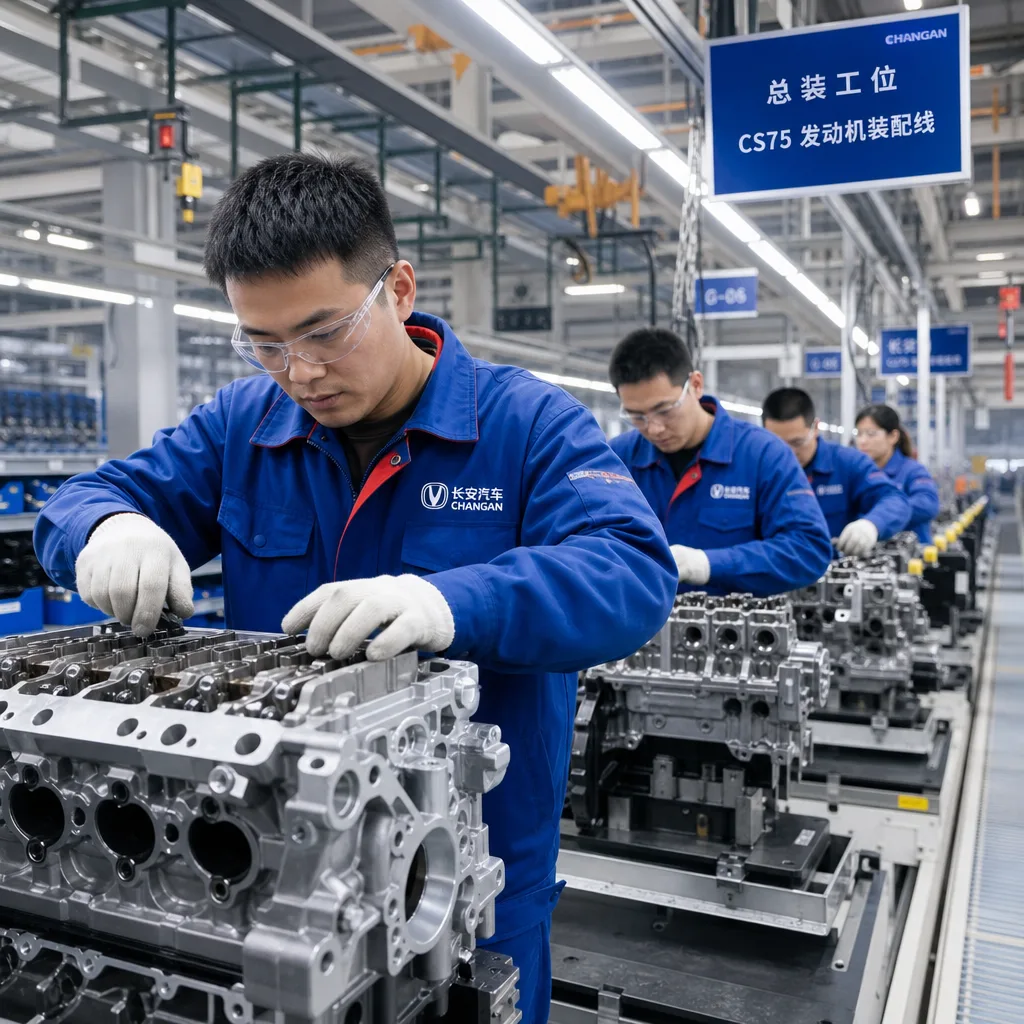
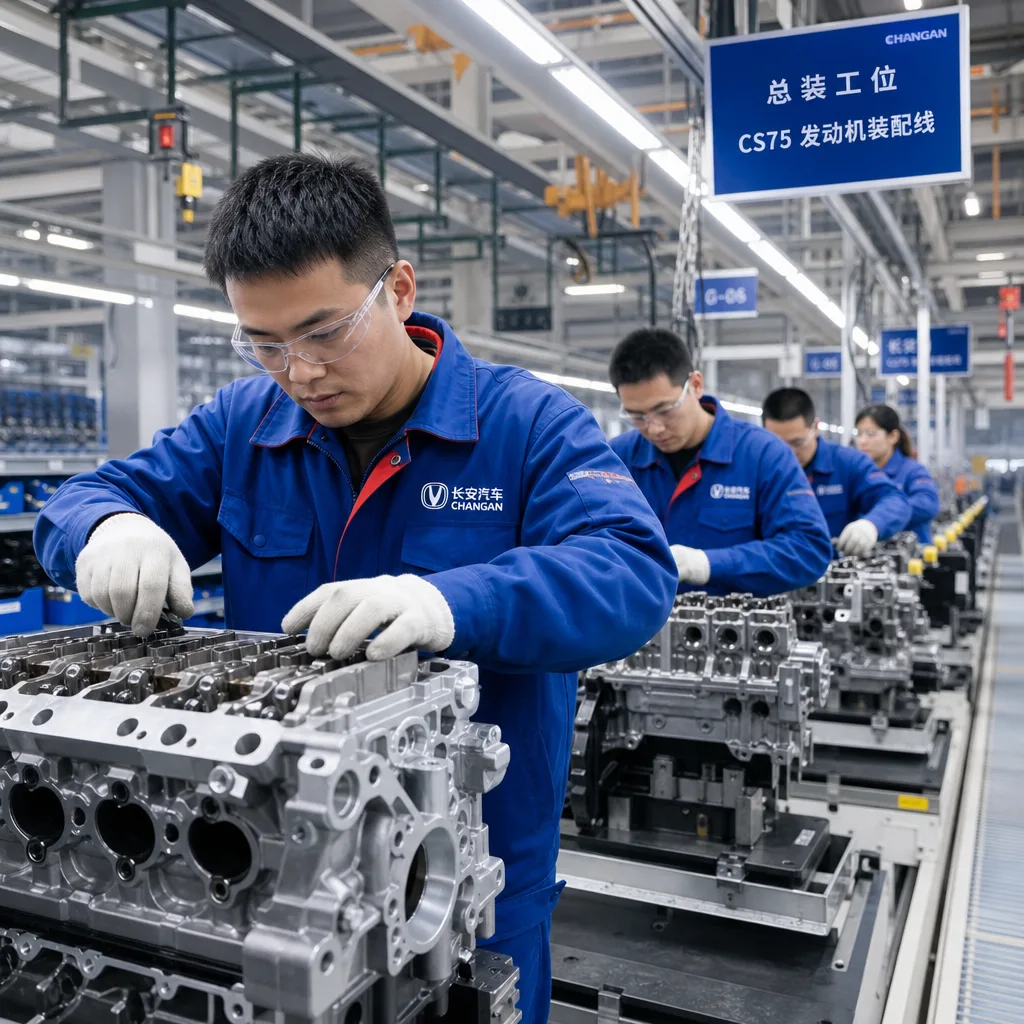
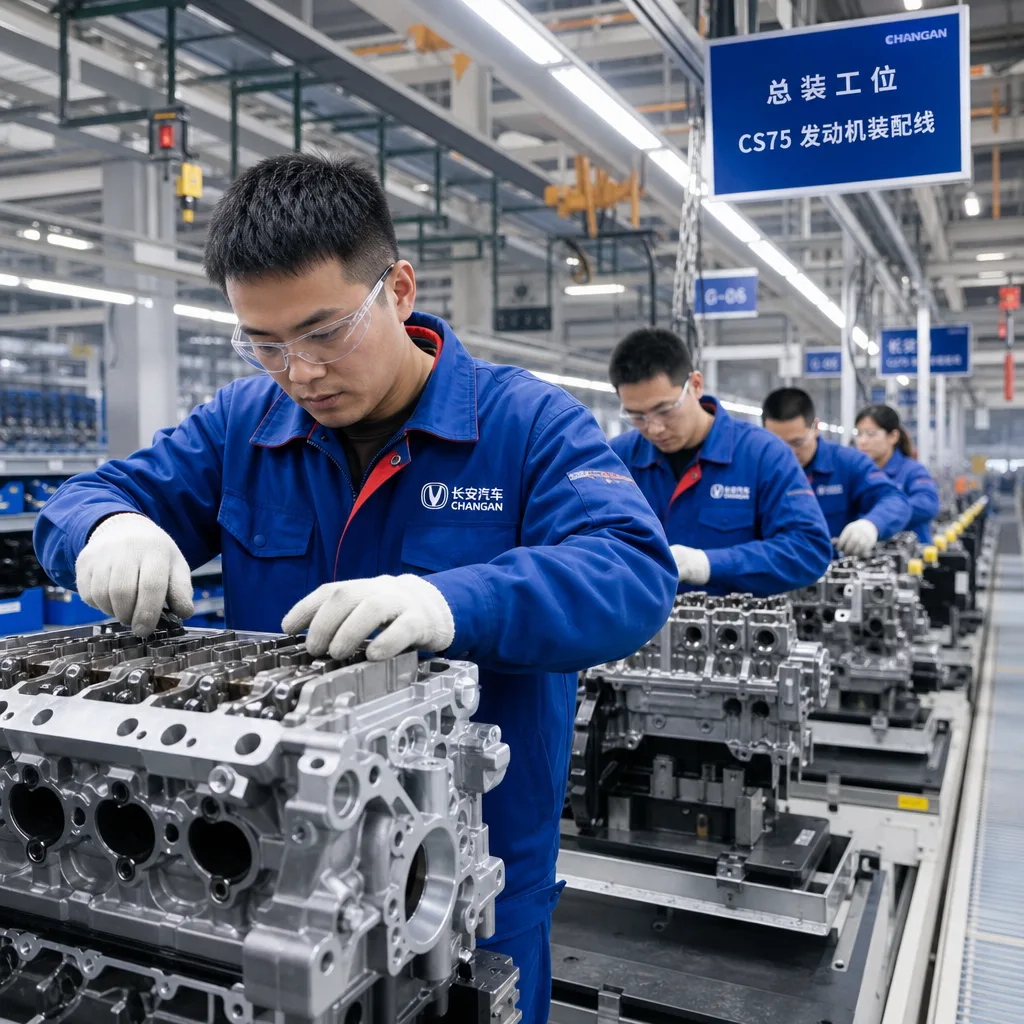
Connecting rod production depends on raw material selection, forming, heat treatment, machining, final honing, cleaning, and packing. The most sensitive dimensions are often created late, especially big-end bore geometry after cap assembly and bolt torque. A qualified supplier should be able to explain how these characteristics are held, which gauges are used, how gauges are calibrated, and how nonconforming parts are contained before packing.
Driventus uses controlled machining and inspection workflows within an IATF 16949:2016 and ISO 9001:2015 framework. Certificates matter, but the stronger question is whether the control plan covers the special characteristics linked to fitment, durability, and warranty risk. Launch inspection should check every critical dimension. Repeat lots should use defined frequency checks plus 100% controls for no-go defects such as cap mix, thread damage, blocked oil holes, and visible bore defects.
Common failure modes and controls include:
Wrong material release: verify incoming steel by heat number and material certificate before forging or sintering release.
Lot traceability gaps: connect forging or powder-metal batch, cavity, furnace, heat-treatment lot, machining lot, and shipment records where available.
Heat-treatment drift: report hardness as a range, not a single decorative value, so buyers can see movement between lots.
Datum inconsistency: define CNC datum strategy for the big-end face, small-end bore, bolt seat, and side-face operations.
Bore movement after torque: assemble caps using the specified bolt torque before honing, with records for torque value, angle where applicable, lubricant condition, and bolt reuse policy.
Unstable big-end geometry: check bore diameter, taper, ovality, and perpendicularity with calibrated bore gauges or air gauges after honing.
Launch variation: use 100% bore and thread inspection for the first 1,000–3,000 pieces when risk is high.
Contamination: inspect oil holes, remove burrs, and verify cleanliness so abrasive residue does not enter the bearing system.
Transit damage: use VCI bagging, separators, desiccant where required, and carton drop protection for sea freight and warehouse storage.
For quality documentation, buyers can review the Driventus quality system. Where a repair chain, importer, or distributor needs a private-label specification, Driventus can also discuss custom manufacturing based on drawings, samples, or target inspection data.
Approval Sequence: From Sample Check to Repeat Lots
Do not move from sample photo to annual purchase order. A credible connecting rod for Genesis GV70 replacement program should pass dimensional, material, and functional validation before repeat supply. The depth of testing depends on engine type, order volume, duty cycle, and buyer risk profile, but the approval path should be visible.
A practical sequence is:
1. Sample inspection: confirm centre distance, big-end bore, small-end bore, width, squareness, parallelism, bolt-seat condition, oil-hole position, and cap alignment with actual values. 2. Material review: check steel grade, chemical composition, heat number, mill certificate, heat-treatment condition, and any approved substitution limits. 3. Hardness and microstructure check: report test method and location so future batches can be compared properly. 4. Surface finish confirmation: measure bearing bore, pin bore, side face, and oil-hole finish where specified; use measurable Ra targets instead of visual judgment. 5. Bolt validation: verify grade, thread quality, tightening method, torque retention, thread lubricant, and whether bolts are single-use or reusable during inspection only. 6. Fitted trial: assemble with the intended piston pin, bearing shell, and crankpin reference dimension to catch fit issues before production. 7. Fatigue or design assessment: use bench fatigue, design comparison, finite-element comparison, or process validation data; higher-volume programs may request load-cycle evidence before annual contracts. 8. Mass-control review: record total rod weight plus small-end and big-end balance data, with the agreed gram spread shown for each engine set or carton batch. 9. Cleanliness review: inspect for chips, burrs, abrasive residue, and residual contamination; private-label programs can add particle-count or gravimetric residue limits. 10. Pilot-lot sign-off: ship the first batch from one controlled lot, retain samples, and record markings, labels, carton layout, and pallet configuration.
Applicable management and regulatory references can include IATF 16949:2016 for automotive quality management, ISO 9001:2015 for quality management systems, and REACH (EC) No 1907/2006 for chemical compliance in EU supply chains. Engine mechanical parts are not assessed under emissions rules such as ECE R-83 by themselves. Poor dimensional control can still affect combustion stability, oil consumption, bearing temperature, noise, and repair outcomes.
Sourcing Route Comparison: Stock Buy or Controlled Factory Program?
The fastest source is not always the safest source. Buyers usually choose between available distributor stock, mixed-source importing, direct factory supply, or custom development. The right answer depends on urgency, forecast volume, warranty exposure, documentation requirements, and private-label needs. Compare landed cost and risk, not only EXW unit price. One unsupported warranty case can erase the savings from a cheaper rod.
Sourcing route
Advantages
Limitations
Best suited for
Local distributor stock
Fast availability, low administrative work, often 1–7 day dispatch
Limited inspection data, variable batch traceability, higher unit price
Urgent repair demand and small workshops
Importer mixed-source program
Broader coverage, flexible quantities, lower MOQ by SKU
Higher risk of specification drift between batches and inconsistent packaging
Low-volume catalog expansion
Direct factory program
Controlled drawings, packaging, traceability, and batch documents
Requires sample approval, MOQ planning, and 30–60 day production lead time after approval in many programs
Wholesalers, repair chains, and private-label buyers
Custom development
Fitment tuned to buyer sample, drawing, or inspection target
Higher engineering workload, tooling discussion, validation cost, and MOQ negotiation
Engine rebuild kits and regional applications
</tr></thead><tbody> </tbody></table>For repeat demand, warranty monitoring, or private-label packaging, a direct factory route is usually stronger. It allows a defined inspection plan, controlled packaging, stable batch identification, and clearer responsibility if a field issue needs investigation. It also reduces the risk of rods from different processes being sold under one SKU.
Set MOQ and price logic before sample approval. Existing tooling may allow lower trial quantities. Stable private-label production is usually quoted around carton or pallet efficiency, plus inspection reports, labels, and packaging inserts. New or modified designs are driven by forging or powder-metal batch size, heat-treatment lot size, machining setup, gauge preparation, and validation burden. Typical timing separates into 7–15 days for sample or drawing review, 15–30 days for sample preparation if tooling exists, 30–60 days for pilot or production after approval, and longer timelines when new tooling, fatigue testing, or PPAP-style documentation is required.
Before issuing a purchase order, confirm MOQ, sample timing, production lead time, Incoterms, PPAP-style documentation needs where applicable, inspection level, carton quantity, pallet quantity, label format, spare-bolt policy, and warranty-claim evidence requirements. Driventus can support sample review, drawing comparison, and quotation through request a quote.
Traceability Scenario: A Warranty Claim Six Months Later
Picture the real test. A repair chain reports bearing noise six months after installation. The distributor asks for support. Without traceability, the discussion becomes subjective: installation error, oil contamination, crankshaft damage, poor bearing shell quality, or rod defect. With traceability, the review is faster and fairer.
A connecting rod is a precision load-bearing component, so packaging and records should protect both the part and the later investigation. Machined bores, mating faces, side faces, and bolt threads need protection from impact, moisture, and corrosion. For export programs to the EU, UK, US, Canada, Australia, Brazil, and other aftermarket destinations, packaging quality also affects warehouse handling and distributor confidence. Define it during quotation because private-label boxes, VCI materials, foam separators, barcode labels, and pallet requirements affect MOQ and unit cost.
Build the claim trail before the first shipment leaves:
Part protection: use individual anti-corrosion wrapping or VCI protection, with no direct metal-to-metal contact between rods in the same carton.
Bore and thread safety: prevent threaded bolts from rubbing against honed bores, side faces, or other machined surfaces during pallet movement.
Carton identity: label cartons with part number, batch number, quantity, production date or lot date, country of origin, and buyer SKU where required.
Pallet discipline: specify ocean-freight-ready pallets with corner protection, strapping, and moisture-resistant outer wrapping for heavy cartons.
Digital traceability: use barcode or QR data when required by the buyer’s ERP or warehouse system, linked to production lot, inspection report, and packing list line item.
Record retention: hold retention samples or batch records for 12–24 months depending on buyer policy.
Carton configuration: choose single-engine sets, pair packs, or bulk cartons for rebuilders; avoid mixed lots in one retail carton unless clearly documented.
Import managers should align commercial invoice description, HS classification review, packing list format, country-of-origin marking, Incoterms, insurance responsibility, and compliance declarations before shipment. EU-facing customers may request REACH (EC) No 1907/2006 declarations even when the component itself is metallic. For warranty control, require photos of the installed engine code, bearing shells, crankpin condition, failed rod markings, oil condition, mileage, and batch label before accepting a claim review.
Frequently asked questions
Confirm by engine code, model year, displacement, crankpin diameter, piston pin diameter, centre-to-centre length, bearing width, cap design, bolt specification, rod weight, and end-weight balance. Vehicle name alone is not enough. A sample, drawing, or verified OE cross-reference should be used before bulk procurement.
Yes. Driventus can discuss private-label packaging, batch traceability, inspection reports, and custom manufacturing based on samples or drawings. MOQ and lead time depend on the rod design, validation scope, order volume, packaging requirements, and whether existing tooling can be used.
No. Driventus is an independent aftermarket manufacturer; brand names are referenced for fitment only. The company does not claim vehicle manufacturer approval or endorsement for replacement connecting rods.
For drawings, samples, or repeat aftermarket demand, Driventus can review the required GV70 connecting rod specification, confirm MOQ and lead-time logic, and provide a controlled sourcing proposal. Contact the team at /contact.html