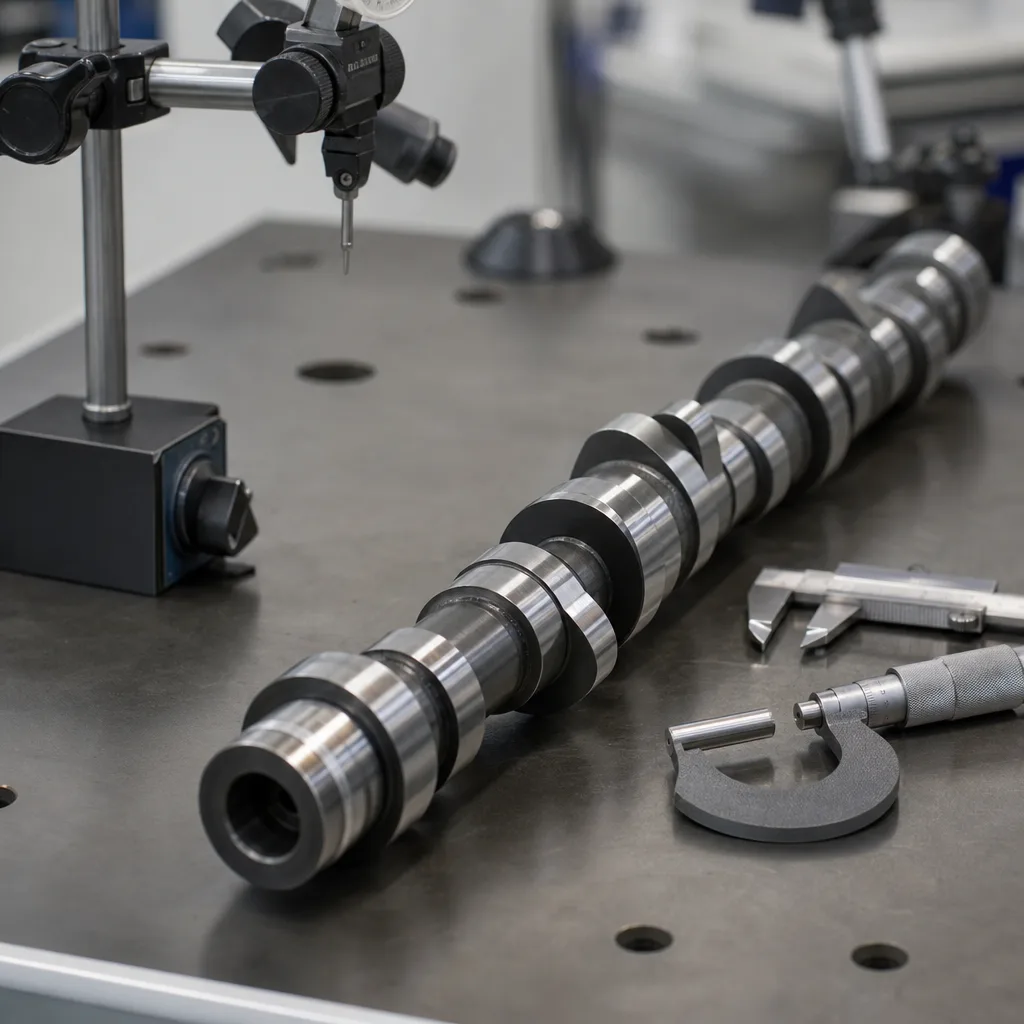
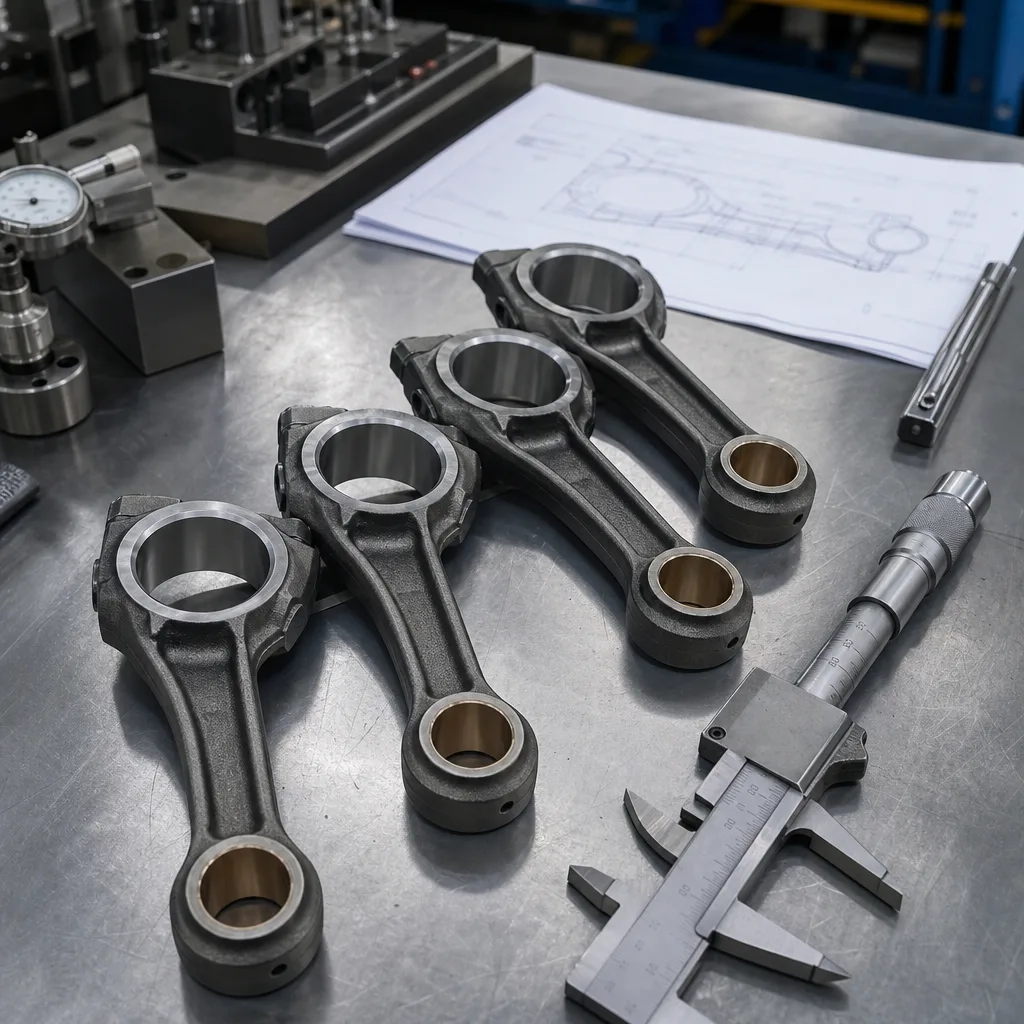
Connecting Rod Acura Supplier: Buyer Checklist
If you are sourcing a connecting rod Acura supplier for aftermarket or remanufacturing programs, the first filter is not price. It is fitment control, material consistency, and the ability to support repeatable supply across part families. Acura applications often require tight dimensional matching to the OE reference, plus clear traceability for heat treatment, machining, and final inspection. A supplier should be able to explain the rod’s forged or powdered-metal route, big-end bore control, bolt specification, and balancing method without hand-waving. Driventus is an independent aftermarket manufacturer; brand names are referenced for fitment only. The goal is to reduce incoming inspection risk, avoid dimensional drift between batches, and keep replenishment aligned with your inventory plan. For procurement teams, that means checking technical evidence first, then commercial terms, then lead time and container plan. The sections below cover what to verify before you place a trial order or move a programme to production.
What procurement teams should verify first
For Acura-fit connecting rods, start with the basics that affect interchangeability and failure risk.
- Material route: forged steel, sintered metal, or powdered-metal variants, depending on application and OE architecture
- Dimensional match: centre-to-centre length, big-end bore, small-end bore, beam width, and bolt seating geometry
- Mass control: matched weight range across a set to reduce vibration and assembly variation
- Surface integrity: no burrs at parting lines, clean shot-blast finish, and no evidence of over-machining
- Traceability: heat number, batch code, and inspection record tied to production lots
A supplier that cannot discuss these items in writing is usually not ready for repeat B2B supply. For broader programme sourcing, review our catalog and the related engine components range before you shortlist part numbers.
Fitment control and OE cross-reference
Acura buyers usually source by OE reference, not by generic description. That is the correct approach because connecting rod geometry can change with bore, stroke, piston pin diameter, and fastener design.
A practical cross-reference file should include:
| Item | What to confirm | Why it matters |
|---|---|---|
| OE reference | OE 06A107065-style reference, where applicable | Prevents ordering by appearance only |
| Engine family | Displacement, turbo or naturally aspirated, and model year range | Avoids late-production mismatch |
| Rod length | Centre-to-centre dimension | Affects compression height and geometry |
| Big-end bore | Finished bore after cap torque | Controls bearing clearance |
| Small-end bore | Pin fit and bushing condition | Protects piston pin life |
| Bolt spec | Thread, length, and tightening method | Prevents cap distortion |