Clutch Kit Lexus Wholesale: Sourcing Criteria for Buyers
Buying for a **clutch kit Lexus wholesale** program is usually less about finding the lowest quote and more about avoiding expensive mistakes. A kit can match the catalog reference and still create returns if clamp load drifts, the disc runs out, the bearing gets noisy, or the packaging breaks traceability once stock reaches your warehouse. For distributors, importers, and repair networks, those failures show up later as labor claims, warranty friction, and unstable reordering decisions.
This guide is built for practical sourcing review rather than generic supplier screening. It looks at the decision points that actually change outcomes: MOQ structure, lead-time realism, fitment control, lot traceability, audit depth, compliance paperwork, and the handoff from sample approval to volume supply. Driventus is an independent aftermarket manufacturer; brand names are referenced for fitment only.
Start with the buying decision, not the catalog list
In a clutch kit Lexus wholesale program, the first question is not "How many references do you have?" It is "Can this supplier help us sell without creating claims?" Buyers that start with that frame usually screen vendors faster and more accurately.
A Lexus-compatible clutch kit scope commonly includes:
Clutch cover assembly
Clutch disc assembly
Release bearing
Alignment tool where required
Pilot bearing or bushing where the application requires it
Batch traceability on carton and inner labels
Fitment cross-reference support by vehicle application, engine code, and transmission type
The commercial filters below tend to decide whether a supplier is workable:
Item
Typical buyer requirement
MOQ per item
100-300 kits for standard references; 30-50 sets may be possible for stock neutrals if combined in a mixed order
MOQ for private label
Often 300-1,000 kits depending on box print method, insert count, and inner-label variation
Target EXW price logic
Standard passenger-car kits are often quoted by diameter class, facing material, and bearing type rather than by application name alone
Lead time
30-45 days for repeat orders; 45-60 days for new packaging; 60-75 days if a new tooling or print run is needed
Sample availability
1-3 sets for dimensional and bench validation; 5-10 sets if the buyer wants road testing across more than one vehicle
Documentation
Packing list, commercial invoice, test records, traceability data, label approval, and pallet count
Factory audit
Process control, incoming inspection, final inspection, CAPA records, and calibration status
</tr></thead><tbody> </tbody></table>Two suppliers can quote the same part number and still present very different risk. One may control diaphragm spring consistency, friction bonding, damper spring retention, and bearing noise by lot. The other may simply assemble purchased parts and inspect appearance at the end. Buyers need to know which model they are being offered.
At RFQ stage, ask for three price levels: sample price, MOQ price, and container-load price. Also ask whether MOQ applies per reference, per diameter family, or per combined order. That one detail changes cash exposure on slower-moving Lexus applications.
Packaging deserves early review as well. A common export setup is 1 kit per inner box and 4-8 boxes per master carton, with gross carton weight often held below 18-22 kg. Carton marks should show part number, batch number, production date, quantity, and country of origin. If your warehouse scans inbound stock, confirm barcode format before artwork approval.
Buyers comparing wider fitment coverage can also review adjacent driveline and engine parts through our catalog.
Where clutch kits usually fail in the field
A clutch kit should be treated as a system, not a box of matched-looking parts. Fitment can appear correct at installation and still turn into pedal judder, release issues, chatter, or premature wear once the vehicle is back in service.
The most common technical failure points are:
Cover assembly clamp load: verify production control limits and test frequency by lot
Disc runout and spline accuracy: excessive runout can contribute to vibration and poor release
Friction facing bonding integrity: review heat resistance and bond consistency after thermal cycling
Damper spring retention: important for torsional vibration control in stop-start and urban driving conditions
Release bearing durability: confirm rotational noise performance and grease retention
Balance and concentricity: necessary to reduce chatter and drivetrain vibration
Validation data worth requesting
Ask for measured records, not broad fitment claims:
Disc outer diameter and spline count
Installed height and cover finger height
Dynamic balance records where applicable
Friction facing material specification
Rivet and hub hardness records
Release bearing material and lubrication specification
Batch inspection reports for critical dimensions
The most useful numbers are the ones that map directly to customer complaints. Buyers typically focus on disc outside diameter tolerance, facing thickness tolerance, hub spline major and minor diameter, cover mounting-face flatness, finger-height variation, total indicated runout, and release-bearing noise or rotational smoothness. If a supplier cannot state internal control limits for those items, the process is usually not ready for stable volume supply.
A practical request list may include:
Disc outside diameter, for example 200 mm, 212 mm, 225 mm, 236 mm, or 240 mm classes depending on application
Disc total thickness new-state value and wear limit basis
Spline tooth count and hub bore dimensions with tolerance band
Cover finger-height nominal value and allowable variation, often controlled within about +/-0.3 mm lot range for stable release feel
Cover clamp-load target and inspection frequency, such as first-off plus periodic checks every 50-100 pieces or per lot
Disc runout limit, often requested at <=0.5 mm or tighter depending on product class and customer standard
Dynamic balance residual value and test method
Facing bond or rivet pull-test result
Release-bearing noise, rotational torque, and grease-fill specification
Also ask how those results are achieved. Is clamp load checked on a calibrated spring tester? Is disc runout corrected after riveting? Is balance verified before packing? Are bearings sourced from an approved vendor list or swapped based on spot price? Those answers say more than a polished brochure.
For buyers serving quality-sensitive channels, it is reasonable to request process controls aligned with IATF 16949:2016 and ISO 9001:2015, even for aftermarket supply. Suppliers shipping into the EU should also be prepared for REACH (EC) No 1907/2006 material-compliance review.
How to compare factories before you commit volume
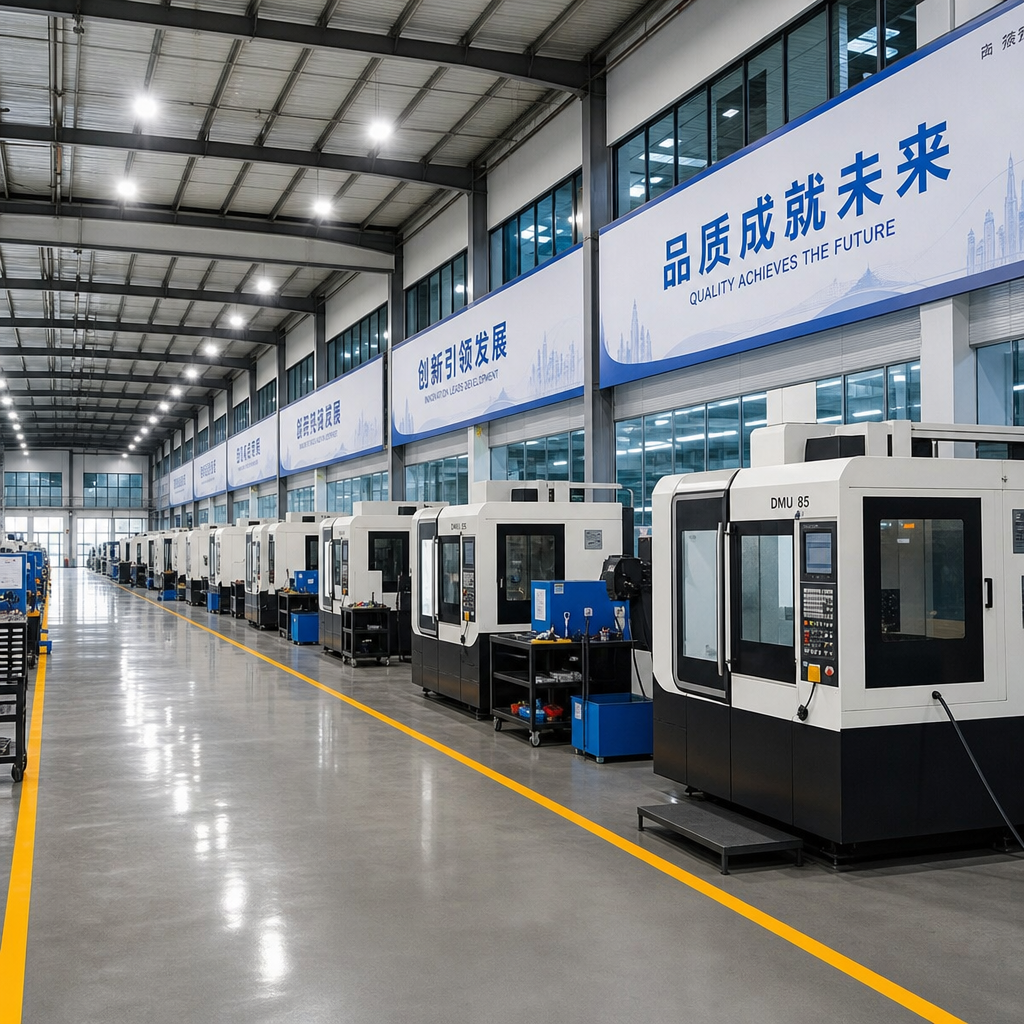
Factory review is where many sourcing decisions become clear. In clutch kit Lexus wholesale purchasing, a plant that relies mainly on final visual inspection is a different risk profile from one that controls assembly steps in process.
Audit points worth reviewing:
Incoming inspection for friction facings, spring steel parts, bearings, and stampings
Control plan for riveting, bonding, and diaphragm spring assembly
Gauge calibration records and measurement system discipline
Lot identification from raw material to finished carton
Final inspection criteria for runout, release function, and cosmetic defects
Non-conformance handling and corrective action workflow
Packaging validation for moisture, impact, and label accuracy
Custom grease, friction material, or kit configuration by target market
Sample approval before mass production
A useful audit does not stay in the meeting room. Walk the process in sequence: raw-material receipt, incoming inspection bench, stamping or machining area, disc assembly, cover assembly, balancing or runout station, final inspection, packaging line, and finished-goods storage. At each stop, check the real control method, the record format, the reaction plan for out-of-spec parts, and whether rejected material is physically segregated.
Specific process details worth checking include:
Incoming AQL or lot-sampling rule for bearings, facings, and springs
Friction-facing bonding cure time and temperature window, if bonded facings are used
Riveting press settings and verification frequency
Heat-treatment traceability for diaphragm springs or spring steel parts
Calibration interval for dial gauges, height gauges, torque tools, and load testers
First-article approval process after tool change or material lot change
Final inspection sample size, for example per 50 pieces, per shift, or per lot
Warehouse FIFO discipline and humidity protection for packed goods
One point buyers often miss: capacity claims need structure. "50,000 kits per month" means little unless the supplier breaks output down by cover size, disc size, and bearing dependency. Some plants have enough assembly capacity but are constrained by outsourced bearings or private-label carton lead time. That is how a promised 35-day schedule turns into 55 days.
For quality governance, procurement teams should review the supplier's quality system alongside actual production records rather than relying on certification alone.
Documentation checks that prevent customs and claim problems
Clutch kits do not carry the same regulatory burden as emissions parts, but document control still matters. In practice, it affects customs clearance, warehouse receiving, traceability, and how quickly a claim can be isolated if something goes wrong.
Minimum document set commonly requested by importers:
Certificate of origin where needed for customs preference claims
Material declarations relevant to REACH (EC) No 1907/2006 inquiries
Supplier quality certificates such as IATF 16949:2016 and ISO 9001:2015
Inspection report by lot
Packaging specification and label artwork approval
Warranty policy and claim handling procedure
Cross-reference control matters too. If the buyer works from existing OE or aftermarket mapping, the supplier should be able to align applications accurately and avoid uncontrolled supersessions. A reference can look correct in the catalog and still fail if the physical dimensions behind that mapping were never checked.
For first shipments, buyers often request a document pack 3-5 days before ETD so errors can be corrected before cargo departure. That pack typically includes commercial invoice, packing list, gross and net weight, carton count, pallet count, HS code, origin statement, and final label photos. If the importer uses branch routing or FBA-style handling rules, outer carton dimensions and pallet height should also be pre-approved.
Document control should continue onto the product and packaging. At minimum, the buyer should expect a part number, lot or batch code, and production date or encoded date that tie back to the inspection report. Without that, a single noise issue can force the importer to quarantine far more stock than necessary.
Market expectations also vary. For EU and UK buyers, REACH questions usually focus on SVHC disclosure rather than certification marks. In North America and Australia, the practical issues are accurate commercial documents, clear origin records, and packaging that survives ocean transit. In Brazil and some LATAM markets, importers may also ask for Portuguese labeling support, NCM/HS alignment, and tighter invoice consistency because customs discrepancies can hold shipments.
Buyers should not assume emissions standards such as ECE R-83 apply directly to clutch kits. Even so, suppliers with disciplined document control are usually easier partners across multiple product categories.
A commercial comparison framework that exposes real cost
In clutch kit Lexus wholesale buying, the cheapest EXW number rarely stays cheapest after launch. The useful comparison is total supply cost: price, lead time, packaging accuracy, claim handling, and reorder reliability.
When comparing offers, buyers should rate suppliers on these points:
Evaluation factor
Why it matters
Price stability for 6-12 months
Helps protect distributor margin planning
Repeat-order lead time
Reduces safety stock pressure
Packaging accuracy
Prevents warehouse errors and customer returns
Warranty response time
Limits downstream channel cost
Batch traceability
Supports root-cause analysis
Mixed-container capability
Useful for broader aftermarket lines
Sample turnaround
Speeds sourcing approval
</tr></thead><tbody> </tbody></table>A practical RFQ should ask for:
MOQ by reference
Annual capacity by reference family
Standard and peak-season lead time
Packaging options and carton dimensions
Sample cost and refund policy
Warranty rate target or historical claim level
Port of loading and Incoterm basis
Ask suppliers to show pricing logic, not just the final unit price. Useful RFQ columns include EXW price at 100 kits, 300 kits, and 1,000 kits; private-box upcharge per kit; carton print plate or artwork fee; whether sample freight is included; and surcharge triggers for steel, bearing, or freight volatility. Without that structure, two similar-looking quotes can produce very different landed results.
Lead-time review should also be broken into stages:
3-7 days for sample pick and dispatch if stock samples exist
7-15 days for sample preparation if balancing, private labeling, or special inserts are needed
20-30 days for component production or replenishment
7-15 days for packaging print and packing
3-7 days buffer for final inspection and booking during peak season
That breakdown helps buyers test whether a promised 30-day lead time is real. It also improves reorder planning. If a distributor sells 150 kits per month of one Lexus reference and the true replenishment cycle is 45 days plus 10-15 days ocean-transit buffer, a 100-kit MOQ may still leave the branch exposed.
Warranty terms need similar clarity. Ask for the claim submission window, required evidence set, debit-note handling method, and response SLA. A workable benchmark is initial response within 5 working days and closure or provisional disposition within 15-30 days depending on whether returned parts are needed for teardown.
For buyers building a broader drivetrain and engine program, supplier consolidation can also reduce freight complexity and admin load. Related product lines can be reviewed in our catalog.
A step-by-step path from sample approval to long-term supply
Moving too quickly from sample to volume is one of the easier ways to create concentrated claims. A supplier is usually ready for program business only after four things are proven: fitment validation, process audit, document control, and pilot shipment performance.
A practical approval path looks like this:
1. Confirm application list and target markets. 2. Review dimensional and material data for sample references. 3. Test sample kits for installation, engagement feel, and noise behavior. 4. Audit process control and traceability. 5. Approve packaging, labels, and pallet configuration. 6. Place pilot order and monitor delivery accuracy. 7. Release annual or rolling forecast after pilot acceptance.
The sequence is simple, but each step needs a pass/fail gate. Sample approval can include dimensional verification against buyer drawings or retained OE samples, installation confirmation on the target transmission and input shaft, release smoothness, and road or bench feedback after controlled use. Pilot-order approval should include on-time shipment, carton accuracy, barcode readability, shortage rate, and random incoming inspection results against the agreed control plan.
A workable pilot structure is often 50-100 kits for one reference or a mixed pilot covering 2-5 references with enough quantity to test warehouse handling and first customer installs. During this stage, buyers should monitor:
Actual shipped quantity versus PO quantity
Carton damage rate on arrival
Label and barcode scan success rate
Incoming inspection accept rate
First 30-90 day field claim count
Supplier response time on any discrepancy
After a successful pilot, the supply agreement should lock in the mechanics that prevent later disputes. At minimum, that usually means agreed MOQ by reference, forecast horizon, lead-time commitment, packaging spec, document pack list, claim process, and a rule for managing design or source changes. Buyers should require prior notice for changes to facing material, bearing source, spring material, balancing method, or packaging dimensions because small uncontrolled changes can create new fitment or NVH issues.
Driventus is an independent aftermarket manufacturer; brand names are referenced for fitment only. Buyers planning a new clutch kit Lexus wholesale project can request a quote with target references, annual volume, and packaging requirements.
Frequently asked questions
For standard aftermarket references, MOQ is often 100 to 300 kits per item. Private-label programs may require 300 to 1,000 kits depending on packaging complexity, print setup, and whether the order is combined with other product lines. Buyers should also confirm whether MOQ applies per reference, per diameter family, or per mixed order, because that changes the real stock investment.
At minimum, buyers usually ask for ISO 9001:2015. For stronger process control, IATF 16949:2016 is a useful indicator, especially when the supplier serves OEM-adjacent or tightly managed aftermarket programs. Just as important, the supplier should be able to show calibration records, lot inspection reports, and traceability controls behind the certificate.
Review batch inspection records, traceability format, packaging approval, warranty terms, lead-time commitment, and any material declarations needed for REACH (EC) No 1907/2006 inquiries. Buyers should also confirm carton dimensions, gross and net weight, barcode format, origin records, and the pre-shipment document pack so repeat orders move without customs or warehouse delays.
If you are qualifying a new supplier for Lexus-compatible clutch kits, send your target applications, annual demand, and packaging brief to [request a quote](/contact.html).