clutch kit · 2026-06-01

Clutch Kit Ford Replacement: OE-Equivalent Sourcing Guide

A Ford clutch kit replacement has to do more than match the spline count. In aftermarket supply, the kit needs to be specified around the complete driveline: engine torque curve, transmission input shaft, release mechanism, flywheel type, installed stack height, and clutch cover clamp-load profile for the exact application. Across Ford passenger cars, SUVs, vans, and light commercial platforms, small changes in cover height, disc hub offset, diaphragm finger position, or release bearing travel can affect pedal effort, release margin, engagement quality, and service life. For procurement teams, good sourcing starts with OE-equivalent dimensions, controlled friction material, lot-level traceability, and inspection data that can be repeated from shipment to shipment. Driventus is an independent aftermarket manufacturer; brand names are referenced for fitment only. This guide outlines the technical checks to complete before reordering, approving a sample, or changing suppliers, and explains how we support B2B buyers with controlled production, quality documentation, export packaging, and application-specific cross-reference support for clutch kit Ford replacement programmes.

1. Fitment data to collect before ordering

A clutch kit is interchangeable only when the full driveline stack has been verified. Vehicle make, model, and model year are not enough. Ford platforms may carry the same visible model name while using different engine calibrations, gearbox codes, flywheel formats, and release systems depending on market or production period. Two vehicles from the same model year can therefore need different friction disc hubs, pressure plate assemblies, release bearings, concentric slave cylinders, or pilot supports.

For a clutch kit Ford replacement order, the minimum sourcing data set should include:

  • VIN, chassis code, or verified application list
  • Market, production year, body type, and drive configuration
  • Engine family, displacement, fuel type, output, and peak torque rating
  • Transmission code, gearbox family, and input shaft spline count/profile
  • Disc outside diameter, lining working thickness, and hub offset
  • Pressure plate cover height, bolt circle diameter, dowel position, and mounting style
  • Release type: push, pull, fork-operated bearing, or concentric slave cylinder
  • Flywheel type: single-mass flywheel or dual-mass flywheel
  • Flywheel step height or friction-face specification where applicable
  • Pilot bearing, guide sleeve, release fork, pivot ball, or hydraulic line requirements
  • OE service reference, supersession number, aftermarket cross-reference, or sample part number
  • Target sales market, kit contents, carton format, and private-label packaging requirement

If one of these variables changes, the kit may bolt to the flywheel yet fail in service. A disc with the wrong hub depth can bind on the input shaft, foul the flywheel bolts, or bottom against the input shaft shoulder. A cover with the wrong installed height or diaphragm profile can increase pedal load, reduce torque capacity, or move the release point beyond the available travel. A release bearing or CSC with the wrong compressed height can leave the clutch partially disengaged, create excessive free play, or over-stroke the diaphragm fingers.

The safest sourcing process compares three references before production release: the OE reference, the physical sample, and the installed dimensions from the target application. For programmes covering several Ford vehicles, procurement teams should split applications by transmission code, release system, and flywheel type rather than grouping them by model name alone. That discipline reduces catalogue overlap, warranty claims, and mixed-kit risk while giving the supplier a controlled specification for repeat production.

2. Dimensional checks that protect interchangeability

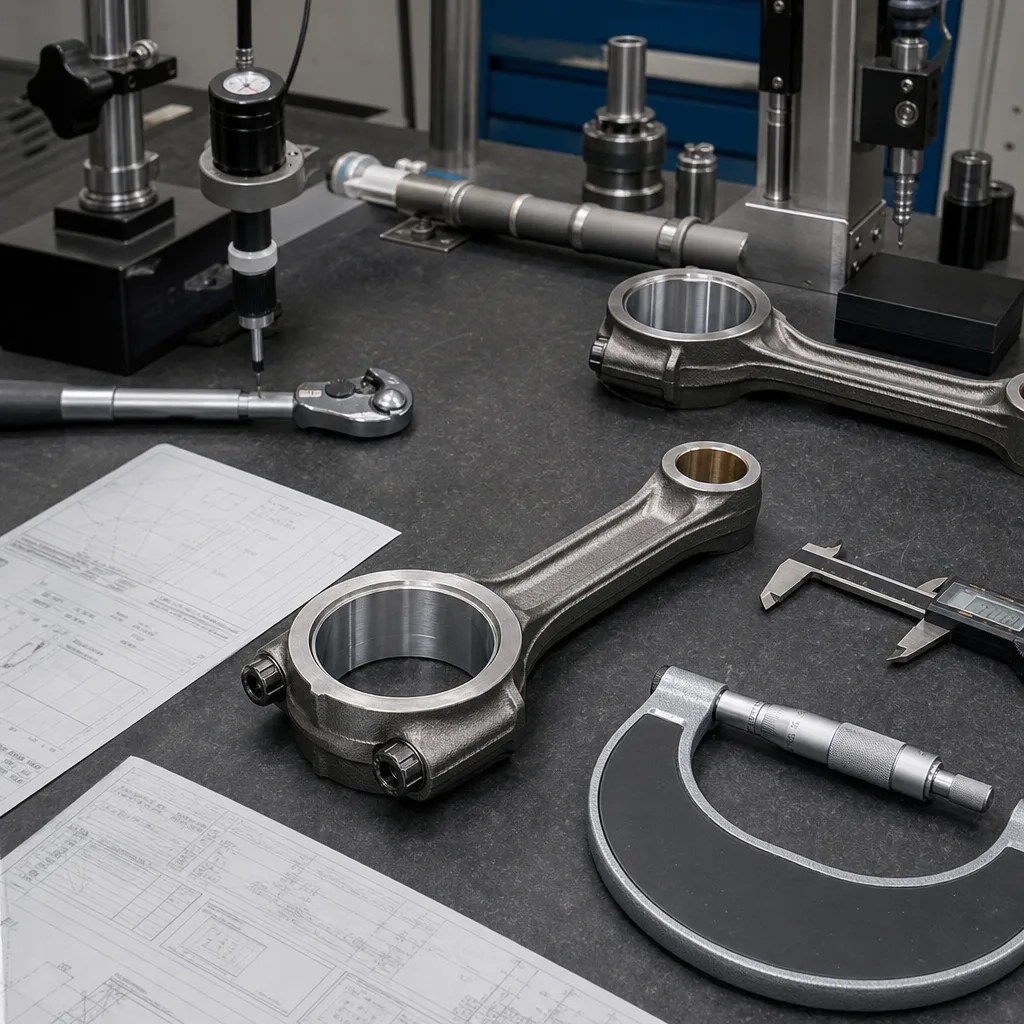
Returns are often avoided at the measuring bench. Before approving a clutch kit Ford replacement for stock, check the critical dimensions against the OE sample and vehicle build data. Interchangeability depends on the whole assembly geometry: friction disc, pressure plate, release bearing or CSC, pilot support, and flywheel interface. A kit can match a catalogue listing and still create drag, slip, judder, release noise, or poor pedal feel if the operating stack height is not controlled.

</tr></thead><tbody> </tbody></table>As a practical sourcing tolerance, even a 1-2 mm variation in installed stack height can move the engagement window enough to affect drivability. The risk is higher where the hydraulic release system has limited stroke or a dual-mass flywheel already shows damping wear. Critical dimensions should be recorded on an inspection sheet, tied to the approved sample, and controlled by drawing or master-sample reference for later lots.

Procurement should avoid buying only by model year or broad catalogue description. Use a measured sample, confirm OE-equivalent dimensions, document the release-system geometry, and lock the replacement specification to the verified application. This protects distributors from mixed fitment claims and gives workshops a kit that installs cleanly without modification.

3. Materials and validation for repeat supply

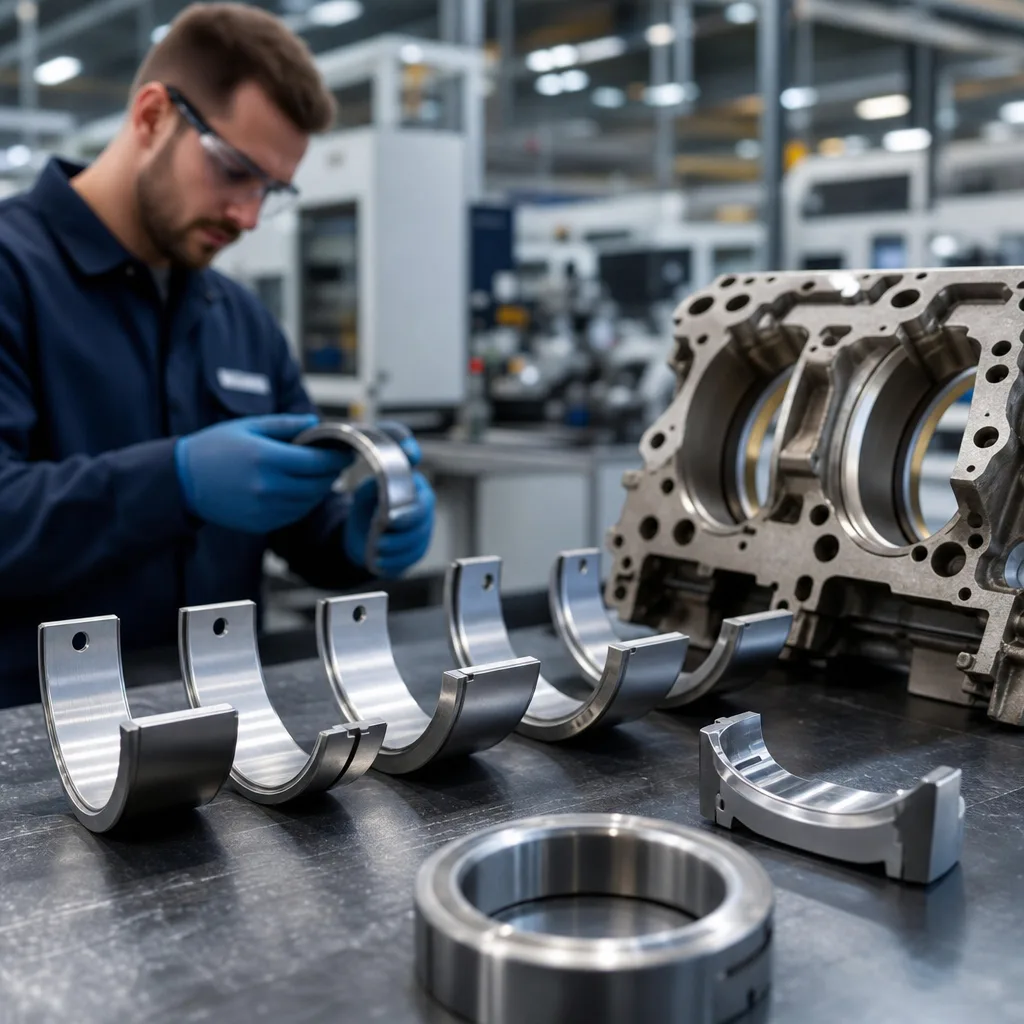
A replacement kit should be judged on materials, process control, and test evidence, not catalogue images alone. The visible clutch disc is only one part of the quality risk. Friction material stability, diaphragm spring consistency, rivet retention, cover rigidity, bearing sealing, and corrosion protection all determine whether the kit performs the same way from one batch to the next.

For B2B supply, the key validation points are:

  • Friction facing: stable coefficient of friction, controlled wear rate, burst strength, and resistance to glazing under repeated heat cycles
  • Cushion segment and marcel control: consistent take-up, axial compliance, and reduced judder risk
  • Pressure plate and cover: stamping consistency, plate flatness, cover rigidity, heat tolerance, and machining finish
  • Diaphragm spring: repeatable clamp-load curve, release-load curve, finger height, and heat-treated spring performance
  • Hub springs and retainers: controlled torsional damping with no loosening, rattle, or retainer deformation under cyclic load
  • Rivets and fasteners: correct forming height, seating, shear strength, and pull-out resistance
  • Release bearing or CSC: smooth rotation, correct contact geometry, seal integrity, and leak-free hydraulic operation where applicable
  • Surface treatment: corrosion protection on exposed steel parts during sea freight, warehousing, and shelf storage
  • Dynamic balance: controlled rotating imbalance to reduce vibration at operating speed
  • Packaging: separation of friction surfaces, moisture protection, impact resistance, barcode/carton identification, and pallet stability

Validation should include incoming material identification, dimensional inspection, clamp-load checks, release-load checks, runout or flatness checks where applicable, visual inspection, and lot-level traceability. For higher-volume programmes, buyers may also request friction performance data, endurance testing, burst testing for driven plates, bearing life checks, salt-spray or corrosion-resistance evidence, and packaging drop-test records. These checks are especially useful when a distributor is changing supplier, launching private-label stock, or combining several Ford applications into one regional range.

Our production and document control are aligned with IATF 16949:2016 and ISO 9001:2015. For material compliance, we support declarations against REACH (EC) No 1907/2006 where applicable. Procurement teams can request batch traceability, dimensional inspection records, incoming material identification, approved-sample references, and production-lot documentation before release. The same specification can then be repeated for distributor stock, workshop programmes, export supply, or private-label supply without redesigning the part for each order.

4. Ford replacement risks that shorten service life

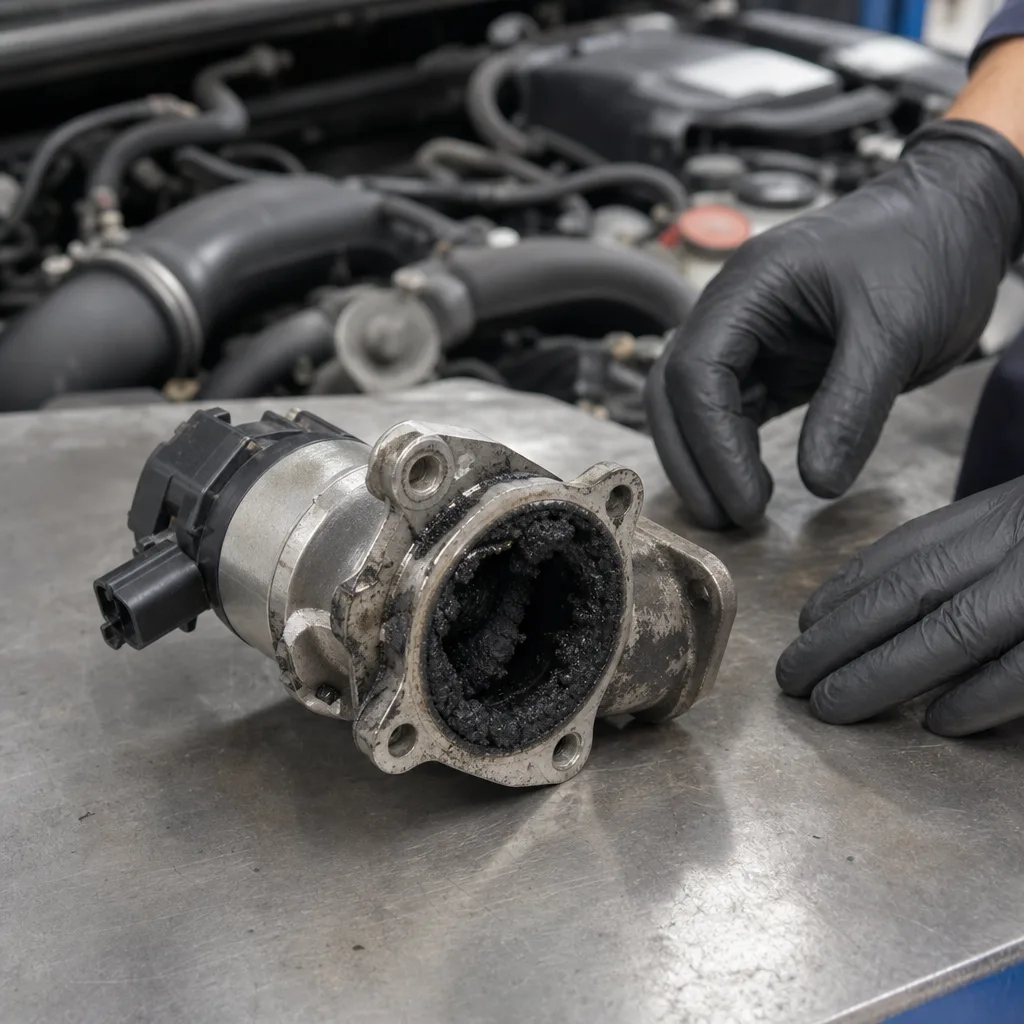
Field failures are not always caused by the clutch kit itself. Many start with the installation environment, a worn mating component, incorrect hydraulic setup, or an application mismatch that was hidden during catalogue selection. For a clutch kit Ford replacement programme, identifying these risks early helps reduce warranty debate and protects the buyer's reputation with workshops.

Common risks include:

  • Oil contamination from the crankshaft rear main seal, gearbox input shaft seal, or hydraulic leak
  • A worn dual-mass flywheel left in service after heat checks, grease leakage, bearing noise, or excessive rotational/free-angle play
  • A hydraulic concentric slave cylinder reused despite age, leakage, rough travel, or uncertain stroke range
  • Air trapped in the hydraulic circuit after installation or incorrect bleeding procedure for the CSC layout
  • Incorrect resurfacing on a single-mass flywheel, including wrong step height, poor surface finish, or excessive material removal
  • Damaged guide tube, release fork, pivot ball, pilot bearing, or clutch cable/actuator mechanism
  • Misalignment during gearbox installation, including hanging gearbox weight on the disc hub
  • Incorrect bolt torque, missing dowels, wrong fastener grade, or uneven pressure-plate tightening sequence
  • Vehicle use beyond the intended duty cycle, including heavy towing, urban stop-start fleet use, or repeated high-load launches

For Ford light commercial and higher-mileage fleet vehicles, inspect the flywheel and release hardware at the same time as the clutch disc and cover. If the old assembly shows blueing, scoring, radial cracks, uneven wear, friction-material transfer, or clutch judder marks, the replacement should not be fitted against that damaged mating surface. If the release bearing is noisy or the concentric slave cylinder shows leakage, replacing only the disc and cover can simply move the failure point to the new kit.

The lowest-cost kit is not the lowest-risk option if the flywheel, seal, release system, hydraulic circuit, or pilot support is outside tolerance. Procurement teams can reduce claims by specifying kit contents clearly, matching the release system to the application, and defining whether related service parts are recommended or mandatory. For fleet and workshop programmes, guidance on flywheel inspection, seal checks, pilot bearing replacement, and hydraulic replacement can improve service life without changing the clutch specification itself.

5. How Driventus supports B2B buyers

We supply replacement programmes for distributors, wholesalers, OEM and Tier-1 channels, and multi-location repair groups. Most buyers are trying to secure the same three outcomes: fitment confidence, stable quality, and predictable replenishment. Our process is structured around those needs, from first sample review through repeat batch supply.

Driventus can support a clutch kit Ford replacement programme with:

  • Application cross-checks against OE references, samples, VIN/build data, and existing aftermarket references
  • Dimensional review for disc diameter, spline profile, hub offset, cover height, diaphragm finger height, release bearing height, and flywheel interface points
  • Controlled production with lot-level traceability and approved-sample retention
  • Inspection records for dimensional, visual, clamp-load, and packaging acceptance where specified
  • Material and compliance documentation where applicable
  • Export packing for warehouse handling, shelf identification, moisture protection, and mixed-SKU pallet control
  • Custom labelling, carton design, and programme documentation through custom manufacturing
  • Support for distributor range planning, supersession review, kit-content definition, and multi-application cross-reference checks

You can review our catalog for broader part families and our quality system for certification and process controls. If the clutch kit needs to align with a wider driveline or powertrain programme, we can also support adjacent components through our catalog. If you have a drawing, sample, OE reference list, or target annual volume, use request a quote to start a fitment review.

For an efficient quotation, send the VIN or application list, transmission code, disc diameter, spline count, hub offset, release type, flywheel type, required kit contents, packaging requirement, certification/documentation requirement, and expected annual volume. We will review the application data, flag specification risks, and confirm the documentation needed for sample approval or production supply.

Driventus is an independent aftermarket manufacturer; brand names are referenced for fitment only.

Frequently asked questions

Start with VIN or verified application data, transmission code, spline count/profile, disc diameter, hub offset, flywheel type, and release system type. Then compare the sample against the OE reference and confirm the flywheel condition. Do not buy by model year alone, because Ford applications can vary by engine, gearbox, market, and release-system design.

Replace or rework the flywheel if it has heat spots, cracks, scoring, excessive wear, out-of-flat conditions, incorrect step height, or excessive rotational/free-angle play on a dual-mass unit. A worn mating surface can reduce clamp consistency, cause judder, alter release geometry, and shorten clutch life.

Yes. We support custom labelling, pack configuration, carton identification, barcode requirements, and documentation packs for distributor and workshop programmes. Final specification still needs to be matched to the application and verified sample before repeat supply.

Send the VIN, transmission code, release type, flywheel type, kit contents, documentation requirement, and target annual volume, and we will review fitment, packaging, documentation, and supply options. Start here: /contact.html

Request a Quote
Item What to verify Why it matters
Disc outside diameterMatch to OE sample and flywheel friction faceToo small reduces torque margin; too large may contact the cover or fail to seat
Lining thicknessWorking thickness and wear allowanceAffects release travel, bedding-in, and diaphragm operating angle
Hub spline count and spline formExact match to input shaft diameter, tooth count, and spline profilePrevents installation issues, fretting, and shaft wear
Hub offset and spring pack heightClearance to flywheel bolts, cover, bellhousing, and input shaft shoulderControls axial clearance through the full release range
Torsion spring layoutSpring rate, travel, retainer security, and damper designIncorrect damping can cause gear rattle, judder, or driveline shock
Cover height and bolt circleInstalled height, bolt circle diameter, dowel position, and mounting faceAffects clamp load, balance, and flywheel compatibility
Diaphragm finger heightFinger height at installed condition and release bearing contact pathControls release point, bearing preload, and pedal feel
Clamp load and release loadStatic clamp force and release-force curve against approved sampleConfirms torque capacity and avoids excessive pedal effort
Release bearing or CSC heightCompressed height, travel range, contact diameter, and guide-tube fitPrevents incomplete disengagement, over-travel, and bearing preload errors
Pilot bearing or bushCrankshaft bore, input shaft support diameter, and running clearanceReduces vibration, input shaft misalignment, and gearbox noise
Flywheel conditionFlatness, cracks, heat spotting, friction-face wear, step height, and dual-mass rotational playA damaged or out-of-spec flywheel shortens clutch life