Car Parts Websites: How B2B Buyers Should Evaluate Them
For procurement teams, car parts websites are more than digital storefronts. They are early indicators of supplier capability, catalogue discipline, and operational risk. A well-organized site can help buyers judge whether a supplier understands OE cross-reference control, fitment accuracy, material traceability, export documentation, and the difference between marketing language and technical product data. A weak site often points to problems that surface later in the sourcing cycle, including inconsistent applications, incomplete specifications, slow quotation turnaround, or unclear compliance status.
When reviewing online suppliers for aftermarket replacement parts, buyers should look beyond layout and branding. The more useful questions are practical: does the site present verifiable product information, does it support an efficient RFQ process, and does it reflect a stable manufacturing or sourcing system? This guide explains how import managers, category buyers, and sourcing engineers can evaluate car parts websites before moving to sampling, audits, or supplier nomination.
What procurement teams should expect from a serious parts site
A B2B-focused supplier website should reduce uncertainty at the earliest sourcing stage. It should help a buyer answer four questions quickly:
1. What product range is actually manufactured or supplied? 2. How is fitment controlled and cross-referenced? 3. What quality and compliance systems are in place? 4. How can the buyer move from catalogue review to RFQ and sample approval?
A credible supplier usually separates broad product visibility from detailed quotation support. For example, our catalog may show part families and application scope, while technical confirmation is handled through RFQ review, drawing checks, and sample discussion.
For aftermarket replacement parts, useful website indicators include:
- Product-family navigation by system, such as engine, cooling, sealing, turbo, and drivetrain
- A clear distinction between OE references, aftermarket interchange numbers, and fitment notes
- Material, process, or construction information where relevant to the part type
- References to batch control, inspection methods, or validation practices
- Export-market support for regions such as the EU, UK, US, Canada, Australia, and Brazil
- A direct enquiry path for quotation, sample requests, and lead-time confirmation
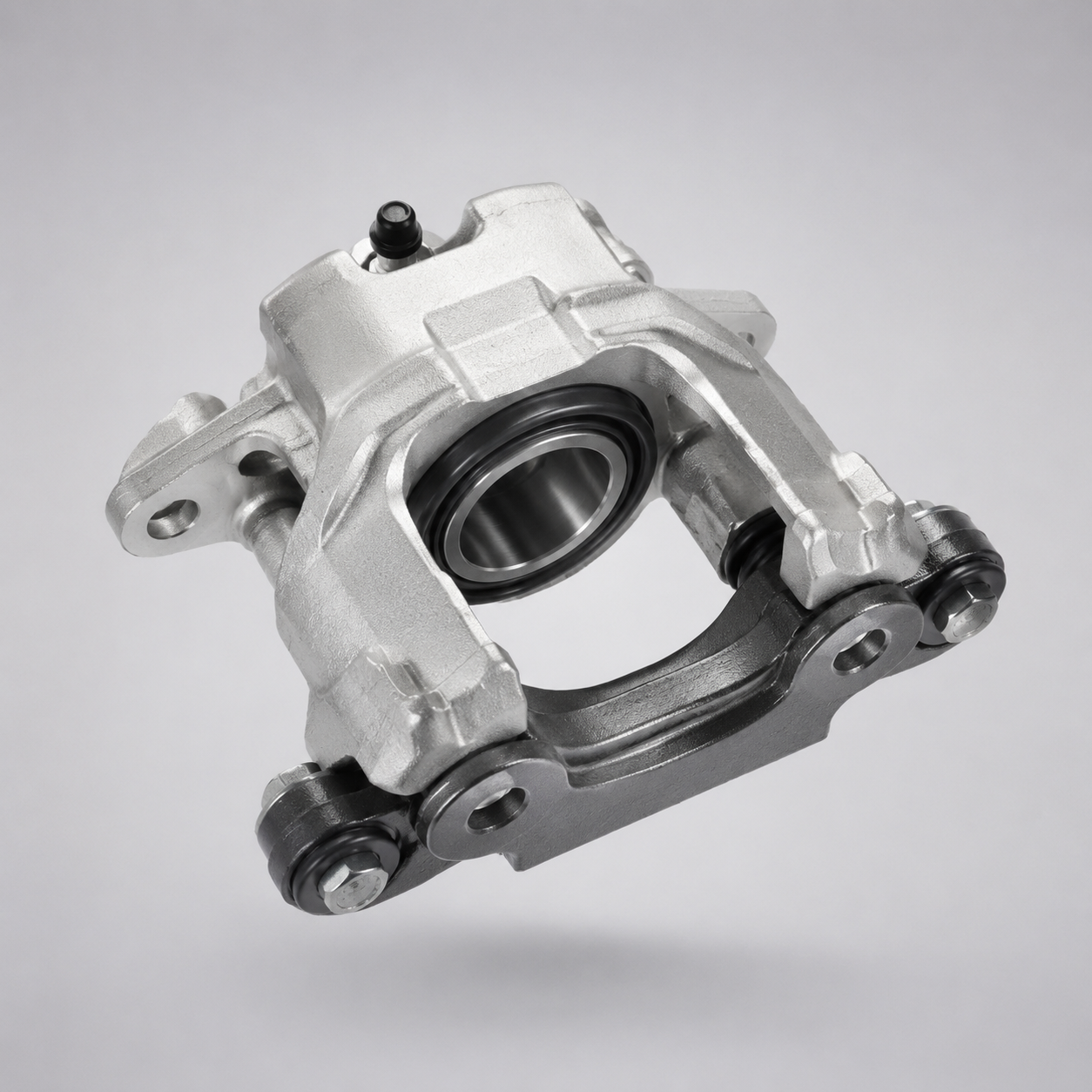
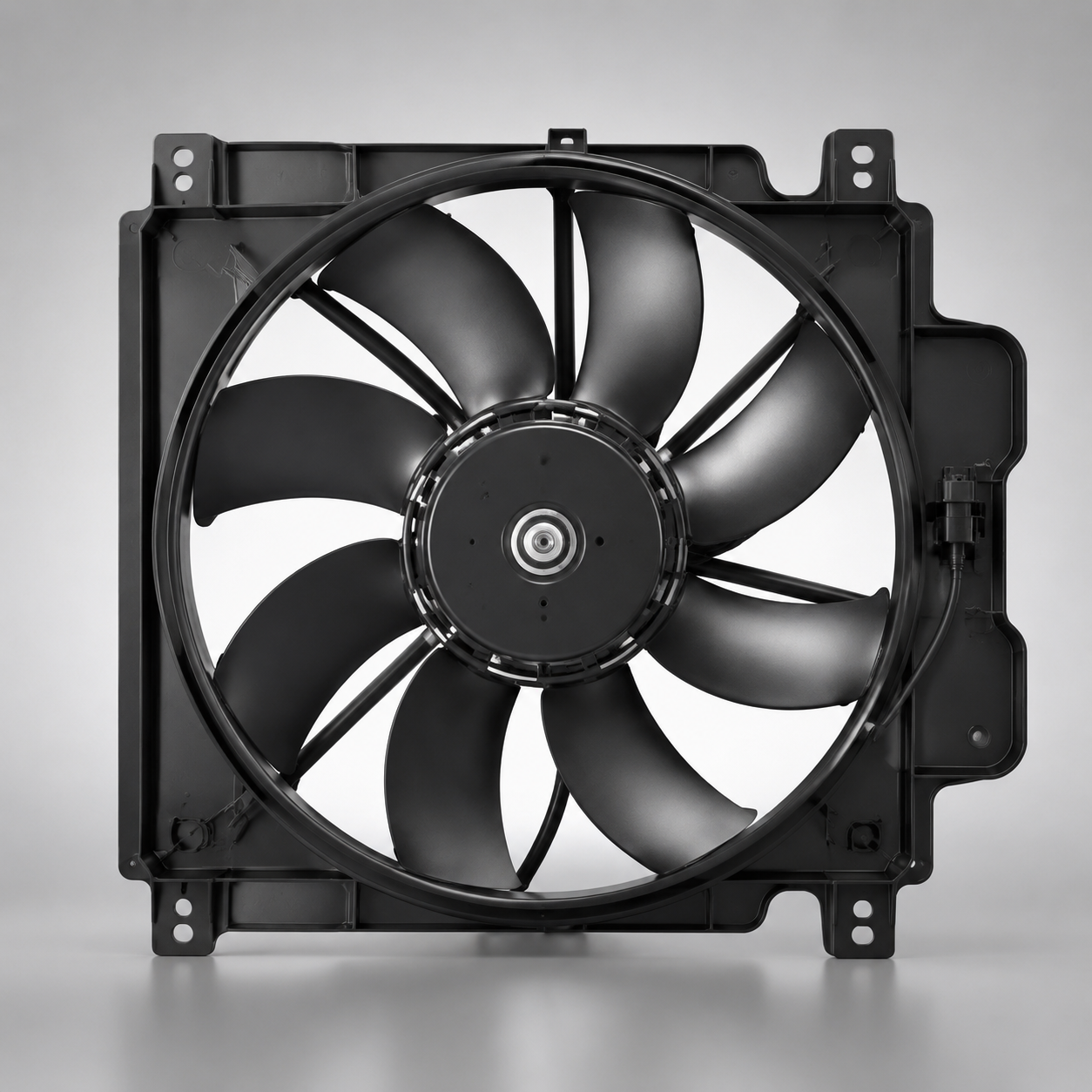
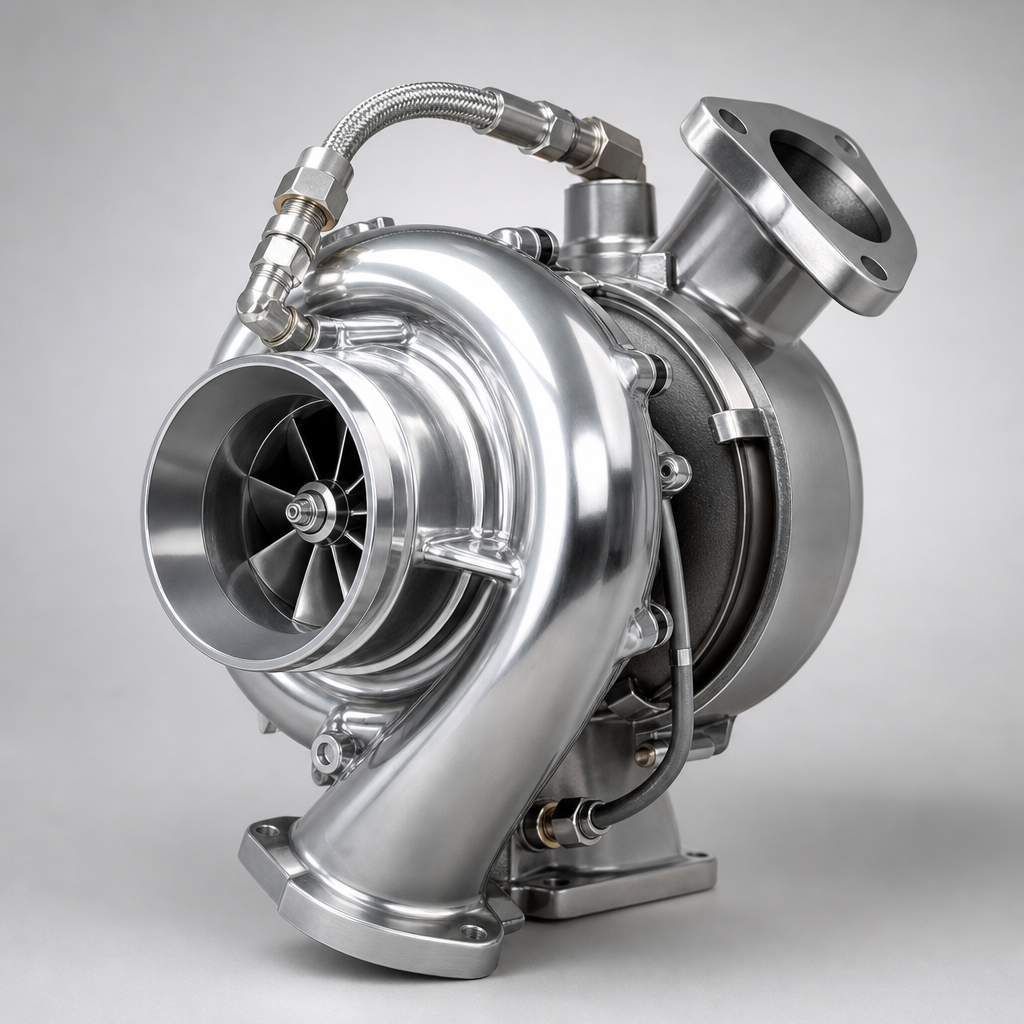
The absence of these basics matters. If a site shows only generic product photos and broad performance claims, the buyer still lacks the information needed to assess sourcing risk, compare offers, or prepare a clean RFQ.
A practical benchmark is whether the site lets a buyer assemble an initial spec sheet in under 10 minutes. For common replacement parts, that should include at least SKU or OEM reference, engine or chassis application, core dimensions, material or grade, and an enquiry path for missing details. If a supplier cannot publish minimum data such as bore size, thickness, tooth count, thread size, seal diameter, or connector configuration where relevant, the site is not yet ready for professional sourcing use.
Key evaluation criteria: catalogue depth, fitment accuracy, and RFQ readiness
Catalogue depth matters because broad coverage without data control creates warranty exposure and quoting errors. Buyers should assess whether the supplier appears capable of managing supersessions, dimensional variants, revision notes, and application differences at scale.
| Evaluation point | What to check on the website | Why it matters to buyers |
|---|---|---|
| Product identification | Internal SKU, OE cross-reference format, application mapping | Reduces quoting errors and duplicate sourcing |
| Technical data | Dimensions, material grades, tolerances, sealing type, bearing class, surface treatment | Supports engineering review before sample stage |
| Fitment control | Engine code, production range, VIN note where relevant, revision notes | Limits returns and warranty disputes |
| RFQ pathway | Contact form, drawing upload, MOQ and lead-time discussion | Shortens sourcing cycle |
| Image discipline | Multiple views, critical features visible, packaging shown if useful | Helps initial verification |
| Document support | Test reports, compliance declarations, quality certificates | Supports import and supplier onboarding |
| Website type | Strengths | Limitations for B2B buyers |
|---|---|---|
| Retail/e-commerce parts site | Fast search, vehicle lookup, visible stock, consumer pricing | Often limited technical data, little factory visibility, weak custom support |
| Trading company site | Broad range, multi-category sourcing convenience | Manufacturing depth may be unclear; lead-time and consistency vary by source |
| Manufacturer B2B site | Better process visibility, direct RFQ path, stronger part-family expertise | Less consumer-style search functionality; pricing usually quote-based |
| Hybrid catalogue + RFQ site | Good range visibility with technical support and sourcing contact | Requires buyer interaction rather than instant checkout |