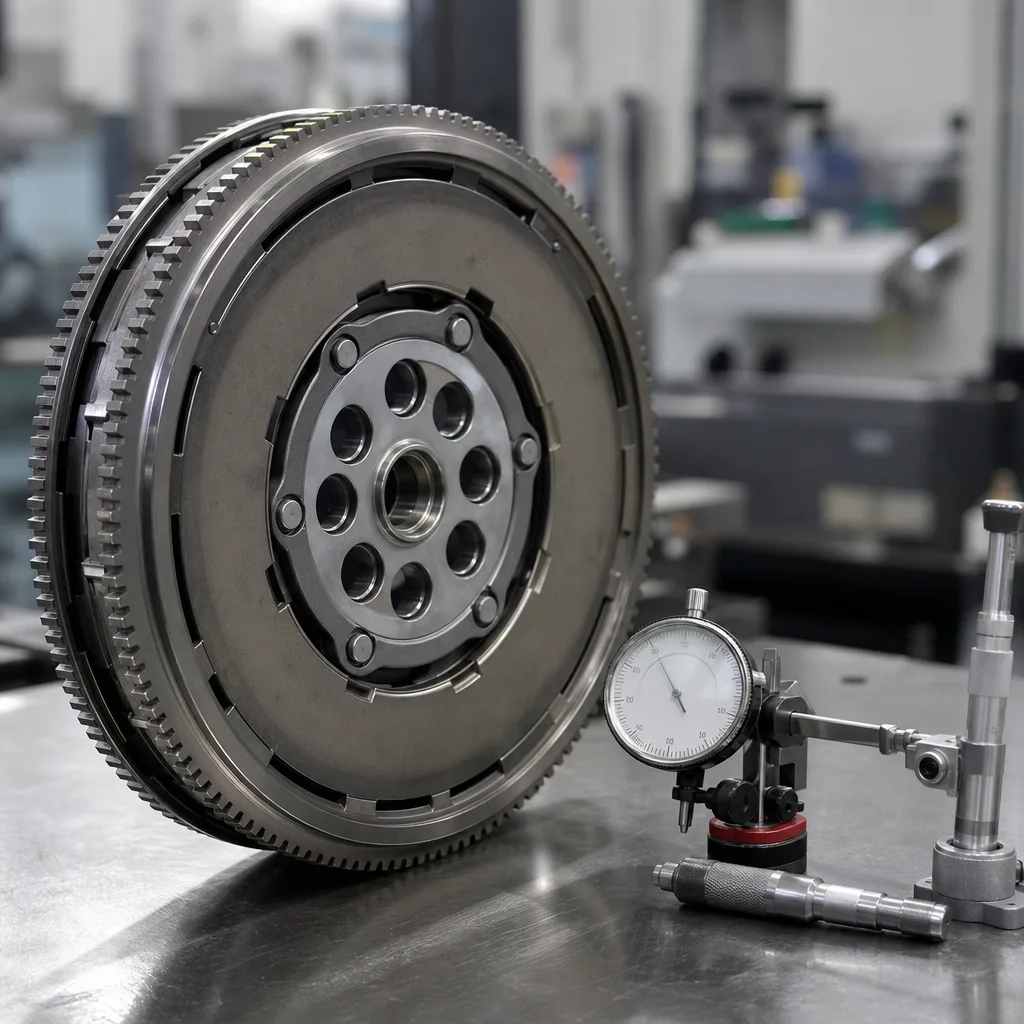
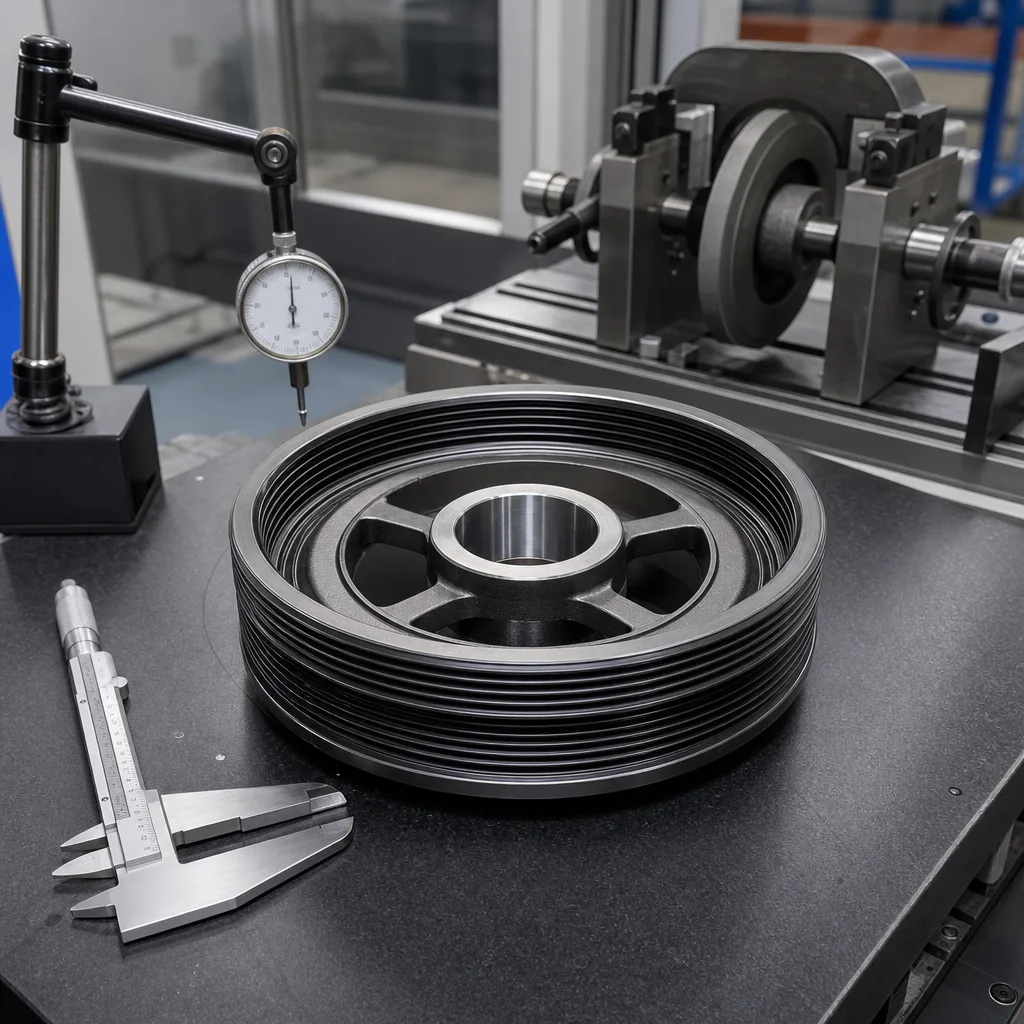
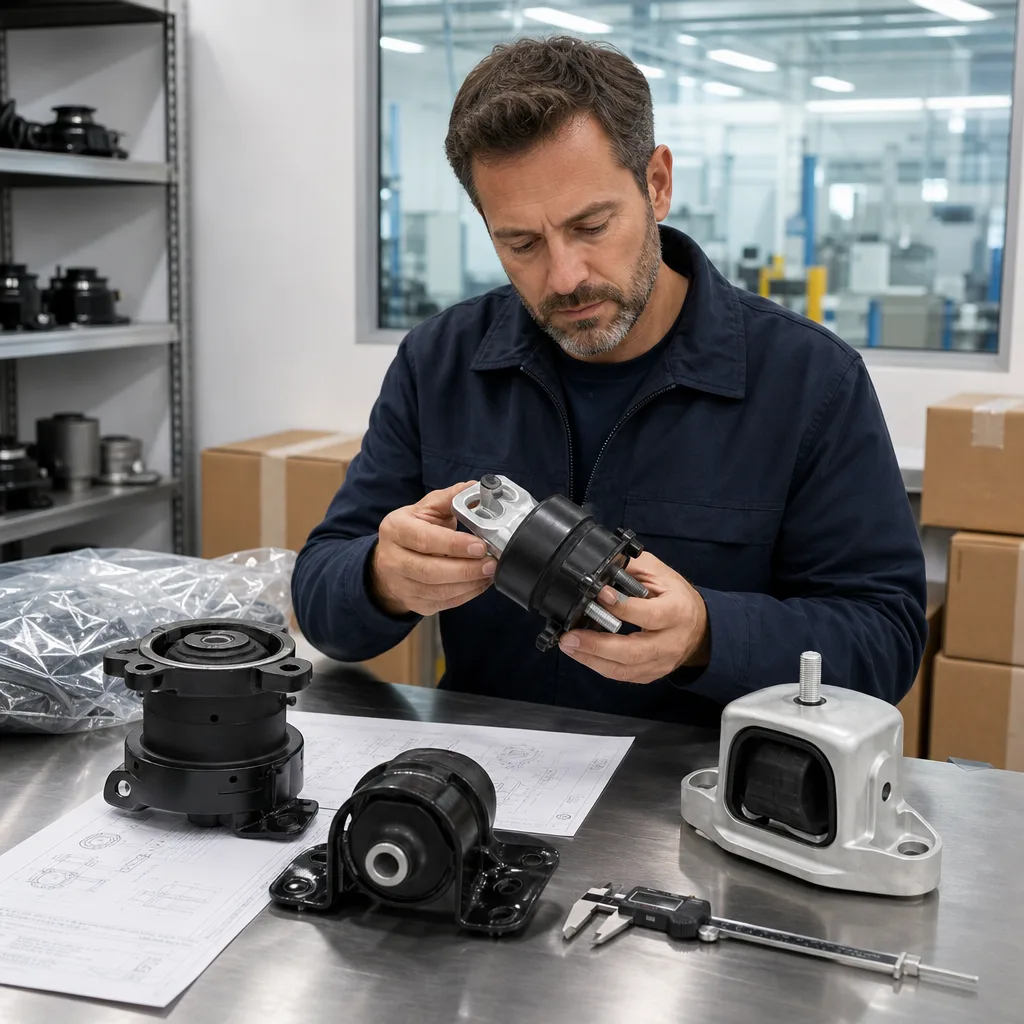
Camshaft Phaser Ram Supplier: Sourcing Guide for Buyers
For procurement teams sourcing valvetrain and variable valve timing components, the main questions are consistency, traceability, and supply continuity. A camshaft phaser ram supplier should be able to support controlled machining, repeatable sealing performance, and documented inspection records across production lots. For export buyers in the EU, UK, US, Canada, Australia, and Brazil, the supplier must also understand packaging, document packs, and stable lead times. Driventus operates as a vertically integrated manufacturer in Taizhou, Zhejiang, supplying engine and powertrain parts to aftermarket distributors, OEM and Tier-1 channels, and multi-location repair networks. We work to IATF 16949:2016 and ISO 9001:2015, and we can support OE cross-reference programmes where fitment data is provided. Driventus is an independent aftermarket manufacturer; brand names are referenced for fitment only.
What procurement teams should verify first
When sourcing a camshaft phaser ram supplier, start with product definition. Confirm whether the requirement is for a complete phaser assembly, a ram/plunger subcomponent, or a related hydraulic control part. Then verify the application data: engine code, OE 06A107065 or similar cross-reference where applicable, oil circuit design, and any sealing or response requirements.
A supplier should be able to provide:
Material declaration for the body, piston, spring, and seal elements
Dimensional report against the approved drawing
Surface finish and hardness values where relevant
Lot traceability for critical components
Packaging specification for export shipment
If the part is used in a timing system, dimensional drift of even a small amount can affect phasing response. Buyers should request the inspection method used for key bores, diameters, and travel limits before placing the first order.
Typical technical requirements for the part family
Camshaft phaser components are not commodity castings. They operate under repeated oil pressure cycles, temperature variation, and contamination risk. For that reason, buyers should specify the functional limits they need the factory to control.
Item
Common buyer check
Why it matters
Body material
Alloy steel or specified aluminium alloy
Affects strength, mass, and wear behaviour
Critical diameter control
Tight bore and plunger fit
Influences pressure response and leakage
Surface condition
Controlled roughness on sliding areas
Reduces friction and scoring
Seal material
Oil-compatible elastomer
Supports durability under heat and additives
Test method
100% leak or stroke verification, if required
Reduces field variation
Traceability
Lot and date coding
Supports warranty and recall handling
</tr></thead><tbody> </tbody></table>For export programmes, ask whether the factory can align material declarations with REACH (EC) No 1907/2006 requirements where the destination market needs them. If your programme includes durability targets, align validation with relevant internal test plans or vehicle-level schedules rather than relying on visual inspection alone.
Lead time, MOQ, and supply planning
Supplier capability matters as much as part geometry. Buyers should request standard lead time, minimum order quantity, sample schedule, and production ramp plan before qualification. A reliable partner will distinguish between stock items, repeat builds, and fully custom runs.
For planning purposes, ask for:
Sample lead time for first-off parts
Pilot batch MOQ
Mass-production MOQ by part number
Typical export packing quantity per carton and pallet
Incoterms supported for your lane
If the requirement is tied to a stable OE cross-reference, the commercial case is usually stronger because demand can be forecast more accurately. For new applications, a staged release is safer: sample approval, small pilot lot, then serial supply after dimensional and functional sign-off. This reduces the risk of inventory write-off if the fitment data changes during validation.
Quality system and audit evidence
Procurement teams should not accept a supplier claim without evidence. A factory supplying timing-system components should be able to show process control documents, calibration status, and inspection records. Driventus supports buyer audits and document review through its quality system, which is built around IATF 16949:2016 and ISO 9001:2015.
Key evidence to request:
Process flow chart and control plan
Incoming, in-process, and final inspection records
Gauge calibration schedule
Nonconformance and corrective action records
Packing and labelling procedure
For multinational supply chains, audit readiness is important because the same part may need to move through distributors, importers, and repair networks with different documentation requirements. A structured quality pack shortens approval cycles and helps buyers compare suppliers on objective evidence rather than price alone.
How Driventus supports custom and repeat programmes
Some buyers need catalogue supply; others need controlled development for an existing engine platform or a private-label programme. In those cases, custom manufacturing is the correct route. Driventus can support drawing-based production, dimensional matching, and packaging to buyer specification when the technical data set is complete.
Our production model is suited to:
Aftermarket distributors needing repeatable supply by OE cross-reference
OEM / Tier-1 sourcing teams requiring controlled documentation
Repair chains seeking consistent replacement stock across branches
Where natural, we can also align related components from our catalog or the broader engine components range to reduce supplier count. This can simplify purchasing, but the qualification rules should remain part-specific. A camshaft phaser ram is a functional timing component, so each programme should be validated on its own drawing, tolerance stack, and test criteria.
Commercial terms buyers should confirm before release
Before issuing a forecast or trial order, procurement should lock down the commercial and logistical terms. This prevents avoidable disputes after sample approval.
Checklist:
Confirm revision level of the drawing and the approved sample
Confirm packing standard, including corrosion protection if needed
Confirm label content: part number, lot code, quantity, and origin marking
Confirm warranty terms and claim process
Confirm document set: commercial invoice, packing list, certificate of origin where applicable, and test report if requested
If you need a formal quotation, request a quote with the target application, annual volume, target market, and any required test or packaging standard. The more complete the technical pack, the faster the response and the lower the risk of mismatch during sourcing.
Frequently asked questions
Yes, if the application data and fitment reference are provided. We use cross-references for fitment only and do not claim vehicle manufacturer approval.
Typical documents include dimensional reports, material declarations, inspection records, and packing specifications. Additional test data can be prepared to match the programme requirements.
We are a vertically integrated manufacturer with IATF 16949:2016 and ISO 9001:2015 systems, export experience in 60+ countries, and support for custom and repeat supply programmes.
If you are qualifying a new source or comparing suppliers, send your drawing, OE reference, and annual volume target. We will review the application and respond with a practical supply proposal at /contact.html