Camshaft Phaser Mitsubishi OEM Supplier: Sourcing Guide
Procurement teams sourcing a camshaft phaser for Mitsubishi applications need more than a price list. The part must match OE geometry, oil-control behaviour, tooth indexing, and installation envelope, while also fitting the buyer’s quality and logistics requirements. For aftermarket, OEM, and tiered supply channels, the main issues are dimensional consistency, validation evidence, and supplier readiness for repeat orders. Driventus supplies engine and powertrain components from Taizhou, Zhejiang, with export experience in 60+ countries and certification to IATF 16949:2016 and ISO 9001:2015. Driventus is an independent aftermarket manufacturer; brand names are referenced for fitment only. This article outlines what sourcing teams should verify when evaluating a camshaft phaser Mitsubishi OEM supplier, including materials, inspection controls, packaging, lead times, and private-label support. It also explains how to cross-reference OE numbers, request samples, and align specifications before placing volume orders.
What buyers should verify first
A camshaft phaser is a hydraulic or electronically controlled timing device, so the sourcing checklist must go beyond external dimensions. Buyers should confirm the following before approving a supplier:
- OE fitment range and engine family coverage
- Phaser type: intake, exhaust, or dual-variable system
- Lock pin position, vane count, and travel angle
- Sprocket tooth profile and chain engagement geometry
- Oil passage layout and sealing surfaces
- Torque specification and installation clearance
- Balance and runout limits for rotating assemblies
For Mitsubishi-related applications, buyers often work from OE cross-references rather than a single universal part number. When a request includes OE 06A107065-style references, confirm the exact engine code, model year, and emission package before releasing the purchase order. A supplier should be able to provide dimensional drawings, test records, and traceable batch identification for each lot.
Specification and quality controls that matter
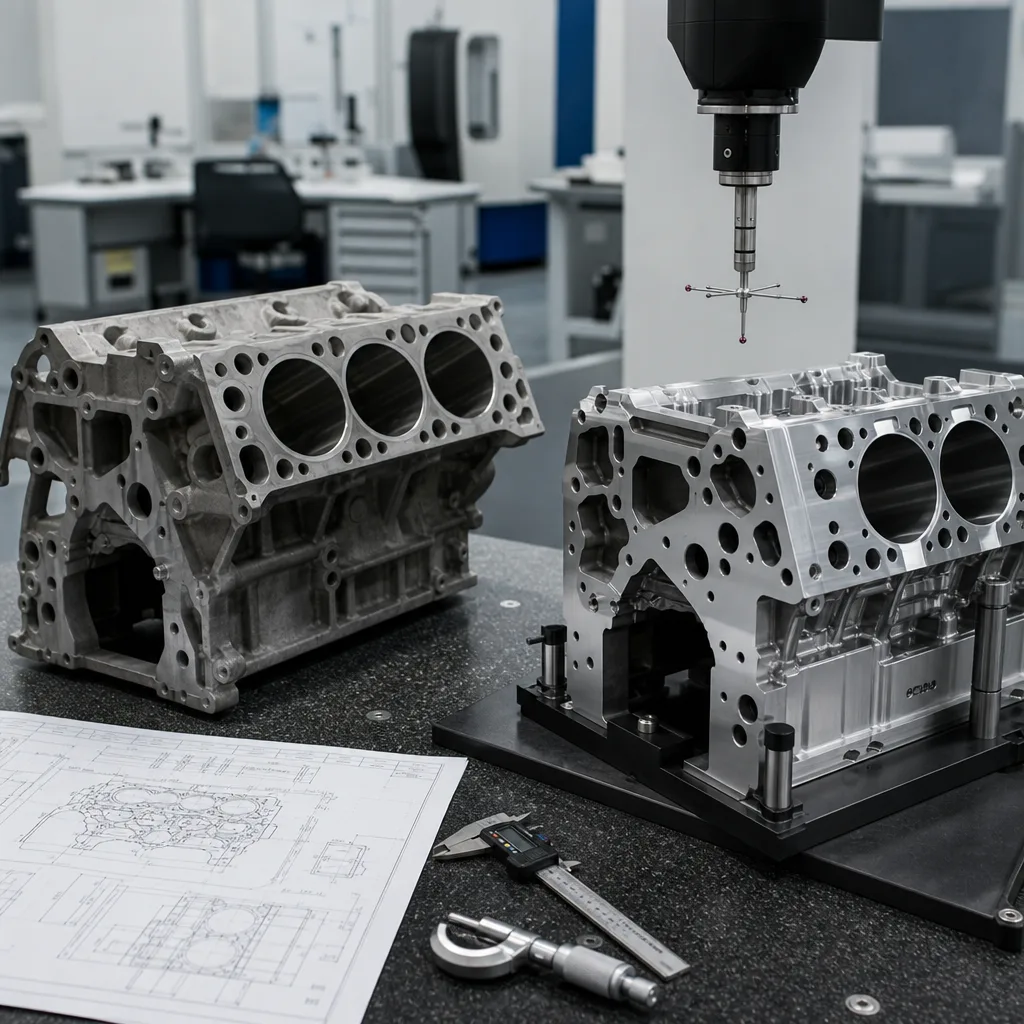
For purchasing teams, the most useful supplier data is measurable. A credible offer should state the material set, critical tolerances, and inspection method. Typical control points include gear concentricity, vane clearance, surface finish on oil-wetted bores, and seal groove geometry.
| Control item | What to verify | Why it matters | |
|---|---|---|---|
| Housing material | Alloy grade and heat treatment record | Affects wear resistance and distortion | |
| Vane pack fit | Clearance and free movement | Affects phasing response and noise | |
| Oil control surfaces | Finish and cleanliness | Affects hydraulic stability | |
| Sprocket interface | Tooth profile and pitch accuracy | Affects chain engagement | |
| Final test | Functional stroke and leak test | Confirms assembly performance |
| Supply model | Typical use case | Buyer advantage | Buyer risk |
|---|---|---|---|
| Stock item | Fast-moving aftermarket lines | Short lead time | Limited configuration flexibility |
| Make-to-order | Regular repeat programmes | Better planning control | Longer initial lead time |
| Custom manufacturing | Private label or special fitment | Exact specification match | Tooling and validation effort |