Camshaft Phaser Mini Manufacturer China: Sourcing Guide
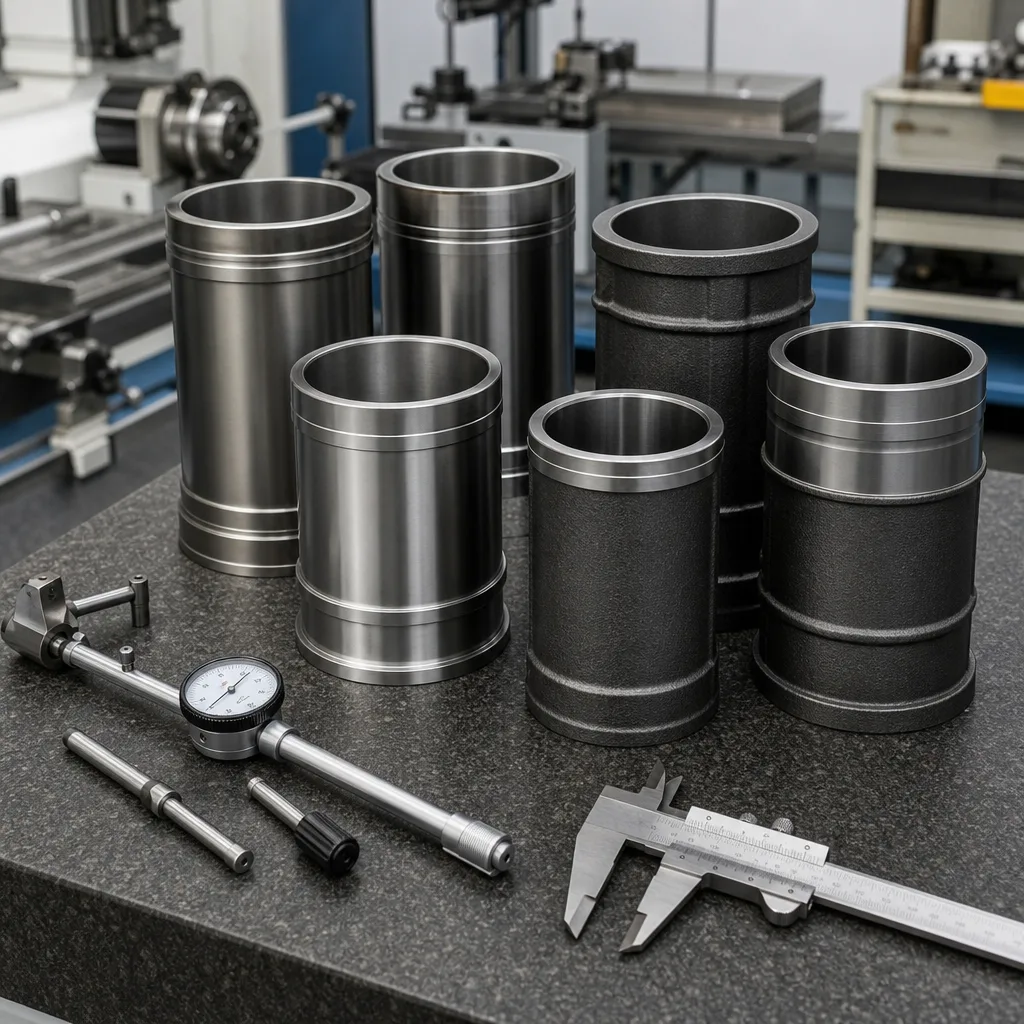
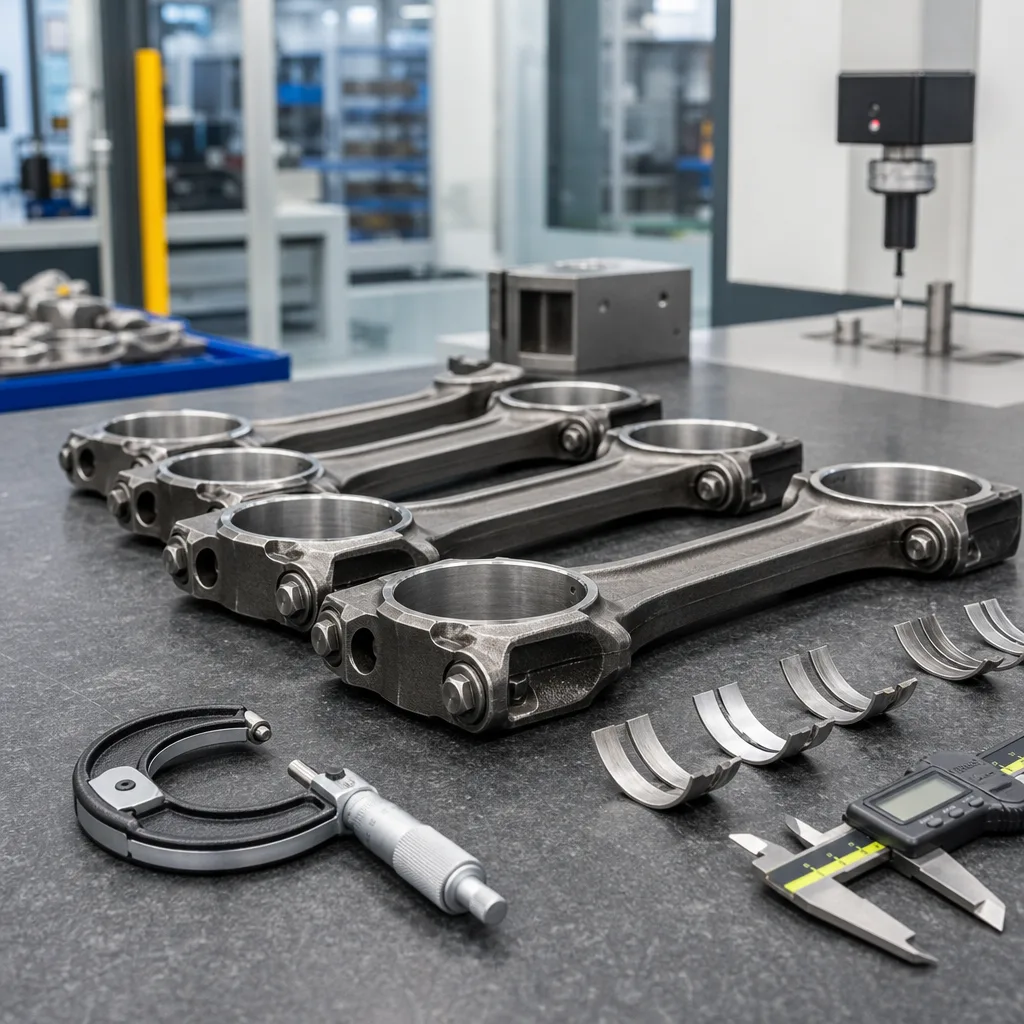
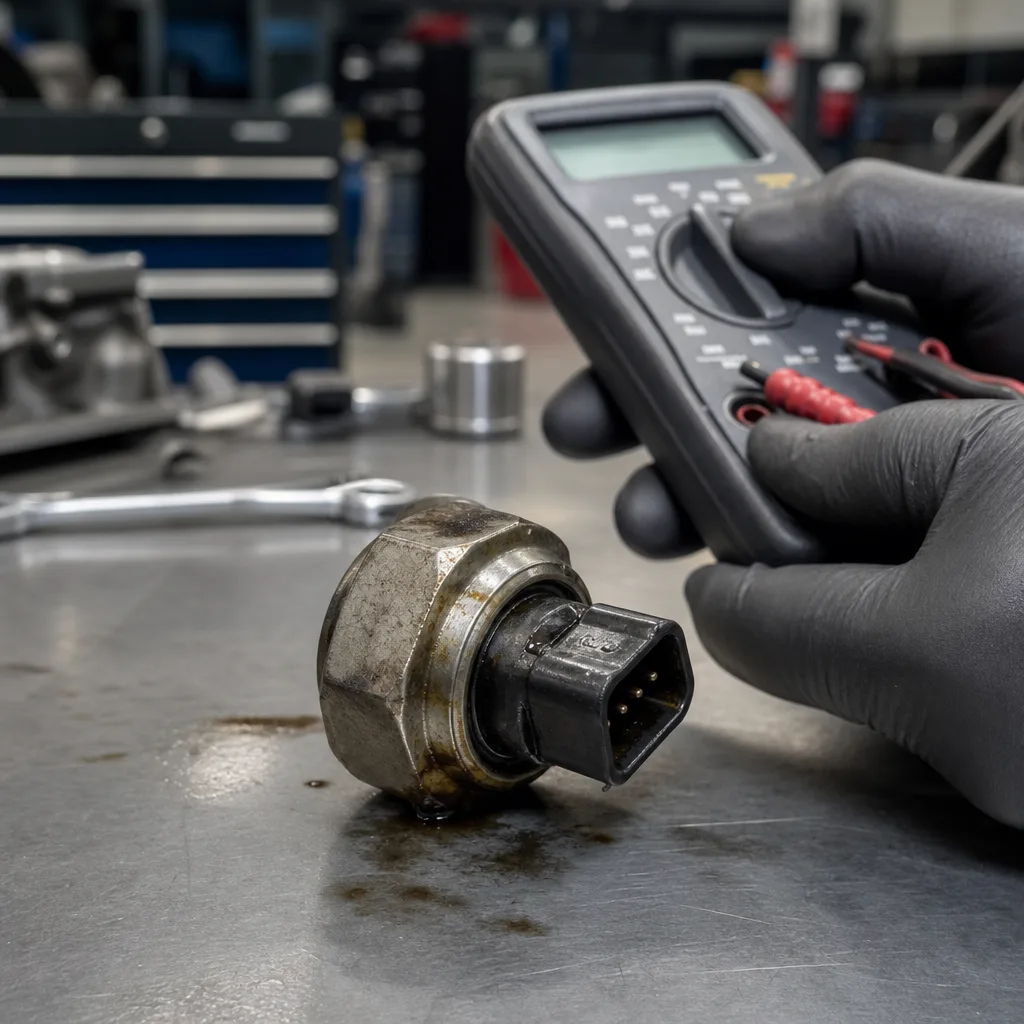
Procurement teams sourcing a camshaft phaser mini manufacturer in China usually need three things at once: dimensional consistency, traceable quality control, and a supplier that can support repeat orders without schedule drift. For engine timing parts, small variations in vane angle, lock pin function, or oil control response can affect cold start noise, idle stability, and cam timing accuracy. Driventus produces engine and powertrain components in Taizhou, Zhejiang, with IATF 16949:2016 and ISO 9001:2015 systems in place. Driventus is an independent aftermarket manufacturer; brand names are referenced for fitment only. This article explains how buyers evaluate a supplier, what to check in samples and PPAP-style documentation, and how to compare manufacturing capability for aftermarket, OEM, and Tier-1 sourcing. If you are building a vendor shortlist, the most useful evidence is not a sales claim, but measured data, test records, and a clear audit trail.
What buyers should verify before shortlisting a supplier
For camshaft phaser sourcing, the first filter is not price. It is whether the supplier can hold process control on parts that interact with engine oil pressure, timing advance range, and ECU calibration.
Use this checklist during RFQ review:
- Material specification for the housing, rotor, vane, and lock components
- Critical dimensions with measurement method and tolerance stack-up
- Surface finish and cleanliness requirements for oil passages
- Dynamic response data, including actuation timing and lock/unlock behaviour
- Lot traceability, serialisation, and inspection records
- Evidence of conformity to IATF 16949:2016 and ISO 9001:2015
- Chemical compliance for exported parts, including REACH (EC) No 1907/2006 where applicable
If the application uses OE cross-references, confirm the exact reference format at RFQ stage, for example OE 06A107065, and ask for fitment confirmation by engine code and model year. Do not rely on catalogue descriptions alone.
How Driventus structures production for timing components
Driventus manufactures powertrain parts in a vertically integrated operation in Taizhou, Zhejiang. That matters for buyers because machining, washing, assembly, and inspection can be controlled inside one quality system rather than spread across multiple subcontractors.
Typical control points for a camshaft phaser program include:
1. Incoming material verification and heat-treatment record review 2. CNC machining of core rotating elements and oil-control interfaces 3. Deburring and ultrasonic cleaning to protect hydraulic response 4. Assembly under controlled torque and sequence conditions 5. End-of-line functional check for travel, indexing, and leak performance 6. Final packaging with corrosion prevention and traceability labels
For catalogue parts, buyers can review our catalog and the broader engine portfolio at engine components. For a controlled sourcing programme with drawings, samples, and application alignment, Driventus also supports custom manufacturing.
Specification points that affect fit and service life
A camshaft phaser is often treated as a simple timing actuator, but procurement teams know the failure modes are tied to details. The table below shows the points that usually separate a stable supply from a risky one.
| Specification area | What to confirm | Why it matters |
|---|---|---|
| Rotor and housing concentricity | Measured runout and coaxiality | Impacts timing accuracy and NVH |
| Vane clearance | Actual clearance by batch | Too loose causes noise; too tight raises drag |
| Lock pin operation | Engagement force and release timing | Affects cold-start stability |
| Oil passage cleanliness | Particle limit and wash validation | Prevents sticking and slow response |
| Surface treatment | Coating, nitriding, or anti-corrosion finish | Extends storage and service life |
| Functional test | Angle travel, leak-down, cycling data | Confirms repeatable operation |