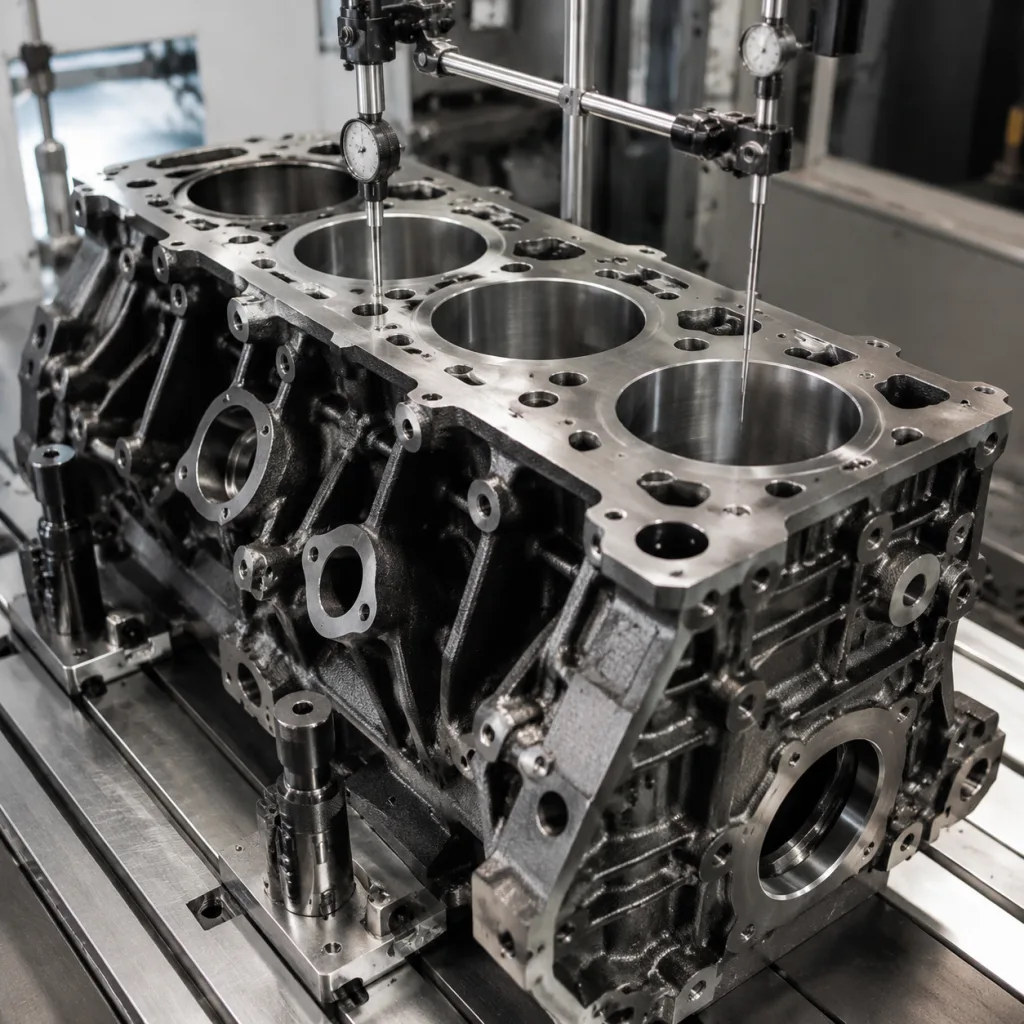
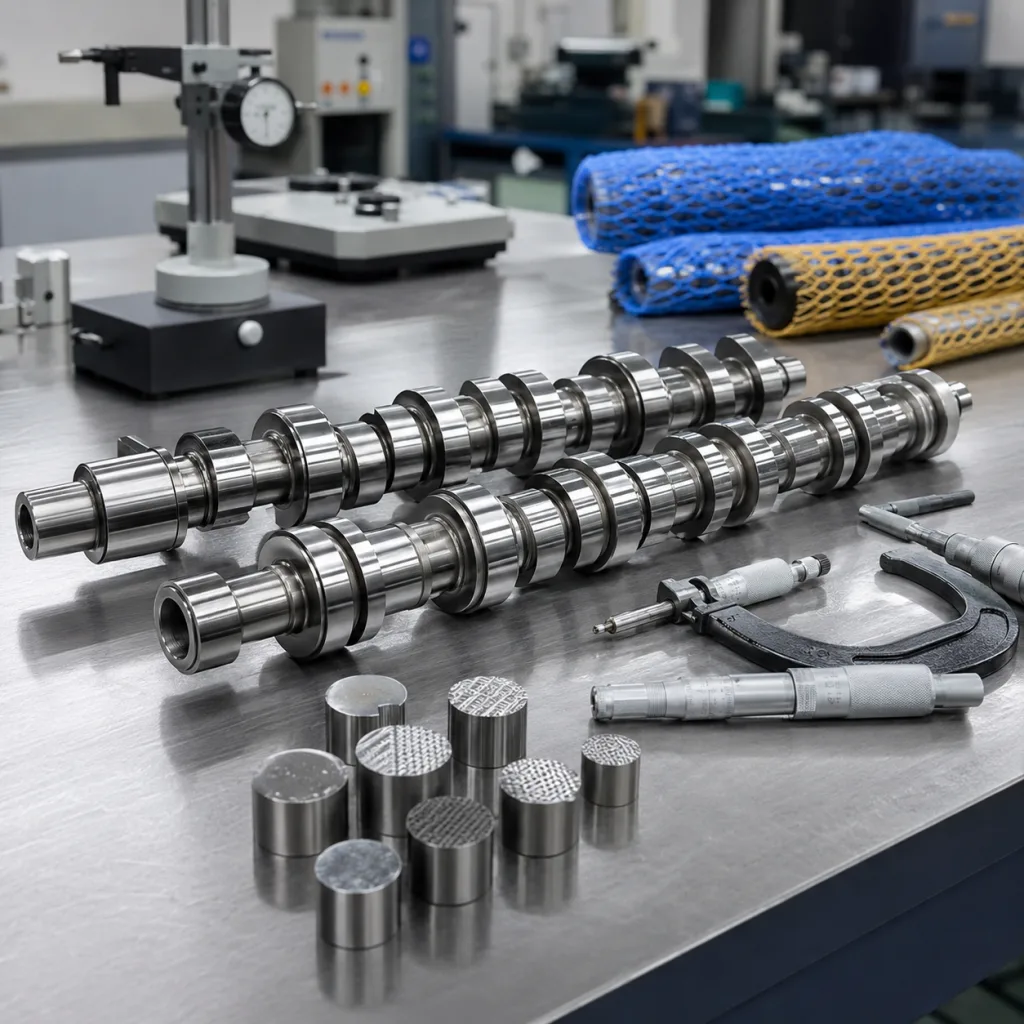
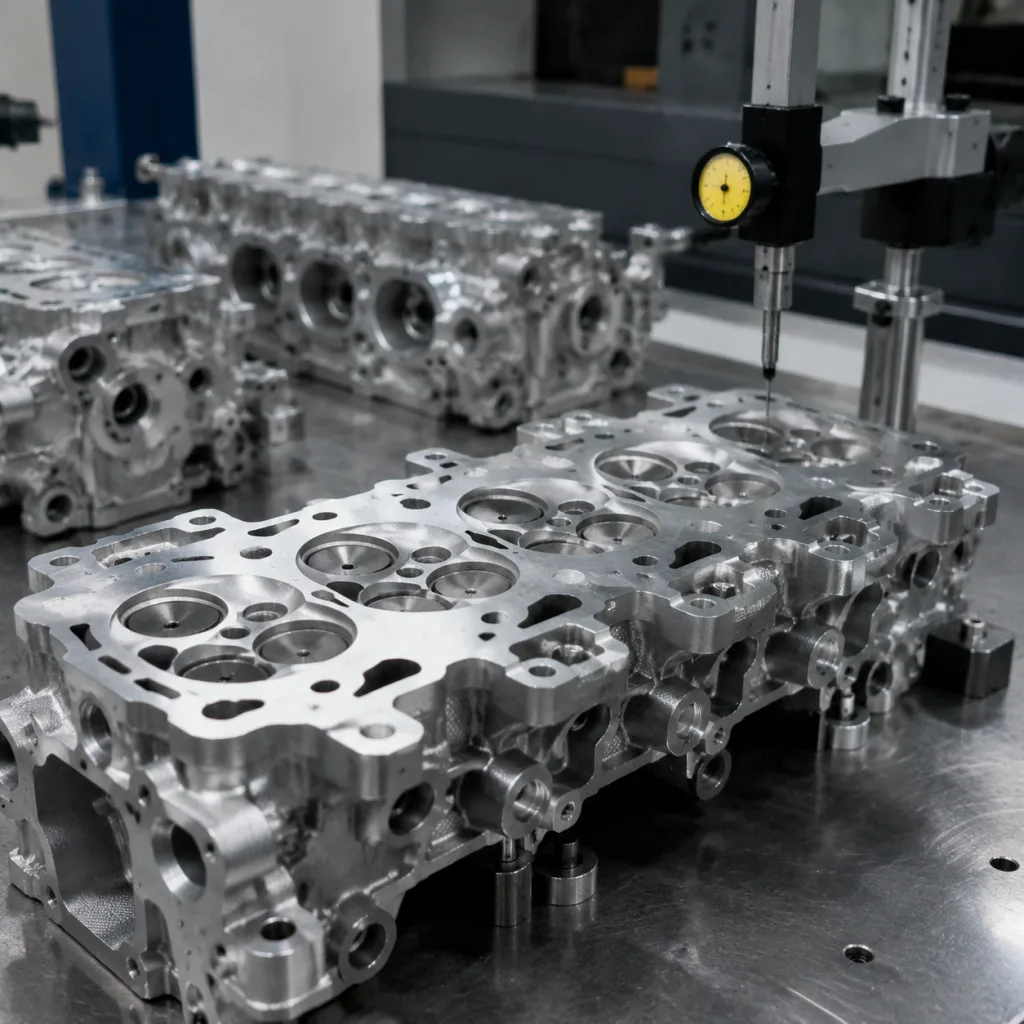
Procurement teams sourcing Opel-fit camshafts need more than a part number match. The supplier must prove control over blank quality, lobe geometry, heat treatment, journal straightness, oil-passage cleanliness, traceability and export packaging across repeat production runs. This guide shows how to evaluate a camshaft Opel OEM supplier for aftermarket distribution, OEM service programmes and Tier-1 sourcing projects. It covers audit evidence, manufacturing capability, MOQ planning, validation records and compliance documentation buyers can request before placing a trial order. Driventus manufactures engine and powertrain components in Taizhou, Zhejiang, and exports to distributors, wholesalers, repair-chain suppliers and industrial buyers in more than 60 countries. Driventus is an independent aftermarket manufacturer; brand names are referenced for fitment only.
What Buyers Should Verify Before Supplier Approval
Supplier approval for camshafts should start with process control, not headline pricing. A camshaft may pass a basic visual check yet fail in service if lobe hardness, journal diameter, straightness, surface finish or oil-hole cleanliness drifts outside specification.
A credible supplier should provide evidence for:
IATF 16949:2016 and ISO 9001:2015 quality management certification
Incoming material inspection records and chemical composition reports
Heat-treatment process parameters and hardness test data
Cam lobe profile inspection using contour measuring equipment, CMM or equivalent gauges
Journal diameter, roundness, runout and straightness inspection records
Batch traceability from raw material lot to packed part
Cleaning, anti-rust and packaging validation records where available
For buyers comparing suppliers, the practical question is whether the factory can repeat the same profile and metallurgy over multiple batches. One approved sample is not enough. Request inspection data from a production run, not only prototype measurements prepared for quotation.
Driventus supports sourcing teams with drawings, sample inspection reports, packing specifications and export documentation. Buyers can review our catalog to identify relevant engine component families before requesting a controlled sample batch.
Manufacturing Controls for Opel-Fit Camshafts
Camshaft production usually includes casting or forging, rough machining, heat treatment, precision grinding, oil-hole processing, washing, preservation and final inspection. The main risk points are lobe profile deviation, journal wear resistance, oil-channel contamination, grinding burn and distortion after heat treatment.
Typical production controls include:
Control point
Procurement relevance
Common evidence to request
Material grade verification
Confirms base metallurgy
Mill certificate, spectrometer report
Heat treatment
Controls wear resistance
Hardness report, process record
Lobe profile grinding
Controls valve timing and lift
Profile inspection report
Journal grinding
Controls oil clearance
Diameter and roundness record
Straightness and runout
Reduces vibration and bearing load
Runout inspection report
Cleaning and preservation
Reduces assembly contamination
Cleanliness record, anti-rust method
</tr></thead><tbody> </tbody></table>For OEM or Tier-1 sourcing, buyers should confirm whether the supplier can support PPAP-style documentation when the customer programme requires it. Do not assume every factory can prepare control plans, process flow diagrams, FMEA summaries, capability studies or measurement system analysis. Agree the document scope before quotation finalisation so pricing, timing and engineering resources are realistic.
Driventus operates under a documented quality system aligned with IATF 16949:2016 and ISO 9001:2015. For export markets, material and substance declarations can be prepared where applicable to REACH (EC) No 1907/2006 requirements.
MOQ, Lead Time and Batch Planning
A camshaft Opel OEM supplier should be evaluated on supply stability as well as unit cost. Camshafts are not ideal for last-minute replenishment because blank preparation, heat treatment, grinding, cleaning and inspection capacity must be scheduled in sequence.
Typical sourcing variables include:
MOQ: depends on part number, blank availability, tooling status and machining setup time
Sample lead time: shorter when existing blanks, gauges and process routes are available
Mass-production lead time: affected by heat-treatment queue, inspection workload, packaging preparation and export consolidation
Packing quantity: should match distributor warehouse handling, carton weight limits and pallet configuration
Forecast window: 3 to 6 months helps reserve capacity and secure raw material planning
For established camshaft references, a supplier may support lower trial quantities. For low-volume or custom references, MOQ is usually higher because tooling, fixtures, gauges or dedicated blanks may be required. Buyers should separate sample MOQ, first-order MOQ and repeat-order MOQ in the RFQ to avoid confusion after technical approval.
For distributors, the strongest purchasing model is often a mixed container or consolidated shipment across related engine components. Camshafts can be combined with pistons, gaskets, water pumps and other items from our catalog, reducing freight imbalance, improving container utilisation and simplifying import documentation.
Documentation for Factory Audits and RFQs
Procurement teams should issue a structured RFQ rather than sending only a part name. When the RFQ states engine code, model application, annual volume, target market and packaging requirements, the supplier can quote more accurately and flag technical or commercial risks earlier.
A practical RFQ pack for Opel-fit camshafts should include:
Drawing, sample part or approved dimensional data
OE-style reference format where relevant to the programme
Engine application and production year range
Required material grade, surface treatment, hardness range or coating specification
Annual forecast and first-order quantity
Labelling, barcode and carton requirements
Destination port and Incoterms preference
Required audit documents and compliance declarations
Audit questions to include
Ask whether the factory performs 100% checks on critical characteristics or uses statistical sampling, which gauges are used, how gauges are calibrated, and how nonconforming batches are segregated. Calibration should be traceable within the supplier’s quality management system. Buyers should also confirm how engineering changes are approved, how revised drawings are released, and how obsolete drawings are removed from production use.
For buyers needing private-label supply or engineering changes, Driventus can discuss custom manufacturing, including drawing review, sample development and production feasibility checks.
Fitment, Compliance and Market Risk
Camshafts sold for Opel-fit applications must be described carefully in export documentation, catalogues and sales material. A supplier should not claim approval or endorsement by a vehicle manufacturer unless a formal approval exists. Independent aftermarket parts should be positioned through fitment, dimensional equivalence, controlled manufacturing and documented inspection.
Driventus is an independent aftermarket manufacturer; brand names are referenced for fitment only.
For emissions-sensitive markets, buyers should consider the link between camshaft profile and engine behaviour. Cam lobe geometry can affect valve timing, combustion stability, idle quality and emissions performance. ECE R-83 applies to emissions approval for vehicles rather than individual camshafts, but procurement teams serving regulated markets should still avoid uncontrolled profile changes from the original design intent.
Packaging and labelling also matter. Importers should confirm country-of-origin marking, neutral or private-label packaging options, carton strength, palletisation and anti-corrosion protection. For sea freight, camshafts require stable internal support to prevent journal damage, edge contact and oil-paper displacement during vibration.
A responsible supplier should provide a clear change-control process. If material grade, heat-treatment method, machining location, surface finish or coating changes, the buyer should receive notification before shipment of affected batches.
How to Compare Supplier Quotations
A low quoted price can hide missing inspection, weak packaging, unstable tooling or limited traceability. Compare total landed cost and quality risk, not only FOB price.
RFQ factor
Low-risk response
Higher-risk response
Certification
Valid IATF 16949:2016 or ISO 9001:2015 certificate
No certificate or expired certificate
Inspection data
Critical dimensions, runout and hardness included
Only visual inspection stated
Traceability
Batch number linked to material and process records
No batch-level tracking
MOQ
Clear sample, first-order and repeat-order MOQ
MOQ changes after price agreement
Lead time
Stated by production stage and shipment date
General estimate without schedule basis
Packaging
Defined anti-rust method and carton specification
Packaging decided after production
Change control
Written notification process
No defined engineering change process
</tr></thead><tbody> </tbody></table>When comparing a camshaft Opel OEM supplier with general trading companies, ask where blank production, machining, heat treatment and inspection are performed. Vertically integrated manufacturing can reduce hand-off risk and improve corrective-action speed when a batch issue occurs.
For a balanced evaluation, request two items before approval: a physical sample for dimensional verification and the matching inspection report from the same batch. This confirms that documentation reflects the supplied product, not a separate reference sample.
Frequently asked questions
Send the part reference, engine application, annual volume, first-order quantity, target market, packing requirements and any drawing or sample data. If private-label packaging or audit documents are required, include them in the RFQ.
Yes. Driventus can review drawings, sample parts, inspection requirements and production feasibility for OEM service and Tier-1 programmes. Documentation scope should be agreed before quotation.
No. Driventus is an independent aftermarket manufacturer; brand names are referenced for fitment only. We do not claim vehicle manufacturer approval or endorsement unless formally documented.
If you are qualifying a camshaft supplier for distribution, repair-chain supply or an OEM service programme, share your RFQ pack and target volumes. You can [request a quote](/contact.html).