camshaft · 2026-06-08

Camshaft for Nissan Qashqai Aftermarket Replacement

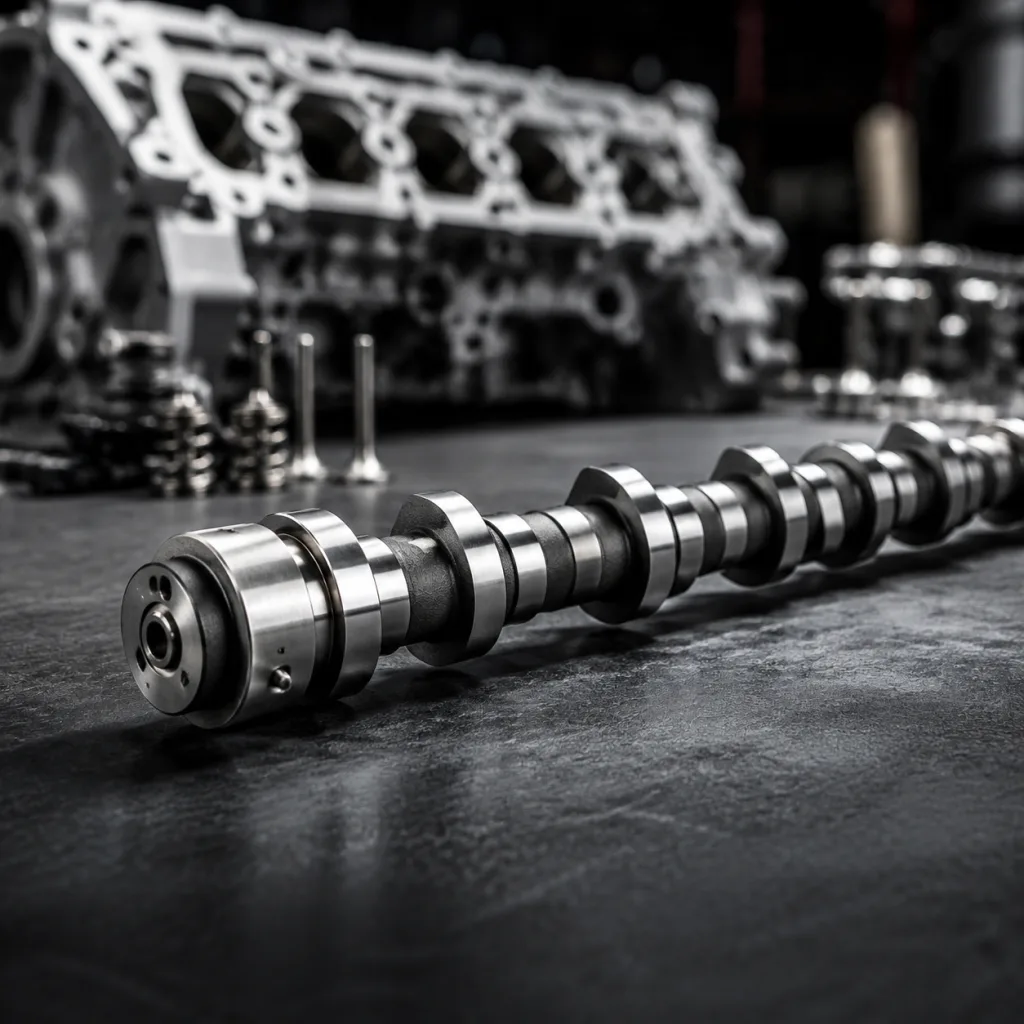
A camshaft for Nissan Qashqai aftermarket replacement must match the original engine’s valve-timing geometry, bearing journal dimensions, surface hardness, oiling requirements and sensor or phaser interface. For distributors, repair-chain buyers and import managers, the main sourcing risk is not just whether the part appears to fit. It is whether each production batch controls lobe profile, lift, runout, heat treatment, traceability and packaging well enough to reduce installation problems and warranty returns.

Driventus manufactures engine components in Taizhou, Zhejiang, for aftermarket and B2B supply programmes. For Qashqai applications, camshaft selection should begin with the engine code, intake or exhaust position, variable valve timing interface and a buyer-verified OE part-number cross-reference where available. Driventus is an independent aftermarket manufacturer; Nissan and Qashqai names are referenced for fitment identification only.

Replacement Scope and Fitment Controls

The Qashqai nameplate has used several petrol and diesel engine families across different model years and markets. A replacement camshaft cannot be specified reliably by model name alone. Buyers should confirm the engine code, production year range, fuel type, cylinder head configuration and whether the shaft is for the intake or exhaust side.

For procurement files, the minimum fitment data should include:

  • Vehicle application: Nissan Qashqai, market and model year range
  • Engine code and displacement, such as 1.2, 1.3, 1.5, 1.6 or 2.0 variants depending on region
  • Camshaft position: intake, exhaust or matched set
  • Timing interface: sprocket, phaser, dowel, keyway, bolt pattern or locating feature
  • Sensor trigger design: reluctor, slot, machined reference feature or integrated target where used
  • Buyer-verified OE cross-reference, using the correct number format for the application
  • Matching components: followers, tappets, seals, timing kit, cylinder head gasket and related hardware where relevant

This information helps prevent the common aftermarket problem of grouping visually similar shafts under one SKU when the profile, journal layout or trigger feature is different. Driventus maintains camshaft application data alongside broader engine programme records in our catalog and engine component range at /products/engine-components.html. For high-volume distributors, cross-reference lists should be frozen before tooling confirmation so that mixed applications are not introduced during sampling, labelling or repeat orders.

OE-Equivalent Dimensions That Matter

A camshaft is a precision timing component, not a simple machined bar. Small dimensional errors can alter valve opening, oil-film stability, axial location or phaser alignment. For aftermarket replacement, the target is dimensional equivalence to an approved sample, buyer drawing or validated CAD data—not visual similarity.

</tr></thead><tbody> </tbody></table>Driventus normally validates replacement camshafts against approved physical samples, buyer drawings or mutually agreed CAD data. Critical dimensions are controlled through first-article inspection and in-process inspection plans under the company quality system. Where the customer supplies target values and tolerances, those limits are built into the control plan, inspection records and release criteria for production batches.

Material, Heat Treatment and Surface Finish

Camshaft material selection depends on the engine design, follower type, lubrication environment and cost target. Common aftermarket routes include chilled cast iron, ductile iron or forged steel, depending on the original design and load conditions. The replacement part should not be downgraded without engineering review, because material and hardness choices directly affect lobe wear, journal life and noise performance.

Typical camshaft specification items for sourcing approval include:

  • Material grade confirmed by chemical composition report
  • Hardness target on lobes and journals, recorded by batch
  • Case depth or hardened layer requirement when applicable
  • Lobe and journal roughness targets after grinding
  • Straightness and runout limits after heat treatment and final machining
  • Magnetic particle, visual crack or surface-defect inspection where specified
  • Cleanliness, anti-corrosion oiling and export packaging standard
  • Traceability from raw material batch through heat treatment and grinding route

Heat treatment is a frequent cause of aftermarket inconsistency. If hardness is too low, lobe wear can appear early, especially in applications with high contact stress or marginal lubrication. If the surface is too brittle, or if grinding burn is present, the risk of spalling and premature failure increases. Driventus applies incoming material checks, controlled heat-treatment routing and final grinding inspection. For buyers requiring PPAP-style documentation, control plans, dimensional reports and material certificates can be prepared through custom manufacturing projects.

Validation Testing for Aftermarket Supply

For a camshaft for Nissan Qashqai aftermarket replacement, validation should cover fit, function, durability indicators and shipment stability. The exact test plan depends on annual volume, application risk and buyer requirements, but it should be agreed before the first purchase order rather than after a field complaint.

A practical B2B validation package may include:

  • Sample dimensional report for all critical-to-function points
  • Hardness report for lobes, journals and hardened areas where applicable
  • Cam profile comparison against reference sample, drawing or CAD target
  • Surface roughness report for lobes, journals and thrust faces
  • Runout inspection after final grinding and before packing
  • Interface check for sprocket, phaser, dowel, bolt pattern and sensor trigger features
  • Trial installation feedback from a customer workshop or third-party technical partner
  • Packaging drop, vibration or compression check for export cartons
  • Batch traceability record for material, heat treatment, machining and grinding route

Driventus operates under IATF 16949:2016 and ISO 9001:2015 management systems. These standards do not by themselves approve a specific part for a vehicle manufacturer, but they define the process discipline expected for automotive production, corrective action, traceability and continual improvement. For chemical compliance in export markets, material and coating declarations can be reviewed against REACH (EC) No 1907/2006 when applicable to the supply contract.

Sourcing Comparison for Buyers

Procurement teams often compare camshafts from trading companies, small machining shops and integrated component manufacturers. A low unit price can be cancelled out by claims, mixed fitment, inconsistent heat treatment, poor packaging or slow corrective action. The right sourcing route depends on forecast volume, documentation expectations and the buyer’s tolerance for technical risk.

Control point Typical verification method Purchasing relevance
Overall lengthVernier, height gauge or CMMConfirms cylinder head and cap stack compatibility
Journal diameterMicrometer and roundness checkControls oil clearance and seizure risk
Journal spacingCMM or dedicated fixtureSupports correct bearing cap alignment
Lobe liftCam profile measuring equipmentMaintains valve lift and engine breathing
Base circleProfile measurementHelps prevent incorrect valve lash or follower preload
Lobe phase angleProfile and angular measurementPreserves valve timing relative to the drive interface
RunoutV-block and dial indicatorReduces abnormal wear, noise and timing variation
Thrust face widthGauge inspectionControls axial movement in the cylinder head
Phaser or sprocket interfaceCMM and fixture checkHelps prevent timing misalignment during assembly
Sensor trigger featureFixture, CMM or visual reference checkSupports correct crank/cam correlation signals
Surface roughnessProfilometerSupports oil film formation and follower life

</tr></thead><tbody> </tbody></table>For repair chains and national distributors, consistency is usually more important than a minor unit-cost reduction. A stable aftermarket camshaft programme should specify inspection frequency, packaging labelling, barcode requirements, acceptable quality limits and claim-handling workflow. Driventus can support neutral packaging, buyer branding where contractually permitted, and consolidated shipments with related engine components to simplify import planning and warehouse handling.

RFQ Checklist and Order Documentation

A clear RFQ reduces quotation cycles and prevents incorrect sampling. When requesting a camshaft for Nissan Qashqai aftermarket replacement, buyers should provide enough data to confirm physical fit, manufacturing feasibility, documentation needs and commercial viability.

Recommended RFQ checklist:

  • Target application: Qashqai model years, sales market and engine code
  • Camshaft position: intake, exhaust or matched set
  • Buyer-verified OE cross-reference, if available
  • Reference sample, drawing, CAD file or 3D scan availability
  • Annual forecast, first order quantity and preferred shipment split
  • Required packaging: neutral, private label, colour box or bulk service pack
  • Documentation: inspection report, material certificate, control plan or PPAP-style file
  • Compliance needs for EU, UK, US, Canada, Australia, Brazil or other import channels
  • Labelling requirements, barcode format and carton marking rules
  • Warranty return process, defect classification rules and response-time expectations

Driventus can quote standard replacement items from its existing range or assess new development where demand justifies tooling, sampling and validation. For sourcing teams building a broader engine parts basket, the same RFQ can include gaskets, water pumps, pistons, crankshafts, timing-related components and other engine repair items.

Frequently asked questions

Use the engine code, model year range, intake or exhaust position, timing interface and a buyer-verified OE cross-reference where available. Model name alone is not enough because Qashqai applications vary by market, model year and engine family.

Yes. Driventus can review reference samples, drawings or CAD data for dimensional matching, material selection, inspection planning and packaging requirements. Feasibility depends on volume, technical risk, tooling needs and the quality of the reference data.

No. IATF 16949:2016 and ISO 9001:2015 relate to manufacturing and quality management systems. They do not imply vehicle manufacturer approval. Driventus is an independent aftermarket manufacturer; brand names are referenced for fitment identification only.

For application confirmation, batch documentation or a distributor quotation, send the engine code, camshaft position and forecast volume to [request a quote](/contact.html).

Request a Quote
Sourcing route Advantage Main risk Suitable use
Spot purchase from traderFast availabilityLimited process control and weak traceabilityEmergency replenishment
Small machining supplierFlexible batch sizeHeat treatment and profile control may varyLow-volume trial orders
Integrated manufacturerControlled production route and documentationRequires clearer specification at RFQ stageDistributor and repair-chain programmes
Custom development projectFitment, testing and packaging tailored to buyerLonger initial lead timePrivate-label or exclusive SKU range