camshaft · 2026-06-10

Camshaft for Mitsubishi Outlander OE Equivalent Sourcing

A camshaft for Mitsubishi Outlander OE equivalent replacement has to match more than the visible profile of the original part. For distributors, repair chains and importers, the commercial decision usually depends on lobe geometry, journal diameter, timing-feature accuracy, metallurgy, surface hardness and repeatable batch inspection. Small deviations can affect valve lift, timing stability, oil film behavior or sensor signal quality. Driventus manufactures and supplies engine components for aftermarket programs, including camshafts for Mitsubishi applications where fitment is verified against OE-style drawings, samples or approved buyer specifications. This article explains what procurement teams should check before sourcing replacement camshafts for Outlander platforms, how Driventus controls equivalence, and which documents are useful for technical approval. Driventus is an independent aftermarket manufacturer; brand names are referenced for fitment only.

What OE Equivalence Means for Outlander Camshafts

For replacement sourcing, OE equivalence means the part is engineered to perform the same function within the intended engine family and service environment. It does not mean vehicle manufacturer approval, endorsement or factory supply. For a camshaft, the relevant equivalence points are dimensional, functional and material based.

A camshaft for Mitsubishi Outlander OE equivalent program should verify:

  • Camshaft type: intake, exhaust or combined application according to engine layout
  • Overall length and datum positions against the reference sample or drawing
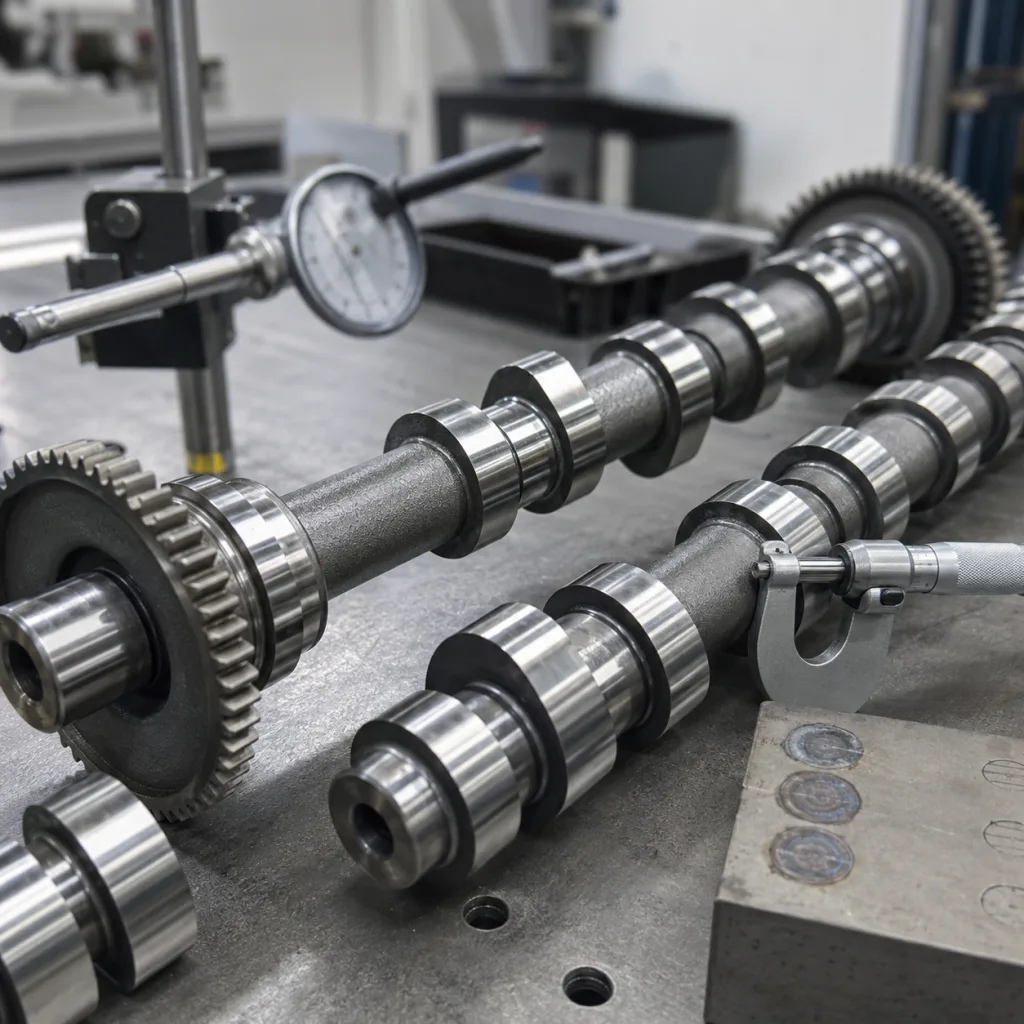
  • Journal diameters, roundness and runout
  • Lobe lift, opening profile and phasing relationship
  • Timing sprocket, actuator or reluctor feature position
  • Oil hole size, location and deburring condition
  • Material grade and heat-treatment route
  • Surface hardness and hardened depth where applicable
  • Packaging protection against corrosion and impact during sea freight

For buyers managing mixed applications, OE part-number cross-references should be treated as fitment aids, not as proof of technical compliance. Where a cross-reference such as OE 06A107065 appears in a buyer file, it should be confirmed against engine code, production year, market specification and sample measurement before ordering. Driventus can map buyer references through our catalog and related engine component products when enough fitment data is supplied.

Key Dimensions and Inspection Points

Camshaft replacement risk is usually concentrated in a few dimensions. A visually similar shaft can still create valve timing deviation, abnormal wear or installation difficulty if these points are not controlled.

</tr></thead><tbody> </tbody></table>Procurement specifications should state whether inspection is based on buyer drawings, physical OE samples, reverse-engineered data or an existing approved aftermarket reference. Where drawings are unavailable, Driventus normally recommends sample-based dimensional comparison plus functional fitment review before mass production.

For incoming approval, buyers should request a first-article inspection report, material certificate, hardness report and critical-dimension summary. For repeat orders, inspection frequency can be agreed by lot size and application risk.

Material, Machining and Surface Control

Camshaft manufacturing routes vary by engine design and buyer specification. Common routes include cast iron camshafts, forged steel shafts and assembled camshaft structures. The correct route depends on the original design, engine load, follower type and cost target.

For Outlander replacement programs, procurement teams should confirm the following before commercial approval:

  • Base material specification and equivalent grade
  • Casting, forging or assembled construction route
  • Heat-treatment process and acceptance criteria
  • Lobe and journal surface finish targets
  • Straightening process after heat treatment, if required
  • Crack detection method for critical batches
  • Anti-rust oil, VCI packaging or other export protection

Driventus applies controlled machining for journals, lobes, thrust faces and timing features. Critical surfaces are ground to meet the agreed drawing or sample data. Deburring around oil holes and edges is especially important because residual burrs can enter the lubrication circuit or damage mating parts during assembly.

Surface hardness is not useful by itself unless it is tied to material, depth and wear requirements. A very hard surface with poor case depth or poor grinding quality can still fail prematurely. Buyers should specify hardness range, test position and acceptance method where possible.

Validation Testing for Replacement Programmes

A replacement camshaft should be validated through dimensional, metallurgical and functional checks before being released for regular import orders. The exact plan depends on order volume and buyer risk tolerance, but a structured approval process reduces warranty exposure.

Typical validation package:

  • Drawing or sample comparison report
  • First-article inspection report for critical dimensions
  • Material composition report
  • Hardness and microstructure report, where required
  • Surface roughness report on journals and lobes
  • Runout and straightness inspection record
  • Trial assembly feedback from the buyer or nominated workshop
  • Packaging drop or transport suitability review for export cartons

For quality management, Driventus operates under IATF 16949:2016 and ISO 9001:2015 frameworks. These standards support process control, traceability, corrective action and supplier management, but they do not replace part-specific validation. Buyers should still define control characteristics for each application.

Environmental and market access requirements may also apply. For EU importers, REACH (EC) No 1907/2006 should be considered for restricted substances in supplied articles, coatings, packaging and associated documentation. For some customers, material declarations are requested as part of supplier onboarding.

Sourcing Considerations for Distributors and Repair Chains

Replacement camshaft sourcing is not only a unit-price exercise. The cost of a poor match includes technician labor, claim handling, vehicle downtime and inventory write-offs. Buyers should evaluate suppliers using technical and operational criteria together.

Control item Typical procurement check Why it matters
Journal diameterMeasured by micrometer at multiple pointsControls oil clearance and bearing support
Lobe liftCompared with reference sample or drawingAffects valve opening and engine breathing
Lobe phasingChecked on a camshaft inspection fixtureControls valve timing relationship
Total runoutDial indicator or dedicated gaugeReduces vibration, bearing load and seal wear
Surface hardnessRockwell or equivalent method as specifiedSupports wear resistance at lobe and journal areas
Oil passagesVisual and gauge inspection after cleaningPrevents lubrication restriction
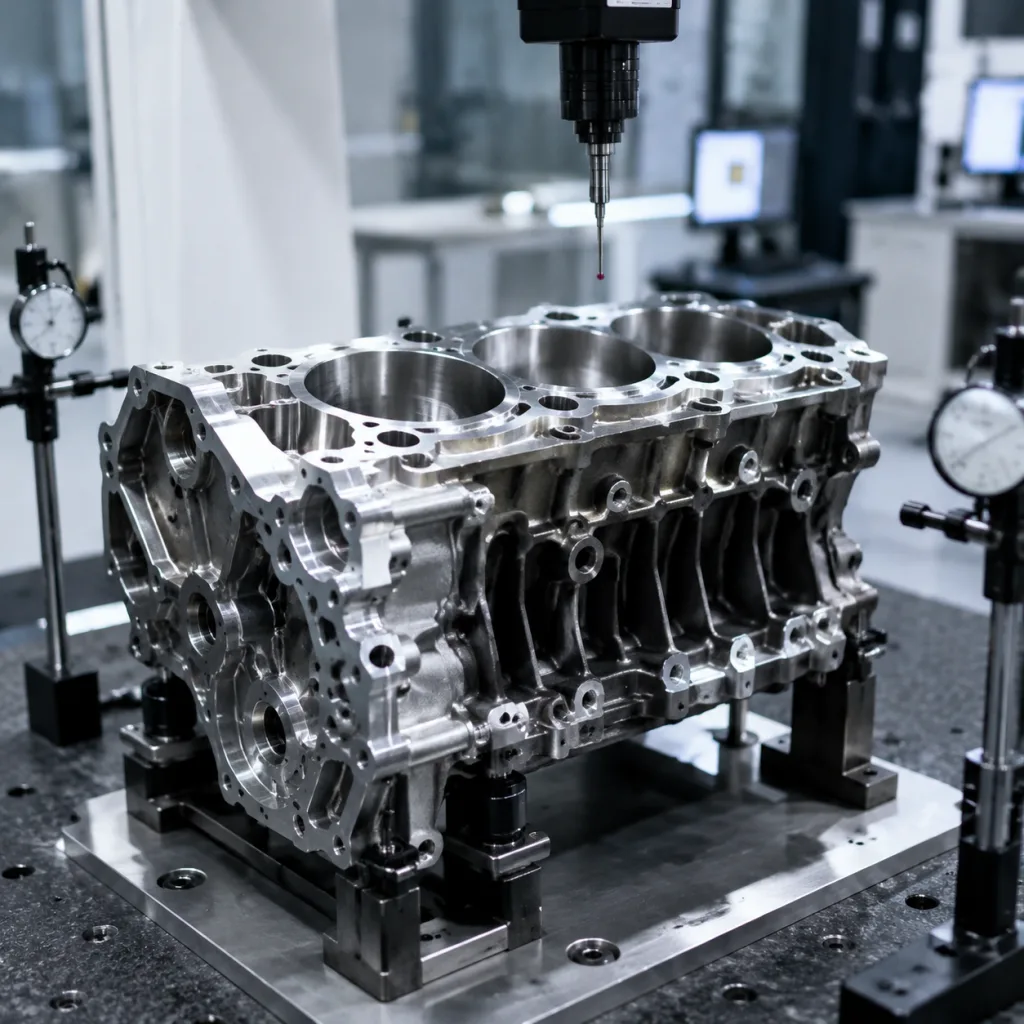
Timing feature positionFixture or CMM verificationPrevents timing correlation faults
End face and key featuresDatum-based inspectionSupports correct assembly with sprockets or actuators

</tr></thead><tbody> </tbody></table>For multi-location repair chains, consistency is often more important than having many low-volume references. A narrower list of validated Outlander camshaft references can reduce installation variation and claims. For distributors, packaging labels, cross-reference tables and carton data should be agreed before shipment.

Driventus can support standard aftermarket supply through our catalog, and application-specific custom manufacturing for buyers with drawings, samples or private-label requirements.

Documents to Request Before Ordering

Before placing a production order, importers should build a compact technical file. This does not need to be excessive, but it should be strong enough to support internal approval and customer questions.

Recommended document set:

  • Quotation with application scope and incoterms
  • Part drawing or sample comparison record
  • Critical-dimension inspection plan
  • First-article inspection report
  • Material and heat-treatment certificate
  • Surface hardness and roughness reports where specified
  • Lot traceability format
  • Packaging specification with carton dimensions and weight
  • Quality agreement or supplier manual acknowledgement
  • Compliance statements relevant to the destination market

A supplier audit may also be useful for large programs. During an audit, buyers should review incoming material control, machining capability, gauge calibration, nonconforming product control, final inspection, packaging and corrective action records. The Driventus quality system is structured around IATF 16949:2016 and ISO 9001:2015 requirements, with traceability from material receipt through machining, inspection and shipment.

Driventus is an independent aftermarket manufacturer; brand names are referenced for fitment only. Buyers can request a quote with engine code, target OE-style reference, sample availability, annual demand and destination market.

Frequently asked questions

Yes. Driventus can quote OE-equivalent replacement camshafts when the buyer provides engine code, vehicle year range, reference sample, drawing or existing aftermarket reference. Fitment and critical dimensions should be confirmed before mass production.

No. OE equivalent means the aftermarket part is designed to match the intended fit, dimensions and function of the reference part. It does not mean approval, endorsement or supply by the vehicle manufacturer.

Provide application details, engine code, camshaft position, target reference, quantity, packaging needs, destination country and any required inspection documents. Samples or drawings improve quotation accuracy and reduce approval time.

For camshaft sourcing, send the reference data, target quantity and inspection requirements for a technical review. Driventus can prepare a documented quotation through /contact.html

Request a Quote
Sourcing factor What to request from supplier Procurement value
Application confirmationEngine code, year range and reference sample checkReduces catalog mismatch
Quality documentationPPAP-style file, inspection reports or agreed control planSupports technical approval
Batch traceabilityLot number, production date and inspection recordSpeeds containment if a claim occurs
Packaging designIndividual sleeve, corrosion protection and export carton specReduces transit damage
Lead timeTooling, sampling and mass production scheduleSupports launch planning
MOQ and forecastMinimum order quantity and rolling demand estimateAligns factory planning with stock policy