brake pad · 2026-06-14

Brake Pads and Rotors Cost: Buyer Pricing Factors

For B2B buyers, brake pads and rotors cost is not defined by the invoice line alone. The real comparison includes friction material, casting quality, machining control, coating, validation, packaging, freight, duty, and the cost of claims when parts do not fit, wear evenly, or meet market expectations. A low unit price can become expensive if it increases inspection work, damage rates, warranty returns, or stock complexity. Procurement teams should therefore evaluate each quote against the vehicle application, service interval, climate, storage conditions, and required quality level. This is especially important for distributors, repair chains, private-label programmes, and OEM service channels that need repeatable fitment across batches. This guide breaks the cost into practical sourcing factors, explains where pads and rotors differ, and highlights the checks that protect landed cost without weakening brake performance.

What drives the price

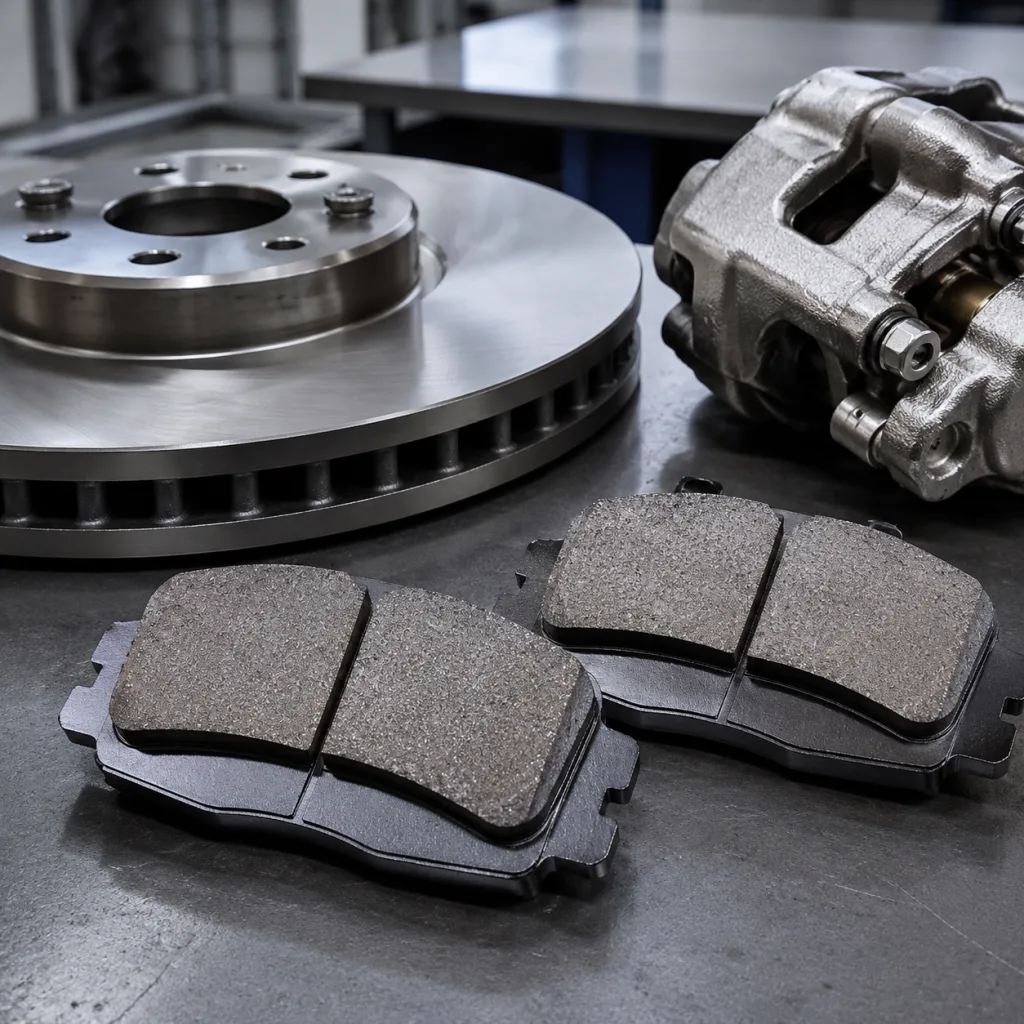
Brake component pricing starts with the part design, but it is shaped by the full programme behind it. For pads, the main variables include backing plate thickness, plate flatness, shim construction, friction formulation, slot and chamfer geometry, scorching or surface treatment, and any clips or noise-control hardware supplied in the kit. For rotors, the biggest variables are casting quality, alloy consistency, carbon content where specified, machining time, vane design, surface finish, coating system, run-out control, thickness variation control, and final balancing.

Order profile also changes the economics. A palletised programme with stable forecasts, standard cartons, and planned replenishment usually prices better than small urgent spot buys. Frequent specification changes, mixed labels, short production runs, and air-freight recovery can raise the final cost even when the quoted unit price looks competitive.

For buyers, the practical split is:

  • Product cost: raw material, casting or plate preparation, friction mix, hardware, machining, coating, and assembly.
  • Compliance cost: validation, documentation, traceability, first-article approval, and change control.
  • Logistics cost: inner packs, export cartons, pallets, inland freight, ocean or air freight, brokerage, duty, VAT, or GST.
  • Risk cost: incoming rejects, carton damage, fitment disputes, noise claims, corrosion claims, rework, and replacement handling.

When a supplier quotes only the ex-works unit price, the comparison is incomplete. A slightly higher manufacturing price can still deliver a lower landed cost if it reduces inspection time, transit damage, slow-moving inventory, or warranty exposure.

Typical buyer cost structure

Use landed cost as the comparison basis, not list price. The strongest quote file shows how each supplier performs after freight, tax, packaging, claims risk, and receiving labour are included.

</tr></thead><tbody> </tbody></table>For some programmes, packaging and freight can exceed the manufacturing difference between two suppliers. A thicker carton, better pallet pattern, or improved corrosion protection may appear as added cost at source but reduce damage, repacking, returns, and customer deductions after arrival.

A useful sourcing comparison should therefore include unit price, landed cost per set, minimum order quantity, lead time, warranty exposure, expected inspection labour, and the cost of holding slow-moving SKUs. That wider view gives procurement teams a clearer answer than price-per-piece alone.

Pads vs rotors: where value shifts

Pads and rotors do not fail in the same way, so they should not be sourced on identical assumptions. Brake pads are more sensitive to friction formulation, bedding behaviour, noise, dust, compressibility, and hardware fit. Rotors are more sensitive to casting structure, machining accuracy, dimensional stability, corrosion resistance, and surface finish.

Cost element What it covers Why it changes
Raw materialSteel backing plates, cast iron, friction mix, shims, clipsGrade, melt quality, formulation, scrap rate, hardware content
MachiningTurning, grinding, drilling, slotting, chamfering, balancingPart complexity, tolerance target, equipment time, batch size
Coating or finishAnti-corrosion coating, paint, zinc-based finish, phosphate, oil filmClimate target, storage period, appearance standard, salt-spray requirement
ValidationDimensional checks, friction tests, bench tests, road-test samplingOE-matching target, claim history, market regulation, programme risk
PackagingVCI bags, labels, inner boxes, export cartons, palletsExport route, private-label needs, barcode rules, damage prevention
LogisticsInland freight, export handling, ocean freight, air freightIncoterms, shipment volume, urgency, port routing, container utilisation
Import taxesDuty, brokerage, VAT, GST, local chargesDestination country, tariff code, declared value, trade agreement status

</tr></thead><tbody> </tbody></table>If a programme covers humid climates, coastal regions, winter road salt, or long warehouse storage, coated rotors often reduce downstream complaints and improve shelf appearance. If the priority is high-mileage fleet service, pad wear rate, friction stability, and batch-to-batch consistency may create more value than cosmetic upgrades.

The best buying decision usually comes from matching the value lever to the market. Retail-focused ranges may benefit from coated rotors and clean packaging, while fleet or workshop ranges may place more weight on predictable wear, low noise, and easy fitment.

What to verify before placing volume orders

Before placing a volume PO, ask each supplier for the same information in the same format. This makes quotes easier to compare and prevents price gaps from hiding missing scope.

  • Vehicle application list with fitment notes, exclusions, and cross-reference logic.
  • Dimensional drawings, controlled samples, or approved reference parts.
  • Test summary covering noise, wear, fade, corrosion, fitment, and key dimensional checks.
  • Material and finish description, including coating type and expected storage protection.
  • Packaging specification with inner quantity, carton count, pallet pattern, labels, and barcode rules.
  • Traceability format, batch coding, production date format, and label content.
  • Lead time by volume tier, minimum order quantity, and replenishment plan.
  • Change-control process for formulation, tooling, coating, packaging, or sub-supplier updates.

For broader sourcing, compare our catalog, review the quality system, and check custom manufacturing if you need a private-label or programme-specific build.

A supplier that cannot define tolerances, documentation, traceability, and revision control will usually create hidden cost later. The cheapest first shipment is not always the lowest total programme cost, especially when the range scales across many SKUs and repeated call-offs.

Standards and documentation

Reliable pricing depends on repeatable process control and test evidence. At minimum, procurement teams should expect a quality file aligned with ISO 9001:2015, and many automotive programmes also look for IATF 16949:2016-aligned process discipline in the supply chain. The file should connect the part number, drawing revision, production batch, inspection record, and packaging approval so that claims can be traced quickly.

Chemical and market requirements also affect cost. REACH (EC) No 1907/2006 is relevant for substances of very high concern and restricted materials in the European market. ECE R90 applies to replacement brake linings and, for many applications, replacement brake discs and drums sold in markets that recognise the regulation. ECE R83 is primarily an emissions regulation rather than a brake-performance standard, so it should not be used as the main brake validation reference. For corrosion and coating evaluation, buyers may see methods such as SAE J2334, ASTM B117, or ISO 9227, depending on the supplier and customer requirement.

Driventus is an independent aftermarket manufacturer; brand names are referenced for fitment only.

A complete file should include:

  • Test reports tied to part numbers, batches, and revision levels.
  • First-article approval with photos, drawings, or controlled samples.
  • Incoming material records and key process inspection results.
  • Pack-out standard, barcode format, carton label, and pallet layout.
  • Change-control notice for material, formulation, tooling, coating, or packaging updates.

This documentation protects margin when orders scale because it shortens dispute resolution, supports repeat orders, and reduces the chance of uncontrolled changes entering the supply chain.

Frequently asked questions

Material grade, friction formulation, casting quality, machining time, coating, validation scope, packaging, and order size drive much of the price. Freight, duty, inspection labour, warranty exposure, and claim handling can be just as important when buyers compare landed cost across suppliers.

Often yes in humid, coastal, winter-salt, or long-storage markets. Coating adds cost at source, but it can reduce visible corrosion, improve shelf appearance, lower claim rates, and make the product easier to sell through distribution.

Lock the fitment data, align specifications with the target market, standardise packaging, request consistent traceability, and compare landed cost instead of ex-works price alone. Stable forecasts and planned call-off volumes also help suppliers schedule material, machining, coating, and packing more efficiently.

If you are building a programme quote, we can align specifications, validation scope, packaging, and replenishment planning to your target landed cost. Use our [request a quote](/contact.html) page.

Request a Quote
Topic Brake pads Brake rotors
Main cost driverFriction compound, backing plate, shim design, hardware, anti-noise featuresCasting quality, metallurgy, machining, coating, dimensional stability
Typical riskNoise, fade, uneven wear, excessive dust, bedding issuesRun-out, disc thickness variation, corrosion, judder, imbalance
Best value leverStable formulation, correct fitment data, controlled hardware supplyAccurate metallurgy, controlled finishing, coating matched to the market
Common buyer mistakeChoosing by price only and ignoring noise, dust, or wear claimsBuying plain rotors for markets that require stronger corrosion protection
Validation focusFriction coefficient, compressibility, shear strength, wear rate, noise behaviourRun-out, DTV, hardness, balance, surface finish, corrosion resistance