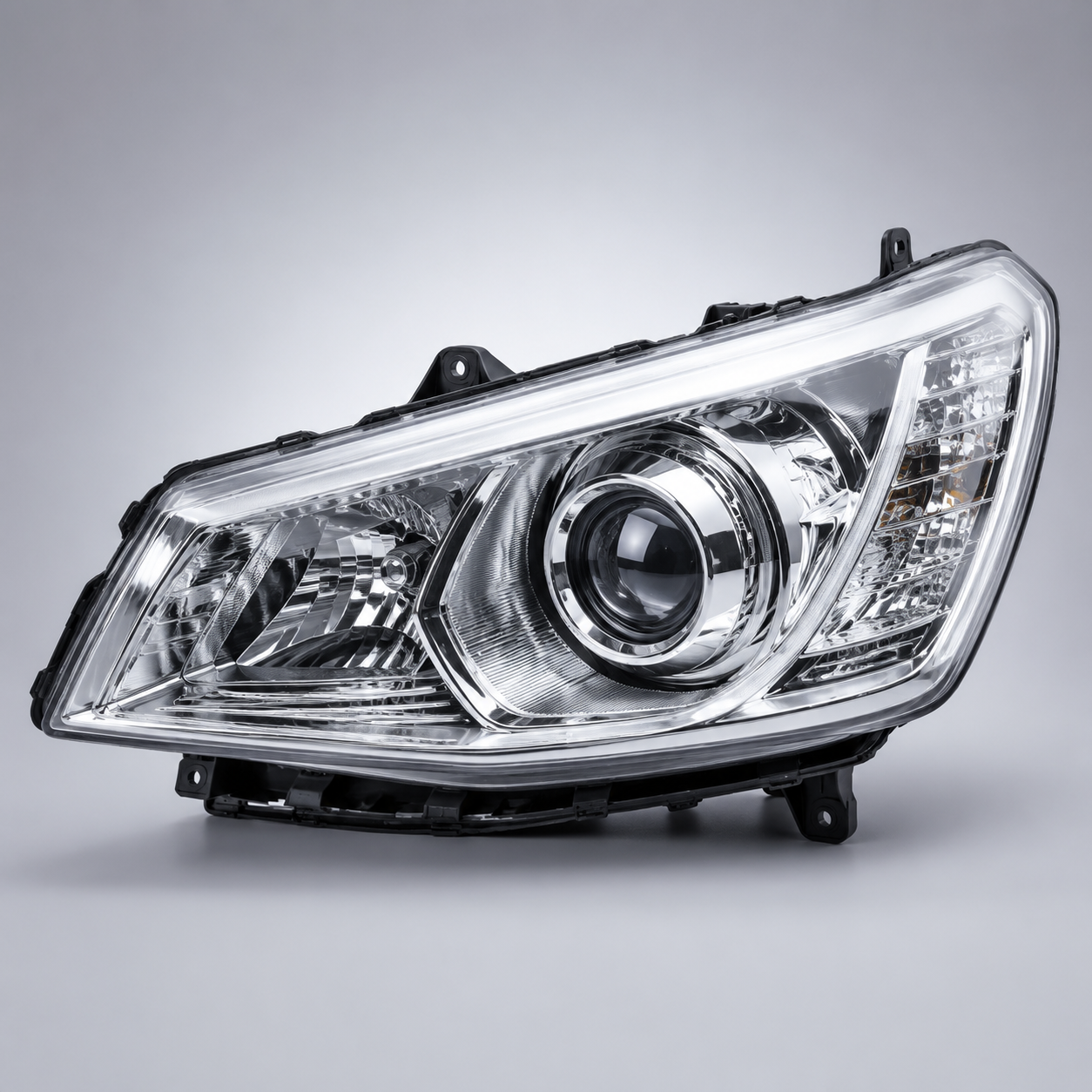
450 Walbro Fuel Pump Sourcing Guide for B2B Buyers
A **450 walbro fuel pump** should not be sourced on the headline flow number alone. The real question is simpler: what does the pump deliver at your operating pressure, voltage, and fuel type, and how consistent is that result from batch to batch?
That is where many buying mistakes start. A pump can look strong at open flow yet fall away at 3-5 bar, pull excessive current, run hot on ethanol blends, or vary too much across production lots. For distributors, repair networks, and performance-parts importers, those gaps turn into warranty cost, fitment complaints, and unstable replenishment planning.
A more useful sourcing process starts with comparable data. Ask for a full pressure-flow table, not a single advertised figure. In this class, a serious quote should show performance at 13.5 V with test fuel at a controlled temperature such as 20-25°C, plus flow and current draw at 0 bar, 3.0 bar, 4.0 bar, and 5.0 bar. Many B2B buyers also define approval bands before production, for example ±5% flow at the quoted pressure point, ±10% current draw, and dimensional tolerances on key interfaces.
This article is structured as a buying decision tool. It shows how to define the pump class correctly, how to screen out weak offers fast, what factory controls actually reduce return risk, and when this output class makes commercial sense for your channel. Driventus is an independent aftermarket manufacturer; brand names are referenced for fitment only.
Start with the decision: what buyers are really asking for in this pump class
In the aftermarket, this label usually points to a high-output in-tank electric fuel pump in the nominal 450 L/h class. But buyers searching for a 450 walbro fuel pump are rarely buying a number in isolation. They are usually trying to solve for sustained fuel delivery in modified petrol engines, motorsport builds, or ethanol-capable systems where a standard replacement pump is no longer enough.
The first step is to separate the label from the usable operating window. A pump in this class should be screened against:
- Flow at 13.5 V and stated back pressure
- Current draw at the same test points
- Fuel media compatibility, including E85 where required
- Inlet and outlet geometry
- Connector and terminal repeatability
- Pressure relief valve consistency, if fitted
- Noise, vibration, and thermal behaviour over endurance cycles
This matters because nominal 450 L/h claims can describe very different products.
One supplier may quote 450 L/h near zero pressure, then deliver only 300-330 L/h at 13.5 V / 400 kPa. Another may show similar open flow but hold 340-360 L/h at the same pressure with lower current draw. For a procurement team, the second offer is usually stronger. It is easier on the electrical system, runs with more margin, and is less likely to disappoint in service.
Useful reference checks in this class often include:
- Continuous operating pressure range around 300-500 kPa, depending on system design
- Current draw often in the 15-22 A range under load, depending on pressure and fuel
- Housing diameter and overall length controlled tightly enough for repeatable in-tank installation
- Outlet and terminal geometry that match the target harness and hose set without workshop rework
If you stock multiple performance fuel-system tiers, it can also help to compare this pump class against the rest of our catalog before deciding how deep the assortment should go.
Use this technical screen before you ask for pricing
Do not start with catalogue language. Start with measurable data. When assessing a 450 walbro fuel pump equivalent, ask suppliers for exact test conditions, approval limits, and document support before you compare unit price.
Core parameters to request
| Parameter | What to request | Why it matters | |
|---|---|---|---|
| Rated flow | L/h at specified voltage and pressure | Confirms usable output, not just open flow | |
| Current draw | Amps at each pressure point | High draw can overload wiring and increase heat | |
| Operating pressure range | Continuous working pressure in kPa or bar | Must match regulator strategy and injector demand | |
| Fuel compatibility | Petrol, E10, E20, E85 or racing fuels | Material mismatch shortens service life | |
| Pump format | In-tank dimensions, inlet, outlet, connector | Reduces installation variation | |
| Relief valve data | Opening pressure and tolerance if applicable | Affects system behaviour under transient load | |
| Endurance test | Hours, duty cycle, medium, voltage | Shows whether the product has been validated |
| Test point | Preferred request format | Typical buyer use | |
|---|---|---|---|
| 13.5 V / 0 kPa | Open-flow L/h and current | Checks headline pump class | |
| 13.5 V / 300 kPa | Flow and current | Common working reference point | |
| 13.5 V / 400 kPa | Flow and current | Confirms mid-high load stability | |
| 13.5 V / 500 kPa | Flow and current | Useful for boosted applications | |
| 12.0 V / 400 kPa | Flow and current | Shows sensitivity to wiring voltage drop |
| Comparison point | Supplier A | Supplier B | Buyer check |
|---|---|---|---|
| Flow at 13.5 V / 300 kPa | Same test fluid and temperature? | ||
| Flow at 13.5 V / 500 kPa | Confirms high-load performance | ||
| Current draw at 300 kPa | Check harness and thermal impact | ||
| Ethanol compatibility | Written declaration required | ||
| Salt-spray exposure for terminals | Useful for humid markets | ||
| Endurance validation | Hours and pass criteria | ||
| MOQ | Match stocking strategy | ||
| Lead time | Check standard vs peak season | ||
| Warranty return process | Clarify failure analysis route |
| Commercial factor | What to ask | Why it affects real cost |
|---|---|---|
| MOQ by packaging type | Sample, neutral box, private label, master carton | MOQ often rises as customisation increases |
| Price breaks | EXW/FOB price at 100 / 500 / 1,000 pcs | Shows whether scaling improves margin enough to justify stock |
| Lead time split | Sample lead time, repeat-order lead time, peak-season lead time | Prevents planning on best-case timing only |
| Claim allowance | Warranty rate threshold or replacement policy | Helps model after-sales cost |