2010 Hyundai Tucson Alternator Replacement: OE Match Guide
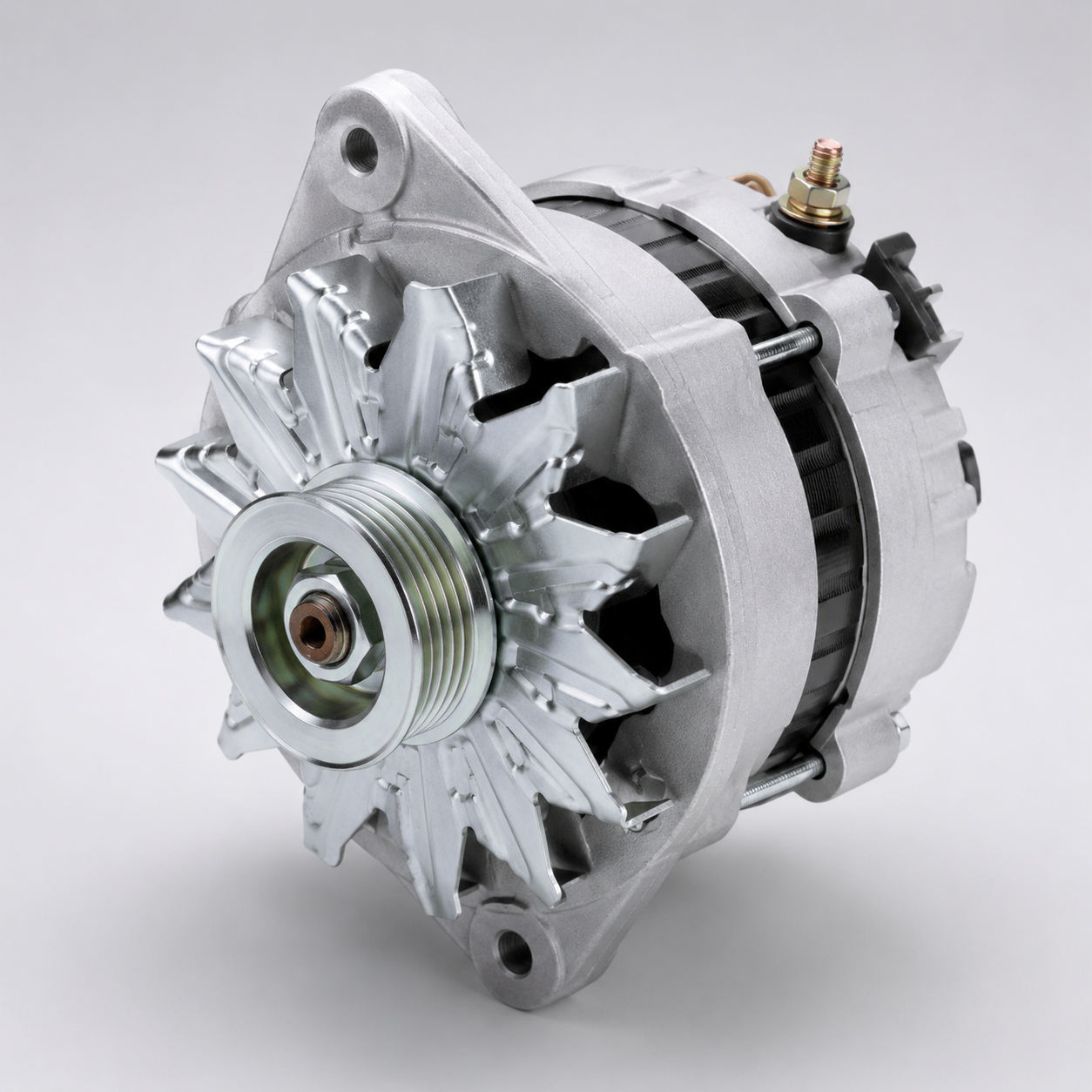
A 2010 Hyundai Tucson alternator replacement is best sourced as an OE-equivalent electrical and mechanical assembly, not as a generic 12 V alternator. The useful specification usually starts with the OE number or a verified sample unit, then locks down output rating, regulator behavior, mounting geometry, pulley offset, connector layout, and validation data. Typical aftermarket programmes for this vehicle class fall in the 90 A to 120 A range, but the correct amperage depends on engine variant, market specification, and installed electrical load. Driventus is an independent aftermarket manufacturer; brand names are referenced for fitment only. In practice, the buying risk is concentrated in three areas: belt misalignment from the wrong pulley offset, harness mismatch from the wrong plug clocking or terminal layout, and unstable charging from poor regulator or rectifier control. A controlled sourcing process should therefore include OE cross-reference confirmation, dimensional inspection, load-test results, packaging rules, and batch traceability before a purchase order is released.
Fitment first: the four checks that prevent returns
For the 2010 Hyundai Tucson, the alternator has to match the engine variant, market electrical package, bracket geometry, and connector layout. Start with the OE number stamped on the removed unit, the vehicle parts record, or the VIN-linked parts catalogue. If you are sourcing from a sample, request clear photos of the front case, rear case, plug, B+ post, mounting ears, and pulley face.
Confirm these items before issuing a PO:
- Rated system voltage: 12 V nominal, with regulated output typically checked around 13.8 V to 14.8 V at the battery depending on temperature and load
- Output class: verify the specified amp rating, commonly around 90 A to 120 A for this vehicle segment, rather than assuming all Tucson units interchange
- Mounting ear position: compare pivot-to-adjuster distance, ear thickness, and bolt-hole diameter; a tolerance target of +/-0.5 mm is practical for critical bracket dimensions
- Pulley specification: confirm rib count, outside diameter, groove profile, and offset from the front mounting face; offset variation should normally stay within +/-0.5 mm to protect belt tracking
- Connector style: confirm plug shape, terminal count, pin orientation, locking tab position, and rear-case clocking
- B+ terminal: confirm stud diameter, insulator shape, and clearance for the original cable boot
- Case and fan layout: confirm front/rear case depth, rotation direction, fan position, and heat-shield clearance where used
If the removed unit is unavailable, use VIN, engine code, transmission type, market destination, and OE cross-reference together. A part can be electrically correct and still fail in the field if the pulley sits 2 mm to 3 mm out of line or the connector exits toward a blocked area. For mixed export orders, ask the supplier to separate variants by confirmed OE reference instead of merging similar-looking alternators under one internal SKU.
Workshop verdict: how to tell a good unit from a bad install
A proper 2010 Hyundai Tucson alternator replacement should be validated in the workshop before the vehicle is released. The first check is mechanical: the unit should sit flat against the bracket, bolts should pass without forcing, the belt should run centrally across the pulley, and the harness should connect without stretching or rotating the plug.
After installation, test the charging system with a known-good battery. A practical workshop sequence is:
- Battery at rest: confirm approximately 12.4 V to 12.8 V before starting; a weak battery can distort alternator test results
- Idle charging: measure at the battery posts after start-up; most healthy systems should stabilize around 13.8 V to 14.8 V after initial recovery
- Loaded charging: switch on headlights, blower, rear defogger, and audio load; voltage should remain stable without sharp cycling or warning-lamp flicker
- Voltage drop: compare alternator B+ to battery positive, then alternator case to battery negative; high resistance in either path can imitate alternator failure
- Ripple check: use a meter with AC voltage function or scope where available; excessive AC ripple points to rectifier or stator issues
Practical inspection points
- Replace a glazed, cracked, oil-contaminated, or stretched belt before judging alternator performance
- Clean battery posts, main grounds, and B+ cable terminals; target low-resistance connections rather than visual cleanliness only
- Confirm belt tensioner movement and pulley alignment under load, not just with the engine off
- Verify the battery warning lamp turns on with ignition and turns off after start-up
- Listen for bearing noise at idle and during brief load changes
If voltage is inconsistent, do not reject the alternator until the battery, ground strap, fusible link, belt drive, and charge cable have been checked. For procurement teams, the useful supplier requirement is a written installation test range, because it gives branches and workshops the same acceptance standard for claims.
Spec sheet vs. field reality: what buyers should compare
| Item | OEM-style replacement target | Buyer acceptance check |
|---|---|---|
| Voltage | 12 V nominal | Regulated battery voltage typically 13.8 V to 14.8 V after start-up |
| Output | Match OE amperage, often 90 A to 120 A range by variant | Load-test report at rated current and operating speed |
| Mounting | OE-equivalent bracket geometry | Critical dimensions held around +/-0.5 mm where drawing-controlled |
| Connector | OE-style plug and terminal count | Photo confirmation plus sample plug fit before bulk order |
| Pulley | Correct rib count, diameter, and offset | Pulley offset generally within +/-0.5 mm of approved sample |
| B+ terminal | Correct stud size and insulator clearance | Cable boot fits without trimming or contact risk |
| Ripple | Low AC ripple under load | Supplier provides rectifier/regulator test record |
| Packaging | Export-safe single-unit carton or bulk pack | Pulley, plug, and B+ post protected from impact |