5.7 L Hemi Engine Rebuild Kit: B2B Buyer Guide for Correct Fitment
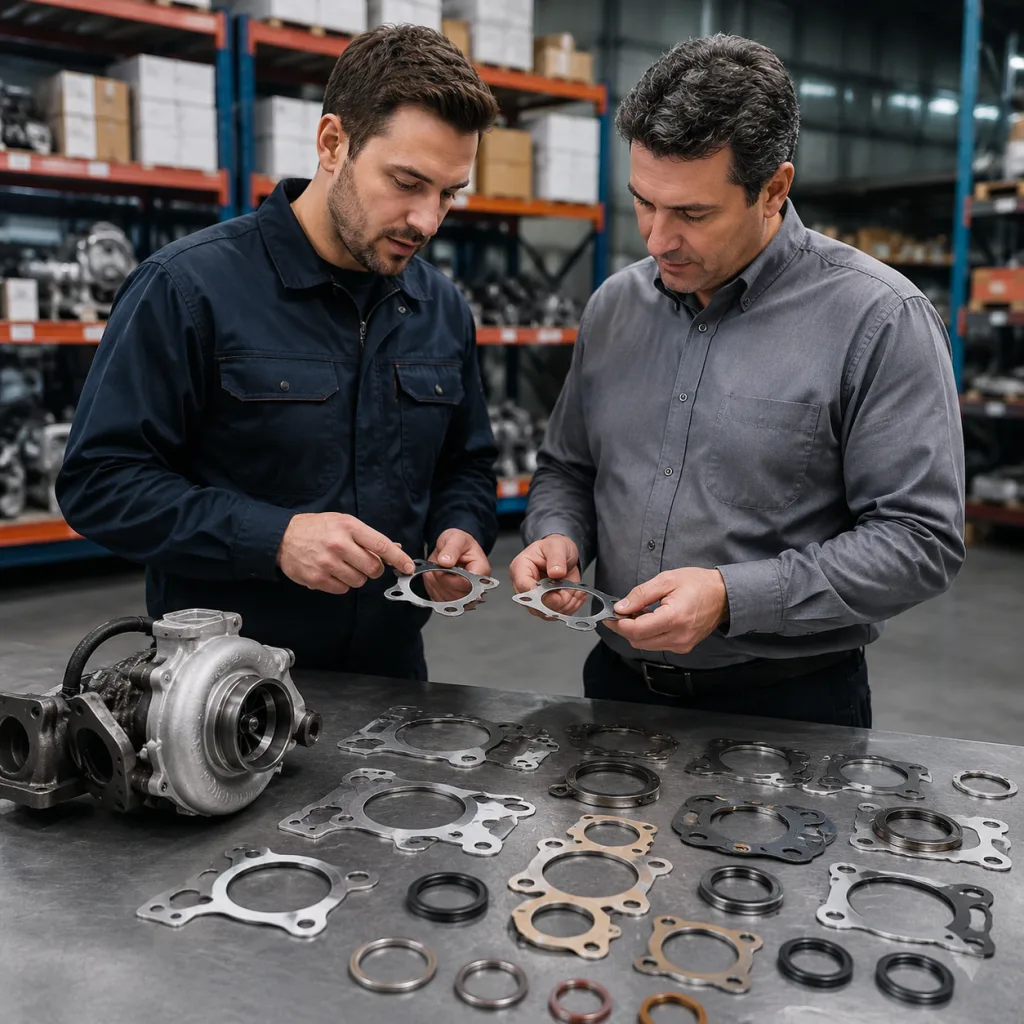
5.7 L Hemi Engine Rebuild Kit: B2B Buyer Guide for Correct Fitment
**Byline:** Vincent Xi, Editorial Author, Driventus Auto Parts. Author profile: https://driventus.com/authors/vincent-xi/
For distributors, repair networks, engine remanufacturers, and fleet maintenance buyers, sourcing a **5.7 L Hemi engine rebuild kit** is mainly a fitment-control and bill-of-materials task. The supplied sources show that listings and rebuild references may identify the engine by displacement, cubic-inch size, valve-train wording, model-year range, VIN wording, MDS wording, or rebuild context. Those references do not prove that one rebuild kit fits every 5.7 L Hemi application.
This guide turns the cited source material into a practical RFQ and receiving-inspection workflow. It does not claim Driventus-specific inventory, manufacturing capability, certifications, test results, pricing, warranty performance, or customer outcomes.
Source Context Used
| Data point | Source scope | How it is used here | |---|---|---| | **5.7 L / 345 cubic inch OHV V8 16-valve Hemi** | Product-listing wording for a kit described for **2005-2008** applications | Shows how catalog listings may describe displacement, architecture, valve count, and year range Titan Engines | | **235,000 miles** | Mileage of one Hot Rod project engine when removed; article published **2022-02-07** | Used only as a single editorial example, not as a general durability claim Hot Rod | | **66,000 miles** | Mileage tied to a timing-chain issue in the same Hot Rod vehicle example, with **2014** context in the article | Used only as a reason to ask timing-system questions, not as a failure interval Hot Rod | | **2003-present** | Rebuild-reference title scope for New Hemi engines | Shows that educational rebuild references may cover broad year ranges while parts ordering still requires exact fitment CarTech Books | | **2009-2010, 5.7 L VIN T, pressed w/o MDS** | Parts-page title wording | Shows that year range, VIN wording, and MDS-related wording may appear in sourcing descriptions Northern Auto Parts |
Why “5.7 Hemi Rebuild Kit” Is Not Specific Enough
A purchase request that only says “5.7 Hemi rebuild kit” leaves too much room for error. One cited listing describes a **5.7 L / 345 cubic inch OHV V8 16-valve Hemi** with a **2005-2008** year scope Titan Engines. Another cited parts-page title references **2009-2010**, **5.7 L VIN T**, and “pressed w/o MDS” Northern Auto Parts. Those examples support a simple sourcing rule: confirm the year range, application identifiers, VIN wording where available, and MDS-related wording before issuing a purchase order.
For repeat buying, use a controlled kit matrix instead of relying on one generic SKU description. Separate records by vehicle application, model year, engine identifier or VIN wording where available, MDS or non-MDS wording where relevant, and final machining dimensions. Require the supplier quote to state included components, sizes, brands or manufacturers where available, substitutions, and exclusions.
Buyer Decision Table
| Procurement scenario | Practical kit approach | Verify before purchase order | Main commercial risk | |---|---|---|---| | Fleet repair of a known engine | Refresh or standard rebuild kit, if the supplier confirms the quoted scope | Application, model year, MDS wording where relevant, gasket scope, bearing sizes | Downtime from missing or mismatched parts | | Engine shop rebuilding a disassembled core | Quote after machine-shop inspection | Bore size, crank journal condition, piston size, main bearing size, rod bearing size | Wrong oversize or undersize components | | Distributor stocking multiple applications | SKU matrix by confirmed year range and configuration | Year split, VIN wording where available, MDS/non-MDS wording, kit contents | Returns caused by fitment mismatch | | Performance-oriented rebuild | Base kit plus separately specified components, if compatible with the build plan | Piston design, cam and lifter compatibility, timing components, fasteners | Rework from incompatible parts | | Remanufacturing input purchase | BOM-controlled kit with substitution limits | Component dimensions, package labels, and lot or batch identifiers if supplied | Inconsistent repeat builds |
The commercial issue is not only unit price. A vague quote can shift inspection, returns, and downtime risk to the buyer. A stronger quote names the contents and dimensions clearly enough that receiving staff and technicians can compare the shipment with the purchase order and machining ticket before installation begins.
What the RFQ Should Ask the Supplier to Quote
Use the RFQ to separate included parts from optional or inspection-dependent parts. Do not assume that a “master kit” includes every part category unless the supplier names it in the quote.
| Component group | RFQ instruction | Buyer verification point | |---|---|---| | Pistons and rings | State standard size or oversize; list piston and ring sizes together | Match to final bore measurement | | Main bearings | State standard size or undersize | Match to crankshaft main-journal inspection | | Rod bearings | State standard size or undersize | Match to crankshaft rod-journal inspection | | Gasket set and seals | List the gasket and seal categories included | Compare physical contents with the quoted scope | | Timing set | State whether chain, gears, guides, and tensioner are included | Confirm before scheduling installation | | Oil pump | State included, excluded, or optional | Match the quoted scope to the rebuild plan | | Lifters, camshaft, push rods, rocker arms | State included, excluded, or quoted after inspection | Confirm compatibility with the engine configuration and supplier documentation | | Fasteners | State whether head bolts, main bolts, or rod bolts are included | Verify replacement requirements against the repair procedure and supplier documentation |
Treat public category names and product-page wording as starting points for supplier questions, not as proof that a specific shipment includes every component. The controlling records should be the supplier quote, accepted substitution rules, purchase order, and receiving inspection.
Fitment Questions to Resolve Early
Ask these questions before requesting final price, lead time, and minimum order quantity:
- What vehicle application, model year, engine code, and VIN wording is the kit being quoted for?
- Is the engine described as MDS or non-MDS, and does the quote exclude any MDS-related parts?
- What catalog fitment is the supplier using for the quote?
- Are pistons, rings, main bearings, and rod bearings standard size, oversize, or undersize?
- Are timing components included or excluded?
- Are the oil pump, lifters, camshaft, push rods, rocker arms, and fasteners included or excluded?
- What substitutions are allowed, and must substitutions be approved before shipment?
- Will size-sensitive components be labeled by size and application?
- What warranty terms, fitment notes, and inspection requirements apply?
Example control point: if the machine shop specifies **0.020 inch oversize pistons**, that is a job-specific bore requirement. The piston line and ring line should show the same oversize before shipment, and the order should match the machinist’s final measurement.
Timing and MDS Notes
The Hot Rod article describes an MDS-equipped **2011 Dodge Challenger R/T** case and reports a timing-chain issue at **66,000 miles**, with **2014** context in the article Hot Rod. The same article says the engine was later removed at **235,000 miles**, and the article was published **2022-02-07** Hot Rod. These details are useful as editorial context for asking timing and MDS questions. They do not establish a universal service interval, failure prediction, or expected engine life.
For purchasing, the action item is narrow: confirm whether the kit is for an MDS or non-MDS engine, and confirm whether the timing chain, gears, guides, tensioner, camshaft, lifters, and related hardware are included. If the supplier quote does not list those parts, treat them as excluded until confirmed in writing.
Receiving Inspection Checklist
Before releasing a rebuild kit to the shop floor or installer, inspect the shipment against the purchase order and machining ticket:
- Confirm the application, year range, engine identifier, and MDS/non-MDS wording on the packing list or supplier documentation.
- Confirm piston size and ring size against the final bore measurement.
- Confirm main and rod bearing sizes against crankshaft work.
- Count and identify gasket-set contents against the quoted scope.
- Confirm timing components are physically present if included in the quote.
- Confirm the oil pump, lifters, camshaft, push rods, rocker arms, and fasteners are present only if quoted.
- Record substitutions and hold the kit for approval if buyer authorization was required before substitution.
If standards or certifications enter the purchasing discussion, separate the buyer’s internal inspection requirements from the supplier’s documented status. A buyer may require dimensional checks, labeling, and document retention as purchasing controls. That is different from claiming a supplier is certified to ISO, IATF, or another standard. Do not rely on certification language unless the supplier provides a current certificate and the certificate scope covers the quoted product.
Methodology and Limitations
This article uses the supplied public URLs as source context, extracts the fitment and rebuild-relevant data points visible in those sources, and converts them into a B2B sourcing workflow. The cited material includes editorial rebuild coverage from Hot Rod, catalog or product-fitment context from Titan Engines and Northern Auto Parts, and rebuild-reference context from CarTech Books.
The supplied material does not provide Driventus-specific inventory, pricing, manufacturing certifications, test results, factory capability, customer outcomes, warranty performance, complete kit contents for every supplier, or a universal interchange guide for all 5.7 L Hemi applications. Buyers should verify current availability, exact fitment, included parts, component dimensions, lead time, warranty terms, substitution rules, and any certification claims directly in the supplier quote before purchasing.
Purchasing Takeaway
A **5.7 L Hemi engine rebuild kit** should be bought as a controlled bill of materials, not as a loose keyword match. The most useful RFQs identify the application, model year, MDS status where relevant, kit level, dimensional requirements, included components, substitution rules, and receiving-inspection documents before price negotiation.
<script type="application/ld+json"> {"@context":"https://schema.org","@type":"BlogPosting","headline":"5.7 L Hemi Engine Rebuild Kit: B2B Buyer Guide for Correct Fitment","author":{"@type":"Person","name":"Vincent Xi","jobTitle":"Editorial Author","url":"https://driventus.com/authors/vincent-xi/"},"publisher":{"@type":"Organization","name":"Driventus Auto Parts","url":"https://driventus.com/"}} </script>